Premium Silicone Fluid for Industrial Use - Superior Performance Solutions

All Categories

Get a Free Quote

Our representative will contact you soon.
Email
Name
Company Name
Whatsapp
Message
0/1000

silicone fluid for industrial use

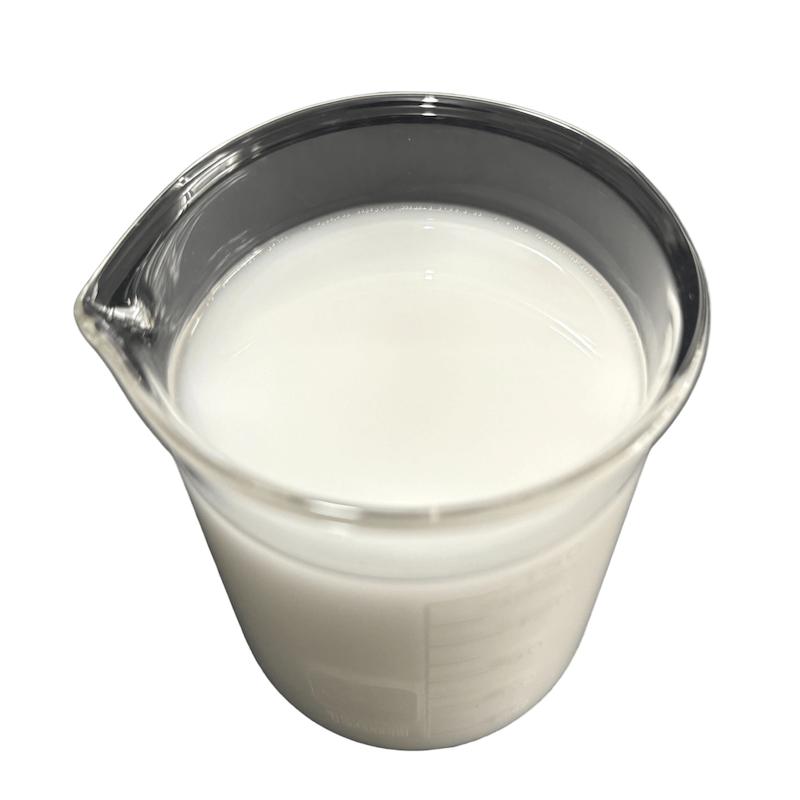
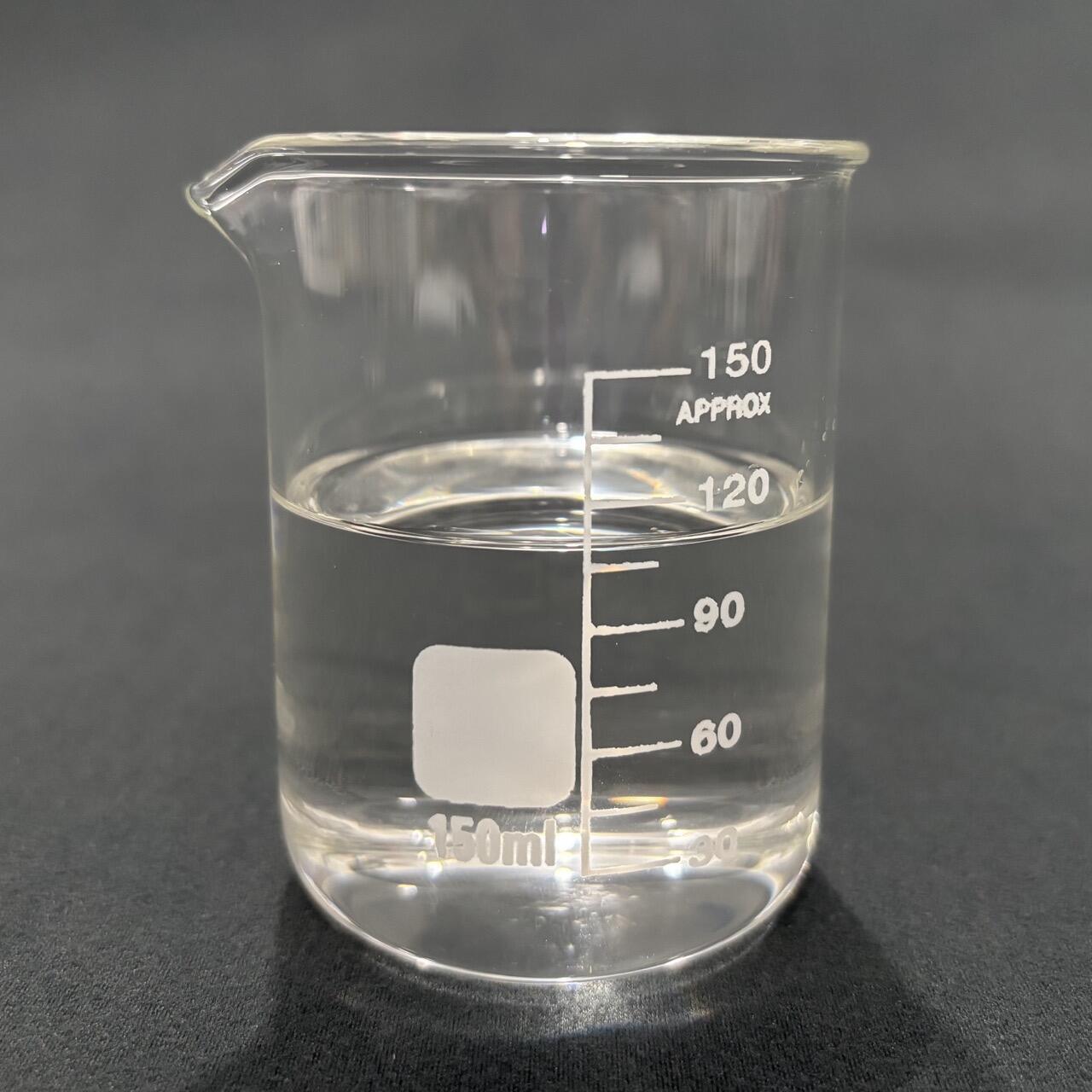
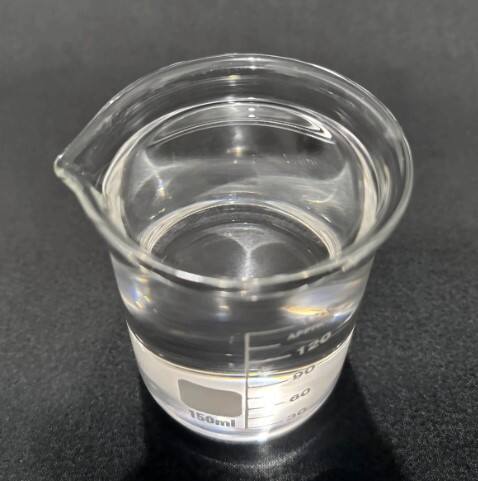
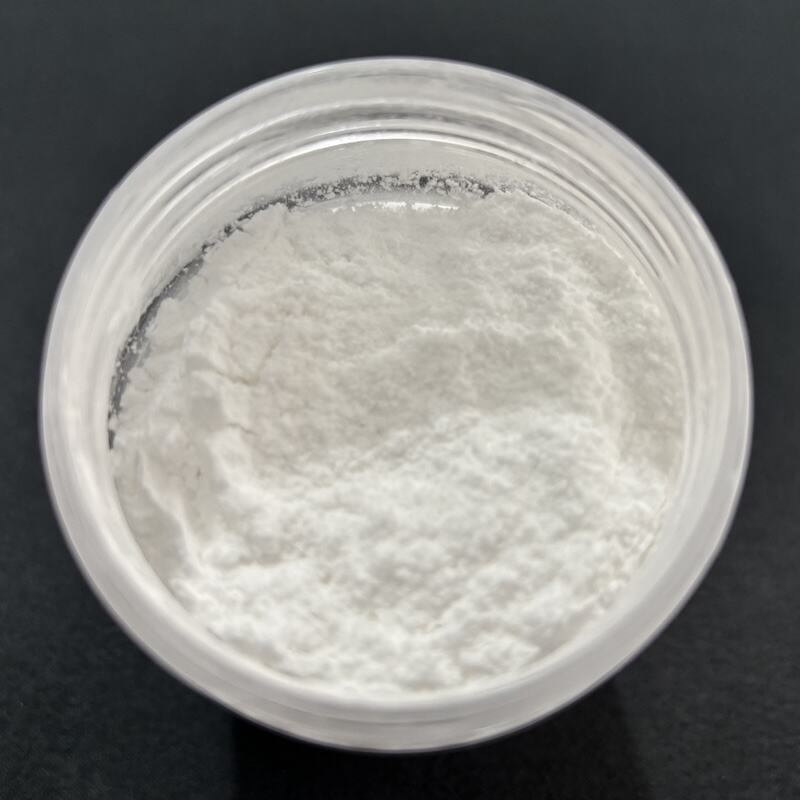
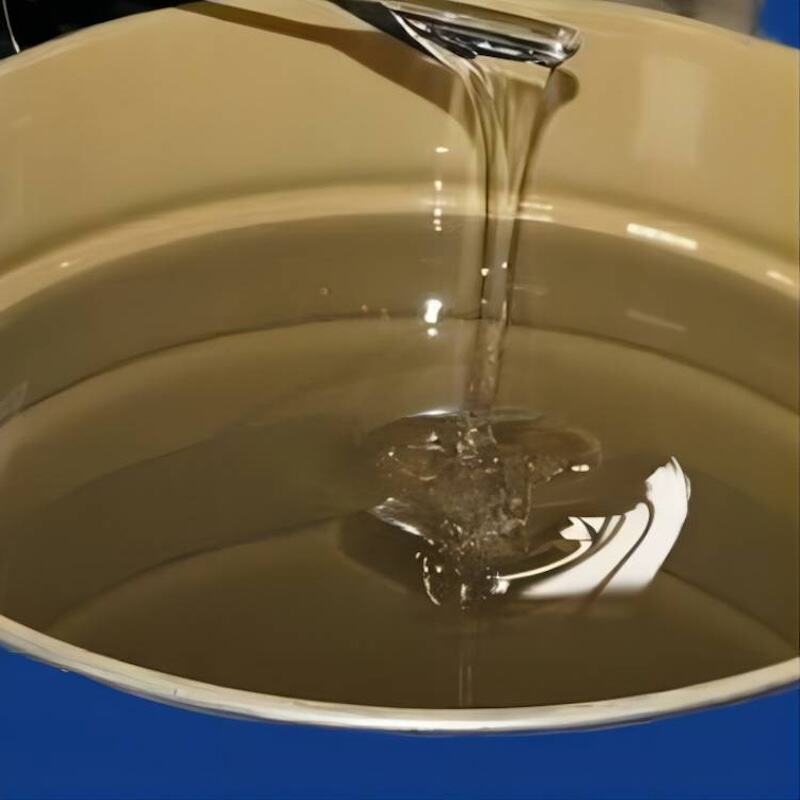
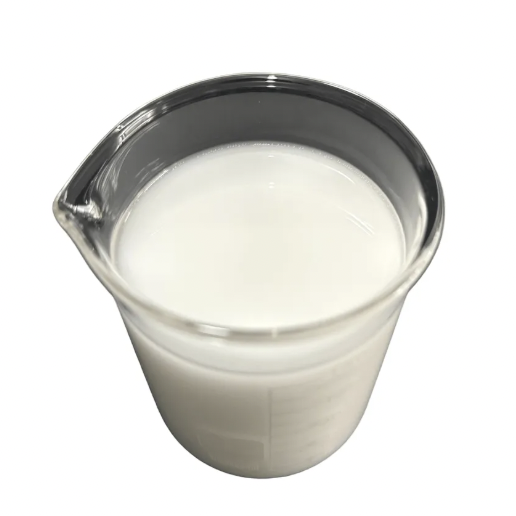
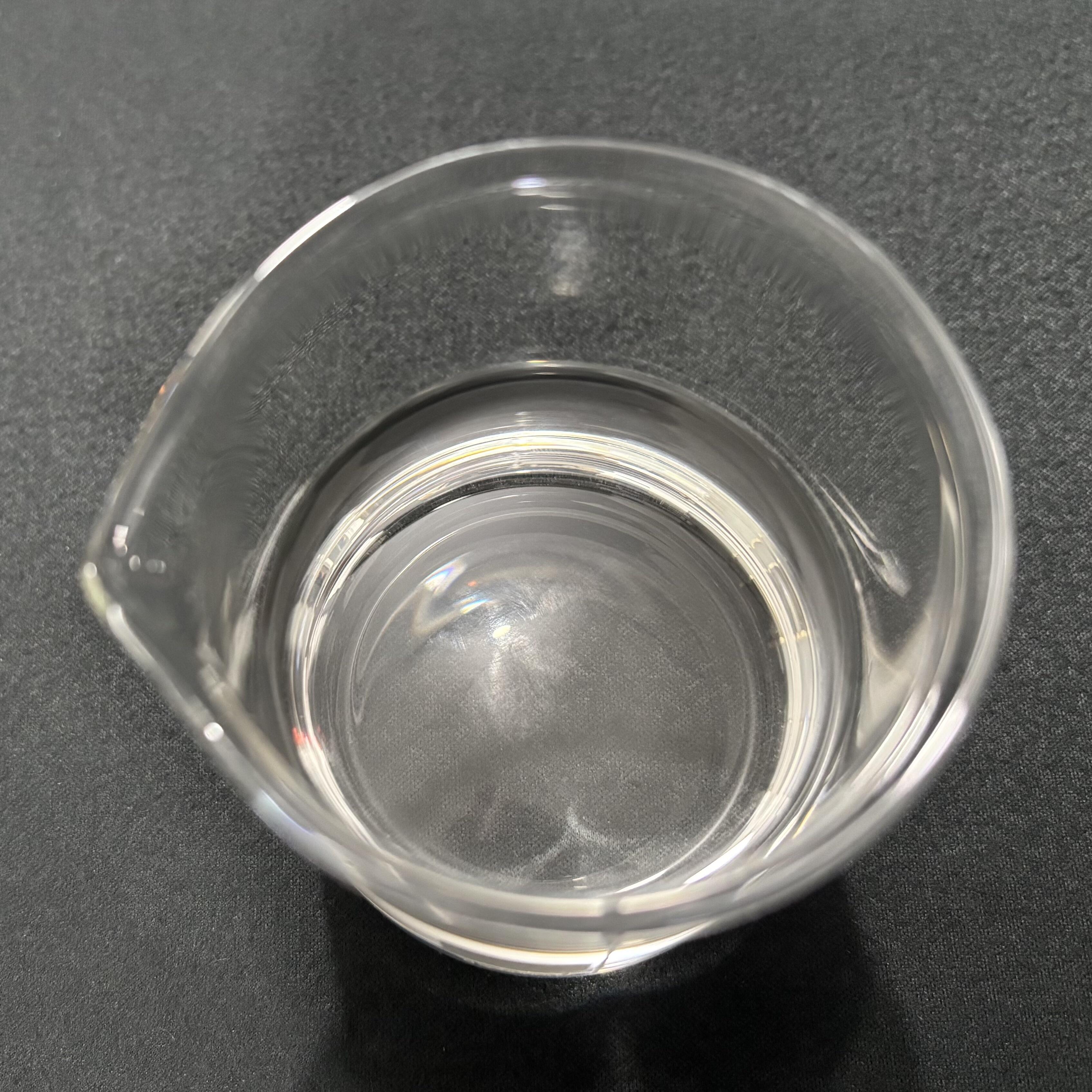
Silicone fluid for industrial use represents a revolutionary class of synthetic polymers that have transformed modern manufacturing processes across diverse sectors. These specialized fluids consist of alternating silicon and oxygen atoms in their molecular backbone, creating unique properties that conventional hydrocarbon-based fluids simply cannot match. The fundamental structure of silicone fluid for industrial use provides exceptional thermal stability, chemical resistance, and consistent performance characteristics that make them indispensable in today's industrial landscape. These fluids maintain their viscosity and functional properties across extreme temperature ranges, from sub-zero conditions to high-heat environments exceeding 200°C. The main functions of silicone fluid for industrial use encompass lubrication, heat transfer, dielectric insulation, and surface modification applications. Their technological features include superior oxidation resistance, minimal volatility, excellent shear stability, and remarkable compatibility with various materials including metals, plastics, and elastomers. Industrial applications span across automotive manufacturing, electronics production, textile processing, pharmaceutical equipment, food processing machinery, and aerospace components. The versatility of silicone fluid for industrial use extends to specialized sectors such as precision instrument manufacturing, where consistent performance under varying environmental conditions is critical. These fluids demonstrate exceptional hydrophobic properties while maintaining excellent flow characteristics, making them ideal for applications requiring both water repellency and smooth operation. The molecular structure of silicone fluid for industrial use ensures minimal interaction with most chemical substances, providing reliable performance in chemically aggressive environments. Manufacturing processes benefit significantly from the low surface tension properties of these fluids, which facilitate improved coating applications and enhanced material processing efficiency. The technological advancement in silicone fluid for industrial use continues to evolve, with specialized formulations designed for specific industrial requirements, ensuring optimal performance in demanding operational conditions.


New Products

The advantages of silicone fluid for industrial use deliver tangible benefits that directly impact operational efficiency and cost-effectiveness for businesses across various sectors. Temperature resistance stands as the primary advantage, allowing these fluids to perform consistently in extreme conditions where conventional fluids would fail. This thermal stability means reduced maintenance schedules, fewer equipment shutdowns, and extended operational periods without fluid replacement. Companies experience significant cost savings through reduced downtime and maintenance expenses when implementing silicone fluid for industrial use in their operations. Chemical inertness provides another crucial advantage, as these fluids resist degradation from acids, bases, and organic solvents that would quickly destroy petroleum-based alternatives. This chemical resistance translates to longer service life, reduced contamination risks, and improved product quality in sensitive manufacturing processes. The low volatility of silicone fluid for industrial use prevents evaporation losses, maintaining consistent viscosity levels throughout extended operational periods. This stability reduces the need for frequent top-ups and ensures predictable performance characteristics that support quality control standards. Electrical insulation properties make these fluids invaluable in electronic manufacturing and electrical equipment applications, providing safe operation while maintaining excellent heat dissipation capabilities. The biocompatibility of food-grade silicone fluid for industrial use enables safe usage in pharmaceutical and food processing applications without contamination concerns. Surface tension properties facilitate superior coating applications, resulting in improved product finishes and reduced material waste during manufacturing processes. Environmental benefits include reduced disposal frequency due to extended service life and lower toxicity compared to traditional industrial fluids. Equipment protection represents a significant advantage, as silicone fluid for industrial use forms protective barriers that prevent corrosion and wear on critical machinery components. The consistent viscosity characteristics across temperature ranges ensure reliable equipment operation regardless of environmental conditions. Energy efficiency improvements result from reduced friction and optimized heat transfer properties, contributing to lower operational costs and improved sustainability metrics. Manufacturing flexibility increases as these fluids adapt to various processing conditions without requiring system modifications or specialized handling procedures. The predictable performance characteristics of silicone fluid for industrial use enable better process control and quality assurance protocols. Long-term cost benefits accumulate through reduced maintenance requirements, extended equipment life, and improved operational reliability. These practical advantages make silicone fluid for industrial use an essential component in modern manufacturing strategies focused on efficiency, reliability, and sustainable operations.

Latest News

Choosing the Right Additives for Your Project

26

Nov

Choosing the Right Additives for Your Project

Understanding the Role of Additives in Projects Additives really make a difference when it comes to boosting how well things perform and last longer in all sorts of applications. These little helpers get used throughout different sectors to tweak st...
View More
What Makes Silicone Emulsion Environmentally Safer

02

Dec

What Makes Silicone Emulsion Environmentally Safer

Environmental sustainability has become a critical consideration for manufacturers across industries, driving demand for safer chemical alternatives. Traditional emulsions often contain volatile organic compounds and harsh solvents that pose risks to...
View More
What Are the Best Practices for Applying Leather Additives

02

Dec

What Are the Best Practices for Applying Leather Additives

The leather industry relies heavily on various chemical formulations to enhance the quality, durability, and aesthetic appeal of finished products. Understanding the proper application techniques and selection criteria for leather additives can signi...
View More
What Are the Environmental Concerns About Leather Chemicals?

08

Jan

What Are the Environmental Concerns About Leather Chemicals?

The leather industry has long been scrutinized for its environmental impact, particularly regarding the use of leather chemicals in processing and manufacturing. These chemicals, while essential for transforming raw hides into durable leather product...
View More

Get a Free Quote

Our representative will contact you soon.
Email
Name
Company Name
Whatsapp
Message
0/1000

silicone fluid for industrial use

Exceptional Temperature Performance and Thermal Stability

Exceptional Temperature Performance and Thermal Stability

The exceptional temperature performance of silicone fluid for industrial use represents one of its most valuable characteristics, setting it apart from conventional industrial fluids in demanding operational environments. These specialized fluids maintain their functional properties across an extraordinary temperature range, typically from -65°C to 250°C, with some specialized formulations extending these limits even further. This remarkable thermal stability stems from the strong silicon-oxygen bonds in the polymer backbone, which resist thermal degradation that would quickly destroy hydrocarbon-based alternatives. In high-temperature applications, silicone fluid for industrial use continues to provide consistent lubrication and heat transfer properties without breaking down into harmful byproducts or losing viscosity. This thermal resilience prevents the formation of carbon deposits and sludge that typically plague conventional fluids under extreme heat conditions. Cold temperature performance proves equally impressive, as these fluids resist thickening and maintain pumpability even in sub-zero environments where traditional fluids would solidify or become too viscous for effective operation. Manufacturing processes that involve temperature cycling benefit tremendously from this stability, as the fluid properties remain consistent throughout heating and cooling phases. The thermal conductivity properties of silicone fluid for industrial use facilitate efficient heat dissipation in electronic components and mechanical systems, preventing overheating and extending equipment life. Aerospace applications particularly value this temperature stability, where equipment must function reliably across extreme altitude and environmental conditions. Automotive manufacturing processes utilize these thermal properties for applications ranging from engine testing to component manufacturing where temperature control is critical. The oxidation resistance at elevated temperatures means longer service intervals and reduced maintenance costs, as the fluid does not degrade or form harmful acids that could damage system components. Food processing industries benefit from the thermal stability when sterilization processes require high temperatures, ensuring the silicone fluid for industrial use maintains its properties without contaminating products. This temperature performance advantage translates directly into operational reliability, reduced downtime, and significant cost savings for industrial operations that depend on consistent fluid performance across varying thermal conditions.
Superior Chemical Resistance and Material Compatibility

Superior Chemical Resistance and Material Compatibility

The superior chemical resistance of silicone fluid for industrial use provides unmatched protection and performance in chemically aggressive industrial environments where conventional fluids would rapidly deteriorate or cause system contamination. This chemical inertness results from the stable silicon-oxygen polymer structure that resists attack from acids, bases, oxidizing agents, and most organic solvents commonly encountered in industrial processes. Unlike petroleum-based fluids that can be degraded by chemical exposure, silicone fluid for industrial use maintains its molecular integrity even when subjected to harsh chemical conditions over extended periods. This resistance extends to common industrial chemicals including cleaning solvents, process chemicals, and environmental contaminants that would typically cause fluid breakdown and system damage. The compatibility with various materials represents another significant advantage, as silicone fluid for industrial use does not cause swelling, cracking, or degradation of rubber seals, plastic components, or metallic surfaces. This material compatibility eliminates the need for expensive system modifications or specialized component materials when transitioning from conventional fluids. Pharmaceutical and biotechnology industries particularly benefit from this chemical resistance, as processes involving aggressive cleaning agents and sterilization chemicals do not compromise fluid performance or introduce contamination risks. Electronics manufacturing relies on this property to prevent corrosion of sensitive components while maintaining electrical insulation properties in the presence of flux residues and cleaning solvents. The non-reactive nature of silicone fluid for industrial use prevents catalytic degradation reactions that could produce harmful byproducts or alter process chemistry in sensitive applications. Chemical processing equipment operates more reliably when using these fluids, as they do not interact with process streams or contribute to unwanted side reactions. Aerospace applications demand this level of chemical resistance to ensure reliable operation when exposed to fuel vapors, hydraulic fluids, and environmental chemicals. The stability in the presence of oxidizing conditions means reduced fire and explosion risks compared to conventional organic fluids that can form flammable vapor mixtures. Maintenance requirements decrease significantly due to the chemical stability of silicone fluid for industrial use, as systems remain cleaner and components experience less chemical attack over time. This chemical resistance advantage directly translates to improved process reliability, reduced contamination risks, enhanced safety protocols, and substantial cost savings through extended service intervals and reduced equipment replacement needs.
Enhanced Operational Efficiency and Equipment Protection

Enhanced Operational Efficiency and Equipment Protection

Enhanced operational efficiency achieved through silicone fluid for industrial use stems from unique properties that optimize equipment performance while providing comprehensive protection against wear, corrosion, and operational failures. The exceptional lubrication characteristics of these fluids reduce friction coefficients significantly compared to conventional alternatives, resulting in smoother equipment operation, reduced energy consumption, and extended component life. This superior lubrication performance remains consistent across varying load conditions and operating speeds, ensuring predictable equipment behavior that supports precise manufacturing tolerances and quality control requirements. The low surface tension properties of silicone fluid for industrial use facilitate improved coating applications, reducing material waste while enhancing finish quality in manufacturing processes. Equipment protection benefits include the formation of durable protective films on metal surfaces that prevent corrosion and wear even under demanding operational conditions. These protective characteristics extend beyond simple lubrication to include vibration damping properties that reduce mechanical stress on equipment components and minimize noise levels in industrial environments. The excellent shear stability ensures that silicone fluid for industrial use maintains its viscosity and protective properties even under high-stress conditions where conventional fluids would experience molecular breakdown. Electrical equipment benefits from the dielectric properties that provide insulation while allowing efficient heat dissipation, preventing electrical failures and extending component life in sensitive electronic systems. The hydrophobic nature repels water and moisture, preventing corrosion and electrical faults in equipment exposed to humid environments or occasional water exposure. Precision manufacturing processes achieve improved accuracy and consistency when using silicone fluid for industrial use due to the stable viscosity characteristics that ensure predictable flow rates and pressure responses. Maintenance intervals extend significantly because these fluids do not form deposits, sludge, or degradation products that typically require frequent system cleaning and fluid changes. The anti-foaming properties prevent air entrainment issues that can cause pump cavitation, erratic operation, and reduced heat transfer efficiency in hydraulic and heat transfer applications. Energy efficiency improvements result from reduced pumping requirements due to stable flow characteristics and optimized heat transfer properties that reduce heating and cooling demands. Quality control benefits include consistent product finishes in coating applications and reduced contamination risks in sensitive manufacturing processes. The predictable aging characteristics of silicone fluid for industrial use enable more accurate maintenance scheduling and inventory management, reducing operational costs through optimized fluid management programs. These operational efficiency advantages collectively contribute to improved productivity, reduced operational costs, enhanced product quality, and increased competitiveness for industrial operations that implement silicone fluid solutions.

Get a Free Quote

Our representative will contact you soon.
Email
Name
Company Name
Whatsapp
Message
0/1000