Premium Silicone Fluid: Advanced Thermal Stability and Chemical Resistance Solutions

All Categories

Get a Free Quote

Our representative will contact you soon.
Email
Name
Company Name
Whatsapp
Message
0/1000

silicone fluid

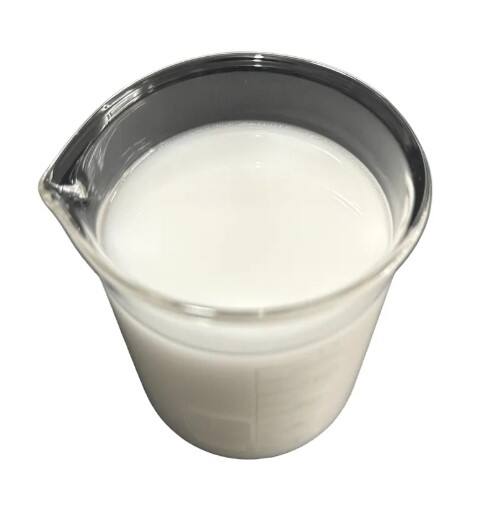
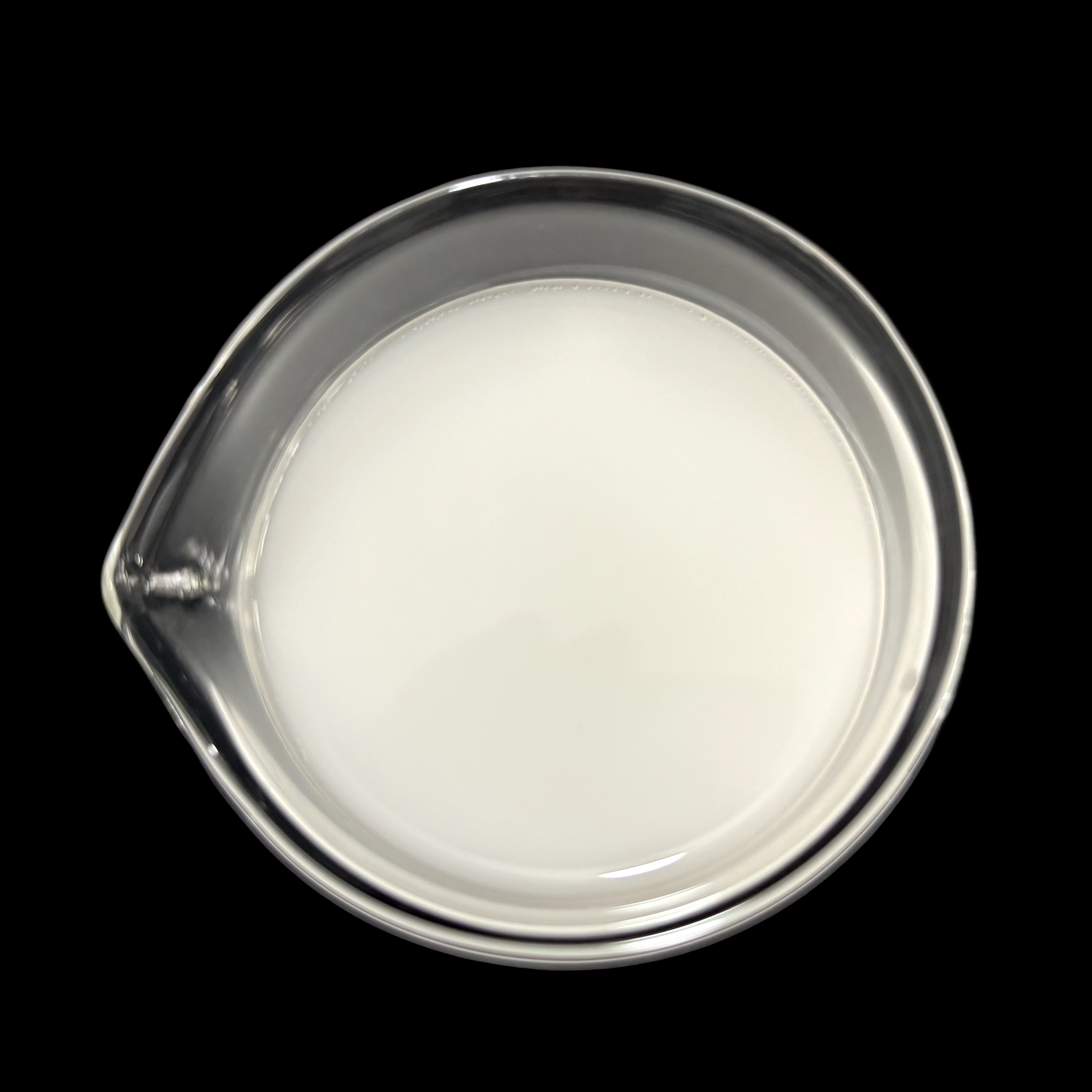
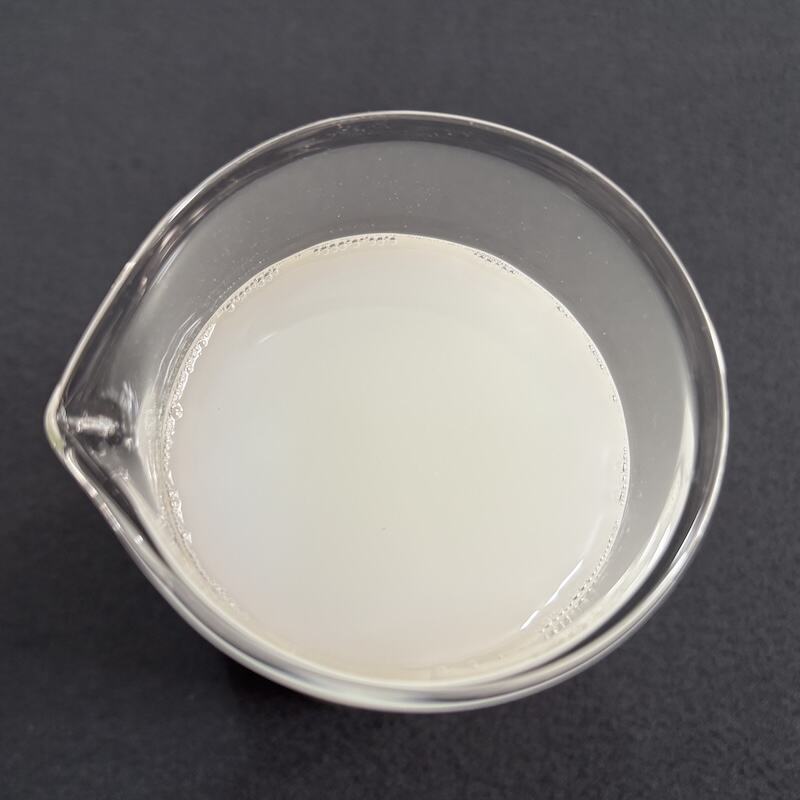
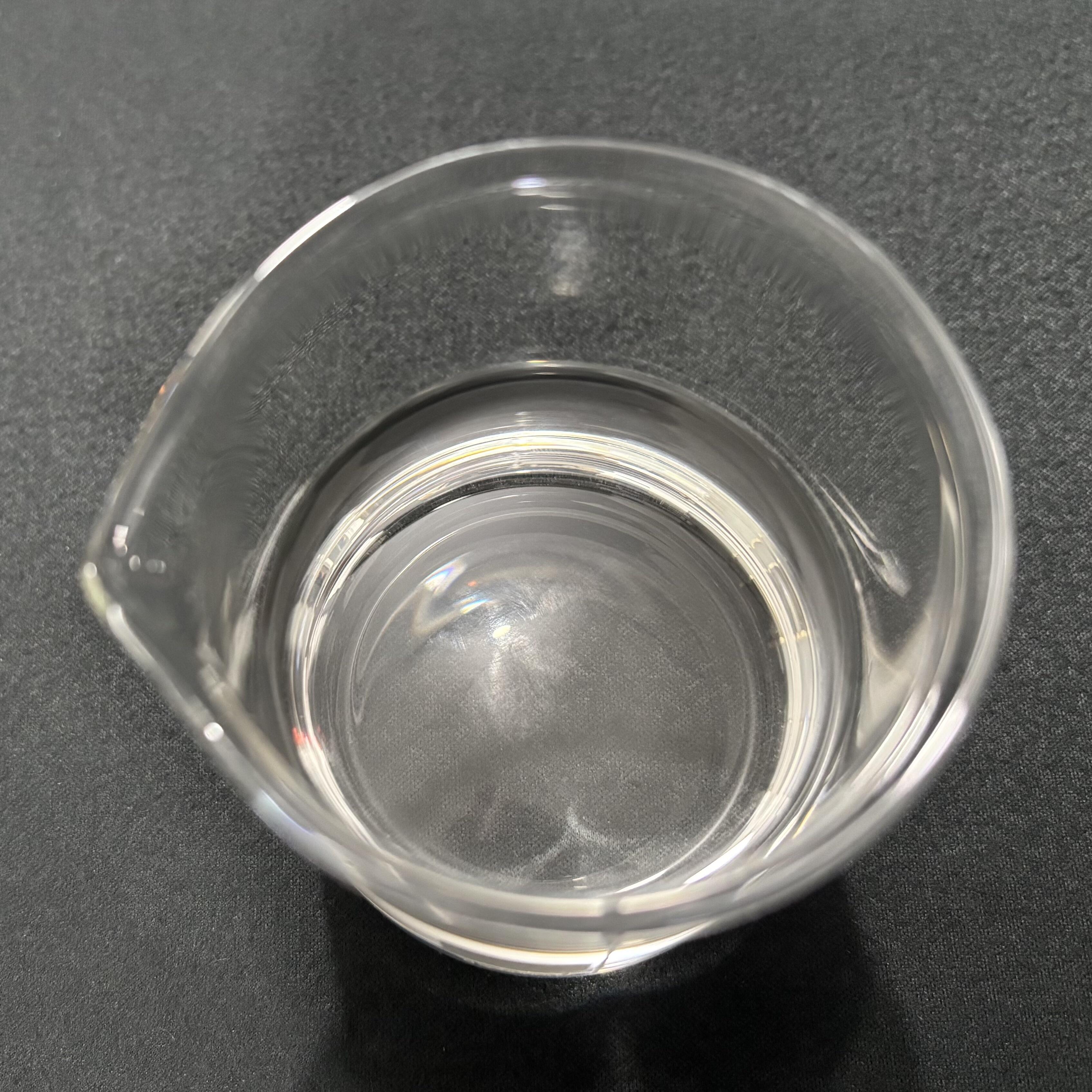
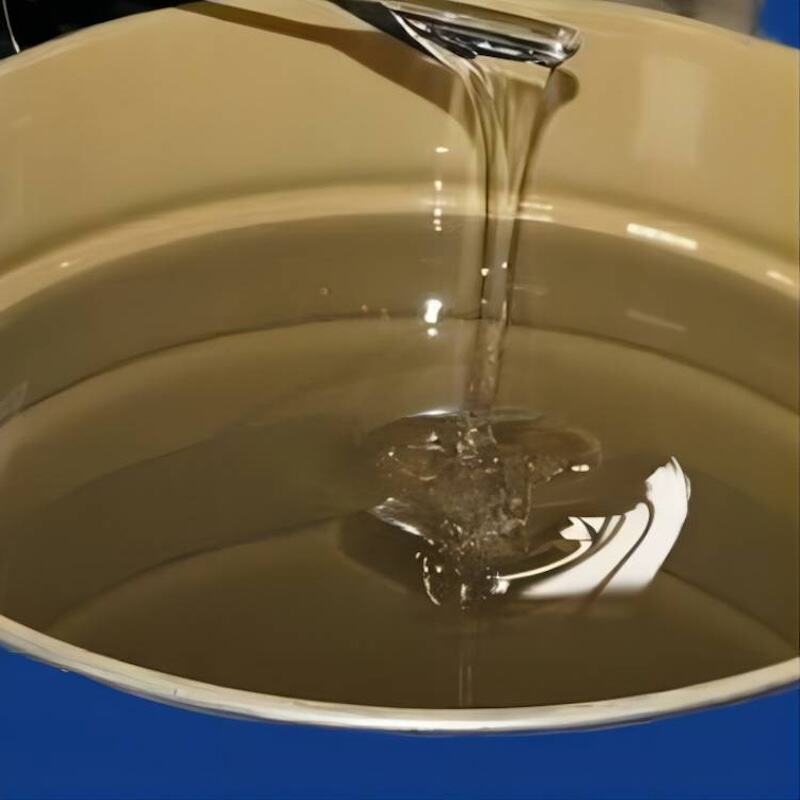
Silicone fluid represents a revolutionary synthetic polymer that has transformed countless industrial and consumer applications through its remarkable versatility and performance characteristics. This advanced material consists of a backbone structure featuring alternating silicon and oxygen atoms, creating a unique molecular composition that delivers exceptional stability and functionality across diverse operating conditions. The primary functions of silicone fluid encompass lubrication, thermal management, electrical insulation, and surface modification, making it an indispensable component in modern manufacturing and engineering processes. Technological features of silicone fluid include outstanding thermal stability, maintaining consistent viscosity across extreme temperature ranges from -40°C to 200°C and beyond. The material exhibits exceptional chemical inertness, resisting degradation from acids, bases, and most organic solvents while maintaining its structural integrity over extended periods. Its low surface tension properties enable superior wetting and spreading characteristics, facilitating uniform coverage on various substrates. The dielectric strength of silicone fluid makes it ideal for electrical applications, providing reliable insulation properties that prevent electrical failures and ensure safe operation of sensitive equipment. Applications span numerous industries including automotive, aerospace, electronics, cosmetics, healthcare, and food processing. In automotive systems, silicone fluid serves as hydraulic brake fluid, shock absorber fluid, and differential oil, providing consistent performance under demanding conditions. Electronics manufacturers utilize silicone fluid for potting compounds, thermal interface materials, and transformer cooling applications. The cosmetics industry incorporates silicone fluid into skincare products, hair treatments, and makeup formulations to enhance texture and application properties. Healthcare applications include medical device lubrication, implant materials, and pharmaceutical processing aids where biocompatibility and purity are paramount.


New Product Recommendations

Silicone fluid offers numerous compelling advantages that make it the preferred choice for demanding applications across multiple industries. The superior thermal stability ensures consistent performance in extreme temperature environments where conventional fluids fail catastrophically. This thermal resilience translates directly into reduced maintenance costs and extended equipment lifespan, providing significant economic benefits for operations requiring reliable long-term performance. The exceptional chemical resistance protects against corrosive substances that would rapidly degrade alternative materials, ensuring operational integrity in harsh chemical environments. Users benefit from reduced downtime and lower replacement costs due to the material's remarkable durability and resistance to degradation. The low volatility characteristic prevents evaporation losses that plague conventional fluids, maintaining consistent viscosity and performance levels over extended operating periods. This stability reduces the frequency of fluid replacement, cutting operational costs while maintaining optimal system performance. The excellent electrical insulation properties provide superior protection for sensitive electronic components, preventing electrical failures that could result in costly equipment damage or safety hazards. The material's flexibility across temperature ranges ensures reliable electrical isolation under varying environmental conditions. The biocompatibility of medical-grade silicone fluid opens opportunities for healthcare applications where safety and non-toxicity are critical requirements. This feature enables use in direct contact with human tissue and biological systems without adverse reactions. The hydrophobic nature repels water effectively, preventing moisture-related degradation and maintaining performance in humid environments. This water resistance proves particularly valuable in outdoor applications and marine environments where moisture exposure is unavoidable. The material's inertness prevents unwanted chemical reactions that could compromise product quality or system performance. Manufacturing processes benefit from the predictable behavior and consistent quality of silicone fluid, enabling precise formulation control and reliable end-product characteristics. The versatility in viscosity grades allows customization for specific application requirements, from ultra-low viscosity fluids for precision instruments to high-viscosity grades for heavy-duty applications. This adaptability reduces inventory complexity while ensuring optimal performance for each specific use case.

Latest News

High-End Leather Feel Modifiers: Enhancing Product Appeal

26

Nov

High-End Leather Feel Modifiers: Enhancing Product Appeal

Understanding High-End Leather Feel Modifiers Leather feel modifiers for high end products are basically special treatments that get applied to leather goods to make them nicer to touch and look at overall. These treatments really bump up how good q...
View More
The Benefits of Using a Compact Leather Feel Modifier Solution

26

Nov

The Benefits of Using a Compact Leather Feel Modifier Solution

Why Use Compact Leather Feel Modifier Solutions Leather feel modifiers in compact form really make a difference when it comes to how leather products feel against the skin. These little treatments help create that rich, soft sensation people associa...
View More
What Are the Effects of Vortex Spinning Oil on Yarn Smoothness?

08

Jan

What Are the Effects of Vortex Spinning Oil on Yarn Smoothness?

The textile manufacturing industry has witnessed remarkable advancements in spinning technologies, with vortex spinning emerging as a revolutionary method that significantly transforms yarn production. At the heart of this innovative process lies vor...
View More
What Are the Environmental Concerns About Leather Chemicals?

08

Jan

What Are the Environmental Concerns About Leather Chemicals?

The leather industry has long been scrutinized for its environmental impact, particularly regarding the use of leather chemicals in processing and manufacturing. These chemicals, while essential for transforming raw hides into durable leather product...
View More

Get a Free Quote

Our representative will contact you soon.
Email
Name
Company Name
Whatsapp
Message
0/1000

silicone fluid

Exceptional Temperature Performance and Thermal Stability

Exceptional Temperature Performance and Thermal Stability

The extraordinary temperature performance of silicone fluid represents one of its most valuable characteristics, setting it apart from conventional alternatives in demanding thermal environments. This synthetic polymer maintains its essential properties across an exceptionally wide temperature range, typically from -65°C to 250°C, with specialized formulations extending these limits even further. The molecular structure of silicone fluid, featuring strong silicon-oxygen bonds, provides inherent thermal stability that prevents degradation at elevated temperatures where organic fluids would break down completely. This remarkable thermal resilience ensures consistent viscosity characteristics regardless of operating temperature, eliminating the performance variations that plague conventional fluids in temperature-cycling applications. Manufacturing processes benefit tremendously from this thermal stability, as equipment operates more reliably without the need for temperature-specific fluid changes or complex heating and cooling systems to maintain optimal viscosity. The consistent flow characteristics across temperature ranges enable precise control of manufacturing processes, improving product quality and reducing waste from temperature-related variations. In automotive applications, silicone fluid maintains its protective properties in engine compartments where temperatures can exceed 150°C, while also providing reliable performance in cold climates where conventional fluids might thicken or freeze. The aerospace industry particularly values this temperature stability for aircraft systems operating at high altitudes where extreme temperature variations are routine. Electronic cooling applications benefit from the stable thermal conductivity properties that ensure consistent heat transfer regardless of ambient temperature fluctuations. The oxidative stability at elevated temperatures prevents the formation of harmful byproducts that could damage sensitive components or create safety hazards. This thermal performance translates into extended service intervals, reduced maintenance requirements, and improved equipment reliability across diverse industrial applications.
Superior Chemical Resistance and Compatibility

Superior Chemical Resistance and Compatibility

The outstanding chemical resistance of silicone fluid provides unmatched protection and compatibility in environments where aggressive chemicals would rapidly destroy alternative materials. This exceptional resistance stems from the inherent stability of the silicon-oxygen backbone structure, which remains intact when exposed to acids, bases, alcohols, and most organic solvents that would readily attack carbon-based polymer chains. The chemical inertness ensures that silicone fluid maintains its properties and performance characteristics even after prolonged exposure to harsh chemical environments, making it invaluable for chemical processing applications where equipment protection is critical. Manufacturing facilities handling corrosive chemicals benefit from reduced equipment degradation and extended service life when using silicone fluid in seals, gaskets, and lubrication systems. The material's compatibility with a wide range of substrates, including metals, plastics, elastomers, and ceramics, eliminates compatibility concerns that often limit material selection in complex systems. This broad compatibility reduces the risk of material interactions that could lead to equipment failure or product contamination. In pharmaceutical and food processing applications, the chemical inertness ensures that silicone fluid does not react with active ingredients or food components, maintaining product purity and safety. The resistance to hydrolysis means that silicone fluid performs reliably in humid environments or applications involving water exposure, where conventional lubricants might degrade or form harmful byproducts. The material's resistance to UV radiation and ozone prevents degradation in outdoor applications or environments with strong oxidizing conditions. Chemical processing equipment benefits from the non-reactive nature of silicone fluid, which prevents contamination of chemical products and eliminates the risk of unwanted catalytic reactions. The stability in contact with cleaning agents and disinfectants makes silicone fluid ideal for applications requiring frequent sanitization without material degradation. This chemical resistance translates into lower maintenance costs, reduced downtime, and improved safety in challenging chemical environments.
Outstanding Electrical Properties and Safety Performance

Outstanding Electrical Properties and Safety Performance

The exceptional electrical properties of silicone fluid make it an indispensable material for electrical and electronic applications where reliable insulation and safety are paramount. The high dielectric strength, typically exceeding 15 kV/mm, provides superior electrical isolation that prevents dangerous electrical faults and protects sensitive electronic components from voltage surges and electrical interference. This electrical performance remains stable across the entire operating temperature range, ensuring consistent protection regardless of environmental conditions. The low dielectric constant and dissipation factor minimize electrical losses in high-frequency applications, making silicone fluid ideal for transformers, capacitors, and other electrical equipment where efficiency is critical. Power generation facilities utilize silicone fluid in transformers and switchgear applications where its electrical properties ensure reliable operation and prevent catastrophic failures that could result in power outages or safety hazards. The material's ability to withstand partial discharge activity without degradation extends equipment life and reduces maintenance requirements in high-voltage applications. Electronic manufacturing benefits from the anti-static properties that prevent electrostatic discharge damage during assembly and handling of sensitive components. The flame-retardant characteristics of many silicone fluid formulations provide additional safety benefits in electrical applications where fire risk must be minimized. The material's thermal conductivity properties enable effective heat dissipation from electrical components, preventing overheating that could lead to equipment failure or safety hazards. Data centers and telecommunications facilities rely on silicone fluid for cooling high-power electronic equipment while maintaining electrical isolation. The moisture resistance prevents electrical tracking and maintains insulation properties in humid environments where conventional materials might fail. The long-term stability ensures that electrical properties remain consistent throughout the service life, providing reliable protection for critical electrical infrastructure. Medical device applications benefit from the biocompatible electrical insulation properties that enable safe operation of implantable electronic devices. The chemical compatibility with electronic materials prevents corrosion or degradation of circuit boards and components, ensuring long-term reliability in critical applications.

Get a Free Quote

Our representative will contact you soon.
Email
Name
Company Name
Whatsapp
Message
0/1000