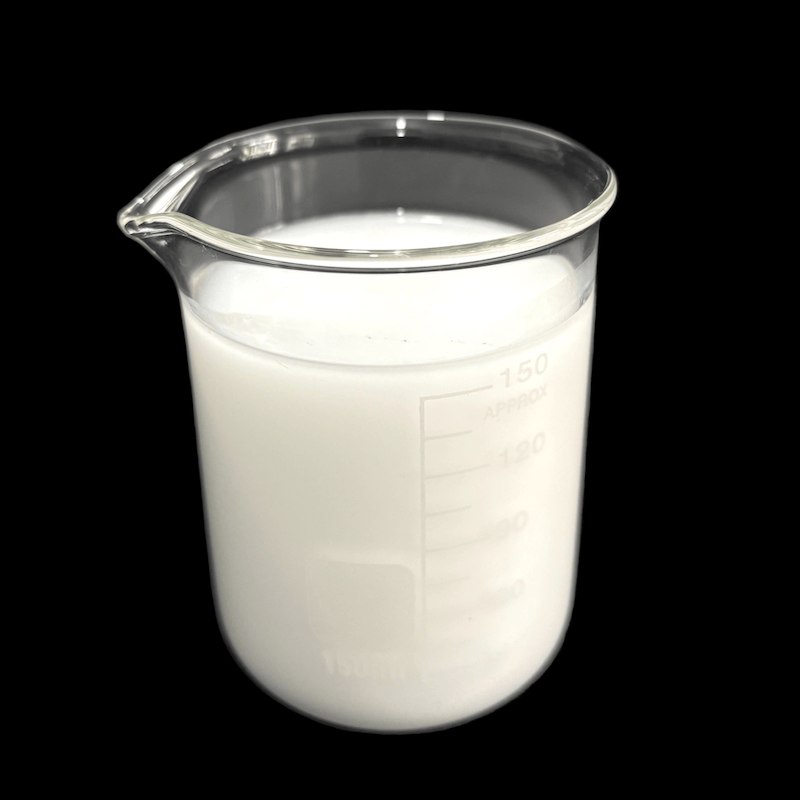
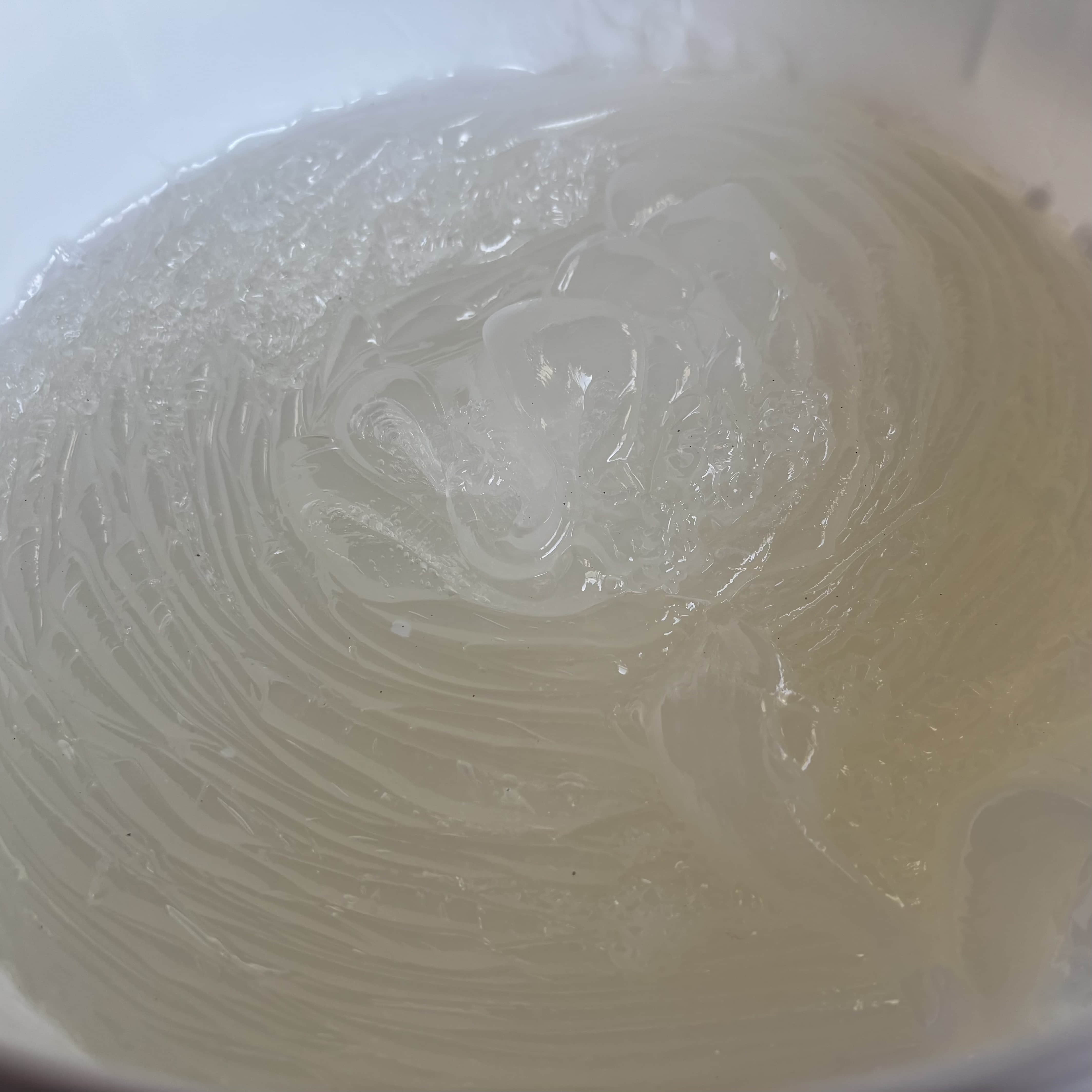
Premium Silicone Fluid for Textile Softener - Advanced Fabric Enhancement Technology

All Categories

Get a Free Quote

Our representative will contact you soon.
Email
Name
Company Name
Whatsapp
Message
0/1000

silicone fluid for textile softener

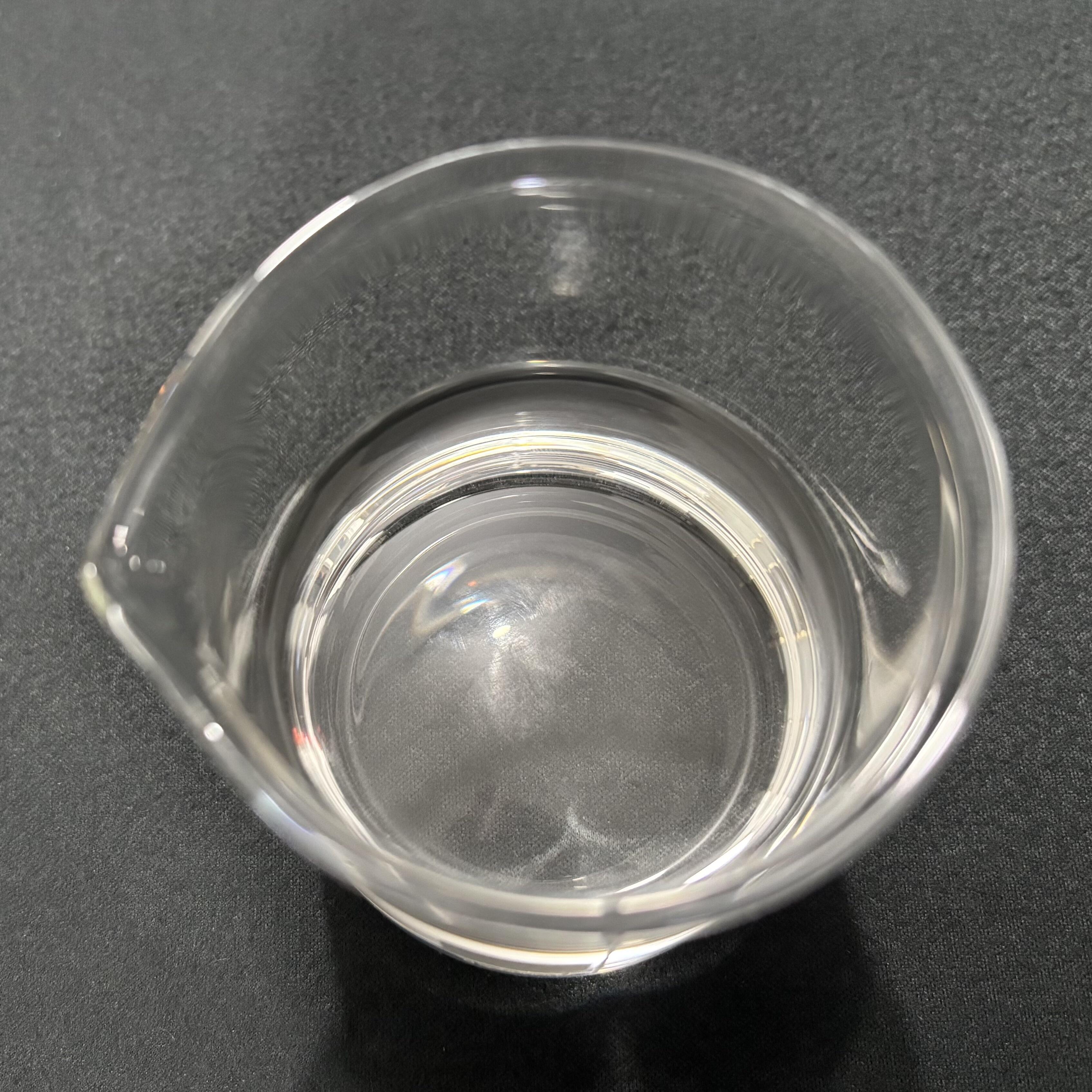
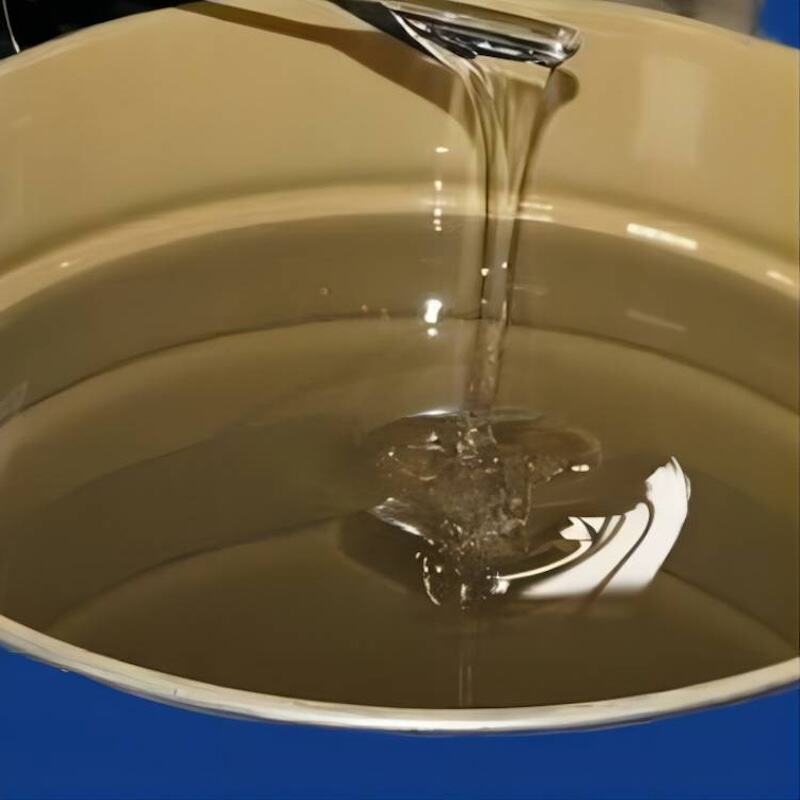
Silicone fluid for textile softener represents a revolutionary advancement in fabric treatment technology, designed to transform the tactile properties and performance characteristics of various textiles. This specialized chemical compound consists of carefully formulated silicone polymers that penetrate fabric fibers to create an ultra-smooth surface finish while maintaining breathability and durability. The primary function of silicone fluid for textile softener centers on enhancing fabric hand-feel by reducing friction between individual fibers, resulting in exceptionally soft and silky textures that consumers desire in modern textiles. Beyond basic softening capabilities, this innovative solution provides significant wrinkle resistance, helping fabrics maintain their appearance after washing and wearing. The technological foundation of silicone fluid for textile softener relies on advanced molecular engineering that creates uniform distribution across fabric surfaces without compromising structural integrity. Manufacturing processes utilize state-of-the-art emulsification techniques to ensure optimal compatibility with existing textile finishing equipment and procedures. Application methods for silicone fluid for textile softener include exhaustion processes, padding techniques, and spray applications, making it versatile across different production environments. The compound demonstrates exceptional thermal stability, allowing it to withstand high-temperature processing conditions commonly found in industrial textile operations. Performance characteristics include excellent wash durability, meaning treated fabrics retain their enhanced properties through multiple laundry cycles. Environmental considerations have been carefully addressed in the formulation of silicone fluid for textile softener, ensuring compliance with international safety standards while delivering superior results. The versatility of this technology extends across numerous textile categories, including apparel fabrics, home textiles, technical textiles, and specialty applications where enhanced softness and performance are critical requirements.


New Products

Implementing silicone fluid for textile softener delivers transformative benefits that directly impact both manufacturing efficiency and end-user satisfaction across diverse textile applications. The most immediate advantage involves dramatically improved fabric softness that creates luxurious hand-feel characteristics consumers actively seek in premium textiles. This enhanced tactile experience translates into increased market appeal and competitive positioning for textile manufacturers utilizing silicone fluid for textile softener in their production processes. Cost-effectiveness emerges as another compelling advantage, as relatively small quantities of silicone fluid for textile softener produce significant improvements in fabric properties, maximizing return on investment while minimizing material costs per treated unit. Processing efficiency gains become apparent through simplified application procedures that integrate seamlessly with existing textile finishing operations without requiring extensive equipment modifications or specialized training programs. Durability advantages manifest through exceptional wash fastness properties, ensuring that fabrics treated with silicone fluid for textile softener maintain their enhanced characteristics throughout extended use cycles, reducing customer complaints and warranty issues. The compound provides superior wrinkle resistance compared to traditional softening agents, helping finished textiles maintain crisp appearances that require minimal ironing or pressing, appealing to time-conscious consumers. Environmental benefits include reduced chemical consumption due to high efficacy rates of silicone fluid for textile softener, supporting sustainability initiatives while maintaining performance standards. Quality consistency represents another significant advantage, as properly formulated silicone fluid for textile softener delivers predictable results across different fabric types and processing conditions, enabling manufacturers to standardize their quality control procedures. Compatibility advantages allow silicone fluid for textile softener to work effectively with various auxiliary chemicals commonly used in textile finishing, providing flexibility in formulation design and process optimization. Storage and handling advantages include excellent stability characteristics that simplify inventory management and reduce waste from product degradation. Performance versatility enables silicone fluid for textile softener to enhance properties across natural and synthetic fiber types, expanding its applicability across diverse product portfolios and market segments.

Tips And Tricks

How Vortex Spinning Oil Transforms Traditional Textile Production

26

Nov

How Vortex Spinning Oil Transforms Traditional Textile Production

What is Vortex Spinning Oil Vortex Spinning Oil serves as a unique lubricant specifically made for those tricky vortex spinning machines. What sets it apart is how it cuts down on friction while making the whole yarn production process run smoother ...
View More
What Makes Silicone Emulsion Environmentally Safer

02

Dec

What Makes Silicone Emulsion Environmentally Safer

Environmental sustainability has become a critical consideration for manufacturers across industries, driving demand for safer chemical alternatives. Traditional emulsions often contain volatile organic compounds and harsh solvents that pose risks to...
View More
How to Apply Spinning Oil for Uniform Coverage in High-Speed Machines

02

Dec

How to Apply Spinning Oil for Uniform Coverage in High-Speed Machines

Achieving uniform coverage of spinning oil across high-speed textile machinery represents one of the most critical factors in maintaining optimal fiber processing conditions. The precision required for proper oil application directly impacts yarn qua...
View More
What Are the Environmental Concerns About Leather Chemicals?

08

Jan

What Are the Environmental Concerns About Leather Chemicals?

The leather industry has long been scrutinized for its environmental impact, particularly regarding the use of leather chemicals in processing and manufacturing. These chemicals, while essential for transforming raw hides into durable leather product...
View More

Get a Free Quote

Our representative will contact you soon.
Email
Name
Company Name
Whatsapp
Message
0/1000

silicone fluid for textile softener

Revolutionary Molecular Engineering for Superior Fabric Performance

Revolutionary Molecular Engineering for Superior Fabric Performance

The advanced molecular structure of silicone fluid for textile softener represents a breakthrough in textile chemistry that fundamentally transforms how fabrics feel and perform throughout their lifecycle. This sophisticated engineering approach utilizes precisely controlled polymerization processes to create silicone molecules with optimal molecular weight distribution and functional group positioning. The molecular design of silicone fluid for textile softener ensures uniform penetration into fabric structures while maintaining excellent compatibility with various fiber types including cotton, polyester, blends, and specialty materials. Unlike conventional softening agents that merely coat fiber surfaces, this advanced formulation creates molecular-level interactions that enhance fabric properties from within the fiber matrix itself. The engineering process incorporates specific functional groups that promote strong adhesion to textile surfaces while maintaining flexibility and durability under stress conditions. This molecular precision enables silicone fluid for textile softener to deliver consistent performance across different processing parameters and fabric constructions. The controlled molecular architecture prevents unwanted side effects such as fabric stiffening, yellowing, or reduced absorbency that can occur with inferior softening technologies. Additionally, the molecular design incorporates thermal stability characteristics that allow silicone fluid for textile softener to withstand high-temperature processing conditions without degradation or performance loss. Quality control measures during molecular engineering ensure batch-to-batch consistency that manufacturers depend on for reliable production outcomes. The molecular structure also provides excellent resistance to hydrolysis and oxidation, contributing to long-term stability during storage and application processes. This engineering excellence enables silicone fluid for textile softener to maintain its effectiveness even under challenging environmental conditions, making it suitable for global manufacturing operations with varying climate and processing requirements.
Exceptional Multi-Cycle Durability and Wash Fastness Properties

Exceptional Multi-Cycle Durability and Wash Fastness Properties

The outstanding durability characteristics of silicone fluid for textile softener set new industry standards for wash fastness and long-term performance retention in finished textiles. Extensive testing demonstrates that fabrics treated with properly applied silicone fluid for textile softener maintain their enhanced softness and performance properties through dozens of wash cycles, significantly exceeding the durability of traditional softening treatments. This exceptional persistence results from the unique molecular bonding mechanisms that create strong but flexible attachments between silicone molecules and textile fibers. The durability advantage of silicone fluid for textile softener stems from its resistance to removal by detergents, mechanical action, and thermal stress commonly encountered during laundry processes. Independent laboratory evaluations consistently show that textiles treated with silicone fluid for textile softener retain over eighty percent of their initial softness enhancement after twenty-five standard wash cycles, demonstrating superior value proposition for end consumers. This durability translates into sustained customer satisfaction and reduced warranty claims for textile manufacturers who incorporate silicone fluid for textile softener into their finishing processes. The wash fastness properties also contribute to color retention and dimensional stability, as the protective silicone layer helps prevent fiber damage that can lead to fading or shrinkage over time. Furthermore, the durable nature of silicone fluid for textile softener treatment means that consumers experience consistent fabric performance throughout the useful life of their textiles, enhancing brand loyalty and repeat purchases. Manufacturing advantages include reduced need for retreatment processes and improved quality assurance metrics. The durability characteristics also support sustainability goals by extending textile lifespan and reducing replacement frequency, aligning with consumer preferences for environmentally responsible products. Quality control testing protocols have been developed specifically to validate the wash fastness properties of silicone fluid for textile softener, ensuring consistent performance across different production batches and fabric types.
Versatile Application Methods and Processing Compatibility

Versatile Application Methods and Processing Compatibility

The remarkable versatility of silicone fluid for textile softener application methods provides manufacturers with unprecedented flexibility in integrating this advanced technology into diverse production workflows and equipment configurations. This adaptability stems from careful formulation design that enables effective application through exhaustion processes, continuous padding systems, spray applications, and foam finishing techniques without compromising performance quality. The compatibility of silicone fluid for textile softener with existing textile processing equipment eliminates the need for costly infrastructure investments while delivering immediate performance improvements. Exhaustion application methods allow precise control over treatment levels by adjusting concentration and processing parameters to achieve specific softness targets across different fabric weights and constructions. Continuous padding applications of silicone fluid for textile softener enable high-speed processing of large fabric volumes while maintaining uniform treatment distribution and consistent quality outcomes. The spray application capability provides targeted treatment options for specialized textile products or localized enhancement requirements where full fabric treatment may not be necessary or desired. Foam finishing applications of silicone fluid for textile softener offer water and energy conservation benefits while delivering excellent penetration and coverage characteristics. The formulation stability ensures consistent performance across different application methods, eliminating the need for method-specific product variants and simplifying inventory management for textile manufacturers. Processing compatibility extends to various auxiliary chemicals commonly used in textile finishing, allowing formulators to develop comprehensive treatment systems that address multiple performance requirements simultaneously. Temperature tolerance characteristics of silicone fluid for textile softener enable processing across wide temperature ranges, accommodating different equipment capabilities and energy efficiency requirements. The versatile application methods also support custom treatment protocols for specialty textiles or unique performance requirements, providing manufacturers with competitive differentiation opportunities. Quality assurance procedures have been developed for each application method to ensure optimal results and consistent performance standards across different processing approaches.

Get a Free Quote

Our representative will contact you soon.
Email
Name
Company Name
Whatsapp
Message
0/1000