Industrial Silicone Fluid: High-Performance Solutions for Industrial Applications | Superior Thermal Stability & Chemical Resistance

All Categories

Get a Free Quote

Our representative will contact you soon.
Email
Name
Company Name
Whatsapp
Message
0/1000

industrial silicone fluid

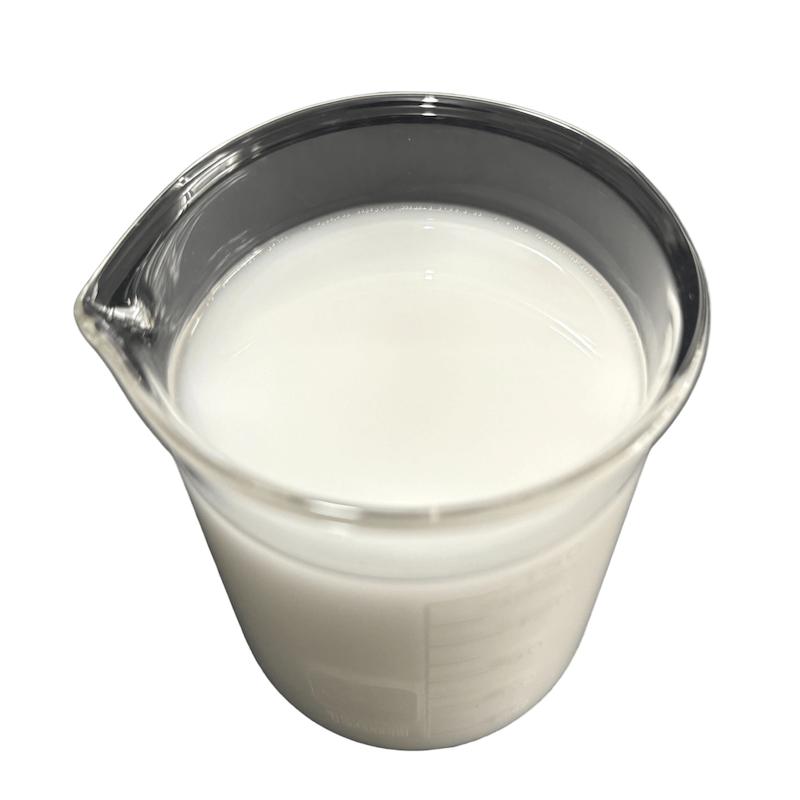
Industrial silicone fluid represents a cornerstone technology in modern manufacturing and engineering applications. This specialized synthetic polymer combines exceptional performance characteristics with remarkable versatility, making it an indispensable component across numerous industrial sectors. The industrial silicone fluid family encompasses various molecular weights and viscosity grades, each engineered to meet specific operational requirements. These fluids exhibit unique properties that distinguish them from conventional petroleum-based lubricants and hydraulic media. The molecular structure of industrial silicone fluid consists of alternating silicon and oxygen atoms, creating a backbone that provides extraordinary thermal stability and chemical inertness. This fundamental composition enables the fluid to maintain consistent performance across extreme temperature ranges, typically from -65°C to 200°C, with specialized formulations extending these limits even further. The main functions of industrial silicone fluid include lubrication, heat transfer, damping, and dielectric insulation. As a lubricant, it reduces friction between moving parts while protecting against wear and corrosion. In heat transfer applications, the fluid efficiently conducts thermal energy while remaining stable at elevated temperatures. The damping properties make industrial silicone fluid ideal for shock absorption and vibration control systems. Its excellent dielectric properties enable use in electrical applications where insulation is critical. Technological features of industrial silicone fluid include low surface tension, which promotes excellent wetting and penetration capabilities. The fluid demonstrates minimal viscosity change with temperature variations, ensuring consistent performance across operating conditions. Chemical compatibility with most materials, including metals, plastics, and elastomers, makes integration straightforward. The non-toxic and environmentally friendly nature of many industrial silicone fluid formulations addresses modern sustainability requirements while maintaining superior performance standards in demanding industrial environments.


Popular Products

Industrial silicone fluid delivers numerous practical benefits that directly impact operational efficiency and cost-effectiveness for businesses across various sectors. The thermal stability of industrial silicone fluid eliminates frequent replacement cycles common with conventional fluids, reducing maintenance costs and downtime significantly. This extended service life translates to lower total cost of ownership and improved productivity for manufacturing operations. The fluid maintains its properties consistently over extended periods, even under continuous high-temperature exposure, ensuring reliable performance throughout its service life. Chemical resistance provides another major advantage, as industrial silicone fluid resists degradation from acids, bases, and many organic solvents. This resistance prevents system contamination and extends equipment life, protecting valuable machinery investments. The non-corrosive nature ensures compatibility with sensitive components, eliminating the need for expensive material upgrades or protective coatings. Low volatility characteristics mean industrial silicone fluid experiences minimal evaporation losses, maintaining system fluid levels and reducing replenishment requirements. This stability saves money on replacement fluid costs while maintaining consistent system performance. The excellent lubrication properties reduce friction and wear, extending component life and reducing replacement part expenses. Machinery operates more smoothly with industrial silicone fluid, resulting in lower energy consumption and reduced operating costs. The wide temperature range capability eliminates the need for seasonal fluid changes in variable climate conditions, simplifying maintenance schedules and reducing labor costs. Safety benefits include non-flammable formulations that reduce fire hazards in industrial environments. The low toxicity of many industrial silicone fluid variants creates safer working conditions for personnel while meeting stringent environmental regulations. Easy cleanup and disposal options further reduce operational complexities. Processing advantages include improved product quality in manufacturing applications where industrial silicone fluid serves as a release agent or processing aid. The consistent flow characteristics enable precise control in automated systems, improving production accuracy and reducing waste. These combined benefits make industrial silicone fluid an intelligent choice for forward-thinking organizations seeking to optimize their operations while maintaining high safety and environmental standards.

Latest News

How Vortex Spinning Oil Enhances Fiber Production

26

Nov

How Vortex Spinning Oil Enhances Fiber Production

Introduction Oils are essential in the textile manufacturing process, helping fibers move smoothly through machinery and ultimately producing better quality fabric. Of all the different types available, Vortex Spinning Oil has become something of a ...
View More
High-End Leather Feel Modifiers: Enhancing Product Appeal

26

Nov

High-End Leather Feel Modifiers: Enhancing Product Appeal

Understanding High-End Leather Feel Modifiers Leather feel modifiers for high end products are basically special treatments that get applied to leather goods to make them nicer to touch and look at overall. These treatments really bump up how good q...
View More
Choosing the Right Additives for Your Project

26

Nov

Choosing the Right Additives for Your Project

Understanding the Role of Additives in Projects Additives really make a difference when it comes to boosting how well things perform and last longer in all sorts of applications. These little helpers get used throughout different sectors to tweak st...
View More
What Are the Effects of Vortex Spinning Oil on Yarn Smoothness?

08

Jan

What Are the Effects of Vortex Spinning Oil on Yarn Smoothness?

The textile manufacturing industry has witnessed remarkable advancements in spinning technologies, with vortex spinning emerging as a revolutionary method that significantly transforms yarn production. At the heart of this innovative process lies vor...
View More

Get a Free Quote

Our representative will contact you soon.
Email
Name
Company Name
Whatsapp
Message
0/1000

industrial silicone fluid

Superior Thermal Performance and Stability

Superior Thermal Performance and Stability

The exceptional thermal performance of industrial silicone fluid sets it apart as the premier choice for high-temperature applications across diverse industries. This advanced fluid maintains its molecular integrity and performance characteristics across an impressive temperature range that extends from cryogenic conditions to extreme heat, typically spanning -65°C to 200°C with specialized formulations reaching even higher limits. The unique silicon-oxygen backbone structure provides inherent thermal stability that conventional petroleum-based fluids simply cannot match. This molecular design prevents thermal breakdown, oxidation, and viscosity changes that plague traditional fluids in demanding environments. Manufacturing facilities benefit enormously from this thermal stability, as industrial silicone fluid eliminates costly downtime associated with thermal degradation and fluid replacement. The consistent viscosity across temperature variations ensures equipment operates smoothly regardless of ambient conditions or operational heat generation. This reliability proves particularly valuable in continuous processing operations where temperature fluctuations could compromise product quality or system performance. Heat transfer applications showcase another dimension of thermal excellence, as industrial silicone fluid efficiently conducts thermal energy while remaining chemically stable. This dual capability makes it ideal for cooling systems, heat exchangers, and thermal management applications where both heat transfer efficiency and fluid longevity are critical. The low coefficient of thermal expansion minimizes system stress during temperature cycling, protecting seals, gaskets, and other vulnerable components. Industries such as aerospace, automotive, and electronics manufacturing rely heavily on this thermal performance to maintain precision and reliability in mission-critical applications. The long-term thermal stability translates directly into reduced maintenance costs, extended equipment life, and improved operational reliability, making industrial silicone fluid an investment in sustained performance rather than just a consumable fluid.
Outstanding Chemical Compatibility and Inertness

Outstanding Chemical Compatibility and Inertness

Industrial silicone fluid demonstrates remarkable chemical compatibility and inertness that provides significant operational advantages across numerous industrial applications. This exceptional chemical stability stems from the strong silicon-oxygen bonds within the polymer structure, creating a fluid that resists attack from acids, bases, alcohols, and many organic solvents that would readily degrade conventional fluids. The chemical inertness ensures that industrial silicone fluid does not react with system components, preventing corrosion, seal degradation, and contamination issues that plague other fluid systems. This compatibility extends to virtually all common industrial materials including metals, plastics, and elastomers, eliminating concerns about material selection and system design constraints. Manufacturing operations benefit tremendously from this chemical stability, as it prevents costly system failures caused by fluid-material incompatibilities. The non-reactive nature means industrial silicone fluid can be used safely in systems containing mixed materials without fear of galvanic corrosion or chemical attack on sensitive components. Food processing and pharmaceutical industries particularly value this chemical inertness, as it ensures product purity and prevents contamination from fluid breakdown products. The resistance to hydrolysis means industrial silicone fluid maintains its properties even in humid environments or applications involving water contact, unlike many conventional fluids that degrade rapidly under such conditions. Chemical processing facilities rely on this stability when handling aggressive chemicals that would destroy traditional hydraulic fluids or lubricants. The oxidative stability prevents formation of harmful degradation products that could damage equipment or contaminate processes. This chemical robustness extends service intervals significantly, reducing maintenance frequency and associated costs while improving system reliability. Environmental benefits include reduced disposal requirements and lower environmental impact due to the stable, non-degrading nature of industrial silicone fluid, supporting corporate sustainability initiatives while delivering superior performance.
Exceptional Dielectric Properties and Electrical Safety

Exceptional Dielectric Properties and Electrical Safety

The outstanding dielectric properties of industrial silicone fluid make it an invaluable asset for electrical and electronic applications where insulation performance and safety are paramount. This specialized fluid exhibits exceptional electrical insulating capabilities, with dielectric breakdown voltages significantly higher than conventional mineral oils or synthetic alternatives. The molecular structure provides inherent electrical stability that does not degrade over time or with thermal cycling, ensuring consistent insulation performance throughout the service life. Electrical equipment manufacturers and operators benefit from the high dielectric strength that enables compact designs and improved safety margins in high-voltage applications. The low dielectric constant and loss factor minimize power losses in electrical systems, improving energy efficiency and reducing operating costs. Industrial silicone fluid maintains its dielectric properties across the full operating temperature range, unlike conventional dielectric fluids that may experience significant performance degradation at temperature extremes. This stability proves crucial in outdoor electrical equipment subjected to seasonal temperature variations or in industrial environments with significant thermal loads. The excellent arc resistance prevents tracking and carbonization that can lead to electrical failures in other dielectric media. Transformer applications particularly benefit from the superior dielectric properties, as industrial silicone fluid provides reliable insulation while offering excellent heat transfer capabilities to manage thermal loads effectively. The non-polar nature prevents moisture absorption that would compromise dielectric strength, maintaining electrical safety even in humid environments. Fire safety represents another critical advantage, as many industrial silicone fluid formulations are inherently fire-resistant or self-extinguishing, reducing fire hazards in electrical installations. The chemical stability prevents formation of corrosive breakdown products that could damage electrical components or create safety hazards. Electronic manufacturing processes utilize these dielectric properties for precision applications requiring electrical isolation combined with thermal management. The long-term stability reduces maintenance requirements and extends equipment service life, providing substantial cost savings while enhancing operational safety and reliability in critical electrical applications.

Get a Free Quote

Our representative will contact you soon.
Email
Name
Company Name
Whatsapp
Message
0/1000