china silicone fluid
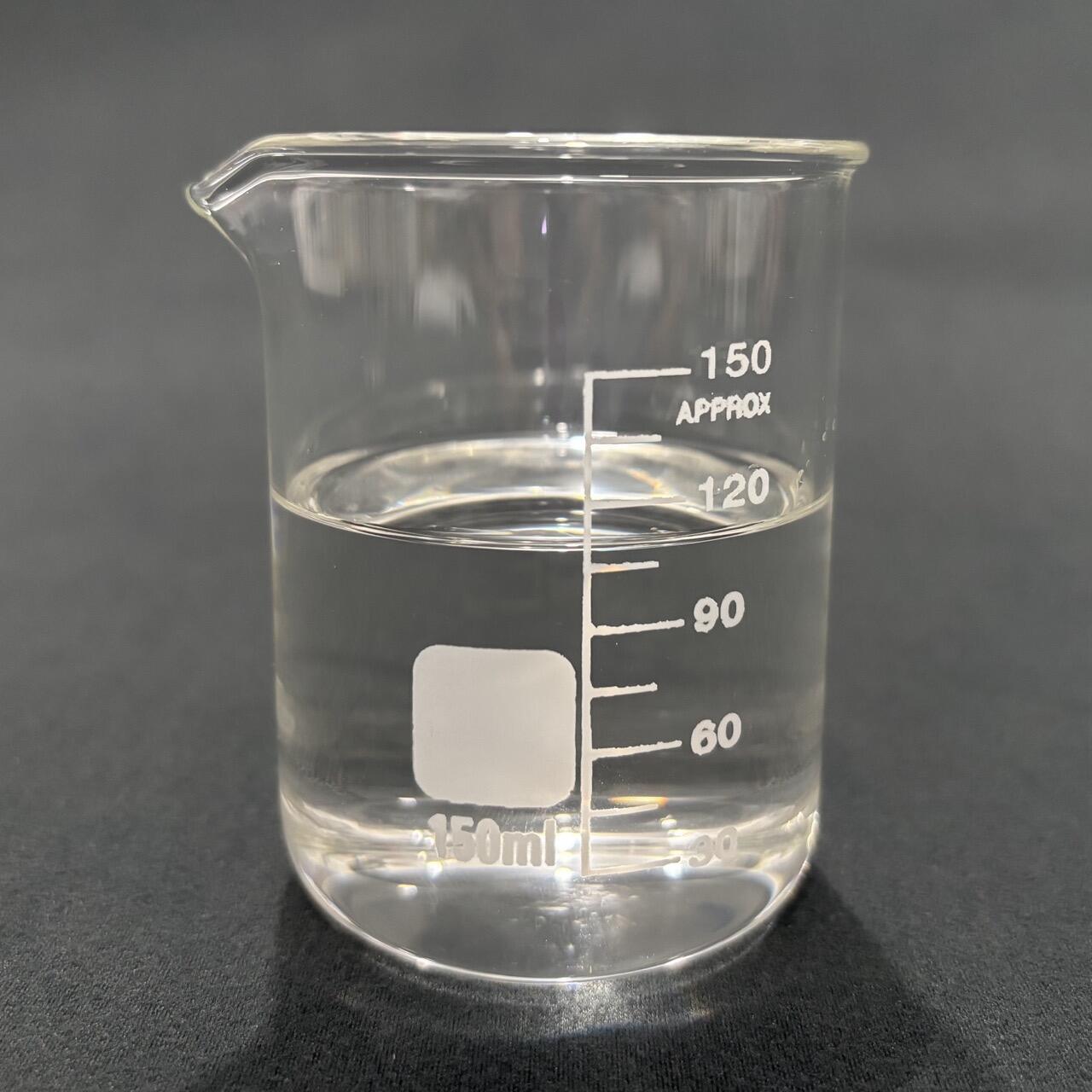
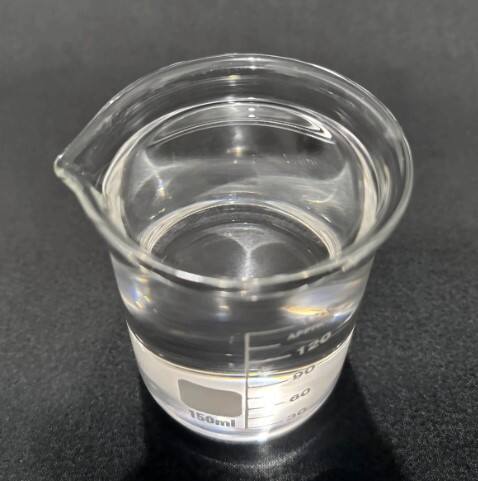
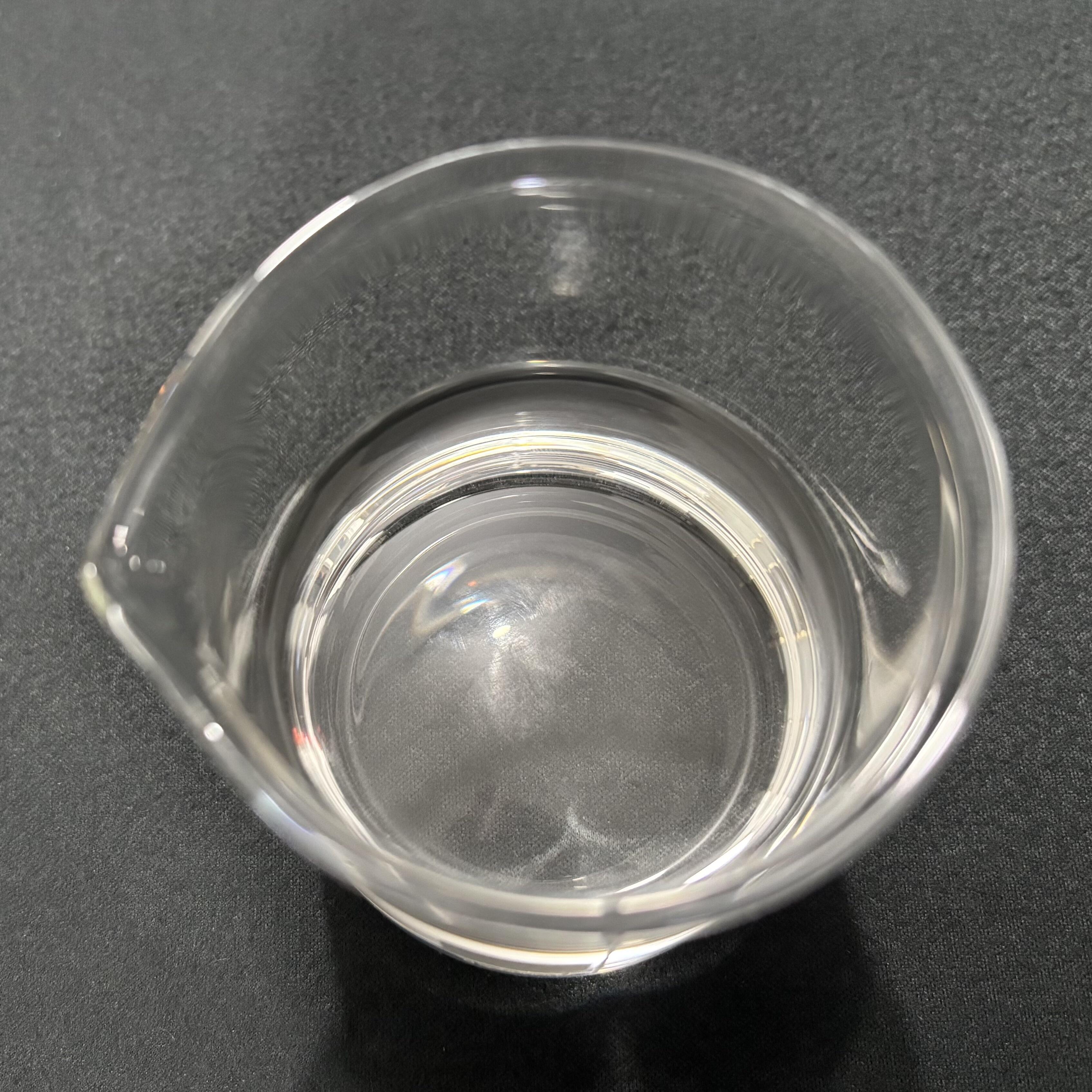
China silicone fluid represents a revolutionary advancement in synthetic polymer technology, offering exceptional versatility and performance across multiple industrial applications. This specialized material, also known as polydimethylsiloxane (PDMS), is manufactured through advanced polymerization processes that create a unique molecular structure with remarkable properties. The china silicone fluid demonstrates outstanding thermal stability, maintaining its functional characteristics across temperature ranges from -65°C to 250°C, making it suitable for extreme environmental conditions. Its chemical inertness ensures compatibility with various substances while resisting degradation from UV radiation, ozone, and aggressive chemicals. The fluid exhibits excellent dielectric properties with high electrical resistivity, making it ideal for electronic applications requiring insulation and protection. One of the most notable technological features of china silicone fluid is its low surface tension, which enables superior wetting and spreading capabilities on various substrates. This characteristic, combined with its non-toxic nature and biocompatibility, makes it particularly valuable in medical and pharmaceutical applications. The fluid's viscosity can be precisely controlled during manufacturing, ranging from ultra-low viscosity variants suitable for penetrating applications to high-viscosity formulations for protective coatings. Manufacturing processes for china silicone fluid incorporate advanced quality control systems ensuring consistent molecular weight distribution and purity levels. The applications for china silicone fluid span numerous industries including automotive, aerospace, electronics, textiles, construction, and healthcare. In automotive applications, it serves as a release agent, lubricant, and protective coating for various components. The aerospace industry utilizes china silicone fluid for hydraulic systems, sealants, and insulating materials due to its exceptional temperature resistance and reliability. Electronic manufacturers depend on this fluid for potting compounds, conformal coatings, and thermal interface materials that protect sensitive components while maintaining optimal performance.

 EN
EN