Microsphere Blowing Agents: Advanced Foam Technology for Enhanced Manufacturing Efficiency

All Categories

Get a Free Quote

Our representative will contact you soon.
Email
Name
Company Name
Whatsapp
Message
0/1000

microsphere blowing agents

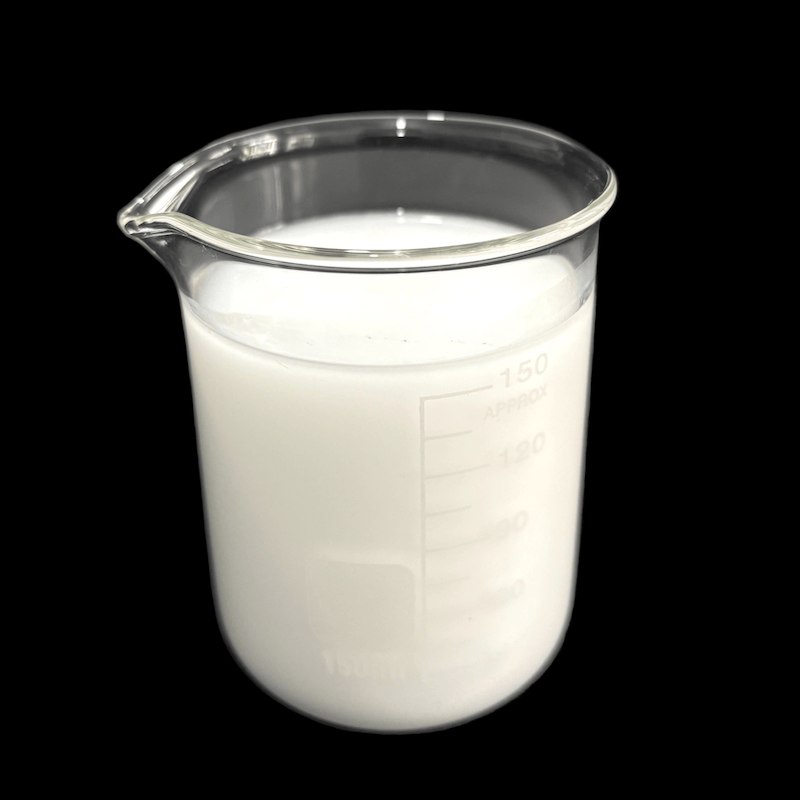
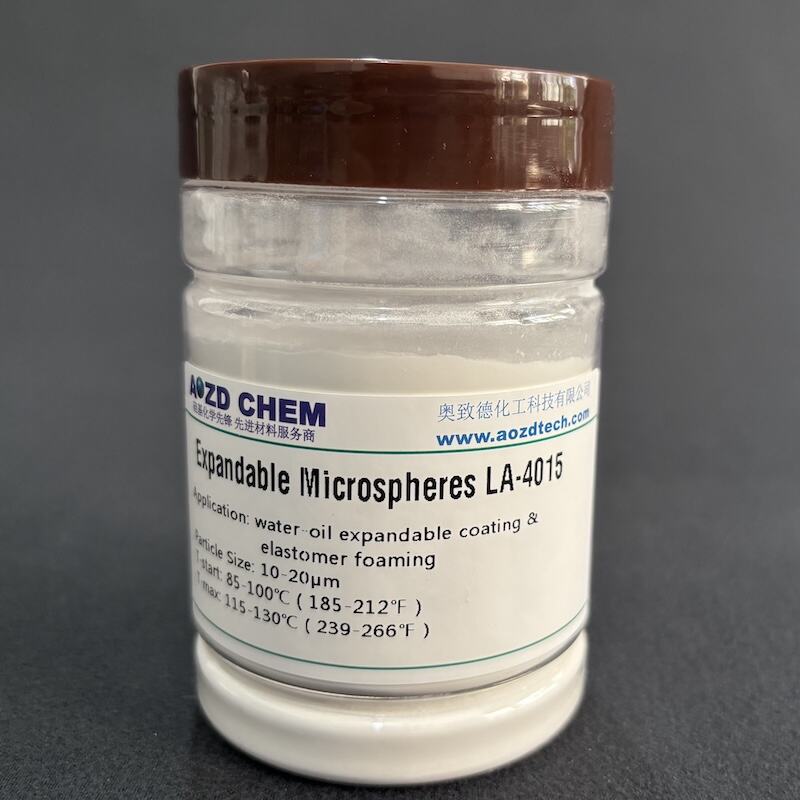
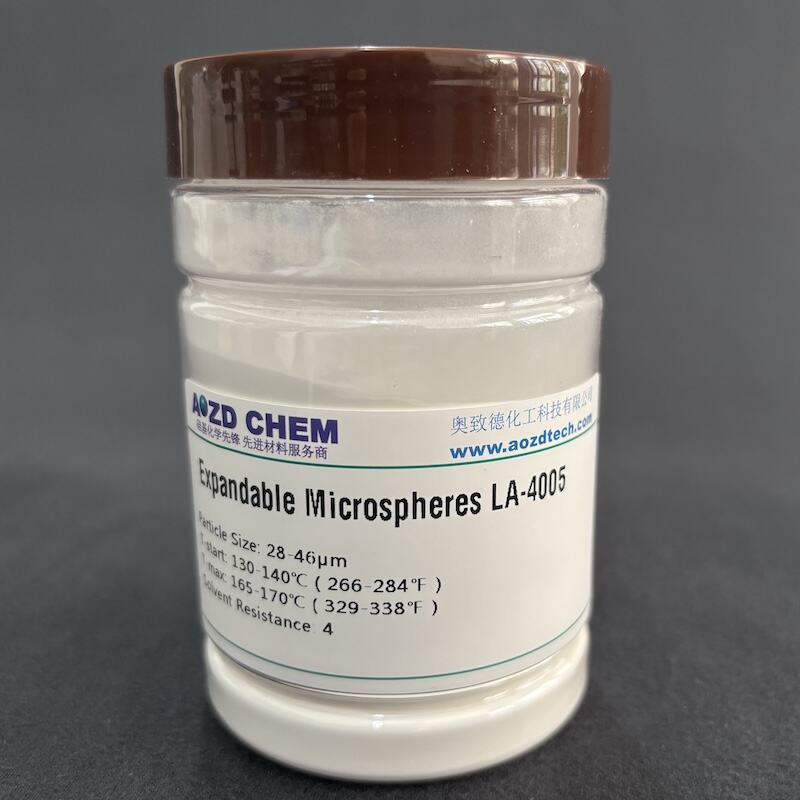
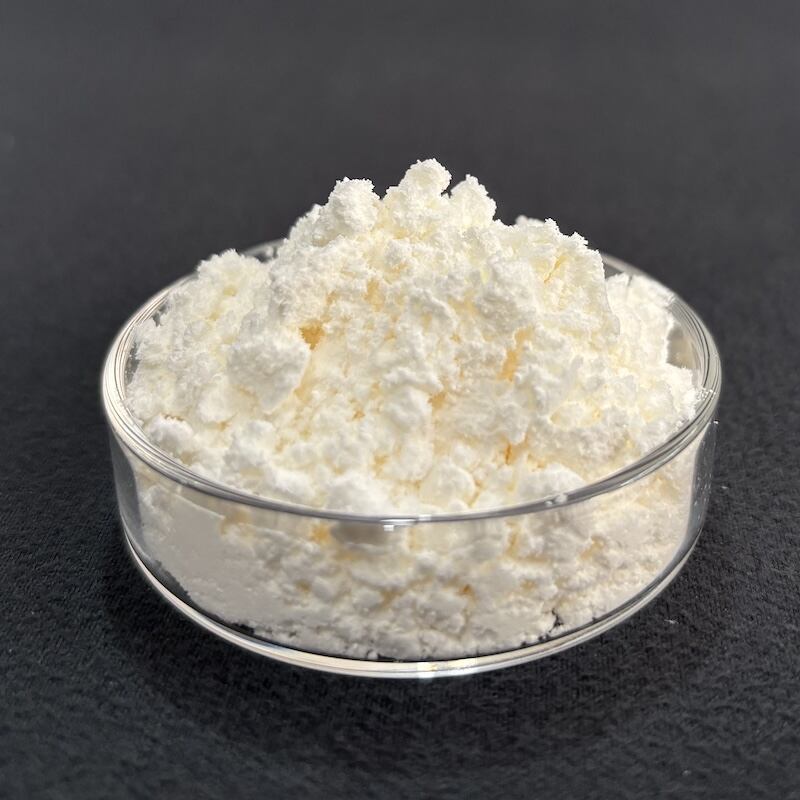
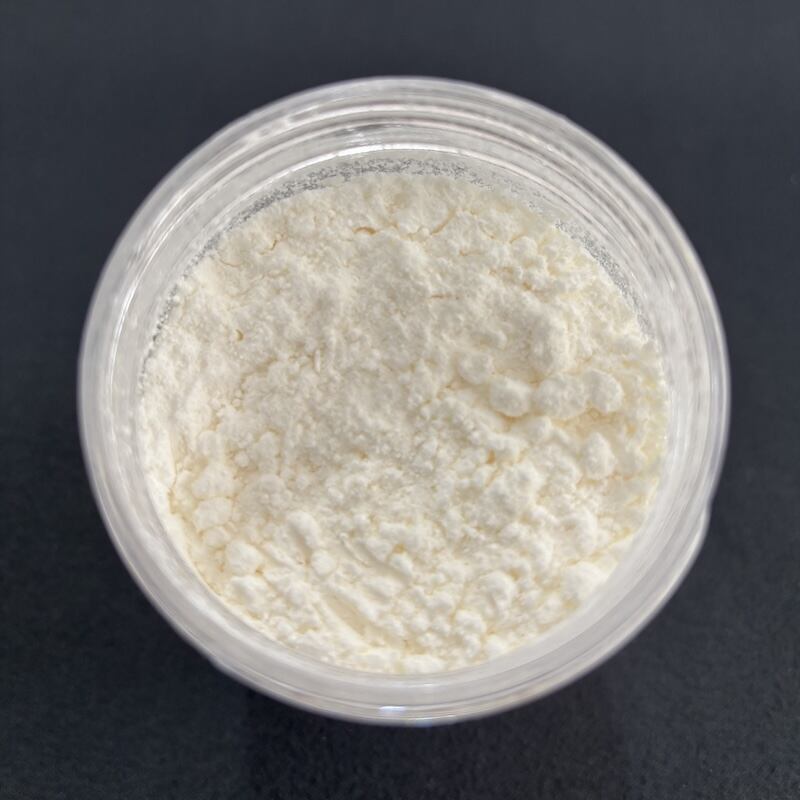
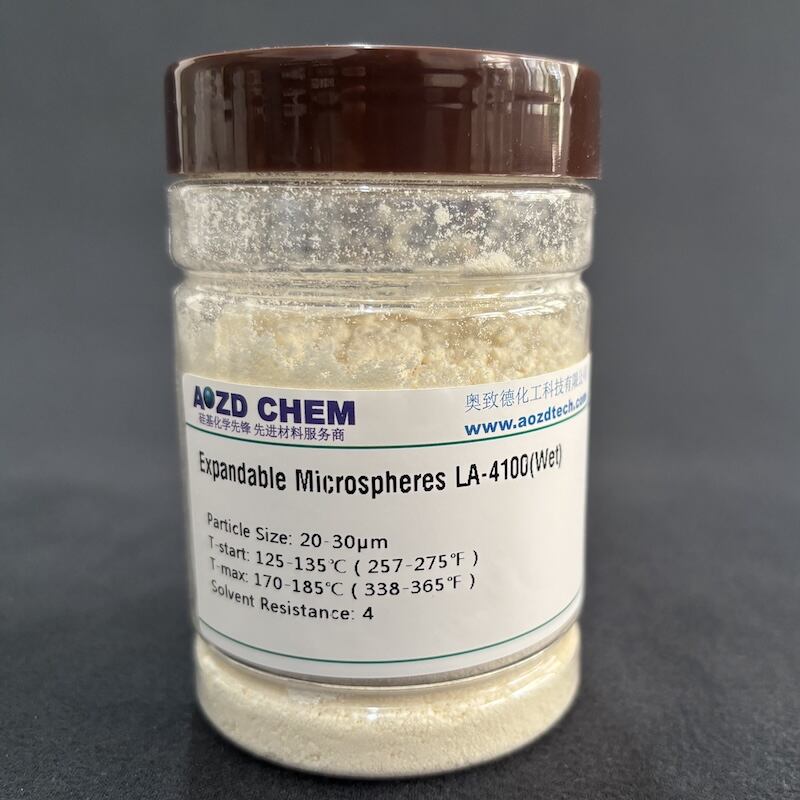
Microsphere blowing agents represent a revolutionary advancement in foam manufacturing technology, offering manufacturers unprecedented control over cellular structure formation in various materials. These sophisticated chemical compounds function as expansion agents that create uniform, controlled cellular structures within polymers, plastics, and other materials during processing. The primary mechanism involves thermal decomposition at specific temperatures, releasing gases that form microscopic bubbles throughout the material matrix. This process transforms solid materials into lightweight, expanded products with enhanced properties and reduced material consumption. The technology behind microsphere blowing agents centers on their ability to decompose at predetermined activation temperatures, typically ranging from 150°C to 220°C depending on the specific formulation. During decomposition, these agents release nitrogen gas in a controlled manner, creating spherical voids that maintain structural integrity while significantly reducing density. The resulting cellular structure exhibits excellent dimensional stability, improved insulation properties, and enhanced processing characteristics. Modern microsphere blowing agents incorporate advanced stabilization systems that prevent premature activation during storage and handling while ensuring consistent performance during manufacturing. These systems include specialized coating technologies that protect the active components until optimal processing conditions are achieved. The particle size distribution of microsphere blowing agents plays a crucial role in determining final product characteristics, with typical sizes ranging from 10 to 50 microns for optimal dispersion and activation. Applications span across industries including automotive manufacturing, construction materials, packaging, footwear production, and electronics. In automotive applications, microsphere blowing agents enable the production of lightweight interior components, reducing vehicle weight while maintaining safety standards. Construction industry utilizes these agents for creating insulation materials, sealants, and lightweight concrete alternatives. The packaging sector benefits from reduced material usage while maintaining protective properties, contributing to sustainability goals and cost reduction initiatives.


New Product Recommendations

Microsphere blowing agents deliver exceptional cost savings through reduced raw material consumption, enabling manufacturers to decrease material usage by up to 40 percent while maintaining product performance standards. This reduction translates directly into lower production costs and improved profit margins across manufacturing operations. The weight reduction capabilities of microsphere blowing agents provide significant advantages in transportation-sensitive industries, where every gram saved contributes to fuel efficiency and reduced shipping costs. Manufacturers consistently report material cost reductions of 20-35 percent when implementing these advanced blowing agents in their production processes. The uniform cellular structure created by microsphere blowing agents enhances product quality through improved dimensional stability and consistent physical properties. Unlike traditional blowing agents that can create irregular cell structures, microsphere technology ensures predictable expansion rates and controlled density distribution throughout the finished product. This consistency eliminates quality variations and reduces waste from defective products, further contributing to cost savings and customer satisfaction. Processing efficiency improvements represent another significant advantage, as microsphere blowing agents activate at precise temperatures, allowing manufacturers to optimize production cycles and reduce energy consumption. The controlled activation prevents over-expansion or under-expansion issues that commonly occur with conventional blowing agents, resulting in more predictable manufacturing outcomes. Environmental benefits include reduced carbon footprint through decreased material usage and improved recyclability of expanded products. The nitrogen gas released during activation is completely inert and environmentally safe, eliminating concerns about harmful emissions or residual chemicals in finished products. Manufacturers appreciate the simplified handling and storage requirements of microsphere blowing agents, which remain stable under normal conditions and do not require special atmospheric controls or refrigeration. The extended shelf life of these products reduces inventory management complexities and minimizes waste from expired materials. Versatility across multiple polymer systems allows manufacturers to standardize their blowing agent inventory while serving diverse product lines. Microsphere blowing agents demonstrate excellent compatibility with polyethylene, polypropylene, PVC, polystyrene, and numerous other polymer systems, simplifying procurement and reducing the need for multiple specialized products. Quality improvements extend to enhanced surface finish characteristics, as the controlled expansion process reduces surface defects and improves aesthetic properties of molded parts.

Tips And Tricks

How Vortex Spinning Oil Enhances Fiber Production

26

Nov

How Vortex Spinning Oil Enhances Fiber Production

Introduction Oils are essential in the textile manufacturing process, helping fibers move smoothly through machinery and ultimately producing better quality fabric. Of all the different types available, Vortex Spinning Oil has become something of a ...
View More
Unlocking Potential: The Power of Additives in Modern Manufacturing

26

Nov

Unlocking Potential: The Power of Additives in Modern Manufacturing

Understanding Additives in Modern Manufacturing Additives play a vital role in modern manufacturing processes across various industries. They're basically substances mixed into materials to boost performance in ways the base material just can't do o...
View More
Top 10 FAQs: Everything You Need to Know About Expandable Microspheres

26

Nov

Top 10 FAQs: Everything You Need to Know About Expandable Microspheres

What Are Expandable Microspheres Expandable microspheres stand out as special materials basically made up of tiny hollow balls that get much bigger when they meet heat. What makes them work so well is their clever construction with a thin polymer sh...
View More
What Leather Additives Work Best with Pigmented Finishes?

08

Jan

What Leather Additives Work Best with Pigmented Finishes?

The leather industry relies heavily on specialized chemical formulations to achieve desired aesthetic and functional properties in finished products. When working with pigmented finishes, selecting appropriate leather additives becomes crucial for ac...
View More

Get a Free Quote

Our representative will contact you soon.
Email
Name
Company Name
Whatsapp
Message
0/1000

microsphere blowing agents

Advanced Temperature Control Technology

Advanced Temperature Control Technology

The sophisticated temperature activation system of microsphere blowing agents represents a breakthrough in controlled expansion technology, offering manufacturers unprecedented precision in foam structure development. This advanced system operates through carefully engineered thermal decomposition mechanisms that activate at specific temperature thresholds, typically between 150°C and 220°C, depending on the formulation requirements. The precision of this activation temperature ensures that expansion occurs exactly when needed during the manufacturing process, preventing premature activation during material handling or storage phases. This temperature control technology incorporates multiple layers of thermal protection, including specialized polymer coatings that act as barriers until optimal processing conditions are achieved. The engineering behind this system involves sophisticated chemical formulations that balance stability during storage with reliable activation during processing, ensuring consistent performance across diverse manufacturing environments. Manufacturers benefit significantly from this precise temperature control because it eliminates the guesswork traditionally associated with blowing agent activation, allowing for reproducible results and consistent product quality. The system responds predictably to temperature changes, enabling process engineers to fine-tune expansion characteristics by adjusting processing temperatures within narrow ranges. This level of control translates into improved product uniformity, reduced waste from processing variations, and enhanced ability to meet tight specification requirements. The advanced temperature control also enables multi-stage expansion processes, where different temperature zones can activate expansion at various points during manufacturing, creating complex cellular structures with tailored properties. This capability is particularly valuable in applications requiring gradient density profiles or specialized performance characteristics in different product regions. Quality assurance benefits include reduced variability in expansion ratios, more consistent cell size distribution, and improved dimensional stability in finished products, all contributing to enhanced customer satisfaction and reduced warranty claims.
Superior Cellular Structure Formation

Superior Cellular Structure Formation

Microsphere blowing agents excel in creating uniform, closed-cell structures that deliver exceptional performance characteristics across diverse applications. The cellular formation process begins with the controlled decomposition of microsphere particles, which release nitrogen gas in precisely measured quantities to create spherical voids throughout the material matrix. This controlled expansion mechanism ensures that cell walls maintain optimal thickness and strength, preventing collapse or irregular formation that can compromise product integrity. The resulting cellular architecture exhibits superior compressive strength, excellent thermal insulation properties, and enhanced dimensional stability compared to products created with conventional blowing agents. The science behind superior cellular formation lies in the engineered particle size distribution and activation kinetics of microsphere blowing agents, which promote nucleation at optimal densities throughout the material. This nucleation control prevents the formation of large, irregular cells that can create weak points or inconsistent properties in the finished product. Instead, the uniform distribution of microsphere particles creates countless nucleation sites that develop into consistently sized cells with strong interconnecting structures. Manufacturers benefit from this superior cellular formation through improved product performance, reduced material usage, and enhanced processing efficiency. The closed-cell structure created by microsphere blowing agents provides excellent barrier properties, making products suitable for applications requiring moisture resistance, chemical compatibility, or thermal insulation. The uniform cell size distribution also contributes to predictable mechanical properties, allowing engineers to design products with confidence in performance characteristics. Processing advantages include reduced cycle times due to more efficient heat transfer through the cellular structure, improved surface finish quality, and reduced sink marks or surface defects common with solid materials. The cellular formation process also enables the production of thicker sections without the internal stresses and cooling issues typically associated with solid plastic components, expanding design possibilities for manufacturers and improving product functionality for end users.
Enhanced Processing Efficiency and Cost Reduction

Enhanced Processing Efficiency and Cost Reduction

Microsphere blowing agents revolutionize manufacturing efficiency by streamlining production processes while simultaneously reducing operational costs across multiple aspects of manufacturing operations. The efficiency gains begin with simplified material handling, as microsphere blowing agents integrate seamlessly into existing production equipment without requiring specialized mixing or feeding systems. This compatibility eliminates the need for costly equipment modifications or additional processing steps, allowing manufacturers to implement the technology quickly and cost-effectively. The controlled activation characteristics of microsphere blowing agents enable optimized processing cycles, reducing energy consumption through lower processing temperatures and shorter cycle times. Manufacturers typically experience energy savings of 15-25 percent when switching from traditional blowing agents to microsphere technology, contributing significantly to operational cost reduction and environmental sustainability goals. The predictable expansion behavior eliminates the need for extensive process adjustments and reduces setup time for new products or material changes. Quality improvements directly impact cost reduction through decreased waste generation and reduced rejection rates. The consistent performance of microsphere blowing agents minimizes variations in product dimensions, surface quality, and physical properties, resulting in higher first-pass yield rates and reduced rework requirements. Manufacturers report scrap reduction of up to 30 percent when implementing microsphere blowing agents, translating directly into material cost savings and improved profitability. Inventory management benefits include simplified material handling and reduced storage requirements, as the stability and long shelf life of microsphere blowing agents eliminate the need for specialized storage conditions or frequent inventory turnover. The versatility of these agents across multiple polymer systems allows manufacturers to consolidate their blowing agent inventory, reducing purchasing complexity and achieving better volume discounts. Processing flexibility enables manufacturers to adjust product characteristics without changing materials, allowing for rapid response to customer requirements and market demands. This adaptability reduces the need for multiple product formulations and simplifies production planning, contributing to overall operational efficiency and responsiveness to market opportunities.

Get a Free Quote

Our representative will contact you soon.
Email
Name
Company Name
Whatsapp
Message
0/1000