Physical Blowing Agents: Advanced Foam Manufacturing Solutions for Sustainable Production

All Categories

Get a Free Quote

Our representative will contact you soon.
Email
Name
Company Name
Whatsapp
Message
0/1000

physical blowing agents

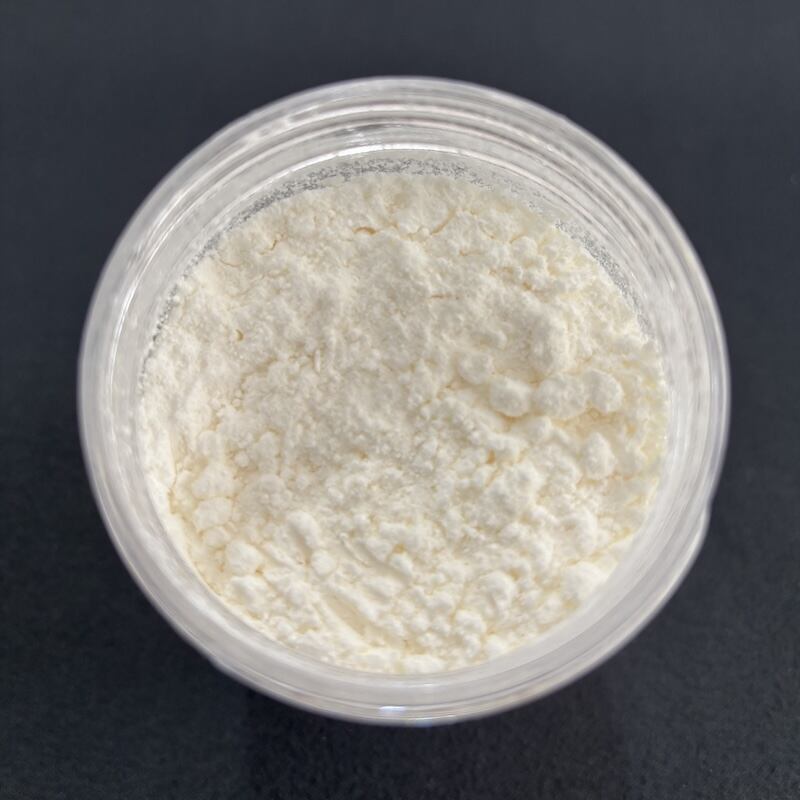
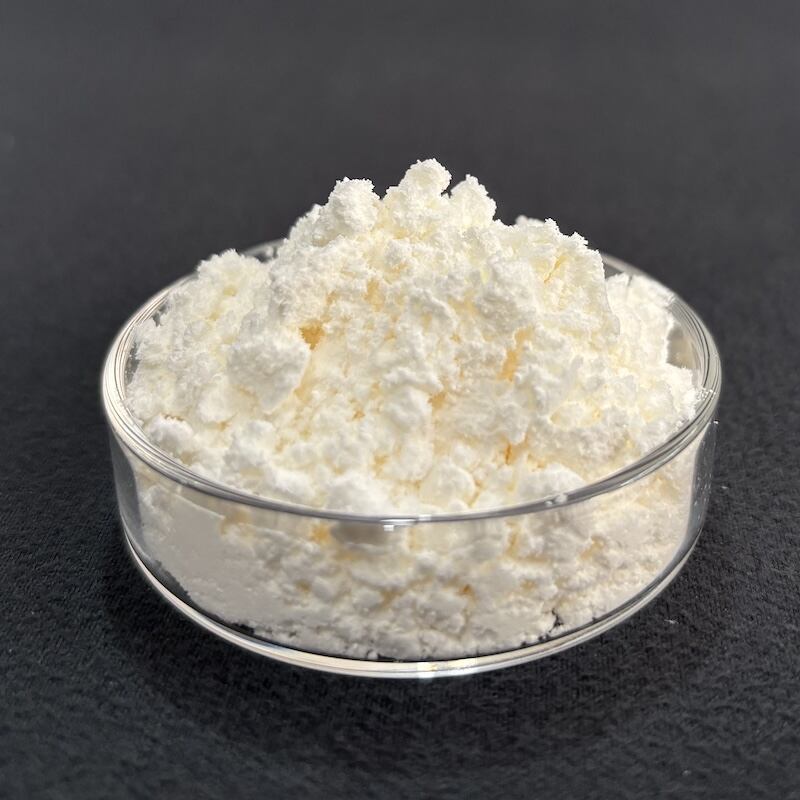
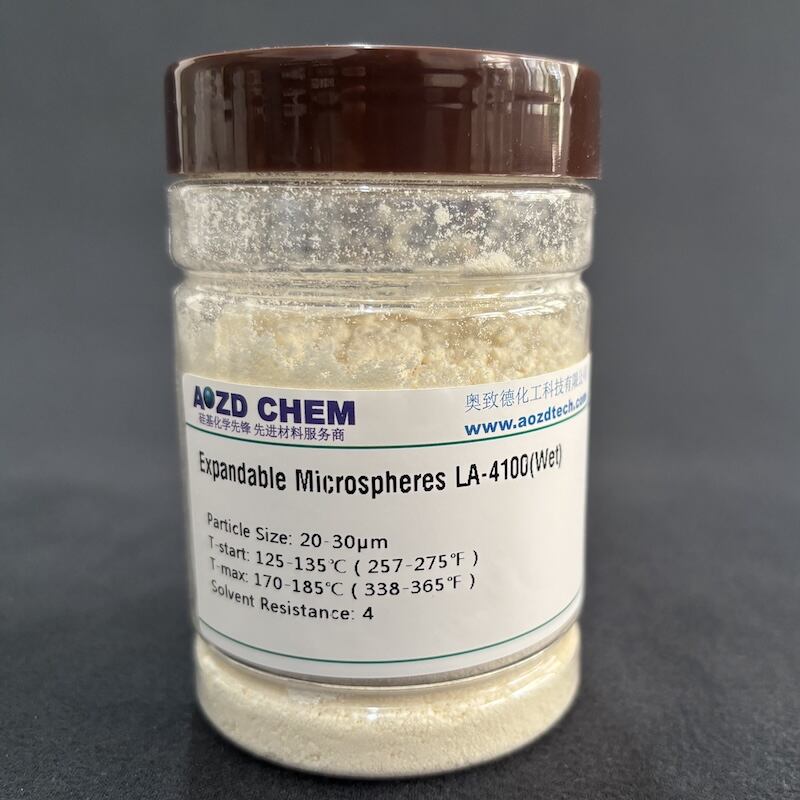
Physical blowing agents represent a cornerstone technology in foam manufacturing, serving as essential compounds that create cellular structures within polymeric materials through purely physical processes. These specialized substances function by expanding when exposed to heat during processing, generating gas bubbles that form the characteristic porous structure of foamed materials. Unlike chemical alternatives, physical blowing agents maintain their molecular integrity throughout the foaming process, relying on phase transitions such as vaporization or sublimation to achieve expansion. The primary function of physical blowing agents centers on creating controlled porosity within materials, enabling manufacturers to reduce density while maintaining structural integrity. This process involves careful temperature and pressure management, where the agent exists in liquid form under processing conditions and rapidly transitions to gas when conditions change. The technological features of physical blowing agents include precise expansion ratios, predictable activation temperatures, and excellent compatibility with various polymer systems. Modern formulations offer exceptional control over cell structure, allowing engineers to fine-tune properties such as cell size distribution, foam density, and mechanical characteristics. Advanced physical blowing agents demonstrate superior environmental profiles compared to traditional alternatives, featuring zero ozone depletion potential and minimal global warming impact. The applications for physical blowing agents span numerous industries, including automotive manufacturing for lightweight components, construction materials for insulation systems, packaging solutions for protective applications, and consumer goods requiring specific density characteristics. In automotive applications, these agents enable production of lightweight interior panels and structural components that reduce vehicle weight while maintaining safety standards. Construction industry utilization focuses on creating high-performance insulation materials that improve energy efficiency in buildings. The packaging sector leverages physical blowing agents to produce protective foams that safeguard sensitive products during transportation. Each application benefits from the precise control and environmental advantages that physical blowing agents provide over conventional foaming technologies.


New Products

Physical blowing agents deliver exceptional value through their environmentally responsible formulation that eliminates harmful emissions during production processes. These advanced compounds operate without releasing toxic substances or contributing to atmospheric pollution, making them ideal choices for manufacturers seeking sustainable production methods. The environmental benefits extend beyond immediate processing, as physical blowing agents break down naturally without leaving persistent residues in finished products. Companies utilizing these agents can confidently market their products as environmentally friendly while meeting increasingly strict regulatory requirements worldwide. The economic advantages of physical blowing agents become apparent through reduced material consumption and improved production efficiency. These agents enable manufacturers to achieve desired foam properties using smaller quantities compared to traditional alternatives, directly reducing raw material costs. Processing efficiency increases significantly because physical blowing agents require less energy for activation and provide more consistent results across production runs. Quality control becomes simpler as these agents offer predictable performance characteristics that minimize waste and rework expenses. The versatility of physical blowing agents allows manufacturers to optimize formulations for specific applications without compromising performance. This flexibility enables cost-effective production of diverse product lines using standardized equipment and processes. Performance benefits of physical blowing agents include superior cell structure uniformity that translates into consistent mechanical properties throughout finished products. The controlled expansion process creates optimal pore distribution, resulting in materials with enhanced strength-to-weight ratios and improved thermal insulation characteristics. These agents maintain stability under various processing conditions, ensuring reliable performance even in challenging manufacturing environments. The absence of chemical reactions during foaming prevents unwanted byproducts that could affect material properties or create processing complications. Temperature sensitivity can be precisely calibrated to match specific processing requirements, allowing manufacturers to optimize production parameters for maximum efficiency. Storage and handling advantages make physical blowing agents practical choices for manufacturing facilities of all sizes. These compounds remain stable under normal storage conditions without requiring special atmospheric controls or temperature management systems. The non-reactive nature eliminates concerns about chemical compatibility with other production materials, simplifying inventory management and reducing safety protocols. Workplace safety improves significantly when using physical blowing agents because they generate no hazardous fumes or require extensive ventilation systems during processing.

Latest News

High-End Leather Feel Modifiers: Enhancing Product Appeal

26

Nov

High-End Leather Feel Modifiers: Enhancing Product Appeal

Understanding High-End Leather Feel Modifiers Leather feel modifiers for high end products are basically special treatments that get applied to leather goods to make them nicer to touch and look at overall. These treatments really bump up how good q...
View More
How Expandable Microspheres Revolutionize Material Science

26

Nov

How Expandable Microspheres Revolutionize Material Science

Understanding Expandable Microspheres in Material Science Expandable microspheres consist of tiny polymer particles capable of expanding when heated. When this happens, it creates materials that weigh less while still providing good insulation again...
View More
Unlocking Versatility: The Power of Silicone Emulsions in Industry

26

Nov

Unlocking Versatility: The Power of Silicone Emulsions in Industry

Understanding Silicone Emulsions Silicone emulsions basically consist of silicone polymers blended with water, making them pretty important across many different industries. We find these emulsions everywhere really, in everything from makeup produc...
View More
How to Apply Spinning Oil for Uniform Coverage in High-Speed Machines

02

Dec

How to Apply Spinning Oil for Uniform Coverage in High-Speed Machines

Achieving uniform coverage of spinning oil across high-speed textile machinery represents one of the most critical factors in maintaining optimal fiber processing conditions. The precision required for proper oil application directly impacts yarn qua...
View More

Get a Free Quote

Our representative will contact you soon.
Email
Name
Company Name
Whatsapp
Message
0/1000

physical blowing agents

Exceptional Environmental Performance and Sustainability

Exceptional Environmental Performance and Sustainability

Physical blowing agents represent the pinnacle of sustainable foaming technology, delivering unmatched environmental performance that addresses growing concerns about industrial impact on global ecosystems. These innovative compounds achieve zero ozone depletion potential through their carefully engineered molecular structures that remain inert in atmospheric conditions. Unlike traditional chemical foaming agents that release harmful substances during decomposition, physical blowing agents maintain molecular stability throughout their lifecycle, preventing the formation of toxic byproducts that could contaminate air or water systems. The sustainability profile extends to manufacturing processes where physical blowing agents eliminate the need for complex emission control systems typically required with chemical alternatives. Production facilities can significantly reduce their environmental footprint by adopting these agents, as they require minimal energy for activation and generate no hazardous waste streams during processing. Regulatory compliance becomes effortless as physical blowing agents meet or exceed international environmental standards, including REACH regulations in Europe and EPA guidelines in North America. Companies implementing these agents can confidently pursue green building certifications and environmental management system accreditations without concerns about their foaming processes creating compliance issues. The carbon footprint reduction achieved through physical blowing agents stems from their efficient expansion characteristics that require lower processing temperatures and shorter cycle times compared to conventional methods. This efficiency translates into reduced energy consumption across manufacturing operations, contributing to corporate sustainability goals while simultaneously lowering operational costs. End-of-life considerations further highlight the environmental advantages, as products manufactured with physical blowing agents can be recycled more easily due to the absence of chemical residues that complicate material recovery processes. The biodegradability characteristics ensure that even when products reach disposal, they break down naturally without leaving persistent environmental contaminants. Forward-thinking manufacturers recognize that adopting physical blowing agents positions them advantageously for future environmental regulations while meeting current consumer demands for sustainable products.
Superior Processing Efficiency and Cost Optimization

Superior Processing Efficiency and Cost Optimization

Physical blowing agents revolutionize manufacturing efficiency by streamlining production processes while simultaneously reducing operational costs across multiple parameters. These advanced compounds eliminate the complexity associated with chemical foaming systems, requiring no catalyst preparation or precise timing of chemical reactions that can disrupt production schedules. The simplification extends to equipment requirements, as physical blowing agents work effectively with standard processing machinery without necessitating specialized injection systems or reaction chambers. Temperature control becomes significantly more manageable because physical blowing agents activate at predetermined temperatures that can be precisely controlled through existing heating systems, eliminating guesswork and reducing the likelihood of processing errors. Cycle time optimization represents one of the most compelling advantages, as physical blowing agents enable faster production rates through their rapid and complete expansion characteristics. Unlike chemical systems that require extended reaction periods, physical agents achieve full expansion almost instantaneously upon reaching activation temperature, allowing manufacturers to increase throughput without compromising product quality. Quality consistency improves dramatically because physical blowing agents provide uniform cell structure formation that remains consistent across production runs, reducing rejection rates and minimizing material waste. The predictable nature of physical expansion eliminates the variability often associated with chemical reactions that can be influenced by ambient conditions or material batch variations. Inventory management simplifies considerably as physical blowing agents maintain stable properties during extended storage periods, reducing the risk of material degradation that forces premature replacement of unused stock. The single-component nature of most physical blowing agents eliminates the complexity of managing multiple chemical components that must be mixed in precise ratios, reducing the potential for human error and simplifying operator training requirements. Maintenance requirements decrease substantially because physical blowing agents do not leave chemical residues that can accumulate in processing equipment and cause performance degradation over time. This characteristic extends equipment lifespan while reducing downtime for cleaning and maintenance operations, contributing to improved overall equipment effectiveness and lower total cost of ownership for manufacturing facilities.
Exceptional Product Quality and Performance Characteristics

Exceptional Product Quality and Performance Characteristics

Physical blowing agents deliver superior product quality through their ability to create uniform cellular structures that enhance both mechanical properties and aesthetic appearance of finished products. The precision control offered by these agents enables manufacturers to achieve consistent cell size distribution, resulting in materials with predictable density gradients and optimized strength-to-weight ratios that meet exact specifications for demanding applications. The absence of chemical reactions during foaming prevents the formation of unwanted byproducts that could compromise material integrity or create weak points within the cellular structure. This purity ensures that finished products maintain their intended properties throughout their service life without degradation from residual chemicals or reaction byproducts. Surface quality improvements become immediately apparent in products manufactured with physical blowing agents, as the controlled expansion process minimizes surface defects such as flow marks or sink marks that commonly occur with chemical foaming systems. The uniform expansion characteristics create smooth, consistent surface finishes that require minimal post-processing, reducing manufacturing steps and associated costs while improving final product appearance. Mechanical property enhancement stems from the optimal cell structure achieved through physical expansion, which creates interconnected porosity that distributes stress more effectively than irregular cellular structures produced by chemical methods. This superior architecture results in improved impact resistance, better fatigue performance, and enhanced dimensional stability under varying environmental conditions. Thermal insulation properties reach peak efficiency due to the uniform cell distribution that minimizes thermal bridging and creates consistent air gaps throughout the material structure. These characteristics make products manufactured with physical blowing agents ideal for applications requiring precise thermal performance, such as building insulation or temperature-sensitive packaging. Dimensional accuracy becomes more achievable as physical blowing agents provide predictable shrinkage characteristics that can be compensated during mold design, ensuring final products meet tight tolerances without extensive trial-and-error development processes. The stability of physical blowing agents under processing conditions prevents unexpected expansion variations that could cause dimensional inconsistencies or require frequent process adjustments to maintain product specifications.

Get a Free Quote

Our representative will contact you soon.
Email
Name
Company Name
Whatsapp
Message
0/1000