Premium Plastic Blowing Agent Solutions - Advanced Foam Technology for Manufacturing Excellence

All Categories

Get a Free Quote

Our representative will contact you soon.
Email
Name
Company Name
Whatsapp
Message
0/1000

plastic blowing agent

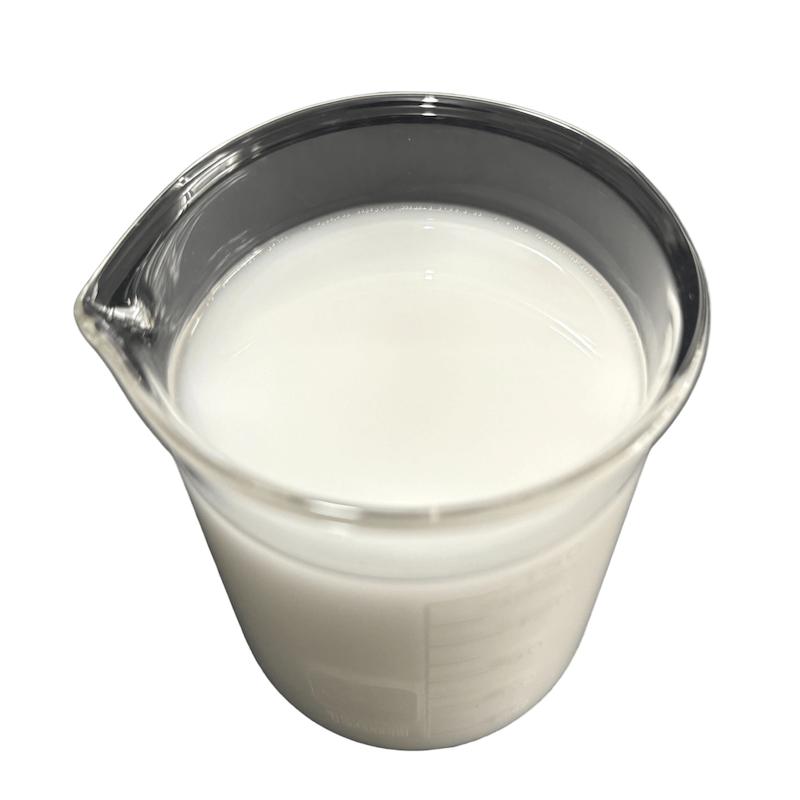
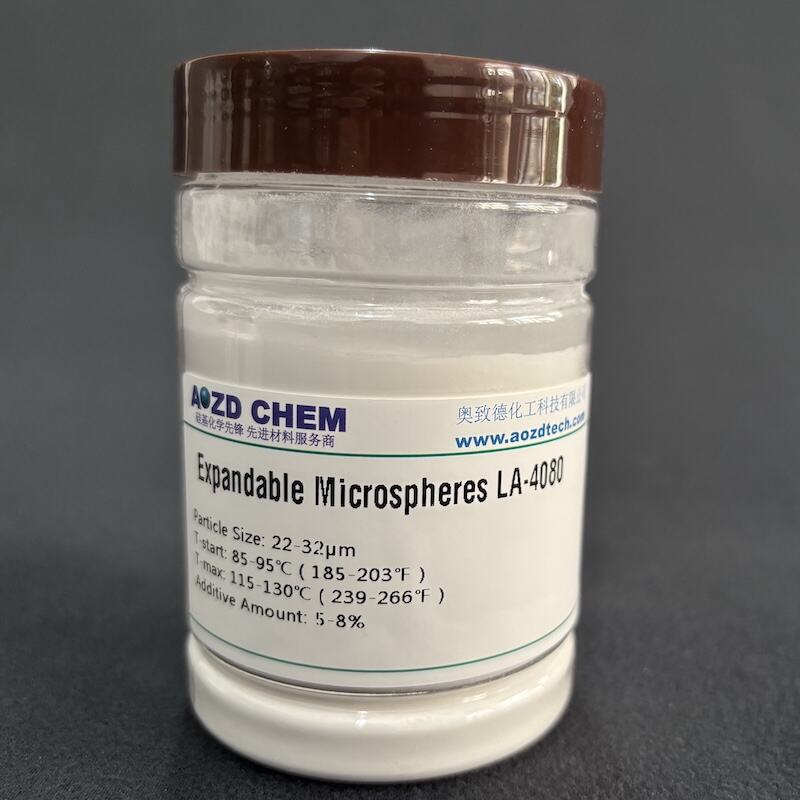
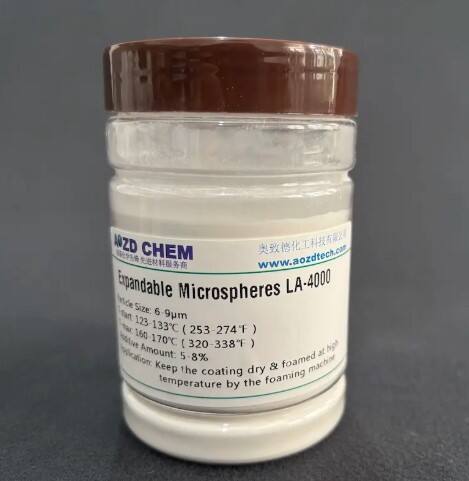
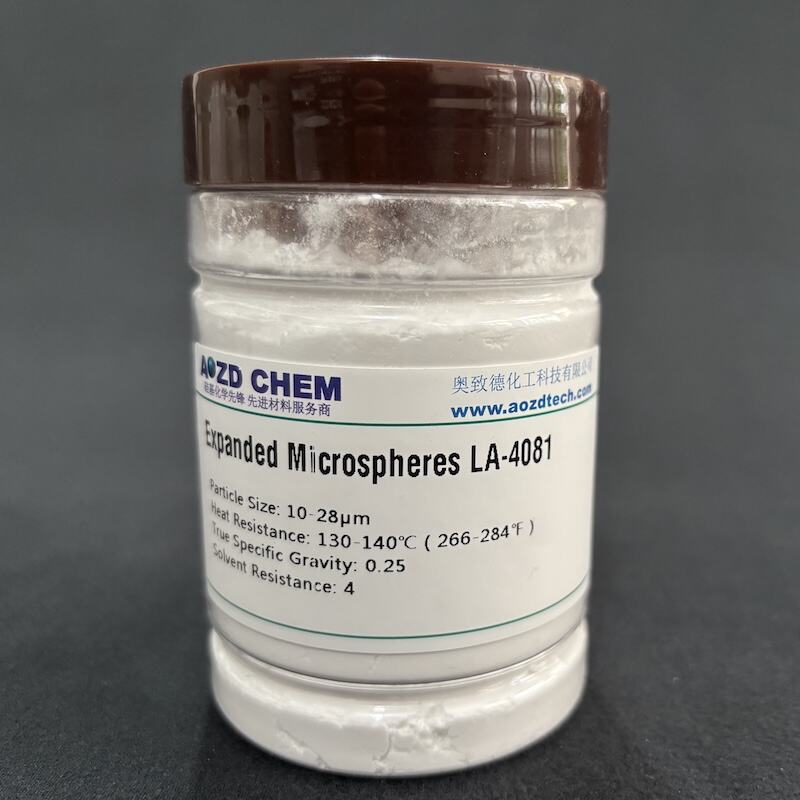
Plastic blowing agent represents a revolutionary chemical additive that transforms the manufacturing landscape of foam and cellular plastic products. This specialized compound creates controlled expansion within plastic materials during processing, enabling manufacturers to produce lightweight, insulated, and cost-effective products across numerous industries. The plastic blowing agent works by decomposing or vaporizing at specific temperatures, releasing gases that form uniform cellular structures throughout the plastic matrix. Modern plastic blowing agent formulations utilize advanced chemical engineering to deliver precise control over cell size, density, and distribution, ensuring consistent product quality and performance characteristics. The technology behind plastic blowing agent systems has evolved significantly, incorporating environmentally conscious alternatives that maintain superior performance while reducing environmental impact. These agents operate through thermal activation, where controlled heating triggers the release of expanding gases such as nitrogen, carbon dioxide, or water vapor. The resulting cellular structure provides enhanced insulation properties, reduced material consumption, and improved strength-to-weight ratios. Manufacturing processes benefit from plastic blowing agent integration through streamlined production cycles, reduced energy consumption, and enhanced material utilization efficiency. The versatility of plastic blowing agent technology extends across thermoplastic and thermoset applications, accommodating diverse processing methods including injection molding, extrusion, and compression molding. Quality control systems ensure that plastic blowing agent performance remains consistent across production runs, delivering reliable expansion rates and cellular morphology. Advanced formulations incorporate stabilizers and processing aids that optimize the plastic blowing agent activation temperature, expansion ratio, and cell structure uniformity. The economic advantages of implementing plastic blowing agent technology include significant material savings, reduced shipping costs due to lighter products, and enhanced thermal performance that meets stringent energy efficiency requirements in construction and automotive applications.


New Product Recommendations

Plastic blowing agent technology delivers substantial cost savings by reducing raw material consumption while maintaining structural integrity and performance standards. Manufacturers experience immediate economic benefits as the plastic blowing agent creates cellular structures that use less base polymer material, resulting in lighter products without compromising strength or durability. The weight reduction achieved through plastic blowing agent implementation translates directly into lower transportation costs, reduced shipping expenses, and easier handling throughout the supply chain. Energy efficiency improvements represent another significant advantage, as products manufactured with plastic blowing agent exhibit superior thermal insulation properties that help buildings and appliances meet energy conservation requirements. The plastic blowing agent process enhances manufacturing efficiency by enabling faster production cycles and reducing processing temperatures in many applications. Quality consistency becomes achievable through precise plastic blowing agent formulations that deliver predictable expansion rates and uniform cellular structures across production batches. Environmental benefits emerge from reduced material usage and improved energy performance of end products, supporting sustainability initiatives and regulatory compliance requirements. The versatility of plastic blowing agent systems allows manufacturers to customize product properties by adjusting expansion ratios, cell sizes, and density profiles to meet specific application requirements. Processing flexibility increases as plastic blowing agent technology adapts to various manufacturing methods, equipment configurations, and production scales without requiring extensive facility modifications. Improved product performance characteristics include enhanced impact resistance, better dimensional stability, and superior noise dampening properties compared to solid plastic alternatives. The plastic blowing agent activation process creates uniform cellular structures that distribute stress more effectively, resulting in products with improved fatigue resistance and longer service life. Market competitiveness improves as manufacturers using plastic blowing agent technology can offer lighter, more efficient products at competitive prices while maintaining profit margins. Research and development continues advancing plastic blowing agent formulations, introducing new chemistry options that expand application possibilities and performance capabilities. The scalability of plastic blowing agent production processes enables manufacturers to adjust output volumes efficiently, responding to market demands without significant infrastructure investments. Quality control becomes more manageable with modern plastic blowing agent systems that provide consistent activation temperatures and expansion characteristics, reducing variability and production waste.

Tips And Tricks

Choosing the Right Additives for Your Project

26

Nov

Choosing the Right Additives for Your Project

Understanding the Role of Additives in Projects Additives really make a difference when it comes to boosting how well things perform and last longer in all sorts of applications. These little helpers get used throughout different sectors to tweak st...
View More
How Do Expancel Microspheres Improve Surface Texture

02

Dec

How Do Expancel Microspheres Improve Surface Texture

Surface texture plays a crucial role in determining the performance, aesthetics, and functionality of countless industrial products. From automotive coatings to consumer electronics, the ability to achieve precise surface characteristics can make the...
View More
How Does Silicone Dispersion Improve Water Resistance in Coatings

02

Dec

How Does Silicone Dispersion Improve Water Resistance in Coatings

Water resistance stands as one of the most critical performance characteristics in modern coating applications across industries ranging from automotive to marine environments. Traditional coatings often struggle to maintain their protective properti...
View More
What Are the Environmental Concerns About Leather Chemicals?

08

Jan

What Are the Environmental Concerns About Leather Chemicals?

The leather industry has long been scrutinized for its environmental impact, particularly regarding the use of leather chemicals in processing and manufacturing. These chemicals, while essential for transforming raw hides into durable leather product...
View More

Get a Free Quote

Our representative will contact you soon.
Email
Name
Company Name
Whatsapp
Message
0/1000

plastic blowing agent

Advanced Thermal Management and Energy Efficiency

Advanced Thermal Management and Energy Efficiency

The thermal management capabilities of plastic blowing agent technology represent a transformative approach to creating energy-efficient products that meet modern sustainability standards. When plastic blowing agent activates during processing, it generates precisely controlled cellular structures that trap air within microscopic cells, creating exceptional thermal insulation properties that surpass traditional solid materials. This cellular architecture formed by plastic blowing agent decomposition provides thermal resistance values significantly higher than conventional plastic products, enabling manufacturers to produce building materials, appliance components, and automotive parts that contribute meaningfully to energy conservation efforts. The plastic blowing agent process creates closed-cell foam structures where individual cells remain isolated, preventing thermal bridging and maintaining consistent insulation performance over extended periods. Engineers specify plastic blowing agent formulations based on target thermal conductivity values, allowing precise customization of insulation performance for specific applications ranging from construction panels to refrigeration components. The economic impact extends beyond material savings, as products manufactured with plastic blowing agent technology help end users reduce heating and cooling costs throughout the product lifecycle. Advanced plastic blowing agent chemistry ensures thermal stability across wide temperature ranges, maintaining cellular integrity and insulation effectiveness under varying environmental conditions. The controlled expansion process minimizes thermal stress during manufacturing while creating uniform density gradients that optimize thermal performance. Quality testing protocols verify that plastic blowing agent activation produces consistent thermal properties, ensuring reliable performance in demanding applications such as building envelope systems and temperature-sensitive storage solutions. The environmental benefits multiply as improved thermal efficiency reduces energy consumption in buildings and vehicles, supporting carbon footprint reduction initiatives while delivering measurable cost savings to consumers.
Precision Manufacturing Control and Consistency

Precision Manufacturing Control and Consistency

Manufacturing precision reaches new levels with modern plastic blowing agent systems that deliver unprecedented control over cellular structure formation and product characteristics. The plastic blowing agent activation process operates within narrow temperature windows, allowing manufacturers to achieve consistent expansion ratios and cell morphology across production runs while maintaining tight dimensional tolerances. Advanced plastic blowing agent formulations incorporate sophisticated chemical packages that provide predictable decomposition kinetics, enabling process engineers to optimize production parameters for maximum efficiency and quality. The cellular structure created by plastic blowing agent expansion exhibits remarkable uniformity when properly controlled, resulting in products with consistent mechanical properties and aesthetic appearance throughout each manufactured piece. Processing flexibility increases significantly as plastic blowing agent technology adapts to various molding pressures, temperatures, and cycle times without compromising final product quality or performance characteristics. Quality assurance protocols benefit from the predictable nature of modern plastic blowing agent systems, which respond consistently to processing conditions and deliver repeatable results that meet stringent manufacturing specifications. The plastic blowing agent decomposition process generates controlled gas volumes that create cellular architectures with specific density profiles, allowing manufacturers to engineer products with targeted strength-to-weight ratios and performance characteristics. Automated monitoring systems track plastic blowing agent activation in real-time, providing immediate feedback on processing conditions and enabling rapid adjustments to maintain optimal product quality. The versatility of plastic blowing agent chemistry accommodates diverse polymer systems and processing methods, from high-volume injection molding operations to specialized compression molding applications requiring precise cellular control. Manufacturing efficiency improves as plastic blowing agent technology reduces cycle times while maintaining consistent product quality, enabling higher throughput without sacrificing performance standards. The economic advantages compound over time as consistent plastic blowing agent performance reduces waste, minimizes rework, and improves overall equipment effectiveness throughout manufacturing operations.
Environmental Sustainability and Resource Optimization

Environmental Sustainability and Resource Optimization

Environmental responsibility drives the development of advanced plastic blowing agent technologies that minimize ecological impact while maximizing resource utilization efficiency. Modern plastic blowing agent formulations prioritize environmentally conscious chemistry that eliminates ozone-depleting substances and reduces global warming potential while maintaining superior expansion performance and product quality. The resource conservation achieved through plastic blowing agent implementation extends beyond immediate material savings, creating products that consume fewer natural resources throughout their lifecycle while delivering enhanced functionality and durability. Sustainable manufacturing practices benefit from plastic blowing agent technology through reduced energy consumption during processing, lower material waste generation, and improved production efficiency that minimizes environmental footprint. The cellular structures created by plastic blowing agent activation provide superior performance characteristics that extend product service life, reducing replacement frequency and associated environmental impacts from manufacturing, transportation, and disposal. Recycling compatibility improves with environmentally designed plastic blowing agent systems that maintain material integrity during reprocessing cycles, supporting circular economy initiatives and waste reduction strategies. Carbon footprint reduction occurs through multiple pathways when using plastic blowing agent technology, including decreased material consumption, improved energy efficiency of end products, and reduced transportation emissions from lighter weight components. The plastic blowing agent manufacturing process itself continues evolving toward more sustainable production methods that minimize waste streams and energy consumption while maintaining product performance standards. Life cycle assessments demonstrate that products manufactured with plastic blowing agent technology typically exhibit lower environmental impact compared to solid alternatives, considering material usage, energy consumption, and end-of-life disposal considerations. Regulatory compliance becomes more achievable as plastic blowing agent formulations meet increasingly stringent environmental regulations while providing manufacturers with viable alternatives to traditional expansion technologies. The economic benefits of sustainable plastic blowing agent implementation include reduced regulatory compliance costs, improved brand reputation, and access to environmentally conscious market segments that prioritize sustainable product attributes. Future developments in plastic blowing agent technology continue focusing on bio-based alternatives and renewable feedstock utilization that further enhance environmental sustainability while maintaining commercial viability and performance excellence.

Get a Free Quote

Our representative will contact you soon.
Email
Name
Company Name
Whatsapp
Message
0/1000