
 EN
EN
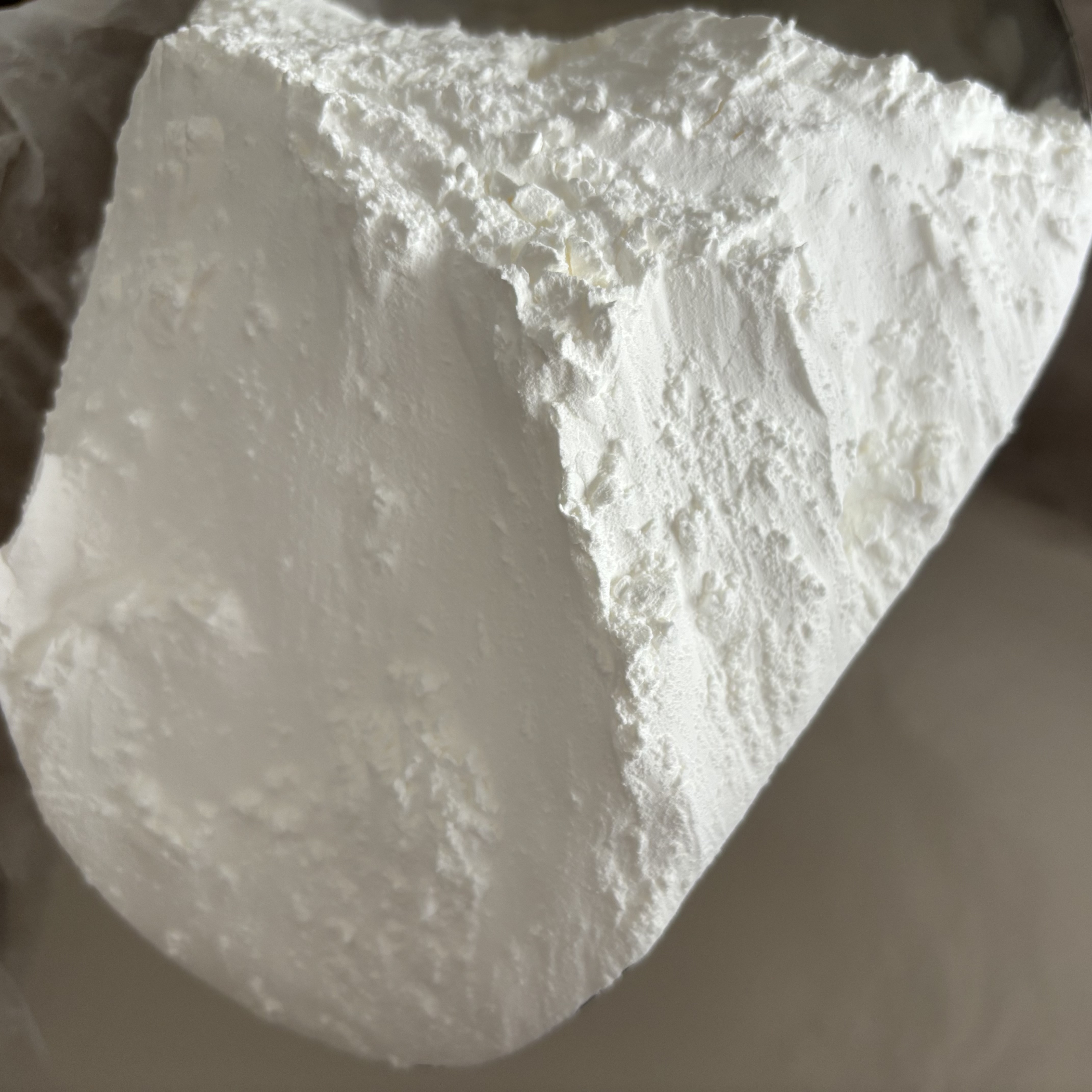
هنگامی که مهندسان و فرمولسازان میکروسفرهای گسترش یافته را برای کاربردهای پ demanding انتخاب میکنند، یک ویژگی بهطور مداوم در صدر فهرست ارزیابی قرار میگیرد: استحکام فشاری. این ویژگی مکانیکی تنها، تعیینکننده این است که آیا پرکننده سبکوزن تحت فشارهای فرآیندی حفظ یکپارچگی خود را خواهد کرد، آیا پوشش در برابر تنشهای اعمالشده تحمل خواهد کرد و آیا محصول نهایی در عملکرد میدانی بهطور قابلاطمینانی عمل خواهد کرد. بنابراین، درک اینکه استحکام فشاری در گلولههای ریز توسعهیافته دقیقاً چه چیزی را تعریف میکند، نهتنها یک تمرین آکادمیک است، بلکه یک ضرورت مهندسی عملی محسوب میشود.
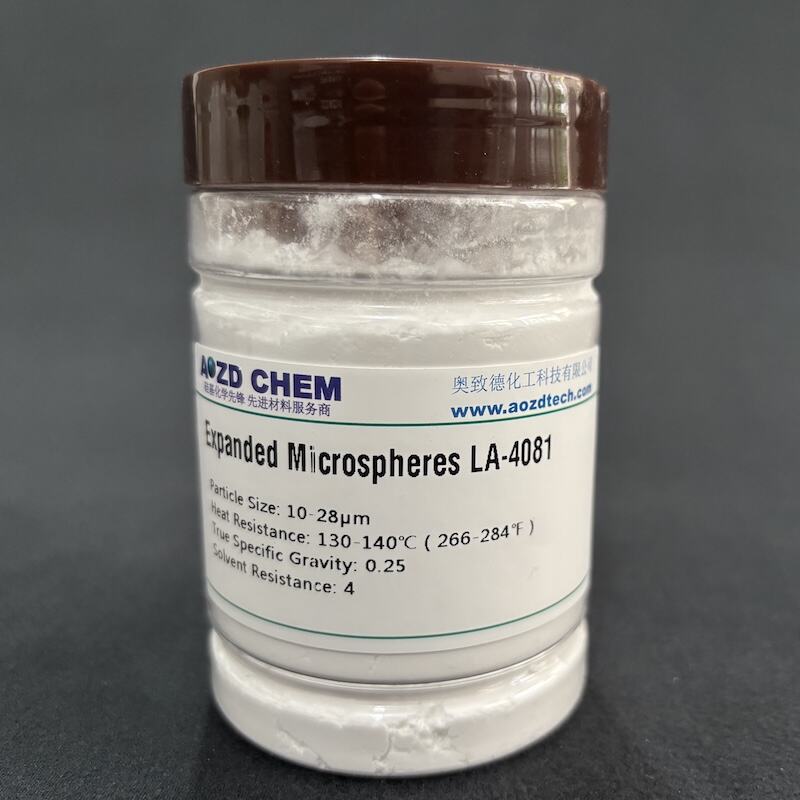
میکروسفرهای منبسطشده، پوستههای پلیمری توخالی هستند که با گاز پر شدهاند و از طریق فرآیند منبسطسازی حرارتی کنترلشده تولید میشوند. ترکیب منحصربهفرد آنها از کمبودن چگالی و مقاومت مکانیکی، ارزش آنها را در صنایع مختلفی از جمله خودروسازی، ساختوساز، پوششها، چسبها و بستهبندی تخصصی افزایش میدهد. با این حال، تمام میکروسفرهای منبسطشده یکسان نیستند. استحکام فشاری (Crush Strength) یک درجهٔ خاص، به مجموعهای پیوسته از عوامل مادی، ساختاری و فرآیندی بستگی دارد که تولیدکنندگان باید با دقت آنها را کنترل کنند. این مقاله بهطور عمیق به بررسی این عوامل تعیینکننده میپردازد و به فرمولهکنندگان و متخصصان تأمین مواد، وضوح لازم برای ارزیابی و مشخصسازی درجهٔ مناسب برای کاربرد خود ارائه میدهد.
نقش شیمی پلیمر پوسته در استحکام فشاری
انتخاب پلیمر و چگالی پیوند عرضی
تعیینکنندهٔ اصلی و بنیادی مقاومت فشاری در میکروسفرهای منبسط، ترکیب شیمیایی پوستهٔ پلیمری است. بیشتر درجات تجاری از کوپلیمرهای ترموپلاستیک — معمولاً سیستمهای مبتنی بر آکریلونیتریل یا کلرید وینیلیدن — استفاده میکنند، زیرا این مواد تعادل مطلوبی بین انعطافپذیری و سختی را پس از منبسطشدن ارائه میدهند. نسبتهای خاص مونومر انتخابشده در طول فرآیند پلیمریزاسیون، بهطور مستقیم بر دمای انتقال شیشهای و مدول الاستیسیتهٔ دیوارهٔ پوسته تأثیر میگذارند؛ هر دوی این پارامترها تعیینکنندهٔ میزان بار فشاری هستند که کره میتواند قبل از تغییر شکل یا فروپاشی تحمل کند.
چگالی پیوند عرضی نیز نقشی به اندازهٔ اهمیت بالایی ایفا میکند. درجهٔ بالاتری از پیوند عرضی بین زنجیرههای پلیمری، سفتی پوسته و مقاومت آن در برابر تغییر شکل پلاستیکی تحت بار را افزایش میدهد. با این حال، پیوند عرضی بیشازحد میتواند پوسته را شکنندهتر کرده و به جای انعطافپذیری، آن را مستعد شکست ناگهانی کند؛ یعنی تحت تنش، به جای تغییر شکل کشسان، موجب ترکخوردن یا شکستن آن میشود. بنابراین، میکروسفرهای منبسطشدهٔ باکیفیت بالا بهگونهای طراحی میشوند که چگالی پیوند عرضی بهینهای را داشته باشند که تعادلی بین سفتی و میزان کنترلشدهٔ بازیابی کشسان ایجاد کند و امکان جذب نیروهای فشاری را بدون وقوع شکست فاجعهبار فراهم سازد.
فرمولسازان باید نحوه تعامل شیمی پلیمر با ماتریس اطراف را در طول فرآیند نیز در نظر بگیرند. برخی سیستمهای رزین، دماهای بالاتر یا حلالهای تهاجمی میتوانند پوسته پلیمری را نرم کرده یا از نظر شیمیایی تخریب کنند و استحکام فشاری آن را بهطور قابلتوجهی زیر مقادیر اندازهگیریشده در شرایط جداگانه کاهش دهند. درک سازگاری بین شیمی پوسته و محیط فرمولاسیون مورد نظر، برای پیشبینی عملکرد در شرایط واقعی ضروری است.
نسبت همپلیمرها و پیامدهای مکانیکی آنها
در میان خانواده همپلیمرهای آکریلونیتریل که معمولاً در میکروکرههای منبسطشده استفاده میشوند، نسبت مونومرهای بخش سخت به مونومرهای بخش نرم، مشخصکننده پروفایل مکانیکی پوسته است. مونومرهای بخش سخت، مدولوس را افزایش داده و مقاومت در برابر تغییر شکل فشاری را بهبود میبخشند؛ در مقابل، مونومرهای بخش نرم انعطافپذیری و مقاومت ضربهای را ایجاد میکنند. سازندگان این نسبتها را با دقت بسیار بالایی تنظیم میکنند تا به پنجرههای عملکردی خاصی دست یابند.
برای کاربردهایی که در آنها میکروسفرهای منبسطشده باید چرخههای اختلاط با برش بالا یا قالبگیری تزریقی را تحمل کنند، معمولاً فرمولاسیون پوستهای با نسبت بالاتری از مونومرهای بخش سخت ترجیح داده میشود. برعکس، کاربردهای مربوط به پوششهای انعطافپذیر یا چسبهای الاستومری ممکن است از فرمولاسیون پوستهای نرمتری بهرهمند شوند که کمی تغییر شکل میدهد ولی پاره نمیشود. بنابراین مقدار مقاومت در برابر خردشدگی که در برگه اطلاعات فنی گزارش میشود، همواره حاصل مهندسی عمدی کوپلیمرهاست و نه یک ویژگی اتفاقی.
هندسه دیواره پوسته و تأثیر آن بر عملکرد مکانیکی
ضخامت دیواره نسبت به قطر کره
فراتر از شیمی پلیمرها، نسبت هندسی ضخامت دیواره پوسته به قطر کلی کره یکی از مهمترین عوامل ساختاری تعیینکننده استحکام فشاری (crush strength) است. این نسبت که اغلب در مکانیک پوستههای نازک بهصورت نسبت t/D بیان میشود، فشاری را که در آن یک کره توخالی تحت بار خارجی دچار کمانش میشود، تعیین میکند. دیوارههای ضخیمتر نسبت به قطر کره، مقاومت بیشتری در برابر کمانش و شکست فشاری ایجاد میکنند، در حالی که دیوارههای نازکتر مزیت کاهش چگالی را فراهم میسازند اما آسیبپذیری را در برابر تنشهای مکانیکی افزایش میدهند.
در عمل، سازندگان میکروسفرهای منبسطشده با کیفیت بالا این نسبت را از طریق تنظیم دقیق ترکیب ذرات پیشمنبسطشده و شرایط گسترش حرارتی کنترل میکنند. مقدار عامل منبسطکنندهای که در هر پوستهی غیرمنبسطشده محصور شده است و نیز نرخ اعمال گرما در حین فرآیند منبسطشدن، هر دو بر ضخامت نهایی دیواره تأثیر میگذارند. دستیابی به نسبت t/D ثابت در سراسر یک دسته تولیدی کامل، نیازمند کنترل دقیق فرآیند و کیفیت قابل اعتماد مواد اولیه است؛ به همین دلیل، درجههای برتر میکروسفرهای منبسطشده توجه ویژهای را در فرمولاسیونهای پیچیده و مستعد جلب میکنند.
ارزش دارد که توجه شود نسبت t/D نیز با اندازهٔ کرهها تعامل دارد. کرههای ریز مغزی متسعشده با قطر بزرگتر و ضخامت دیوارهای معادل، استحکام فشاری مطلق کمتری نسبت به کرههای کوچکتر با همان ضخامت دیواره از خود نشان میدهند؛ این امر مطابق با نظریهٔ کلاسیک ظروف تحت فشار با بدنهٔ نازک است. این بدان معناست که انتخاب توزیع اندازهٔ ذرات ریزتر میتواند مقاومت در برابر فشار را در کاربردهایی که محدودیتهای فرمولاسیون اجازهٔ استفاده از ابعاد کوچکتر کرهها را میدهند، بهبود بخشد.
یکنواختی توزیع اندازهٔ ذرات
یکنواختی توزیع اندازه ذرات در یک دسته از میکروکرههای منبسطشده، تأثیر مستقیمی بر پایداری استحکام فشاری در سراسر جمعیت آنها دارد. در یک دسته با توزیع اندازه باریک و بهخوبی کنترلشده، اکثر کرهها نسبت t/D مشابهی دارند و بنابراین در بارهای قابل پیشبینی از کار میافتند. اما زمانی که توزیع گسترده باشد، بخشی از کرههای بزرگتر با ضخامت نسبی کمتر دیواره، استحکام فشاری بسیار پایینتری نشان خواهند داد و نقاط ضعفی را در ماتریس نهایی محصول ایجاد میکنند.
میکروسفرهای منبسطشده با کیفیت بالا از توزیع اندازه ذرات بسیار یکنواختی برخوردارند که معمولاً با پراش لیزری اندازهگیری شده و بهصورت مقادیر D10، D50 و D90 گزارش میشوند. متخصصان تأمین باید این مقادیر را با دقت بررسی کنند زمانی که درجههای مختلف را برای کاربردهای سازهای یا تحملکننده بار مقایسه میکنند. دامنه باریک — یعنی نسبت (D90 منهای D10) به D50 — نشاندهنده فرآیند ساخت کاملاً کنترلشده است و حاکی از آن است که مقاومت فشاری گزارششده نماینده کل جمعیت ذرات است، نه صرفاً مقدار میانه.
فشار گاز داخلی و سهم آن در یکپارچگی پوسته
نوع عامل متخلخلکننده و فشار باقیمانده پس از منبسطشدن
فشار گاز داخلی که پس از اتمام فرآیند انبساط در میکروسفرهای منبسطشده باقی میماند، سهم قابلتوجهی در مقاومت فشاری آنها دارد. هنگامی که یک کرهٔ پلیمری توخالی حاوی گاز تحت فشار باشد، فشار داخلی بهصورت جزئی بارهای فشاری خارجی را خنثی میکند و در نتیجه پوسته را بهگونهای پیشتنیده میسازد که شبیه به نحوهٔ مقاومت بتن پیشتنیده در برابر شکست فشاری است. این دلیل آن است که انتخاب عامل متورمکننده و میزان باقیماندن آن درون کره پس از انبساط، هر دو بر عملکرد مکانیکی تأثیرگذار هستند.
عوامل متورمکننده هیدروکربنی که معمولاً در میکروسفرهای متورمشده استفاده میشوند — از جمله ایزو بوتان، ایزو پنتان و ترکیبات مشابه با نقطه جوش پایین — در دماهای متورمشدن به بخار تبدیل شده و فشار داخلی مثبتی ایجاد میکنند. با گذشت زمان، بخشی از گاز از طریق پوسته پلیمری نفوذ میکند که منجر به کاهش تدریجی فشار داخلی و در نتیجه کاهش متناظر مقاومت در برابر خردشدگی میشود. میکروسفرهای متورمشده با کیفیت بالا از فرمولاسیونهای پوستهای با نفوذپذیری گازی پایین برای کاهش این اثر استفاده میکنند تا اطمینان حاصل شود که خواص مکانیکی اندازهگیریشده بلافاصله پس از تولید، نماینده رفتار بلندمدت آنها در طول ذخیرهسازی و استفاده باشند.
تولیدکنندگان باید به دستورالعملهای مربوط به مدت زمان انبارداری ارائهشده توسط سازندگان توجه کنند. نگهداری میکروکرههای منبسطشده در دماهای بالاتر، نفوذ گاز را تسریع کرده و میتواند مقاومت فشاری آنها را پیش از اینکه ماده به خط تولید برسد، بهطور قابلتوجهی کاهش دهد. بنابراین، نگهداری مناسب در شرایط سرد و خشک یک اقدام عملی برای حفظ یکپارچگی مقاومت فشاری میکروکرههای منبسطشده در طول زنجیره تأمین است.
نسبت انبساط و تأثیر آن بر حفظ فشار داخلی
درجهای که پوستههای پیشساز بدون انبساط، در طول فرآیند تولید منبسط میشوند — که معمولاً بهصورت نسبت انبساط بر حسب حجم بیان میشود — رابطهای معکوس قابلتوجه با فشار گاز داخلی و در نتیجه با استحکام فشاری دارد. میکروکرههای منبسطشدهتر دیوارههای نازکتر و فشار باقیماندهٔ داخلی کمتری نسبت به نسخههای جزئاً منبسطشده دارند؛ بنابراین سبکتر اما از نظر مکانیکی ضعیفتر هستند. درجههای کمتر منبسطشده فشار عامل منبسطکنندهٔ خود را بیشتر حفظ میکنند و دیوارههای نسبتاً ضخیمتری دارند که منجر به استحکام فشاری بالاتری میشود، اما به قیمت چگالی نسبتاً بیشتر.
این تعادلجویی یک ملاحظهٔ محوری در طراحی محصول است. در کاربردهایی که عامل اصلی، کاهش چگالی است — مانند فومهای سینتکتیک برای مواد شناور — بیشترین میزان انبساط ممکن است با وجود مقاومت کمتر در برابر فشار واردشده پذیرفتهشده باشد. در کاربردهایی مانند رنگهای علامتگذاری جاده، آببندهای با عملکرد بالا یا چسبهای سازهای پرکننده، درجهای نیمهمنبسط با مقاومت بالاتر در برابر فشار واردشده ممکن است ترجیح داده شود تا اطمینان حاصل شود که محصول هم در برابر تنشهای ناشی از فرآیند اعمال و هم در برابر بارهای بهرهبرداری، مقاومت لازم را دارد. درک این رابطه به فرمولهکنندگان اجازه میدهد تا انتخابهای آگاهانهای انجام دهند، نه اینکه بهصورت پیشفرض سبکترین درجهٔ موجود را انتخاب کنند.
شرایط فرآورش در طول تولید و تأثیر بلندمدت آنها
یکنواختی حرارتی در طول فرآیند انبساط
کیفیت فرآیند انبساط حرارتی که در طول تولید استفاده میشود، عاملی تعیینکننده در یکنواختی مقاومت فشاری میکروکرههای منبسطشده است. انبساط فرآیندی فعالشده توسط حرارت است که در آن پوسته پلیمری نرم شده و عامل حبابزایی همزمان تبخیر میشود. اگر توزیع دما در تجهیزات انبساط یکنواخت نباشد، برخی ذرات بیشازحد منبسط شده و برخی دیگر کممنبسط باقی میمانند. این امر منجر به توزیع دونموداری یا چندنموداری مقاومت فشاری درون یک دستهٔ تولیدی تنها میشود.
تولیدکنندگانی که در تجهیزات انبساط با کنترل دقیق — از جمله سیستمهای بستر سیال، محفظههای گرمایشی مادون قرمز یا برجهای انبساط هوای داغ با نمودارهای دمایی کالیبرهشده — سرمایهگذاری میکنند، میکروسفرهای منبسطشدهای با هندسهی پوسته و مقاومت فشاری بسیار یکنواختتر نسبت به آنهایی که از فرآیندهای کمکنترلتر استفاده میکنند، تولید مینمایند. هنگام ارزیابی تأمینکنندگان، درخواست دادههای مربوط به تغییرپذیری مقاومت فشاری از دفعهی تولید به دفعهی تولید (نه صرفاً مقادیر میانگین) پنجرهای معنادار بر کیفیت فرآیند تولید فراهم میکند.
پردازش پس از انبساط و پوشش سطحی
برخی از میکروسفرهای منبسطشده با کیفیت بالا پس از فرآیند منبسطشدن، تحت درمان سطحی قرار میگیرند تا پراکندگی آنها بهبود یابد، تجمع ذرات کاهش یابد یا سازگاری آنها با مواد ماتریس خاص افزایش یابد. این پوششهای سطحی — که ممکن است شامل سیلیس، کربنات کلسیم یا سازگارکنندههای پلیمری باشند — میتوانند اثر ثانویهای نیز بر استحکام ظاهری فشار (crush strength) داشته باشند که در آزمونهای استاندارد با تأثیر بر نحوه بستهبندی ذرات زیر بار اندازهگیری میشود. یک پوشش سطحی بهخوبی اعمالشده میتواند از ایجاد تمرکزهای محلی تنش در نقاط تماس ذرات جلوگیری کند و بدین ترتیب بار اعمالشده را بهصورت یکنواختتری در میان جمعیت میکروسفرها توزیع نماید.
برای فرمولهکنندگان اهمیت دارد که بین استحکام شکست ذاتی پوسته پلیمری و استحکام شکست ظاهری یا تودهای درجهبندیشده پوششدار تمایز قائل شوند. هر دو مقدار بسته به کاربرد مربوطه اهمیت دارند. در کاربردهای پراکندگی که ذرات درون ماتریس بهخوبی از یکدیگر جدا شدهاند، استحکام شکست ذاتی پوسته عامل تعیینکننده اصلی است. در کاربردهایی با تراکم بالا مانند خمیرهای ضخیم یا ملاتها، رفتار شکست تودهای جمعیت ذرات پوششدار ممکن است معیار پیشبینیکنندهتری باشد.
روشهای آزمون و نحوه تعریف مقادیر گزارششده استحکام شکست
آزمون استحکام شکست ایزوستاتیک در مقابل آزمون استحکام شکست تودهای
درک دادههای گزارششدهٔ مقاومت فشاری (crush strength) برای میکروکرههای منبسطشده نیازمند آشنایی با روشهای آزمونی است که این اعداد را تولید کردهاند. دو رویکرد رایج، آزمون فشار ایستاتیک (isostatic pressure testing) و آزمون فشار تودهای (bulk crush testing) هستند. در آزمون ایستاتیک، نمونهای از میکروکرههای منبسطشده تحت فشار هیدرواستاتیک در محیطی مایع قرار میگیرد و درصد کرههایی که در سطح فشار تعیینشده باقی میمانند، اندازهگیری میشود. این روش بهطور نزدیکی شرایطی را شبیهسازی میکند که میکروکرههای منبسطشده در فرمولاسیونهای مایع تحت فشار بالا پردازش میشوند.
آزمون فشار شکست دستهای، در مقابل، نمونهای از پودر میکروسفرهای منبسطشده را بین دو صفحه قرار داده و بار فشاری را که در آن کسر معینی از جمعیت میکروسفرها فرو میریزند، اندازهگیری میکند. این روش برای شرایط فرآورش حالت جامد مانند غلتکزنی (کالندرینگ)، قالبگیری تراکمی یا اکسترودینگ مرتبطتر است. از آنجا که این دو روش بهصورت متفاوتی ذرات را تحت تنش قرار میدهند، مقادیر استحکام شکست حاصل از یک روش آزمون نباید مستقیماً با مقادیر حاصل از روش دیگر مقایسه شوند. فرمولسازان باید اطمینان حاصل کنند که دادههایی را بررسی میکنند که با روشی تولید شدهاند که بیشترین نمایندگی را از شرایط فرآورش خاص آنها دارد.
وابستگی استحکام شکست به دما
استحکام فشاری در میکروکرههای منبسطشده یک ثابت مادی ثابت نیست — بلکه بهطور قابلتوجهی وابسته به دما است. هنگامی که دما به دمای انتقال شیشهای پلیمر پوسته نزدیک میشود و از آن فراتر میرود، پلیمر نرمتر شده و پوسته تحت بار بهطور قابلتوجهی مستعد تغییر شکل میگردد. به همین دلیل مقادیر گزارششده استحکام فشاری در دمای محیط میتوانند بهطور قابلتوجهی بالاتر از مقاومت مؤثری باشند که این کرهها در حین اختلاط گرم، اکسترود کردن در دماهای بالا یا چرخههای پخت در سیستمهای ترموست ارائه میدهند.
میکروکرههای منبسطشده با کیفیت بالا که برای محیطهای حرارتی طاقتفرسا طراحی شدهاند، با پلیمرهای پوستهای دارای دمای انتقال شیشهای بالاتر فرموله میشوند تا اطمینان حاصل شود که مقاومت معنادار فشاری در دماهای فرآیندی حفظ میشود. فرمولهکنندگانی که درجههای مختلف را برای سیستمهای کاربرد گرم ارزیابی میکنند، باید دادههای استحکام فشاری را در دماهای مربوط به فرآیند (نه صرفاً در دمای اتاق) درخواست کنند تا پیشبینیهای دقیق عملکرد انجام دهند.
سوالات متداول
محدودهی معمول مقاومت فشاری (Crush Strength) برای میکروکرههای منبسط تجاری چقدر است؟
مقاومت فشاری (Crush Strength) برای میکروکرههای منبسط تجاری بسته به درجه، نسبت انبساط و ترکیب شیمیایی پوسته بهطور گستردهای متغیر است. درجات سبکانبست با دیوارههای ضخیمتر میتوانند مقاومت فشاری همسانالاتجاه (Isostatic) بیش از ۱۰۰ بار را نشان دهند، در حالی که درجات سنگینانبست با چگالی پایین ممکن است تنها در برابر فشارهای چند باری مقاومت کنند. انتخاب درجهی مناسب کاملاً به فشارهای فرآیندی و بارهای کاری پیشبینیشده در کاربرد خاصی بستگی دارد.
اندازهی ذرات چگونه بر مقاومت فشاری (Crush Strength) میکروکرههای منبسط تأثیر میگذارد؟
میکروسفرهای منبسطشده با قطر کوچکتر عموماً استحکام فشاری بالاتری نسبت به میکروسفرهای با قطر بزرگتر اما با ضخامت دیواره معادل از خود نشان میدهند، زیرا میکروسفرهای کوچکتر از نظر مکانیک ظرفهای فشاری با پوسته نازک، نسبت دیواره به قطر مطلوبتری دارند. هنگامی که کاهش چگالی برای سبکسازی باید در تعادل با دوام مکانیکی قرار گیرد، انتخاب توزیع اندازه ذرات ریزتر یکی از رویکردهای عملی برای بهبود مقاومت در برابر فشار بدون تغییر سیستم پلیمری پوسته است.
آیا استحکام فشاری میکروسفرهای منبسطشده ممکن است با گذشت زمان کاهش یابد؟
بله، استحکام فشاری میتواند با گذشت زمان کاهش یابد، زیرا عامل حبابزای داخلی بهتدریج از پوسته پلیمری عبور میکند. این فرآیند با افزایش دمای انبارداری تسریع میشود. برای حفظ استحکام فشاری در طول زنجیره تأمین، میکروسفرهای منبسطشده باید در شرایط سرد و خشک نگهداری شوند و در بازه زمانی مجاز عمر مفید تعیینشده توسط سازنده مصرف گردند. برای کاربردهای حیاتی که عملکرد مکانیکی یکنواختی مورد نیاز است، انجام آزمون نمونهگیری از هر لوت قبل از مصرف توصیه میشود.
چگونه فرمولسازان باید میکروسفرهای منبسطشده را برای کاربردهای با مقاومت بالا در برابر فشار مشخص کنند؟
تولیدکنندگان باید میکروکرههای منبسطشده را با درخواست دادههای مقاومت فشاری ایزوتاتیک یا فشاری کلی که در دمای پردازش مربوطه اندازهگیری شدهاند، همراه با دادههای توزیع اندازه ذرات بیانشده بهصورت مقادیر D10، D50 و D90 مشخص کنند. همچنین باید دادههای مربوط به تغییرپذیری بین نُبَهها، نوع پلیمر پوسته، نسبت انبساط و جزئیات درمان سطحی نیز بررسی شوند. ترکیب این پارامترها تصویری جامع از اینکه آیا درجه خاصی از میکروکرههای منبسطشده در شرایط مکانیکی و حرارتی خاص کاربرد هدف، پایداری و یکپارچگی خود را حفظ خواهد کرد، ارائه میدهد.
فهرست مطالب
- نقش شیمی پلیمر پوسته در استحکام فشاری
- هندسه دیواره پوسته و تأثیر آن بر عملکرد مکانیکی
- فشار گاز داخلی و سهم آن در یکپارچگی پوسته
- شرایط فرآورش در طول تولید و تأثیر بلندمدت آنها
- روشهای آزمون و نحوه تعریف مقادیر گزارششده استحکام شکست
-
سوالات متداول
- محدودهی معمول مقاومت فشاری (Crush Strength) برای میکروکرههای منبسط تجاری چقدر است؟
- اندازهی ذرات چگونه بر مقاومت فشاری (Crush Strength) میکروکرههای منبسط تأثیر میگذارد؟
- آیا استحکام فشاری میکروسفرهای منبسطشده ممکن است با گذشت زمان کاهش یابد؟
- چگونه فرمولسازان باید میکروسفرهای منبسطشده را برای کاربردهای با مقاومت بالا در برابر فشار مشخص کنند؟