
 EN
EN
در تولید فوم، دستیابی به ساختار سلولی یکنواخت و انبساط حجمی همگن یکی از چالشبرانگیزترین مسائل فنی است. میکروکرههای قابل گسترش این مواد بهطور گستردهای برای کنترل چگالی فوم، بهبود کیفیت سطحی و کاهش هزینههای مواد استفاده میشوند. با این حال، در عمل بسیاری از فرآیندگران با مشکلی ناامیدکننده روبهرو میشوند: میکروسفرها بهصورت یکنواخت در سراسر ماتریس فوم منبسط نمیشوند که این امر منجر به عدم یکنواختی در اندازه سلولها، عیوب سطحی، تغییرات در چگالی و کاهش عملکرد مکانیکی میشود. درک دلیل این پدیده نیازمند بررسی دقیق شیمی فیزیکی منبسطشدن میکروسفرها، متغیرهای فرآیندی که مانع از این منبسطشدن میشوند، و عوامل فرمولاسیونی است که میتوانند یا به دستیابی به نتایج یکنواخت کمک کنند یا آن را تضعیف نمایند.
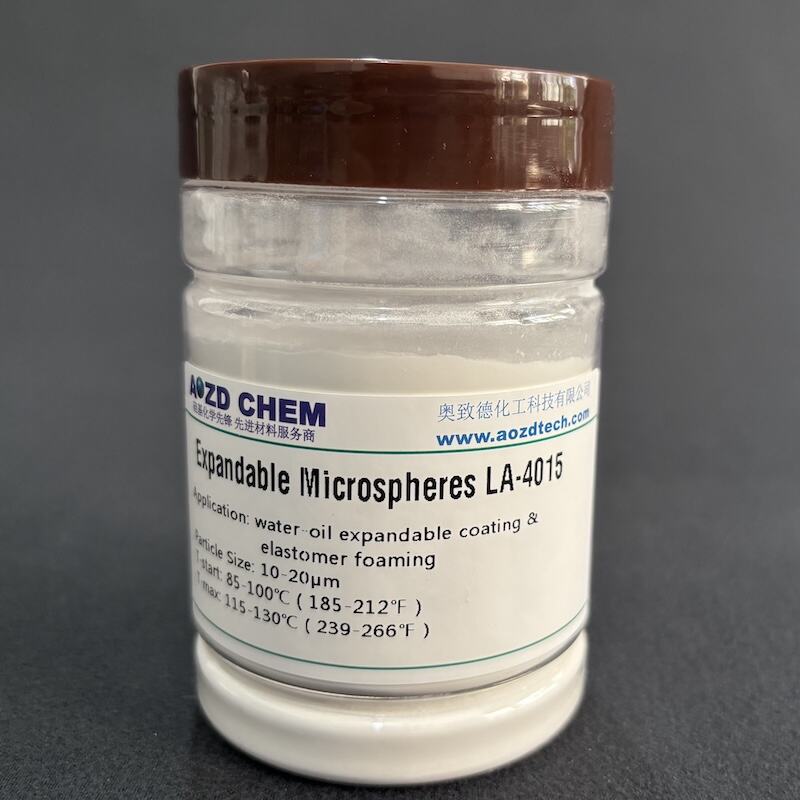
میکروکرههای قابل انبساط، پوستههایی از پلیمرهای ترموپلاستیک هستند که گاز هیدروکربنی با نقطه جوش پایین را در خود محصور کردهاند. هنگامی که این میکروکرهها به محدوده دمای فعالسازی خود گرم میشوند، پوسته نرم شده و فشار گاز داخلی باعث انبساط چشمگیر حجمی آنها میشود. این مکانیزم ظریف بر تعادل دقیقی از دما، فشار، ویسکوزیته و زمان متکی است. هرگاه یکی از این متغیرها از محدوده بهینه خود انحراف یابد، انبساط نامنظم شده و کیفیت محصول پشمی (فوم) تحت تأثیر قرار میگیرد. این مقاله به بررسی علل اصلی انبساط غیریکنواخت میپردازد و هر یک از مکانیزمهای شکست را بهطور دقیق تحلیل میکند تا تولیدکنندگان، شیمیدانان فرمولاسیون و مهندسان محصول بتوانند این مشکل را بهدرستی تشخیص داده و رفع نمایند.
مکانیزم اساسی انبساط و دلیل دشواری حصول یکنواختی
چطور؟ میکروکرههای قابل گسترش برای کار طراحی شدهاند
هر میکروسفر قابل انبساط از یک پوستهٔ کوپلیمر ترموپلاستیک مبتنی بر آکریلونیتریل تشکیل شده است که هستهای از هیدروکربن مایع مانند ایزو بوتان یا ایزوپنتان را احاطه کرده است. فرآیند انبساط زمانی آغاز میشود که پوسته به نقطهٔ نرمشدن خود گرم شود؛ در این مرحله، فشار بخار هیدروکربن محصورشده، مقاومت الاستیک پوستهٔ پلیمری را غلبه میکند. این کره به سمت بیرون متورم میشود و در حداکثر انبساط، بسته به درجهٔ ماده و شرایط فرآیند، میتواند به پنج تا چهل برابر حجم اولیهٔ خود برسد.
ویژگی کلیدی طراحی، تعادل بین الاستیسیتهٔ پوسته و فشار گاز داخلی در یک بازهٔ دمایی مشخص است. میکروسفرهای قابل انبساط با طراحی مناسب دارای محدودهٔ دمایی فعالسازی باریکی هستند و منحنی انبساط قابل پیشبینی دارند. در سناریوی ایدهآل، تمام میکروسفرهای موجود در یک دسته بهطور همزمان به یک دما میرسند، با نرخ یکسانی نرم میشوند و تا قطر نهایی یکسانی متورم میشوند. این امر منجر به تولید فومی با توزیع یکنواخت سلولها و چگالی حجمی ثابت میشود.
با این حال، پردازش در دنیای واقعی به ندرت محیط حرارتی کاملاً یکنواختی را فراهم میکند که برای انبساط میکروسفرها مورد نیاز است. گرادیانهای حرارتی، نامنظمیهای در اختلاط و تفاوتهای ویسکوزیته ماتریس همه این عوامل فرض فعالسازی همزمان را مختل میکنند. نتیجه این امر توزیعی از حالتهای انبساط درون همان فوم است که از میکروسفرهای کممنبسطشده تا میکروسفرهای بیشازحد منبسطشده یا پارهشده متغیر است.
چرا یکنواختی از نظر ساختاری چالشبرانگیز است
کرههای ریز قابل انبساط در سراسر ماتریسی از پلیمر، لاستیک یا رزین پراکنده شدهاند که خود این ماتریس در حین فرآورش دستخوش تغییرات فیزیکی و شیمیایی همزمان میشود. ماتریس ممکن است در همان زمانی که کرههای ریز در تلاش برای انبساط هستند، در حال ایجاد پیوند عرضی، واکنش پخت یا سرد شدن باشد. این فرآیندهای رقابتی، تنشهای داخلی ایجاد میکنند که به رشد یکنواخت کرهها مقاومت میکنند. اگر ماتریس بیش از حد سریع سفت شود، کرههای ریز پیش از رسیدن به حداکثر انبساط، از نظر فیزیکی محدود میشوند. اگر ماتریس بیش از حد طولانیمدت سیال باقی بماند، کرههای منبسطشده ممکن است فروبروند، جابهجا شوند یا با یکدیگر ادغام گردند.
علاوه بر این، هدایت حرارتی ماتریسهای پلیمری بهطور ذاتی پایین است. این بدان معناست که حتی یک نمونه با ضخامت چند میلیمتری نیز گرادیان دمای قابلتوجهی بین سطح و هستهٔ آن ایجاد خواهد کرد. میکروکرههای نزدیک سطح زودتر از آنهایی که در درون نمونه قرار دارند فعال میشوند. در صورت عدم طراحی جبرانکنندهٔ فرآیند، این گرادیان بهتنهایی میتواند منجر به تغییرات قابلمشاهدهٔ چگالی و اندازهٔ سلولهای غیریکنواخت در سراسر مقطع محصول فومی شود.
علل مرتبط با دما برای انبساط غیریکنواخت
گرمکردن ناکافی یا نامساوی
کنترل دما مهمترین متغیر فرآیندی برای میکروکرههای قابل انبساط است. هر درجه از میکروکرههای قابل انبساط دارای دمای آغاز انبساط و دمای انبساط اوج تعریفشدهای است. اگر دمای فرآیند زیر نقطه آغاز انبساط تنظیم شود، میکروکرهها اصلاً منبسط نخواهند شد یا تنها بهصورت جزئی منبسط خواهند شد. اگر توزیع دما در قالب، اجاق یا اکسترودر نامتجانس باشد، مناطق مختلف میکروکرهها را با نرخها و میزانهای متفاوتی فعال میکنند.
در سیستمهای فوم مبتنی بر اجاق (مانند پلاستیسولهای PVC یا ورقههای فوم EVA)، شیبهای دمایی بین سطح و هسته رایج هستند. لایههای سطحی بهصورت مستقیم از طریق تابش یا انتقال حرارت جابجایی گرما دریافت کرده و بهسرعت فعال میشوند، در حالی که داخل مواد بهدلیل اثر عایقی بهآهستگی گرم میشود. این امر منجر به ایجاد یک نمودار توسعه لایهبندیشده میشود که در آن فوم خارجی بهطور کامل منبسط شده و ناحیه داخلی بهصورت ناقص منبسط شده است. محصول حاصل دارای پوستهای سخت در بیرون و هستهای متراکم و تا حدی غیرمنبسط در مرکز است که این وضعیت نشانه کلاسیک شکست ناشی از شیب حرارتی محسوب میشود.
در فرآیندهای تزریقگری یا اکستروژن، نمودارهای دمایی نامتعادل سیلندر، اختلاط نامناسب پیچ، یا نقاط سرد در نزدیکی دریچهها و راههای جریان، مشکلات مشابهی ایجاد میکنند. گلولههای ریزتوسعهپذیری که از مناطق سردتر عبور میکنند ممکن است به دمای فعالسازی خود نرسند، در حالی که گلولههای موجود در مناطق گرمتر ممکن است بیش از حد منبسط شده و پاره شوند. بنابراین، نقشهبرداری و اصلاح یکنواختی حرارتی تجهیزات فرآورشی، گامی ضروری در تشخیص منبسطشدن نامنظم است.
گرمشدن بیش از حد و پارگی پوسته
منبسطشدن نامنظم تنها ناشی از گرمای ناکافی نیست. گرمشدن بیش از حد نیز حالتی از شکست با تخریب بالاست. هنگامی که گلولههای ریزتوسعهپذیر در معرض دماهایی قرار میگیرند که بهطور قابلتوجهی بالاتر از نقطه اوج انبساط آنها باشد، پوسته ترموپلاستیک آنها تا حدی نرم میشود که استحکام ساختاری خود را از دست میدهد. پوسته از حد الاستیک خود باریکتر میشود و پاره میگردد و گاز محبوسشده را درون ماتریس اطراف آزاد میکند، نه اینکه آن را درون گلوله منبسطشده نگه دارد.
میکروکرههای پارهشده، حفرههای بزرگ و نامنظمی در فوم ایجاد میکنند، نه سلولهای کروی و مجزا. این پدیده بهصورت مستقیم در مقاطع عرضی قابل مشاهده است و ترکیبی از حفرههای باز بزرگ و نواحی فرو رفته را نشان میدهد که منجر به ایجاد فومی با قطر سلولی بسیار متغیر میشود. خواص مکانیکی چنین فومی بهطور شدیدی تضعیف میشوند، زیرا شبکهی دیوارههای سلولی مختل میگردد. ظاهر سطحی نیز تحت تأثیر قرار میگیرد و اغلب مشاهده میشود که سطح دارای حفرههای ریز (پیتینگ)، نشانههای فرو رفتگی یا وزیکولهای سطحی (بلیسترینگ) است.
نقاط داغ ناشی از گرمای برشی در فرآیند اکستروژن، گرمای مقاومتی موضعی در قالبگیری تراکمی، یا زمان توقف بیش از حد در منطقهی گرم، از عوامل رایج القای پارگی موضعی پوسته هستند. برای فرآیندگرانی که از میکروکرههای قابل انبساط در محیطهای با برش بالا یا دمای بالا استفاده میکنند، انتخاب درجهای با دمای نرمشدن بالاتر پوسته یا با صفحهی انبساط گستردهتر، تصمیمی مهم در فرمولاسیون است.
شکستهای ناشی از ویسکوزیته و ناسازگاری ماتریس
ویسکوزیتهی ماتریس در دمای انبساط بیش از حد بالاست
توانایی گسترش آزادانهٔ میکروسفرهای قابل انبساط به نرمبودن کافی و تسلیمپذیری ماتریس اطراف در دمای فعالسازی بستگی دارد. اگر ویسکوزیتهٔ ماتریس هنگام شروع گسترش میکروسفرها بیش از حد بالا باشد، مقاومت مکانیکی مانع از انبساط پوستهها تا قطر طراحیشدهٔ آنها میشود. نتیجهٔ این امر جمعیتی از میکروسفرهای محدودشده و کممنبسطشده است که درون یک ماتریس متراکم جاسازی شدهاند و بازدهی کفزدن پایینی دارند.
این مشکل معمولاً در ترکیبات لاستیکی با بارگذاری بالای پرکننده، در سیستمهای ترموست با اتصال عرضی شدید که واکنش پخت از فعالسازی پیشی میگیرد، یا در ترموپلاستیکهای با وزن مولکولی بالا که در دماهای متوسط جریان ضعیفی دارند، رخ میدهد. در هر یک از این موارد، عدم تطابق زمانی بین نرمشدن ماتریس و فعالسازی میکروسفرها منجر به انبساط نامنظم میشود. صنعتگران میتوانند این مسئله را با انتخاب میکروسفرهای قابل انبساطی که دمای فعالسازی آنها در بازهی دمایی مناسب برای پردازش نرم ماتریس قرار دارد، یا با تنظیم پروفایل پخت یا اتصال عرضی بهگونهای که بازهی زمانی کافی برای انبساط فراهم شود، برطرف کنند.
کیفیت پراکندگی میکروکرههای قابل انبساط درون ماتریس نیز نقشی حیاتی ایفا میکند. تودههای نامناسبالپراکندگی، مناطق محلی با غلظت بالای میکروکره را ایجاد میکنند که از سوی دیگر توسط نواحی فاقد میکروکره احاطه شدهاند. این تودهها در طول فرآیند انبساط، محدودیتهای مکانیکی متقابلی را تجربه میکنند، در حالی که نواحی اطراف اصلاً هیچ حبابی تولید نمیکنند. هر دو عامل فوق بهطور مستقیم منجر به توزیع نامنظم سلولها و تغییرات چگالی در سراسر مقطع فوم میشوند.
ویسکوزیتهٔ ماتریس بیش از حد پایین یا جریان زودهنگام
حالت خرابی مخالف — یعنی روانی بیش از حد ماتریس — نیز به همان میزان مشکلساز است. وقتی ویسکوزیتهٔ ماتریس در دمای فعالسازی میکروسفرها یا پایینتر از آن بسیار کم باشد، کرههای منبسطشده در مکان خود در ساختار فوم ثابت نمیمانند. این کرهها تحت تأثیر شناوری به سمت بالا جابهجا میشوند، با کرههای منبسطشدهٔ مجاور ادغام میگردند یا قبل از سفتشدن ماتریس تحت تأثیر گرانش تغییر شکل میدهند. این امر منجر به ایجاد فومی با گرادیان اندازهٔ سلول از بالا تا پایین میشود؛ بهطوریکه سلولهای بزرگتر و نامنظمی در قسمت بالا و سلولهای متراکمتر و کوچکتری در قسمت پایین تشکیل میشوند.
این خرابی بهویژه در سیستمهای پلیاورتان ریختهگریشده، پلاستیسولهای کمویسکوز یا فرمولاسیونهایی با بارگذاری بیش از حد پلاستیسایزر رخ میدهد. سینتیک گسترش میکروسفرها و سینتیک ژلهشدن یا پخت ماتریس باید با یکدیگر هماهنگ شوند تا ماتریس در همان بازه زمانی که میکروسفرهای منبسطشده رشد خود را بهپایان میرسانند، سفتی ساختاری کافی را کسب کند. راهحلهای طراحی فرآیند شامل تنظیم سرعت پخت، استفاده از افزودنیهای تیکسوتروپیک برای جلوگیری از مهاجرت میکروسفرها یا انتخاب میکروسفرهای قابل انبساط با آغاز فعالسازی سریعتر برای کاهش زمانی است که این میکروسفرها در محیطی با ویسکوزیته پایین بهطور کامل منبسط میمانند.
عوامل فرمولاسیون و پراکندگی مؤثر بر گسترش نامنظم
محیط شیمیایی ناسازگان
کرههای ریز توسعهپذیر برای سازگاری با شیمیهای ماتریس خاص طراحی شدهاند. در فرمولاسیونهای حاوی اجزای واکنشپذیر مانند ایزوسیاناتها، اسیدهای قوی، پراکسیدها یا حلالهای تهاجمی، پوستهٔ ترموپلاستیک ممکن است قبل از یا در حین انبساط، از نظر شیمیایی تخریب شود. تخریب پوسته، توانایی کرههای ریز در احتباس فشار را کاهش داده و منجر به انبساط زودرس یا ناقص و از دست رفتن منحنی فعالسازی قابل پیشبینی میشود که برای همگنبودن فومزنی ضروری است.
سیستمهای مبتنی بر حلال خطر ویژهای ایجاد میکنند، زیرا بسیاری از حلالهای آلی قادر به متورمکردن یا حلکردن پوستههای کوپلیمر آکریلونیتریل هستند. هنگامی که پوسته متورم میشود، نفوذپذیری آن افزایش یافته و هیدروکربن محصورشده پیش از رسیدن به دمای فعالسازی، از آن خارج میشود. در نتیجه، میکروسفرهایی با کاهش محتوا ایجاد میشوند که انبساط کمی یا اصلاً انبساطی ندارند، در حالی که میکروسفرهای سالم اطراف بهطور عادی منبسط میشوند. این امر منجر به ناهمگونی شدیدی میشود که در آن نواحی گستردهای از ماتریس غیرمنبسط در میان مناطقی از فوم عادی قرار دارند.
انتخاب درجهای از میکروسفرهای قابل انبساط که از نظر شیمیایی مقاوم باشند و برای شیمی خاص ماتریس مناسب باشند، امری ضروری است. بسیاری از این درجات بهطور خاص با پوستههای اصلاحشدهای تهیه شدهاند که مقاومت بیشتری در برابر حلالهای قطبی، محیطهای با pH بالا یا ترکیبات لاستیکی حاوی پراکسید ارائه میدهند. مشورت با برگه دادههای فنی در مورد سازگاری شیمیایی، پیش از نهاییکردن فرمولاسیون، از وقوع دستهای قابلتوجه از شکستهای انبساط جلوگیری میکند.
ترکیب نامناسب، دوز نامناسب و پراکندگی نامناسب
حتی میکروسفرهای قابل انبساط که از نظر شیمیایی با ماتریس سازگان هستند نیز در صورت پراکندگی نامناسب در سرتاسر ماتریس پیش از فرآیند، قادر به انبساط یکنواخت نخواهند بود. از آنجا که میکروسفرها ذرات توخالی با چگالی پایین هستند، تمایل دارند در حین اختلاط روی سطح شناور شوند، به هم چسبند و از اجزای سنگینتر ماتریس جدا شوند. علاوه بر این، تجهیزات استاندارد اختلاط با برش بالا ممکن است پیش از فعالسازی، میکروسفرها را از نظر مکانیکی له کنند و بهطور دائمی پتانسیل انبساط آنها را از بین ببرند.
روش توصیهشده برای پراکندهسازی میکروسفرهای قابل انبساط، شامل همزدن آرام و کمبرش در دماهای بسیار پایینتر از دمای شروع انبساط است. پیشپراکندهسازی میکروسفرها در بخش کوچکی از یک جزء مایع با ویسکوزیتهٔ پایین، پیش از افزودن کل ماتریس، یکنواختی توزیع را بهبود میبخشد. مصرف بیشازحد نیز عامل دیگری برای انبساط نامنظم است: زمانی که بارگذاری میکروسفرها بیش از حد باشد، میکروسفرهای مجاور در حین انبساط برای بهدستآوردن فضای بیشتر با یکدیگر رقابت کرده و از نظر مکانیکی محدودیت ایجاد میکنند؛ در نتیجه سلولهای کوچکتر و دچار تحریف در مناطق با غلظت بالا ایجاد میشوند.
شرایط نگهداری و دستکاری قبل از فرآیند نیز بر عملکرد تأثیر میگذارند. گلولههای ریز حبابدار قابل انبساط که در طول نگهداری در معرض دماهای بالاتری قرار گرفتهاند، ممکن است دچار انبساط پیشازوقوع جزئی یا کامل شده و پتانسیل فعالسازی خود را از دست داده باشند. بهطور مشابه، گلولههای ریز حبابداری که در شرایط رطوبت بالا نگهداری شدهاند، ممکن است دچار تخریب پوسته شوند و این امر کارایی انبساط آنها را کاهش دهد. نگهداری مناسب در زنجیره سرد و دستکاری دقیق در سطح خط تولید مسائلی غیرقابل چشمپوشی نیستند — بلکه مستقیماً تعیینکننده این هستند که آیا گلولههای ریز حبابدار قابل انبساط موجود در یک فرمولاسیون طبق طراحی مورد نظر عمل خواهند کرد یا خیر.
طراحی فرآیند و مشارکت تجهیزات در انبساط غیریکنواخت
تأثیرات فشار و فشار مخالف در طول انبساط
کرویهای ریز قابل انبساط بهطور مؤثرترین حالت زمانی منبسط میشوند که محیط اطراف فشار مخالفی نسبت به پوستهی در حال انبساط وارد نکند. در فرآیندهای قالببندی بسته، فشار داخلی که در اثر انبساط کرویهای ریز ایجاد میشود، میتواند فشار واکنشی ایجاد کند که قطر حداکثری کرویها را محدود سازد. این اثر در بسیاری از کاربردها برای کنترل چگالی فوم مطلوب است؛ اما اگر فشار بهصورت نامتجانس اعمال شود — همانطور که در قالبگیری تراکمی با توزیع نامنظم نیروی بستن رایج است — نتیجهی آن اندازهی سلولهای نامتجانس در سراسر قطعه خواهد بود.
در فرآیندهای اکستروژن، افت فشار هنگام خروج ماده از دای (قالب) متغیری مهم است. گلولههای ریز حبابدار قابل گسترش که تحت فشار معکوس بالا در سیلندر محدود شدهاند، ممکن است در محل خروج از دای بهصورت زودرس شروع به گسترش کنند و منجر به رویدادی سریع و غیرکنترلشده از گسترش شوند، نه گسترشی تدریجی و یکنواخت. این امر باعث ایجاد بافت نامنظم سطحی، تغییرات در ابعاد و ناهماهنگی ساختاری میشود. کنترل پروفیل فشار دای و هندسه خروجی آن از اهرمهای مهم برای بهبود یکنواختی گسترش در پروفیلهای فوم اکستروژنیشده است.
سوءمدیریت زمان اقامت و زمان توقف
زمانی که میکروسفرهای قابل انبساط در دمای فعالسازی خود قرار میگیرند، میزان انبساط کامل آنها را تعیین میکند. اگر زمان توقف (dwell time) بسیار کوتاه باشد، انبساط ناقص اتفاق میافتد؛ و اگر زمان توقف در دمای اوج بسیار طولانی باشد، خطر پارگی پوسته یا از دست رفتن گاز وجود دارد. در فرآیندهای پیوسته مانند اجاقهای نوار نقالهای، تغییرات سرعت خط بهطور مستقیم منجر به تغییرات در زمان توقف و در نتیجه ناسازگانی چگالی در طول محصول فوم میشود.
فرآیندهای دستهای مانند قالبگیری تراکمی یا پخت در اتوکلاو در برابر تغییرات زمان توقف از چرخهای به چرخهی دیگر آسیبپذیر هستند. اگر چرخهی پرس برای بهبود ظرفیت تولید کوتاهتر شود، ممکن است هستهی قسمت فومی ضخیم قبل از باز شدن قالب و سرد شدن قطعه، به دمای انبساط کامل خود نرسد. استانداردسازی زمانهای چرخه، پایش مستقیم دمای قطعه با ترموکوپلهای تعبیهشده و تعریف پنجرههای فرآیندی مقاوم در اطراف الزامات حرارتی میکروسفرهای قابل انبساط مورد استفاده، همه اینها اقدامات کنترل کیفیت ضروری هستند.
سوالات متداول
شایعترین دلیل عدم یکنواختی در انبساط میکروسفرهای قابل انبساط در تولید فوم چیست؟
شایعترین عامل، شیب دمایی درون ماتریس فوم در حین فرآورش است. از آنجا که ماتریسهای پلیمری رسانایی حرارتی پایینی دارند، لایههای خارجی سریعتر از نواحی داخلی گرم میشوند؛ در نتیجه میکروسفرها در مناطق مختلف در زمانهای متفاوتی فعال شده و به میزانهای متفاوتی منبسط میشوند. مؤثرترین اقدام اصلاحی، اطمینان از یکنواختی دمای فرآورش در سراسر سطح مقطع کل قطعه — از طریق بهینهسازی نمودار دمای کوره، کنترل دقیق دمای قالب یا تنظیم سرعت فرآورش — است.
آیا انتخاب درجه (گرید) میکروسفرهای قابل انبساط میتواند بر یکنواختی انبساط تأثیر بگذارد؟
بله، بهطور قابلتوجهی. درجههای مختلف میکروکرههای قابل انبساط دارای محدودههای دمای فعالسازی، ترکیبات شیمیایی پوسته و نسبتهای انبساط متفاوتی هستند. انتخاب درجهای که دمای فعالسازی آن بهخوبی با پنجره دمایی فرآیند ماتریس تطبیق یافته و سازگانی شیمیایی آن با فرمولاسیون مورد نظر همخوانی داشته باشد، امری اساسی برای دستیابی به نتایج یکنواخت است. استفاده از درجهای که برای محدوده دمایی متفاوت یا شیمی ناسازگان طراحی شده است، منجر به بروز حالتهای شکست قابل پیشبینی و یکنواخت میشود.
چگالی ماتریس چگونه بر یکنواختی انبساط میکروکرههای قابل انبساط تأثیر میگذارد؟
ویسکوزیته ماتریس باید در بازه مناسبی قرار گیرد زمانی که میکروسفرهای قابل انبساط به دمای فعالسازی خود میرسند. اگر ماتریس بیشازحد سفت باشد، از نظر مکانیکی انبساط را محدود میکند و سلولهای کوچک و کمانبساط ایجاد میشود. اگر بیشازحد سیال باشد، میکروسفرهای منبسطشده قبل از سختشدن ماتریس جابهجا شده و با یکدیگر ادغام میشوند و سلولهای نامنظم و بزرگمقیاس ایجاد میکنند. تطبیق پروفایل رئولوژیکی ماتریس با سینتیک فعالسازی میکروسفرها — از طریق تنظیم فرمولاسیون، اصلاح سرعت سختشدن یا انتخاب درجه مناسب — برای دستیابی به انبساط یکنواخت ضروری است.
آیا ذخیرهسازی یا نحوه برخورد با محصول بر عملکرد انبساط میکروسفرهای قابل انبساط تأثیر میگذارد؟
شرایط نگهداری تأثیر مستقیمی بر عملکرد دارد. میکروکرههای قابل انبساط که در دمای بالاتر از دمای توصیهشده ذخیره شوند، ممکن است دچار انبساط اولیه جزئی شوند که این امر بهطور دائمی ظرفیت انبساط باقیماندهشان را کاهش میدهد. قرار گرفتن در معرض رطوبت میتواند پوسته پلیمری آنها را تخریب کند. کاربرد مکانیکی مانند رها کردن، فشردهسازی یا همزدن میکروکرهها در دماهای نزدیک به نقطه نرمشدن آنها ممکن است منجر به خرد شدن یا فعالشدن جزئی آنها شود. برای حفظ ظرفیت کامل انبساط — که تولید یکنواخت فوم به آن وابسته است — نگهداری سرد و خشک و رعایت رویههای ملایم در دستکاری ضروری است.
فهرست مطالب
- مکانیزم اساسی انبساط و دلیل دشواری حصول یکنواختی
- علل مرتبط با دما برای انبساط غیریکنواخت
- شکستهای ناشی از ویسکوزیته و ناسازگاری ماتریس
- عوامل فرمولاسیون و پراکندگی مؤثر بر گسترش نامنظم
- طراحی فرآیند و مشارکت تجهیزات در انبساط غیریکنواخت
-
سوالات متداول
- شایعترین دلیل عدم یکنواختی در انبساط میکروسفرهای قابل انبساط در تولید فوم چیست؟
- آیا انتخاب درجه (گرید) میکروسفرهای قابل انبساط میتواند بر یکنواختی انبساط تأثیر بگذارد؟
- چگالی ماتریس چگونه بر یکنواختی انبساط میکروکرههای قابل انبساط تأثیر میگذارد؟
- آیا ذخیرهسازی یا نحوه برخورد با محصول بر عملکرد انبساط میکروسفرهای قابل انبساط تأثیر میگذارد؟