
 EN
EN
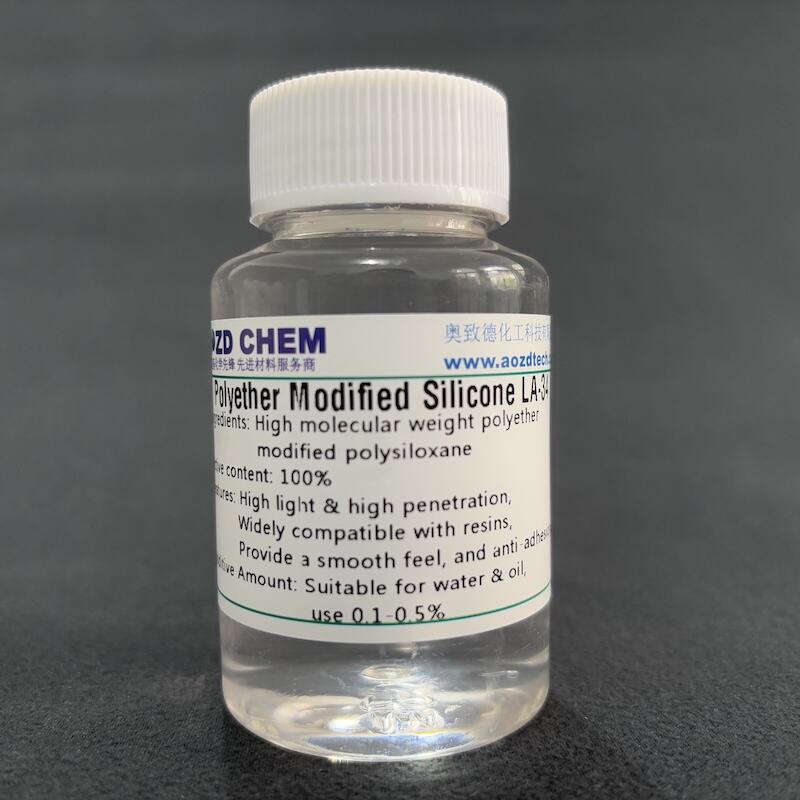
در دنیای تولید صنعتی و علوم مواد، همهٔ مواد افزودنی برابر ساخته نشدهاند. اگرچه خریدارانی که از نظر بودجه حساس هستند، اغلب به گزینههای ارزانتر جذب میشوند، اما شکاف عملکردی بین انواع استاندارد و پیشرفتهٔ مواد افزودنی میتواند پیامدهای گستردهای بر کیفیت محصول، کارایی تولید و سودآوری بلندمدت داشته باشد. درک اینکه چه عواملی قیمت بالاتر محصولات پیشرفتهٔ مواد افزودنی را توجیه میکنند، نیازمند بررسی دقیقتری از مهندسی، شیمی و نتایج عملیای است که این محصولات ارائه میدهند.
تصمیم به سرمایهگذاری در زمینهٔ مواد افزودنی پیشرفته در خرید B2B معمولاً به سبک سبک گرفته نمیشود. فرمولسازان، مهندسان و توسعهدهندگان محصول بهطور مداوم هزینه را در مقابل عملکرد وزن میکنند و هنگامی که بهطور مکرر مواد افزودنی پremium را بر گزینههای ارزانتر ترجیح میدهند، دلایل فنی و تجاری قانعکنندهای پشت این انتخاب وجود دارد. این مقاله بهصورت عمیق به بررسی این دلایل میپردازد و به تیمهای تأمین، متخصصان تحقیق و توسعه و مدیران تولید کمک میکند تا در مورد اینکه کیفیت افزودنیها در کجا واقعاً اهمیت دارد، تصمیمات آگاهانهتری اتخاذ کنند.
تفاوت کارکردی بین استاندارد و با عملکرد بالا مواد افزودنی
عملکرد در شرایط افراطی
یکی از اساسیترین دلایل اینکه محصولات با عملکرد بالا مواد افزودنی قیمت بالاتری را اعمال میکنند، توانایی آنها در حفظ پایداری و اثربخشی در شرایطی است که سبب تخریب یا بیاثر شدن گزینههای پایینرده میشود. چه تحت تأثیر دماهای بالا، محیطهای شیمیایی خشن، تنشهای مکانیکی یا قرار گرفتن طولانیمدت در معرض نور فرابنفش (UV) قرار گیرند، محصولات با عملکرد بالا بهگونهای طراحی شدهاند که در طول عمر مورد انتظار محصول، عملکرد خود را حفظ کنند. مواد افزودنی محصولات استاندارد
استاندارد مواد افزودنی ممکن است در شرایط کنترلشده یا ملایم بهخوبی عمل کنند، اما کاربردهای صنعتی بهندرت برای مدت طولانی ملایم باقی میمانند. هنگامی که محصول با عوامل استرسزا در دنیای واقعی مواجه میشود — مانند چرخههای حرارتی در اجزای خودرو، نیازهای مقاومت شیمیایی در مواد آببندی یا خستگی مکانیکی در پوششها — تفاوت در کیفیت افزودنیها بلافاصله آشکار میشود. یک فرمولاسیون با عملکرد بالا در جایی که فرمولاسیون استاندارد شروع به شکست میکند، خط دفاعی خود را حفظ میکند.
این قابلیت اطمینان در شرایط تنشزا تصادفی نیست. این ویژگی بازتابی از طراحی مولکولی عمدی، انتخاب دقیق مواد اولیه و فرآیندهای کنترل کیفیت سختگیرانهای است که گزینههای ارزانتر بهطور معمول از آنها عبور نمیکنند. مواد افزودنی تفاوت هزینه اولیه، در بسیاری از موارد، انعکاسی مستقیم از سرمایهگذاری انجامشده برای اطمینان از ثبات عملکرد در محیطهای کاری متنوع و پرتلاش است.
خلوص، یکنواختی و قابلیت اطمینان دفعهای (لُت)
عملکرد بالا مواد افزودنی معمولاً با مشخصات بسیار دقیقتری نسبت به گزینههای رایج تولید میشوند. این امر به معنای سطوح بالاتر خلوص، توزیع اندازه ذرات یکنواختتر و کنترل دقیقتر غلظت مواد مؤثر است. برای تولیدکنندگانی که به نتایج قابل پیشبینی در فرمولاسیونهای خود وابستهاند، این یکنواختی مستقیماً منجر به کاهش شکست دفعات تولید، کاهش نیاز به اصلاح مجدد و افزایش کیفیت قابل اعتماد محصول نهایی میشود.
در صنایعی که حتی نوسانات جزئی در عملکرد افزودنیها میتواند منجر به رد محصول، عدم انطباق با مقررات یا شکایات مشتریان شود، سازگانپذیری دستهبهدسته (ثبات بین دستهها) ارزش پرداختن برای آن را دارد. افزودنیهای باکیفیت بالا مواد افزودنی از تأمینکنندگان معتبر همراه با اسناد، گواهینامهها و دادههای آزمایشی ارائه میشوند که مشخصات آنها را تأیید میکنند — و این امر قابلیت ردیابی و پاسخگویی لازم را که سیستمهای مدیریت کیفیت مدرن از آن انتظار دارند، فراهم میآورد.
ناسازگانپذیری در مواد افزودنی افزودنیها، در مقابل، هزینههای پنهانی ایجاد میکند که به راحتی میتواند هرگونه صرفهجویی حاصلشده در زمان خرید را از بین ببرد. عیبیابی مشکلات فرمولاسیون، دور ریختن تولیدات معیوب، مدیریت شکایات مشتریان و آسیب به شهرت برند، همگی پیامدهایی هستند که در ادامهٔ انتخاب افزودنیها صرفاً بر اساس قیمت و بدون در نظر گرفتن ثبات کیفیت رخ میدهند.
ارزش فنی که سرمایهگذاری را توجیه میکند
چندکارکردی و اثرات همافزایی
بسیاری از دوربینهای با عملکرد بالا مواد افزودنی برای ارائه همزمان چندین عملکرد طراحی شدهاند. به جای حل یک مشکل واحد — مانند فراهم کردن مقاومت اولیه در برابر روغن یا افزایش مدت زمان انبارداری — مواد پیشرفته مواد افزودنی اغلب مزایای همافزایی ارائه میدهند که تعداد کل اجزای تشکیلدهنده یک فرمولاسیون را کاهش میدهند. این چندعملکردی بودن میتواند افزایش هزینهٔ هر کیلوگرم را بهطور قابل توجهی جبران کند، بهویژه وقتی از دیدگاه کل فرمولاسیون بررسی شود.
برای مثال، یک راهحل پیشرفتهٔ مواد افزودنی ممکن است همزمان استحکام مکانیکی را ارتقا دهد، مقاومت شیمیایی را بهبود بخشد، پایداری حرارتی را افزایش دهد و پردازش را تسهیل نماید — نتایجی که در غیر این صورت نیازمند استفاده از چندین جزء افزودنی جداگانه خواهند بود. نتیجهٔ نهایی، یک فرمولاسیون سبکتر و مقرونبهصرفهتر است، حتی اگر قیمت هر واحد از آن جزء افزودنی بهتنهایی بالاتر باشد.
این نوع کارایی فرمولاسیون بهویژه در بخشهایی مانند ترکیبکردن لاستیک، پوششهای تخصصی، اختلاط پلیمرها و ساخت الاستومرها اهمیت دارد، جایی که پیچیدگی تعاملات افزودنیها نیازمند هم دقت و هم انعطافپذیری است. باکیفیت مواد افزودنی که چندین نقش را ایفا میکنند، توسعه فرمولاسیون را سادهتر کرده و خطر ناسازگاری بین سیستمهای مختلف افزودنی را کاهش میدهند.
سطح مؤثر پایینتر مصرف
مزیت مالی دیگری که اغلب نادیده گرفته میشود و مربوط به افزودنیهای با عملکرد بالا است مواد افزودنی این است که آنها اغلب در مقایسه با نمونههای تجاری خود، اثر مطلوب را در سطوح بارگذاری پایینتری حاصل میکنند. یک افزودنی غلیظتر یا واکنشپذیرتر به مقدار کمتری از مواد در هر بار تولید برای رسیدن به همان آستانه عملکردی نیاز دارد؛ این امر مصرف مواد اولیه را کاهش داده و علیرغم قیمت واحد بالاتر، میتواند هزینه کلی فرمولاسیون را پایین آورد.
هنگام ارزیابی مواد افزودنی ، تیم های خرید که فقط بر قیمت در کیلوگرم تمرکز می کنند، ابعاد مهمی از معادله هزینه را از دست می دهند. معیاری که مربوط است هزینه برای هر واحد عملکرد است و در این معیار، پاداش مواد افزودنی اغلب برنده میشم تحلیل دقیق هزینه استفاده تقریبا همیشه نشان می دهد که گزینه های با عملکرد بالا ارزش بیشتری نسبت به قیمت اولیه آنها ارائه می دهند.
این اصل در بسیاری از دسته های افزودنی از جمله آنتی اکسیدان ها، پلاستیک کننده ها، عوامل مقاوم به روغن، عوامل پیوند و کمک های پردازش اعمال می شود. در هر مورد، غلظت موثر مورد نیاز برای دستیابی به خواص هدف اغلب برای درجه های برتر پایین تر است، به این معنی که صرفه جویی در مواد به طور جزئی یا کامل برای قیمت قیمت در محل خرید جبران می شود.
تاثیر بر کیفیت محصول نهایی و موقعیت بازار
رعایت استانداردهای سختگیرانه صنعت و مقررات
بسیاری از صنایع اکنون تحت الزامات فنی و نظارتی به طور فزاینده ای کار می کنند که به سادگی نمی توانند با روش های عمومی برآورده شوند. مواد افزودنی صنایع خودروسازی، هوافضا، بستهبندی تماسپذیر با مواد غذایی، دستگاههای پزشکی و مواد ساختمانی همگی استانداردهای خاصی را برای عملکرد و ایمنی مواد تعیین میکنند — استانداردهایی که آستانههای حداقلی را برای خواص مکانیکی، مقاومت شیمیایی، دوام و انطباق با الزامات زیستمحیطی تعریف میکنند.
عملکرد بالا مواد افزودنی اغلب با در نظر گرفتن این چارچوبهای نظارتی توسعه داده میشوند. تأمینکنندگان در آزمونها، گواهیدهی و اسناد انطباق سرمایهگذاری میکنند تا فرمولهکنندگان بتوانند با اطمینان محصولات آنها را در کاربردهای تحت نظارت بهکار گیرند. این آمادگی نظارتی بخشی از عاملی است که محصولات باکیفیت بالا را ارزش سرمایهگذاری میکند — زیرا عدم قطعیت و مسئولیتپذیری را از فرآیند انطباق حذف میکند. مواد افزودنی ارزش سرمایهگذاری دارد — آنها عدم قطعیت و مسئولیتپذیری را از فرآیند انطباق حذف میکنند.
برای تولیدکنندگانی که در بخشهای تحت نظارت فعالیت میکنند، استفاده از مواد افزودنی که عملکرد آنها از سطوح مورد نیاز کمتر است، صرفاً یک مسئلهٔ کیفیت نیست — بلکه میتواند منجر به بازگرداندن محصولات، مسئولیتهای قانونی و از دست دادن دسترسی به بازار شود. هزینهٔ رسیدن یک محصول نامطابق به مشتری نهایی بسیار بیشتر از هر نوع صرفهجویی کوتاهمدتی است که از انتخاب یک افزودنی ارزانتر در مرحلهٔ تأمین تأمینکنندگان حاصل میشود.
تمایز رقابتی از طریق برتری در پایان خط تولید محصولات
تولیدکنندگانی که بهطور مداوم از مواد افزودنی با عملکرد بالا مواد افزودنی در فرمولاسیونهای خود استفاده میکنند، مزیت رقابتی قابلتوجهی در بازارهایی کسب میکنند که کیفیت محصول عامل کلیدی تمایز است. آیا این یک واشر لاستیکی است که عمر بیشتری نسبت به رقبا دارد، یا یک پوشش که در شرایط سخت ثبات خود را حفظ میکند، یا یک قطعهٔ پلیمری که انتظارات مشتری از مقاومت در برابر سایش را فراتر میبرد؛ کیفیت «مواد افزودنی» مورد استفاده اغلب عامل پنهان پشت عملکرد برتر محصول است. مواد افزودنی مواد افزودنی
این تمایز رقابتی ارزش تجاری واقعی دارد. مشتریانی که عملکرد مداوماً برتر محصول را تجربه میکنند، بازگشت میکنند، محصول را توصیه میکنند و بیشتر پرداخت میکنند. احتمال اینکه آنها به گزینهای ارزانتر روی آورند کمتر است، زیرا شواهد ملموسی دارند که محصول شما در مقایسه با سایر محصولات موجود در این حوزه عملکرد بهتری دارد. قیمت پرداختی اضافی برای کیفیت بالا مواد افزودنی بهطور مؤثری تأمینکنندهی وعدهی برند است که بازدهی را در طول زمان فراهم میکند.
بهویژه در بازارهای کالاییشده، جایی که فشار قیمتی شدید است و حاشیههای سود نازک میباشند، توانایی ارائهی محصولی بهوضوح بهتر از طریق انتخاب هوشمندانهی مواد افزودنی، موقعیتی دفاعپذیر برای تولیدکنندگان فراهم میکند. این امر گفتوگو را از قیمت به ارزش منتقل میکند — و ارزش پایهای بسیار پایدارتر برای روابط تجاری بلندمدت نسبت به رقابت صرف بر اساس هزینه است.
هزینهی کل مالکیت: استدلال مالی گستردهتر
کاهش ضایعات، کارهای اصلاحی و توقف تولید
هنگام ارزیابی هزینهی واقعی مواد افزودنی ، لازم است به آنچه در صورت عملکرد ضعیف آنها رخ میدهد توجه شود. محصولات نامناسب مواد افزودنی که باعث ناپایداری فرمولاسیون، تخریب زودرس یا رفتار پردازشی نامناسب میشوند، هزینههای پنهانی را در سراسر زنجیره تولید ایجاد میکنند. نرخ بالاتر ضایعات، توقفهای غیر برنامهریزیشده، نیروی کار مورد نیاز برای عیبیابی و تلاشهای اضطراری برای بازفرمولاسیون، همگی پیامدهای مالی مستقیم شکستهای کیفیت افزودنیها هستند.
عملکرد بالا مواد افزودنی ، به دلیل ثبات و قابلیت اطمینان بالای خود، به حداقل رساندن این اختلالات کمک میکنند. خطوط تولید روانتر کار میکنند، نتایج کنترل کیفیت قابل پیشبینیتر هستند و فراوانی اقدامات اصلاحی بهطور قابل توجهی کاهش مییابد. برای تولیدکنندگان با حجم بالا، حتی بهبودهای جزئی در بازده و زمان کارکرد (آپتایم) که ناشی از استفاده از مواد افزودنی به صرفهجوییهای قابل توجه سالانه در هزینهها تبدیل میشوند.
بنابراین، تحلیل واقعبینانهی کل هزینهی مالکیت باید شامل هزینهی شکستهای کیفیت نیز باشد، نه صرفاً هزینهی مواد اولیه. وقتی این دیدگاه گستردهتر اعمال میشود، قیمت بالاتر افزودنیهای با عملکرد بالا مواد افزودنی اغلب بهطور کامل ناپدید میشود یا معکوس میگردد — و جای آن را صرفهجویی قابلاندازهگیری در بازدهی عملیاتی و کاهش ضایعات میگیرد.
دوام بلندمدت و عملکرد گارانتی
محصولاتی که با مواد اولیه باکیفیت تهیه شدهاند مواد افزودنی تمایل به نشان دادن دوام بلندمدت عالیتری دارند — عاملی که مستقیماً بر هزینههای گارانتی، نیازهای خدمات پس از فروش و شاخصهای رضایت مشتری تأثیر میگذارد. در صنایعی که انتظار میرود محصولات برای سالها یا دههها عملکرد داشته باشند، انتخاب مواد افزودنی در طول فرآیند تولید، تعیینکننده این است که آیا ادعاهای گارانتی انباشته میشوند یا به حداقل میرسند.
استدلال مربوط به دوام بلندمدت بهویژه برای تولیدکنندگانی که گارانتیهای گسترده یا تضمینهای عملکردی را بهعنوان بخشی از پیشنهاد ارزش خود ارائه میدهند، جذابیت زیادی دارد. استفاده از مواد افزودنی در این زمینه، نوعی مدیریت ریسک گارانتی محسوب میشود. هزینه یک ادعای گارانتی مهم یا یک پرونده مسئولیت محصول میتواند بسیار بیشتر از تفاوت تجمعی هزینه بین مواد اولیه باکیفیت و استاندارد مواد افزودنی در صدها دسته تولیدی باشد.
سرمایهگذاری در کیفیت مواد افزودنی بنابراین، پرداخت اولیه تنها یک تصمیم فنی نیست — بلکه استراتژیای برای مدیریت ریسک مالی است که تولیدکنندگان را در برابر مسئولیتهای بعدی حفظ میکند؛ مسئولیتهایی که هزینه و اختلال آنها بسیار بیشتر و شدیدتر از هر افزایش قیمت اولیهای است که ممکن است وجود داشته باشد.
سوالات متداول
چرا افزودنیهای با عملکرد بالا گرانتر از درجات استاندارد هستند؟
عملکرد بالا مواد افزودنی معمولاً شامل مهندسی شیمی پیچیدهتر، مواد اولیه با خلوص بالاتر و فرآیندهای کنترل کیفیت دقیقتری میشوند. سرمایهگذاری در توسعه، پروتکلهای آزمایش و استانداردهای ثبات مورد نیاز برای تولید محصولات برتر، همه در قیمت بالاتر منعکس میشوند. مواد افزودنی این هزینهها از طریق عملکرد بهتر محصول، سطوح مصرف مؤثرتر و کاهش شکستهای کیفی در مراحل بعدی قابل بازیابی هستند.
آیا جایگزینی افزودنیها با گزینههای ارزانتر میتواند صرفهجویی قابل توجهی ایجاد کند؟
در پایه هر کیلوگرم، ارزانتر مواد افزودنی ممکن است به نظر صرفهجویی ایجاد کند. با این حال، هنگامی که هزینه کل مالکیت در نظر گرفته میشود — از جمله سطوح بالاتر مصرف، نرخهای بالاتر ضایعات، شکست دفعات تولید، ادعاهای احتمالی گارانتی و افت کیفیت محصول — این صرفهجوییها به ندرت محقق میشوند. در بسیاری از موارد، تغییر به مواد افزودنی با درجه پایینتر مواد افزودنی هزینههای خالصی ایجاد میکند که از مزیت ظاهری قیمتی فراتر میرود.
چگونه میتوانم ارزیابی کنم که آیا یک ماده افزودنی پremium واقعاً ارزش قیمت بالاتر خود را دارد؟
قابلاعتمادترین روش ارزیابی، تحلیل هزینه در استفاده است که مقایسهای را بر اساس عملکرد مؤثر در هر واحد هزینه — نه صرفاً قیمت هر کیلوگرم — انجام میدهد. این تحلیل شامل محاسبه سطوح مورد نیاز برای دستیابی به خواص هدف، ارزیابی دادههای ثبات دفعات تولید، بررسی مستندات فنی و انجام آزمایشهای کاربردی برای اندازهگیری تفاوتهای عملکردی در دنیای واقعی تحت شرایط مرتبط میشود. مواد افزودنی شامل محاسبه سطوح مورد نیاز برای دستیابی به خواص هدف، ارزیابی دادههای ثبات دفعات تولید، بررسی مستندات فنی و انجام آزمایشهای کاربردی برای اندازهگیری تفاوتهای عملکردی در دنیای واقعی تحت شرایط مرتبط میشود.
آیا مواد افزودنی با عملکرد بالا برای تمام کاربردها ضروری هستند؟
هر کاربردی نیازمند بالاترین سطح عملکرد از مواد افزودنی . برای کاربردهای اولیه و غیرحرجی با حداقل نیازهای عملکردی، درجات استاندارد ممکن است کاملاً کافی باشند. با این حال، برای کاربردهایی که شامل محیطهای سختگیرانه، الزامات انطباق با مقررات، طول عمر طولانیتر محصول یا تمایز کیفی رقابتی هستند، مواد افزودنی با عملکرد بالا مواد افزودنی ارزشی فراهم میکنند که با جایگزینهای عمومی تکرار آن دشوار است. درک نیازهای خاص عملکردی هر کاربرد، کلید اتخاذ تصمیم مناسب در انتخاب مواد افزودنی است.
فهرست مطالب
- تفاوت کارکردی بین استاندارد و با عملکرد بالا مواد افزودنی
- ارزش فنی که سرمایهگذاری را توجیه میکند
- تاثیر بر کیفیت محصول نهایی و موقعیت بازار
- هزینهی کل مالکیت: استدلال مالی گستردهتر
-
سوالات متداول
- چرا افزودنیهای با عملکرد بالا گرانتر از درجات استاندارد هستند؟
- آیا جایگزینی افزودنیها با گزینههای ارزانتر میتواند صرفهجویی قابل توجهی ایجاد کند؟
- چگونه میتوانم ارزیابی کنم که آیا یک ماده افزودنی پremium واقعاً ارزش قیمت بالاتر خود را دارد؟
- آیا مواد افزودنی با عملکرد بالا برای تمام کاربردها ضروری هستند؟