
 EN
EN
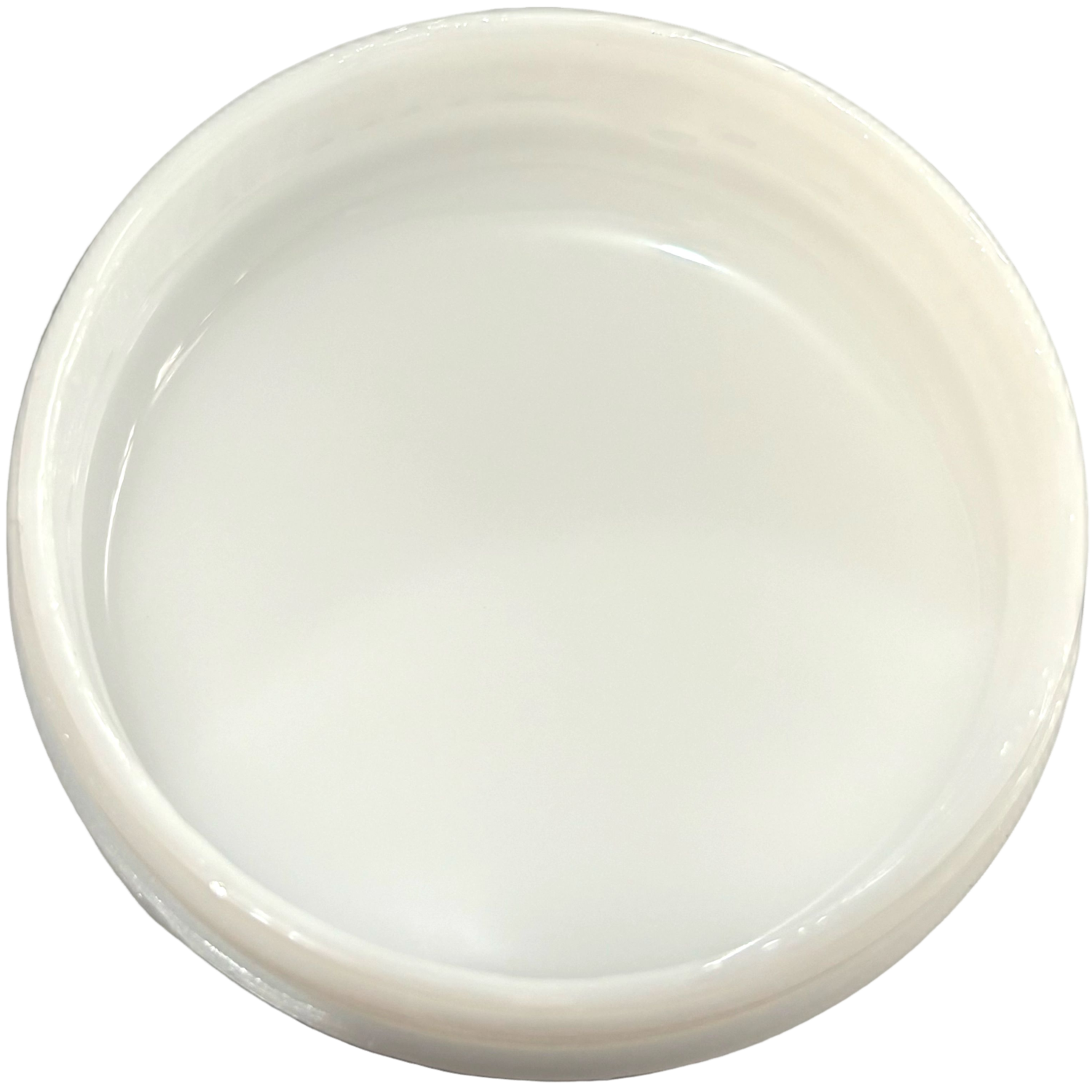
در دنیای پوششهای مبتنی بر آب، فرمولاسیونکنندگان بهطور مداوم در جستجوی افزودنیهایی هستند که بتوانند عملکرد را بهبود بخشند، بدون اینکه انطباق زیستمحیطی یا کیفیت اعمال را تحت تأثیر قرار دهند. در میان گزینههای متعدد موجود، پراکنش سیلیکون بهعنوان یکی از محبوبترین و پایدارترین انتخابها ظهور کرده است. توانایی منحصربهفرد آن در ادغام بیدرز در سیستمهای آبی، در عین ارائه طیف گستردهای از مزایای عملکردی، آن را به ابزاری ضروری برای شیمیدانان پوشش در صنایع مختلف تبدیل کرده است.
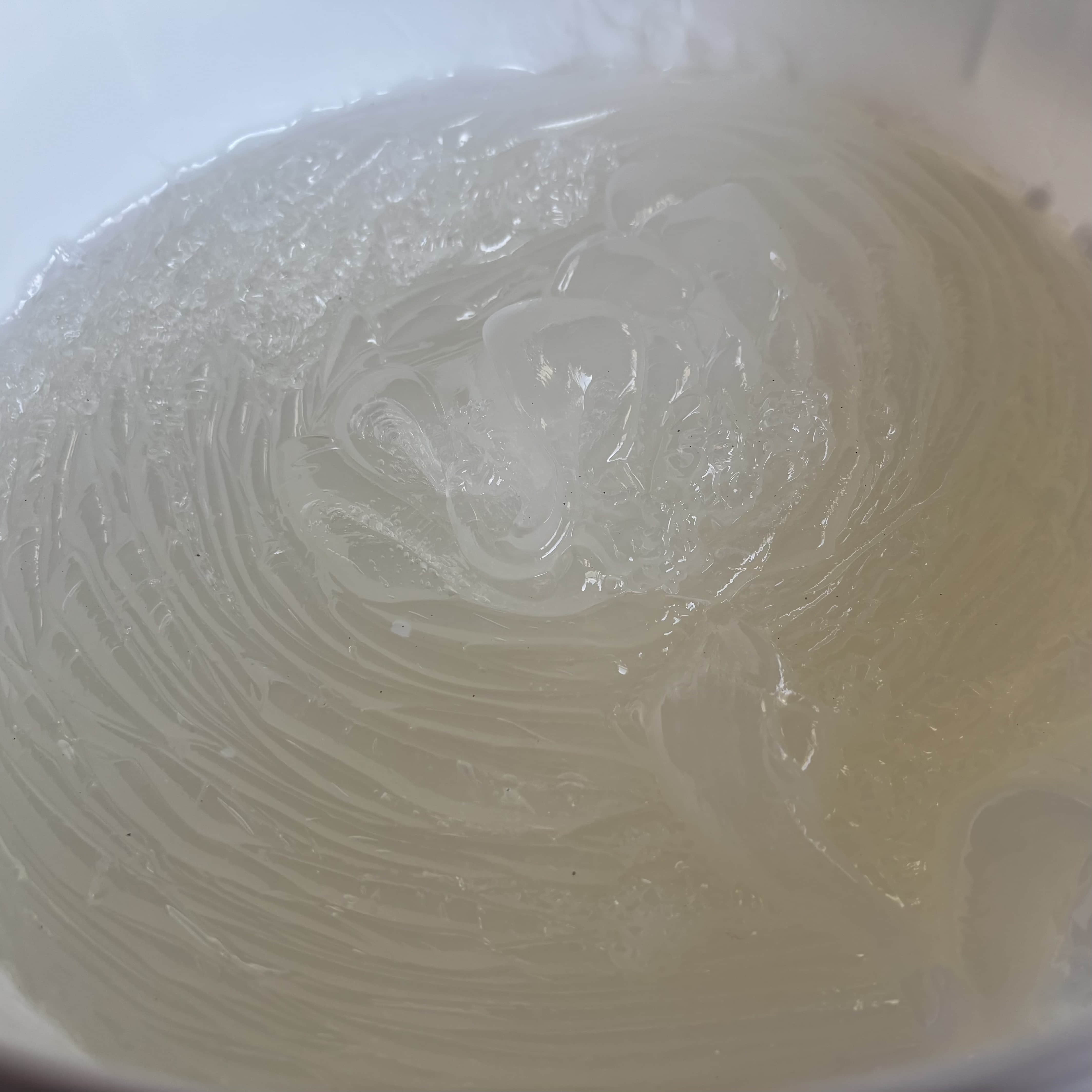
درک اینکه چرا پراکنش سیلیکون اینکه چرا چنین جایگاه مسلطی در فرمولاسیونهای پوششهای مبتنی بر آب دارد، نیازمند بررسی دقیقتری از هم شیمی مربوطه و هم نیازهای کاربردی پوششهای مدرن است. از رنگهای معماری تا پوششهای محافظ صنعتی، دلایل این امر ریشه در علم عملکرد، سازگاری فرمولاسیونی و خواص فیلم بلندمدت دارد که کمتر افزودنی دیگری قادر به تطبیق با آنها است.
شیمی پراکندگی سیلیکون در سیستمهای آبی
چگونه سیلیکون با آب سازگان یافته میشود
سیلیکون در حالت خام پلیسیلوکسان آن ذاتاً هیدروفوب است که معمولاً با سیستمهای مبتنی بر آب ناسازگان میباشد. برای غلبه بر این مشکل، پراکنش سیلیکون با پراکندهسازی پلیمرهای سیلیکونی یا امولسیونهای سیلیکونی در یک حامل آبی با استفاده از امولسیفایرها و پایدارکنندههای بهدقت انتخابشده، طراحی و تولید میشود. این فرآیند منجر به ایجاد یک سیستم پایدار و بهخوبی پراکنده میگردد که میتوان آن را مستقیماً در فرمولاسیونهای پوششهای آبی بدون جدایش فاز یا مشکلات سازگانپذیری ادغام نمود.
اندازه ذرات و شیمی سطحی یک پراکنش سیلیکون با دقت بالا کنترل میشوند تا توزیع یکنواخت در سراسر ماتریس پوشش تضمین گردد. هنگامی که پوشش خشک شده و لایهای را تشکیل میدهد، سیلیکون به نواحی سطحی و زیرسطحی مهاجرت میکند که در آنجا مزایای عملکردی آن بیشترین اهمیت را دارد. این رفتار خودتشکیلشوندگی (خودلایهبندی) یکی از دلایل اصلی ترجیح این نوع افزودنی توسط فرمولاسیونکنندگان نسبت به سایر گزینههاست که نیازمند حلال یا مراقبتهای ویژه هستند.
برخلاف افزودنیهای سیلیکونی مبتنی بر حلال، پراکنش سیلیکون نیاز به ترکیبات آلی فرار را حذف میکند، در عین حال اثرات سطحی قابل مقایسه یا برتری را ارائه میدهد. این ویژگی آن را بهطور مستقیم با جابجایی صنعتی به سمت سیستمهای پوششی کمVOC و بدون VOC همسو میسازد؛ روندی که همچنان در بازارهای پوششی مصرفی و صنعتی با سرعت بیشتری در حال گسترش است.
ملاحظات مربوط به پایداری و نگهداری
استفاده از پراکنش سیلیکون در فرمولاسیونهای آبمبنا، پایداری انباری آن است. فرمولاسیونهای مدرن با پایداری امولسیونی قوی طراحی شدهاند، یعنی تحت شرایط استاندارد نگهداری در برابر ادغام، کرمشدن یا رسوبگذاری مقاومت میکنند. این ویژگی بهویژه در زنجیرههای تأمین پوششهای صنعتی اهمیت دارد، زیرا محصولات ممکن است مدتها در انبارها قبل از مصرف نگهداری شوند.
فرمولسازان همچنین از این ویژگی قدردانی میکنند که پراکنش سیلیکون محصولات معمولاً از پایداری خوبی در برابر چرخههای انجماد-ذوب برخوردارند، بهویژه زمانی که بهدرستی پایدارسازی شده باشند. این ویژگی کاربرد آنها را در اقلیمها و محیطهای نگهداری مختلف گستردهتر میکند و خطر هدررفت محصول ناشی از تجزیه امولسیون را کاهش میدهد. ترکیب مقاومت بالا در نگهداری و آسانبودن ادغام در ظروف اختلاط، کار با این مواد را بهمراتب سادهتر از سیستمهای سیلیکونی واکنشپذیر میسازد که نیازمند ترتیب دقیق افزودن یا دمای بالاتر هستند.
مزایای عملکرد سطحی که ترجیح مشتریان را تعیین میکنند
بهبود لغزندگی و مقاومت در برابر خراشهای سطحی
یکی از دلایل اصلی استفاده از پراکنش سیلیکون در پوششهای آبمبنا، مقاومت فوقالعاده بالای آن در برابر لغزندگی و خراشهای سطحی است که به فیلم سختشده اعطا میکند. هنگامی که سیلیکون در طول فرآیند خشکشدن به سطح مهاجرت میکند، یک رابط کماصطکاک ایجاد مینماید که در برابر خراشیدگی، سایش و سایر اثرات مکانیکی مقاوم است. این ویژگی بهویژه در پوششهای مورد استفاده برای کفها، مبلمان، بستهبندی و سطوح محصولات مصرفی ارزشمند است، جایی که دوام در برابر استفاده روزانه از اهمیت حیاتی برخوردار است.
احساس نرم و لغزندهای که پراکنش سیلیکون ارائه میدهد، با جایگزینهای مبتنی بر واکس یا سایر عوامل لغزشی پلیمری بهسختی قابل تقلید است. برخلاف واکسها که ممکن است باعث کدر شدن فیلم یا مشکلات چسبندگی بین لایهها شوند، سیستمهای مبتنی بر سیلیکون عموماً در سطوح توصیهشده، شفافیت اپتیکی را حفظ میکنند و در اعمال لایههای روکش بعدی مداخله نمیکنند. این ویژگی آنها را بهویژه در سیستمهای روکش چندلایه مورداستفاده در صنعت پرداخت سطح چوب یا پلاستیک ارزشمند میسازد.
از دیدگاه کاربردی، روکشهایی که با پراکنش سیلیکون تقویت شدهاند، بهبود قابلاندازهگیری در آزمونهای سختی مداد، چسبندگی پس از خراش (آزمون شبکهای) و ضریب اصطکاک را نشان میدهند. این ویژگیها صرفاً زیباییشناختی نیستند — بلکه مستقیماً به افزایش طول عمر محصول و کاهش شکایات تحت ضمانت در کاربردهای تجاری منجر میشوند.
سطحیابی و اثرات ضدحفرهای
پراکنش سیلیکون نقش قابل توجهی در کنترل گرادیانهای کشش سطحی در طول فرآیند خشکشدن و تشکیل لایه ایفا میکند. هنگامی که پوششی اعمال میشود، تفاوتهای موجود در کشش سطحی در سراسر فیلم مرطوب میتواند منجر به ایجاد سلولهای بنارد، حفرهها و ترازبندی نامنظم شود. حضور سیلیکون کشش سطحی پویا را کاهش داده و این الگوهای جریان ناهمگن را مهار میکند که در نتیجه لایهای صافتر و یکنواختتر ایجاد میشود.
اثر ضدحفرهای بهویژه در پوششهای صنعتی آبمبنا که روی زیرلایههای آلوده یا بهصورت نسبتاً آمادهشده اعمال میشوند، اهمیت زیادی دارد. آلودگی ناشی از روغنها، چربیها یا بقایای سیلیکونی روی زیرلایه میتواند در فرمولاسیونهای بدون درمان، باعث ایجاد حفرههای شدید شود. یک مقدار مناسب از پراکنش سیلیکون کشش سطحی را تا حدی کاهش میدهد که امکان پخش و ترکیدن پوشش روی این نواحی مشکلزا فراهم شده و عیوب بهحداقل میرسند، بدون اینکه نیازی به آمادهسازی مجدد گسترده زیرلایه باشد.
این مزیت تسطیحکننده همچنین به بهبود ظاهر بصری پوشش نهایی کمک میکند، از جمله یکنواختی بیشتر در براقیت و کاهش بافت پوست پرتقالی. در کاربردهایی مانند پوششهای ترمیم خودرو یا پوششهای نهایی معماری با کیفیت بالا، این ویژگیهای بصری به اندازه معیارهای عملکردی نیز اهمیت دارند؛ که این امر دلیل اصلی این است که پراکنش سیلیکون هنوز هم انتخاب اول فرمولاسیونگذاران باقی مانده است.
مزایای دوام عملکردی در پوششهای آبمبنا
دوام در برابر آب و ویژگیهای سطحی آبگریز
پوششهای آبمبنا اغلب با چالش تولید فیلمهایی روبهرو هستند که پس از پخت، بهجای جذب آب، بهطور مؤثری آب را دفع میکنند. اینجاست که پراکنش سیلیکون مزیتی بهویژه قابلتوجه ارائه میدهد. ستون فقرات سیلیکونی این ماده که غنی از پیوندهای Si–O–Si و گروههای آلی غیرقطبی جانبی است، بهصورت ذاتی پس از تشکیل فیلم، خاصیت آبگریزی را به سطح پوشش میبخشد. نتیجه این امر بهبود قابلاندازهگیری در زاویه تماس آب و کاهش جذب آب است.
برای پوششهای معماری که روی سطوح خارجی سنگفرش، گچکاری یا چوب اعمال میشوند، این اثر آبگریزی بهطور مستقیم منجر به مقاومت بهتر در برابر عوامل جوی، کاهش رشد جلبک و قارچ و افزایش عمر مفید میشود. تخریب ناشی از رطوبت یکی از اصلیترین حالتهای شکست پوششهای خارجی است؛ بنابراین توانایی پراکنش سیلیکون در ایجاد سطحی دافع آب، یکی از مهمترین الزامات عملکردی با ارزش تجاری در بازار را برآورده میسازد.
لازم به توجه است که این خاصیت دافع آب، در سیستمهایی که بهدرستی فرموله شدهاند، بهحساب نیامدن نفوذپذیری بخار را در پی ندارد. بسیاری از کاربردهای پوششهای خارجی نیازمند میزانی از قابلیت «تنفس» هستند تا از محبوس شدن رطوبت و ایجاد حباب یا جداشدن لایه جلوگیری شود. پراکنش سیلیکون را میتوان بهگونهای فرموله کرد که عملکرد سطحی آبگریز را با نفوذپذیری قابل قبول بخار رطوبت متعادل سازد؛ این دو الزام همزمان، اغلب برای پوششهای کاملاً آبگریز دشوار است.
مقاومت حرارتی و پایداری حرارتی فیلم پوشش
پیوند Si–O در هستهٔ شیمی سیلیکون، از نظر حرارتی بسیار پایدارتر از پیوندهای کربن–کربن یا کربن–اکسیژن موجود در پلیمرهای آلی است. این پایداری حرارتی ذاتی به فیلم روکش منتقل میشود زمانی که پراکنش سیلیکون در آن ترکیب میشود و باعث میگردد روکش نهایی در برابر تغییر رنگ، نرمشدن یا تخریب ناشی از گرما مقاومت بیشتری داشته باشد. در روکشهای صنعتی که روی زیرلایههای فلزی قرار میگیرند و در معرض دماهای بالاتری قرار دارند، این ویژگی میتواند عاملی تعیینکنندهٔ عملکرد باشد.
پراکنش سیلیکون همچنین به حفظ انعطافپذیری و چسبندگی روکش در دماهای بالا و پایین کمک میکند. محدودهٔ گستردهٔ دمایی کاربردی پلیمرهای سیلیکونی بدین معناست که روکشهای حاوی این پلیمرها تمایل دارند در پنجرهٔ دمایی وسیعتری نسبت به روکشهایی که تنها از رزینهای آکریلیک یا پلیاورتان استفاده میکنند، عملکرد مناسب و ظاهر قابل قبولی داشته باشند. برای روکشهای تجهیزات، روکشهای لولهها و پوششهای ماشینآلات صنعتی، این تابآوری حرارتی ارزش افزودهای معنادار ایجاد میکند که هم سازندگان فرمولاسیون و هم کاربران نهایی آن را ارزش اضافی تلاش فرمولاسیونی بیشتر میدانند.
انعطافپذیری فرمولاسیون و سازگانی با سیستمهای رزین مدرن
سازگانی با رزینهای آکریلیک، پلیاورتان و ترکیبی
پراکنش سیلیکون بهدلیل سازگانی گستردهاش با طیف وسیعی از شیمیهای رزینهای آبپایه شناخته شده است. چه سیستم پایه یک پراکندگی آکریلیک، یک پراکندگی پلیاورتان، یک رزین ترکیبی آکریلیک-پلیاورتان یا یک امولسیون آلکید باشد، محصولات «» را میتوان بدون ناپایدار کردن امولسیون رزین یا ایجاد جدایش فازی در فرمولاسیون مناسب ادغام نمود. پراکنش سیلیکون این انعطافپذیری دلیل اصلی آن است که فرمولاسیونکنندگان در خطوط تولید مختلف اغلب بر روی یک افزودنی پراکندگی سیلیکونی واحد استانداردسازی میکنند، نه اینکه چندین محصول ناسازگان با یکدیگر را مدیریت نمایند.
سازگانی تنها تابعی از شیمی سیلیکونی نیست — بستهی امولسیفایر و سیستم پایدارکنندهای که در پراکنش سیلیکون باید با ویژگی یونی سیستم چسباننده تطبیق داده شود. اکثر پراکنشهای سیلیکونی تجاری بهصورت سیستمهای غیریونی یا آنیونی تهیه میشوند تا سازگاری گستردهتری را تضمین کنند و تأمینکنندگان معمولاً راهنماییهای دقیقی درباره سازگاری محصولات خود با انواع رایج چسبانندهها ارائه میدهند. این سطح از پشتیبانی فنی، اتخاذ پراکنش سیلیکون را در فرمولاسیونهای جدید حتی برای تولیدکنندگان کوچکتر پوششها را فرآیندی قابل مدیریت میسازد.
انعطافپذیری در دوز و تنظیم عملکرد
استفاده از پراکنش سیلیکون این امکان را فراهم میکند که با تنظیم سطح دوز، عملکرد را بهطور دقیق تنظیم نمود. در نرخهای افزودن پایینتر، مزایای اصلی عمدتاً شامل صافسازی، کاهش کشش سطحی و جلوگیری از تشکیل حفرهها میشود. با افزایش دوز، مقاومت در برابر لغزش، دفع آب و مقاومت در برابر خراشها بیشتر مشهود میشوند. این واکنش تدریجی به دوز، کنترل دقیق روی ویژگیهای نهایی پوشش را بدون نیاز به تغییر افزودنیها در اختیار فرمولاسیونکنندگان قرار میدهد.
با این حال، عبور از دوز بهینه پراکنش سیلیکون میتواند منجر به لغزش بیش از حد، کاهش چسبندگی بین لایهها یا مشکلات در پایدارسازی فوم شود. صنعتگران حرفهای معمولاً در طول مرحله توسعه، مطالعهای برای بهینهسازی دُز انجام میدهند تا نقطه بهینه را برای هر فرمولاسیون خاص شناسایی کنند. رفتار قابل پیشبینیِ واکنش به دُز در محصولاتی که بهخوبی مهندسی شدهاند، این فرآیند بهینهسازی را نسبت به سیستمهای افزودنی واکنشی پیچیدهتر، نسبتاً ساده میسازد. پراکنش سیلیکون محصولات باعث میشود این فرآیند بهینهسازی نسبت به سیستمهای پیچیدهتر افزودنیهای واکنشی، نسبتاً ساده باشد.
آسانی تنظیم دُز همچنین بدین معناست که همان پراکنش سیلیکون محصول میتواند در چندین خط تولید مختلف در چیدمان پوششها به کار رود، که هر کدام نیازمند ویژگیهای عملکردی سطحی کمی متفاوتی هستند. این امر پیچیدگی موجودی مواد اولیه را کاهش داده و خرید را سادهتر میکند؛ که مزایای واضحی از جنبه هزینه و عملیاتی برای تولیدکنندگان صنعتی پوششها که طیف گستردهای از محصولات را مدیریت میکنند، ایجاد میکند.
هماهنگی با محیط زیست و مقررات
حمایت از استراتژیهای فرمولاسیون کمفرمولآلاینده (Low-VOC) و آبپایه
صنعت جهانی پوششها تحت فشار فزایندهای از مقررات زیستمحیطی، الزامات پایداری مشتریان و اهداف داخلی شرکتی در حوزه ESG برای کاهش یا حذف فرمولاسیونهای مبتنی بر حلال قرار دارد. پراکنش سیلیکون بهطور طبیعی در این انتقال جای میگیرد، زیرا ذاتاً آببنیان است، فاقد حلالهای خطرناک بوده و با استراتژیهای فرمولاسیون کمفرار (کمVOC) سازگان است. با انتخاب پراکنش سیلیکون بهجای سیلیکونهای مبتنی بر حلال، فرمولهکنندگان میتوانند بدون تأثیر منفی بر وضعیت انطباق نظارتی خود، اهداف عملکردی را محقق سازند.
در بسیاری از مناطق، طبقهبندی افزودنیهای پوششی در چارچوب مقررات ایمنی شیمیایی نیازمند توجه دقیق به ارتباطات مربوط به خطر و حدود مواجهه کارگران است. پراکنش سیلیکون محصولات عموماً بهعنوان مواد کمخطر با پروفایل سمیولوژیکی مطلوب طبقهبندی میشوند، که این امر مدیریت برگههای اطلاعات ایمنی (SDS) و فرآیندهای ارائه مدارک نظارتی را در مقایسه با میانمواد سیلیکونی واکنشپذیر یا جایگزینهای مبتنی بر حلال، کمتر پیچیده میسازد. این سادهسازی بار نظارتی، یک مزیت غیرمستقیم معنادار است که اغلب تا زمانی که یک فرمولاسیونکننده با چالشهای انطباقی در سیستمهای جایگزین مواجه میشود، کمتر ارزیابی میگردد.
کمک به عملکرد پوششهای پایدار
پایداری در پوششها تنها مربوط به ترکیب فرمولاسیون نیست — بلکه شامل طول عمر و دوام پوشش اعمالشده نیز میشود. پوششی که مدت طولانیتری روی زیرلایه باقی میماند، نیاز به بازپوششدهی مکرر کمتری دارد؛ این امر به معنای مصرف مواد کمتر، کاهش هزینههای نیروی کار و تولید ضایعات کمتر در طول چرخه حیات محصول است. مزایای دوامی که توسط پراکنش سیلیکون — از جمله مقاومت بهتر در برابر سایش، دفع آب و پایداری حرارتی — همه اینها به افزایش طول عمر خدماتی کمک میکنند و آن را به یک عامل واقعی پایداری تبدیل میسازند که فراتر از مشخصههای کمحلالبودن آن است.
برای تولیدکنندگان پوششها که به دنبال انتقال اعتبارات پایداری به مشتریان خود هستند، استفاده از پراکنش سیلیکون پایهای فنی معتبر برای ادعاهای مربوط به دوام، نگهداری کمتر و ردپای زیستمحیطی کمتر در طول چرخه حیات محصول فراهم میکند. با شدیدتر شدن گزارشدهی پایداری و تأثیر بیشتر مشتریان در این زمینه در بخشهای صنعتی مختلف، توانایی پشتیبانی از این ادعاها با دادههای واضح فرمولاسیون، دارایی رقابتی محسوب میشود که ترجیح برای استفاده از پراکنش سیلیکون در توسعه مدرن پوششهای آبمبنا را تقویت میکند.
سوالات متداول
چه چیزی باعث میشود که پراکندگی سیلیکون برای پوششهای آبمبنا مناسبتر از افزودنیهای سیلیکونی حلالمبنا باشد؟
پراکنش سیلیکون بهطور خاص برای سازگاری با سیستمهای آبی طراحی شده است و نیازی به حلالهای آلی بهعنوان حامل ندارد. این ویژگی آن را مستقیماً سازگار با چسبهای آبپایه میکند، پشتیبانی از فرمولاسیونهای کمفرمولآلدهید (کم-VOC) را تسهیل میسازد و کار با آن و ذخیرهسازی آن را سادهتر مینماید. افزودنیهای سیلیکونی مبتنی بر حلال، هرچند در سیستمهای مبتنی بر حلال مؤثر هستند، ممکن است امولسیونهای آبپایه را ناپایدار کرده و محتوای VOC را وارد فرمولاسیون کنند که با الزامات مدرن تنظیمی و پایداری در تضاد است.
آیا پراکندگی سیلیکونی میتواند چسبندگی لایههای روکش بعدی را تحت تأثیر قرار دهد؟
هنگام استفاده در سطوح دوز توصیهشده، پراکنش سیلیکون معمولاً چسبندگی بین لایهها را تضعیف نمیکند. با این حال، استفاده از دوز بیش از حد میتواند سطحی بسیار روانکننده ایجاد کند که اتصال مکانیکی موجود برای لایههای بعدی را کاهش دهد. فرمولهکنندگانی که در سیستمهای چندلایه کار میکنند، باید آزمونهای چسبندگی را بهعنوان بخشی از فرآیند توسعه انجام دهند و اطمینان حاصل کنند که سطوح دوز بهگونهای بهینهسازی شدهاند که برای کاربرد خاص مورد نظر مناسب باشند، نه اینکه صرفاً برای بهبود احساس سطحی به حداکثر رسیده باشند.
آیا پراکندگی سیلیکون برای پوششهای معماری بیرونی مناسب است؟
بله, پراکنش سیلیکون به دلیل توانایی آن در ایجاد خاصیت آبگریزی، پایداری در برابر اشعههای فرابنفش (UV) و مقاومت در برابر آلودگیهای زیستی مانند رشد جلبک و قارچ، بهطور گستردهای در پوششهای معماری بیرونی استفاده میشود. بهبود خاصیت دفع آب به محافظت از زیرلایهها مانند سنگفرش، چوب و سیمان الیافی در برابر نفوذ رطوبت کمک میکند که عامل اصلی تخریب پوشش در محیطهای بیرونی است. سازگاری آن با سیستمهای چسبدهنده رایج بیرونی، از جمله آکریلیک خالص و ترکیبات هیبریدی سیلیکون-آکریلیک، آن را انتخابی عملی و مؤثر میسازد.
پراکندگی سیلیکون چگونه باید در فرآیند تولید پوشش اضافه شود؟
پراکنش سیلیکون معمولاً در مرحلهٔ تخلیه یا همزدن نهایی در تولید پوشش اضافه میشود، پس از اتمام فاز سایش رنگدانه. معمولاً با همزدن متوسط اضافه میشود تا توزیع یکنواختی ایجاد شود بدون اینکه حبابهای بیش از حدی ایجاد گردد. افزودن آن بیش از حد زودهنگام در فرآیند، بهویژه در مرحلهٔ پراکندگی رنگدانهها تحت برش بالا، میتواند منجر به ناپایداری امولسیون یا توزیع نامنظم شود. پراکنش سیلیکون همیشه دستورالعملهای برگهٔ اطلاعات فنی محصول خاصی که استفاده میشود را رعایت کنید.
فهرست مطالب
- شیمی پراکندگی سیلیکون در سیستمهای آبی
- مزایای عملکرد سطحی که ترجیح مشتریان را تعیین میکنند
- مزایای دوام عملکردی در پوششهای آبمبنا
- انعطافپذیری فرمولاسیون و سازگانی با سیستمهای رزین مدرن
- هماهنگی با محیط زیست و مقررات
-
سوالات متداول
- چه چیزی باعث میشود که پراکندگی سیلیکون برای پوششهای آبمبنا مناسبتر از افزودنیهای سیلیکونی حلالمبنا باشد؟
- آیا پراکندگی سیلیکونی میتواند چسبندگی لایههای روکش بعدی را تحت تأثیر قرار دهد؟
- آیا پراکندگی سیلیکون برای پوششهای معماری بیرونی مناسب است؟
- پراکندگی سیلیکون چگونه باید در فرآیند تولید پوشش اضافه شود؟