Exceptional Processing Versatility and Compatibility
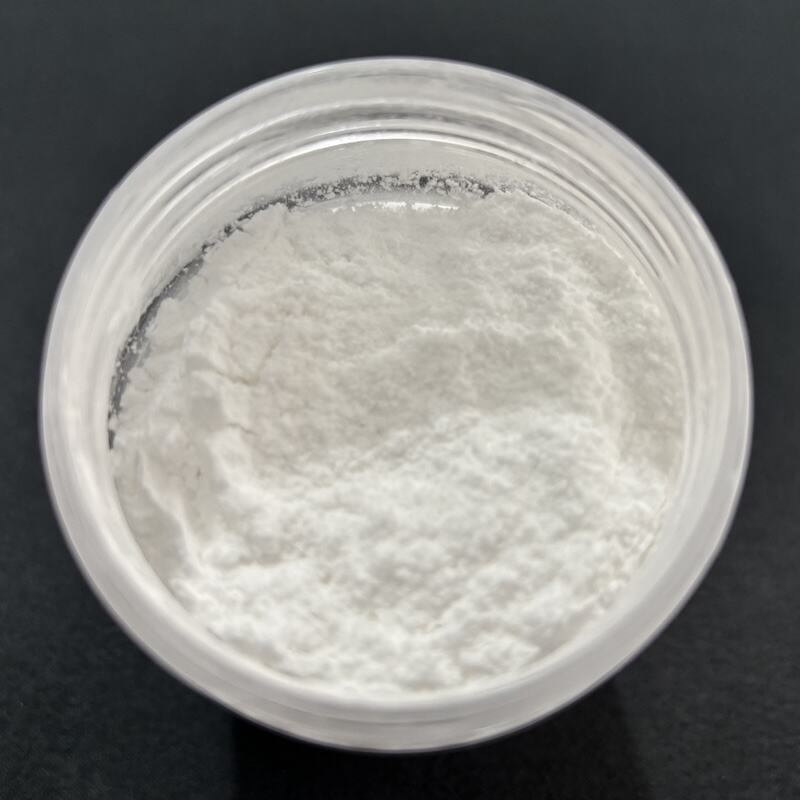
Expanded microspheres demonstrate remarkable processing versatility that makes them compatible with virtually all major manufacturing processes and material systems used in modern industry. This compatibility stems from their chemically inert nature, thermal stability, and ability to maintain structural integrity under various processing conditions including high-shear mixing, compression molding, extrusion, and spray application techniques. The microspheres integrate seamlessly into polymer matrices, maintaining uniform distribution throughout the material while preserving the base material properties that are critical for specific applications. Injection molding operations benefit from the processing advantages of expanded microspheres, which reduce injection pressures, minimize sink marks, and improve surface finish quality while reducing cycle times and energy consumption. Extrusion processes utilizing these microspheres achieve improved melt flow characteristics, reduced processing temperatures, and enhanced dimensional stability in finished products. The compatibility extends to water-based and solvent-based coating systems, where expanded microspheres maintain stability and performance across different pH levels, solvent types, and curing mechanisms. Paint and coating manufacturers report improved application properties, reduced settling, and enhanced film build characteristics when incorporating these microspheres into their formulations. Adhesive applications benefit from the processing versatility through improved gap-filling capabilities, reduced shrinkage during curing, and enhanced bond strength in structural applications. The microspheres maintain their performance characteristics throughout typical adhesive curing processes, including heat activation, chemical curing, and UV exposure methods. Composite manufacturing processes such as pultrusion, filament winding, and resin transfer molding successfully incorporate expanded microspheres without process modifications or equipment changes. The processing benefits include reduced resin consumption, improved fiber wet-out, and enhanced mechanical properties in finished composite parts. Quality control advantages include consistent batch-to-batch performance, predictable processing behavior, and minimal impact on existing quality assurance procedures. Manufacturers report reduced process variability, improved production yields, and simplified inventory management when using expanded microspheres compared to alternative lightweight fillers. The processing versatility enables rapid product development cycles and simplified formulation optimization, allowing manufacturers to quickly adapt to changing market requirements and performance specifications.

 EN
EN