Premium Functional Leather Additives - Enhanced Performance Solutions for Modern Manufacturing

All Categories

Get a Free Quote

Our representative will contact you soon.
Email
Name
Company Name
Whatsapp
Message
0/1000

functional leather additives

Functional leather additives represent a revolutionary advancement in leather processing technology, transforming ordinary hides into high-performance materials with enhanced properties and extended durability. These specialized chemical compounds are meticulously formulated to integrate seamlessly into leather manufacturing processes, providing manufacturers with unprecedented control over the final product characteristics. The primary functions of functional leather additives encompass waterproofing, antimicrobial protection, UV resistance, flame retardancy, and enhanced flexibility. Modern leather processing facilities rely heavily on these additives to meet stringent quality standards and consumer expectations for superior leather products. The technological features of functional leather additives include molecular-level penetration capabilities, ensuring uniform distribution throughout the leather matrix for consistent performance. Advanced polymer chemistry enables these additives to form protective barriers while maintaining the natural breathability and texture that consumers value in genuine leather products. Temperature stability represents another crucial technological aspect, allowing functional leather additives to withstand extreme processing conditions without degrading or losing effectiveness. The applications span across automotive interiors, furniture upholstery, footwear manufacturing, fashion accessories, and industrial protective equipment. Automotive manufacturers particularly value functional leather additives for their ability to withstand harsh environmental conditions while maintaining aesthetic appeal. Furniture producers utilize these additives to create stain-resistant surfaces that require minimal maintenance. The footwear industry benefits from moisture-wicking properties and antimicrobial protection that enhance wearer comfort and hygiene. Fashion designers appreciate the versatility that functional leather additives provide, enabling creative applications while ensuring product longevity. Industrial applications require specialized formulations that prioritize safety and durability over aesthetic considerations. The continuous evolution of functional leather additives reflects ongoing research and development efforts focused on sustainability, performance optimization, and cost-effectiveness.

New Products

Functional leather additives deliver substantial benefits that directly impact manufacturing efficiency and end-user satisfaction across multiple industries. These specialized compounds significantly reduce production costs by eliminating the need for multiple treatment processes, streamlining manufacturing workflows while maintaining superior quality standards. Manufacturers experience improved yield rates because functional leather additives minimize material waste during processing, ensuring maximum utilization of raw materials and reducing environmental impact. The enhanced durability provided by these additives translates to longer product lifecycles, reducing replacement frequency and providing excellent value for consumers. Quality consistency represents another major advantage, as functional leather additives ensure uniform properties throughout entire production batches, eliminating variations that can lead to customer complaints or returns. Processing speed increases dramatically when using functional leather additives, as single-step applications replace complex multi-stage treatments that traditionally required extended curing periods. Environmental compliance becomes achievable through formulations that meet stringent regulations while delivering exceptional performance characteristics. The versatility of functional leather additives allows manufacturers to customize properties according to specific application requirements, whether prioritizing water resistance for outdoor gear or antimicrobial properties for medical applications. Cost savings extend beyond raw material expenses to include reduced labor costs, lower energy consumption, and decreased equipment maintenance requirements. Customer satisfaction improves measurably when products incorporate functional leather additives, as enhanced performance characteristics exceed user expectations for comfort, durability, and appearance retention. Market competitiveness strengthens significantly for manufacturers who utilize these advanced additives, enabling premium pricing strategies while maintaining competitive advantages. Supply chain efficiency improves through reduced inventory requirements, as single additive formulations replace multiple specialized chemicals. The technical support provided by functional leather additives suppliers includes comprehensive training programs, ensuring optimal implementation and maximum benefit realization. Innovation opportunities expand when manufacturers partner with functional leather additives developers, accessing cutting-edge technologies and staying ahead of market trends.

Tips And Tricks

How Expandable Microspheres Revolutionize Material Science

26

Nov

How Expandable Microspheres Revolutionize Material Science

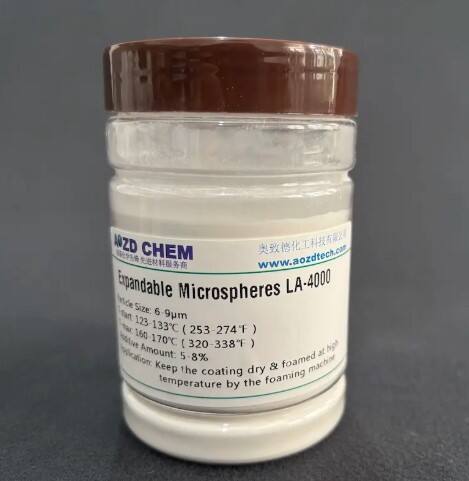
Understanding Expandable Microspheres in Material Science Expandable microspheres consist of tiny polymer particles capable of expanding when heated. When this happens, it creates materials that weigh less while still providing good insulation again...
View More
How Vortex Spinning Oil Transforms Traditional Textile Production

26

Nov

How Vortex Spinning Oil Transforms Traditional Textile Production

What is Vortex Spinning Oil Vortex Spinning Oil serves as a unique lubricant specifically made for those tricky vortex spinning machines. What sets it apart is how it cuts down on friction while making the whole yarn production process run smoother ...
View More
How Do Expancel Microspheres Improve Surface Texture

02

Dec

How Do Expancel Microspheres Improve Surface Texture

Surface texture plays a crucial role in determining the performance, aesthetics, and functionality of countless industrial products. From automotive coatings to consumer electronics, the ability to achieve precise surface characteristics can make the...
View More
What Are the Effects of Vortex Spinning Oil on Yarn Smoothness?

08

Jan

What Are the Effects of Vortex Spinning Oil on Yarn Smoothness?

The textile manufacturing industry has witnessed remarkable advancements in spinning technologies, with vortex spinning emerging as a revolutionary method that significantly transforms yarn production. At the heart of this innovative process lies vor...
View More

Get a Free Quote

Our representative will contact you soon.
Email
Name
Company Name
Whatsapp
Message
0/1000

functional leather additives

Revolutionary Waterproofing Technology

Revolutionary Waterproofing Technology

The waterproofing capabilities of functional leather additives represent a groundbreaking advancement in leather protection technology, utilizing nano-scale molecular engineering to create impermeable barriers without compromising natural leather characteristics. This innovative approach involves the strategic placement of hydrophobic molecules within the leather fiber structure, forming microscopic protective shields that repel water while maintaining essential breathability properties. Unlike traditional waterproofing methods that often create surface coatings prone to cracking and peeling, functional leather additives penetrate deep into the leather matrix, providing long-lasting protection that withstands repeated flexing and stretching. The technology employs advanced polymer chemistry to ensure compatibility with various leather types, from delicate calfskin to robust cowhide, adapting the molecular structure to optimize protection without altering texture or appearance. Testing protocols demonstrate exceptional performance under extreme conditions, including prolonged water immersion, high-pressure spray testing, and cyclical wet-dry exposure that simulates real-world usage patterns. The waterproofing effectiveness remains consistent throughout the product lifecycle, maintaining protective properties even after extensive use and multiple cleaning cycles. Manufacturing integration proves seamless, as these functional leather additives incorporate easily into existing production processes without requiring significant equipment modifications or extended processing times. The economic benefits include reduced warranty claims, lower return rates, and enhanced brand reputation for manufacturers who prioritize waterproof leather products. Environmental considerations receive careful attention through formulations that minimize volatile organic compound emissions while delivering superior performance characteristics. Quality control procedures ensure batch-to-batch consistency, providing manufacturers with reliable results that meet stringent industry standards and customer expectations for waterproof leather goods.
Advanced Antimicrobial Protection System

Advanced Antimicrobial Protection System

The antimicrobial protection provided by functional leather additives establishes a new standard for hygiene and safety in leather products, employing sophisticated biocidal mechanisms that eliminate harmful microorganisms while preserving beneficial properties. This comprehensive protection system targets bacteria, fungi, viruses, and other pathogens through multiple action modes, ensuring broad-spectrum effectiveness against diverse microbial threats. The active ingredients within functional leather additives utilize silver ion technology, quaternary ammonium compounds, and organic biocides that work synergistically to create hostile environments for microbial growth. Controlled release mechanisms ensure sustained antimicrobial activity throughout the product lifespan, maintaining protective efficacy even under challenging conditions such as high humidity, temperature fluctuations, and frequent handling. The safety profile of these antimicrobial functional leather additives undergoes rigorous testing to ensure human compatibility while maintaining lethal effectiveness against target microorganisms. Clinical studies demonstrate significant reduction in microbial populations on treated leather surfaces, with logarithmic kill rates exceeding industry standards for antimicrobial materials. The technology proves particularly valuable in healthcare applications, where leather products require stringent hygiene standards to prevent cross-contamination and healthcare-associated infections. Automotive applications benefit from odor prevention and improved air quality, as antimicrobial functional leather additives eliminate odor-causing bacteria that typically proliferate in enclosed vehicle environments. The durability of antimicrobial protection withstands repeated cleaning cycles, maintaining effectiveness even after aggressive sanitization procedures required in medical and food service environments. Regulatory compliance ensures that antimicrobial functional leather additives meet international safety standards while providing documented efficacy against specified pathogens. The integration process requires minimal modification to existing production protocols, making adoption feasible for manufacturers seeking to enhance product safety without significant capital investment or operational disruption.
Superior UV Resistance and Color Preservation

Superior UV Resistance and Color Preservation

The UV resistance capabilities of functional leather additives provide unparalleled protection against solar radiation damage, preserving color integrity and structural properties through advanced photostabilization technology. This sophisticated protection system employs multiple mechanisms including UV absorption, free radical scavenging, and energy dissipation to prevent photodegradation that typically causes fading, cracking, and brittleness in exposed leather products. The molecular structure of these functional leather additives includes specialized chromophores that selectively absorb harmful UV wavelengths while allowing visible light transmission, maintaining natural leather appearance without compromising protective effectiveness. Accelerated aging tests demonstrate exceptional performance under simulated solar exposure equivalent to decades of real-world use, showing minimal color change and maintained flexibility compared to untreated leather samples. The protection mechanism operates at the molecular level, interrupting photochemical reactions that break down leather proteins and dyes, thereby preventing the cascade of degradation processes that lead to visible damage. Outdoor applications particularly benefit from this UV protection, as functional leather additives enable leather products to maintain aesthetic and functional properties in harsh environmental conditions including direct sunlight, high altitude exposure, and tropical climates. The color preservation extends to both natural and synthetic dyes, ensuring that vibrant colors and subtle tones remain stable throughout extended UV exposure periods. Automotive manufacturers rely heavily on UV-resistant functional leather additives for interior components that face constant solar exposure through windows, preventing the costly warranty issues associated with premature fading and deterioration. The economic impact includes extended product lifecycles, reduced replacement costs, and enhanced customer satisfaction through maintained appearance quality. Testing protocols include standardized xenon arc and fluorescent UV exposure methods that accurately predict long-term performance under various climatic conditions, providing manufacturers with reliable data for product development and marketing claims.

Get a Free Quote

Our representative will contact you soon.
Email
Name
Company Name
Whatsapp
Message
0/1000