leather feel modifier chemicals
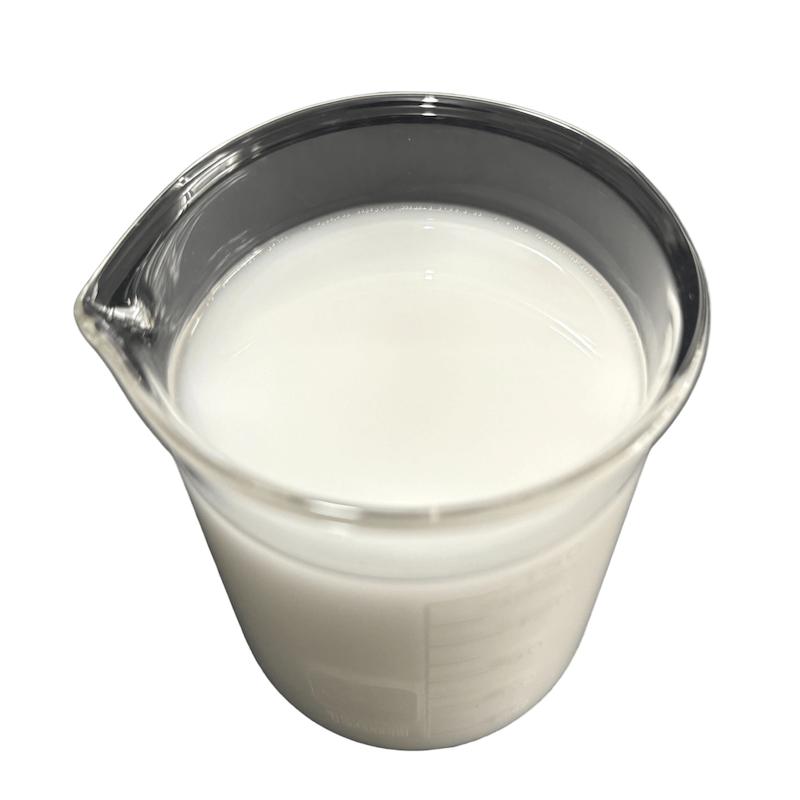
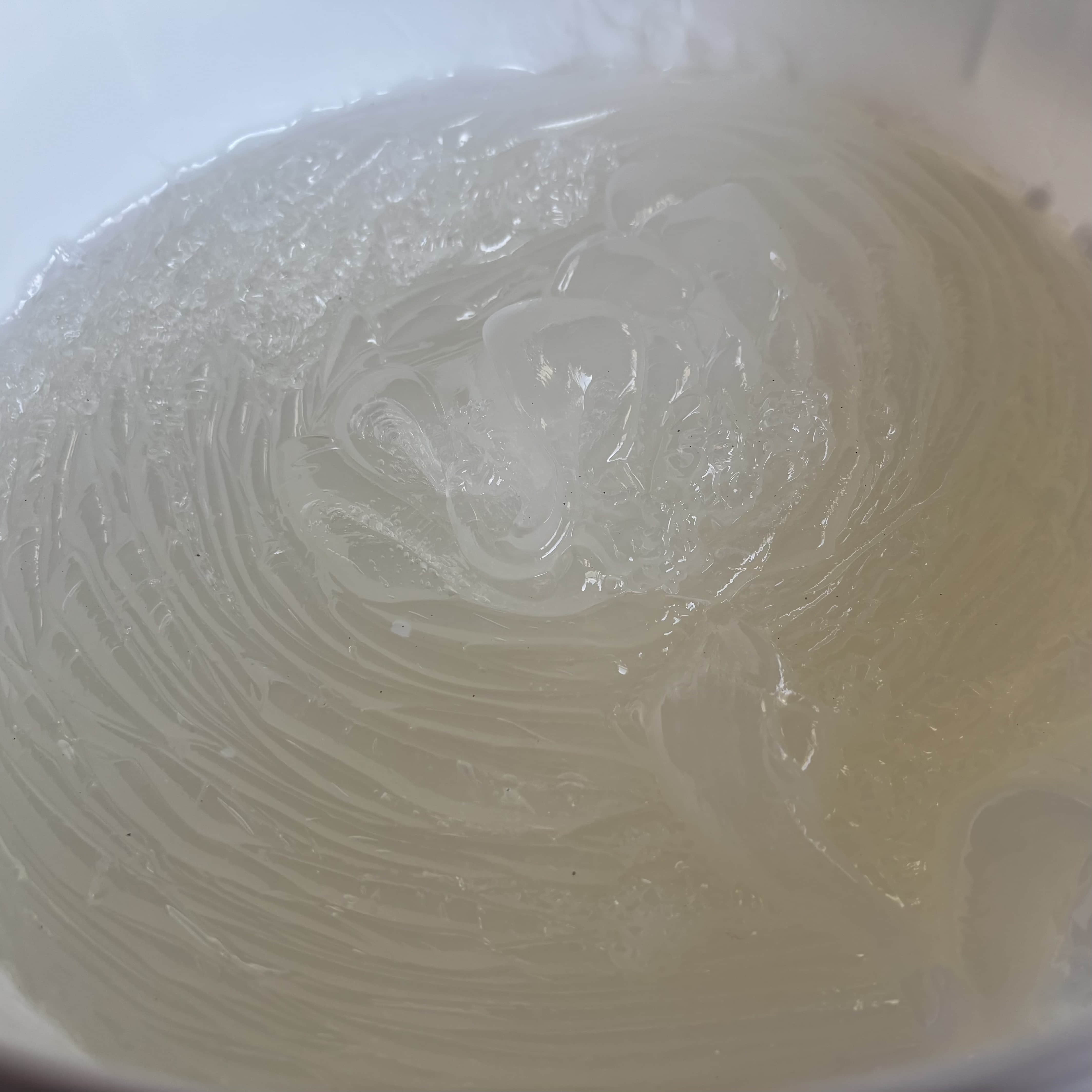
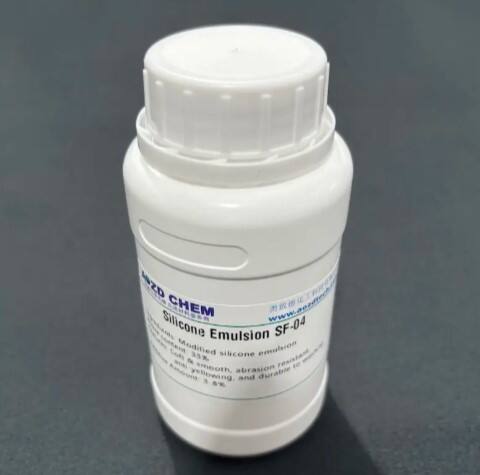
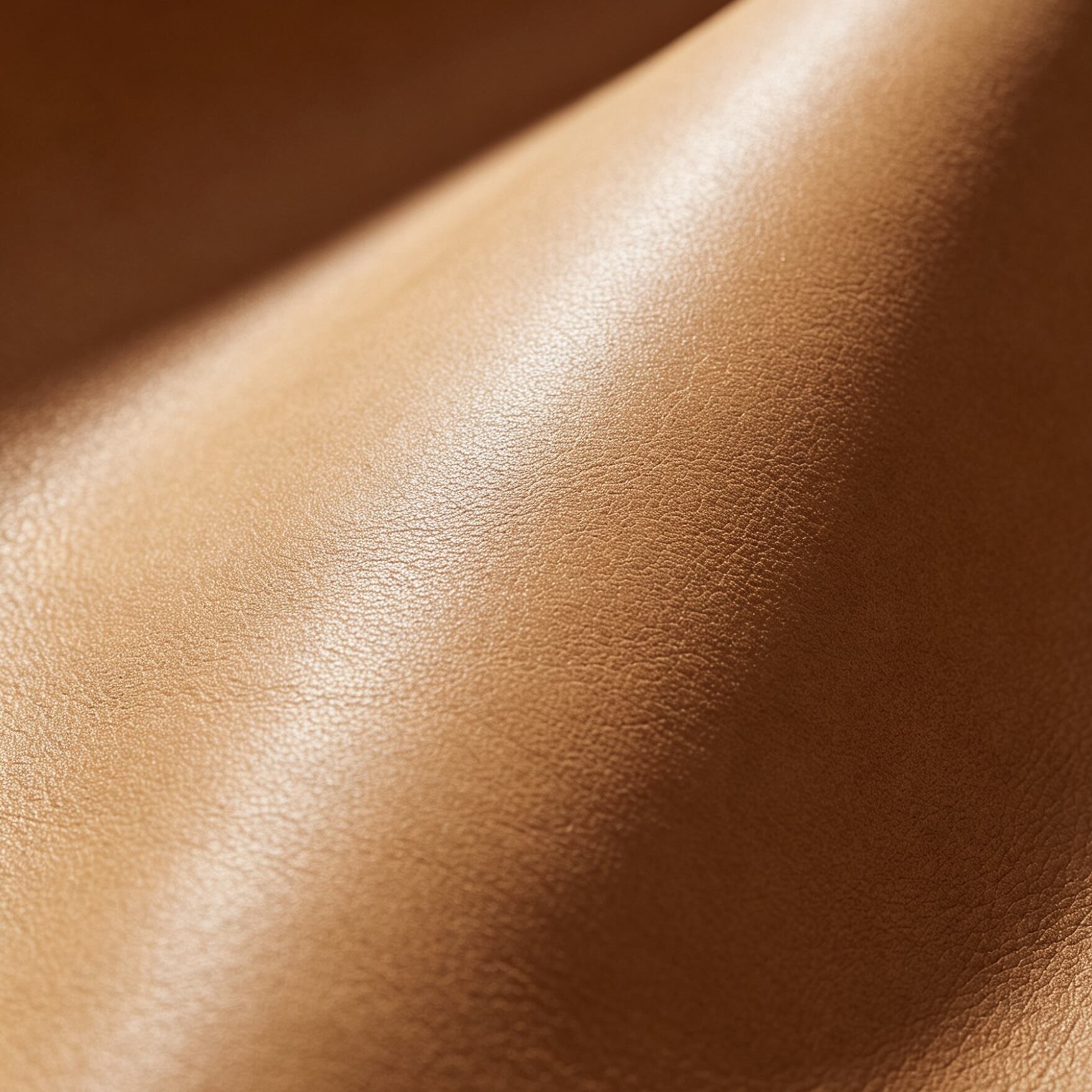
Leather feel modifier chemicals represent a revolutionary advancement in textile finishing technology, designed to transform ordinary synthetic materials into luxurious surfaces that closely replicate the tactile experience of genuine leather. These specialized chemical formulations work by altering the surface properties of various substrates, including polyurethane, PVC, and fabric materials, creating authentic leather-like textures and sensations. The primary function of leather feel modifier chemicals involves modifying surface tension, flexibility, and microscopic structure to achieve the desired tactile characteristics. These compounds operate through advanced polymer science, utilizing specific molecular chains that interact with base materials to create controlled surface roughness and pliability. The technological framework behind these modifiers incorporates sophisticated chemical engineering principles, employing cross-linking agents, plasticizers, and surface-active compounds that work synergistically to deliver consistent results. Modern leather feel modifier chemicals feature enhanced durability properties, ensuring that the modified surfaces maintain their tactile qualities throughout extended use cycles. The application process typically involves precise coating techniques, where the chemicals are applied in controlled layers to achieve optimal penetration and surface modification. Manufacturing industries utilize these chemicals across diverse sectors, including automotive interior production, furniture manufacturing, fashion accessories, and consumer electronics. The automotive industry particularly benefits from leather feel modifier chemicals in dashboard production, seat covering applications, and interior trim components. Furniture manufacturers employ these chemicals to create cost-effective alternatives to genuine leather upholstery while maintaining premium aesthetics and comfort. Fashion industry applications encompass handbag production, shoe manufacturing, and clothing accessories where authentic leather textures are desired without associated costs. Consumer electronics manufacturers integrate these chemicals in device casings, protective covers, and accessory products to enhance user experience through improved tactile feedback. The versatility of leather feel modifier chemicals extends to architectural applications, including wall coverings and decorative panels where leather-like surfaces contribute to sophisticated interior designs.

 EN
EN