Premium Leather Feel Modifiers for Surface Treatment - Advanced Textile Enhancement Solutions

All Categories

Get a Free Quote

Our representative will contact you soon.
Email
Name
Company Name
Whatsapp
Message
0/1000

leather feel modifiers for surface treatment

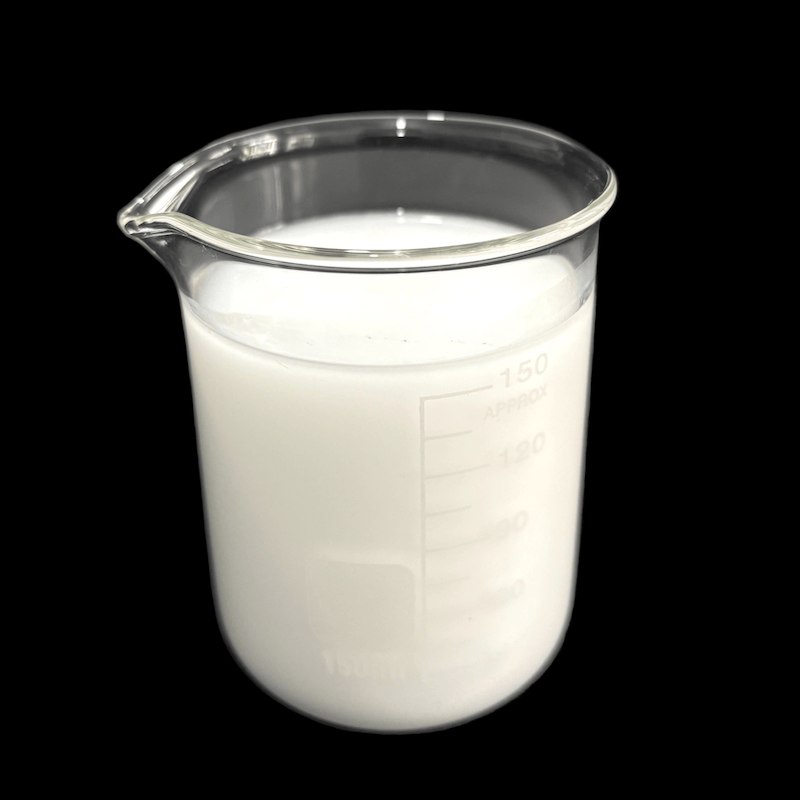
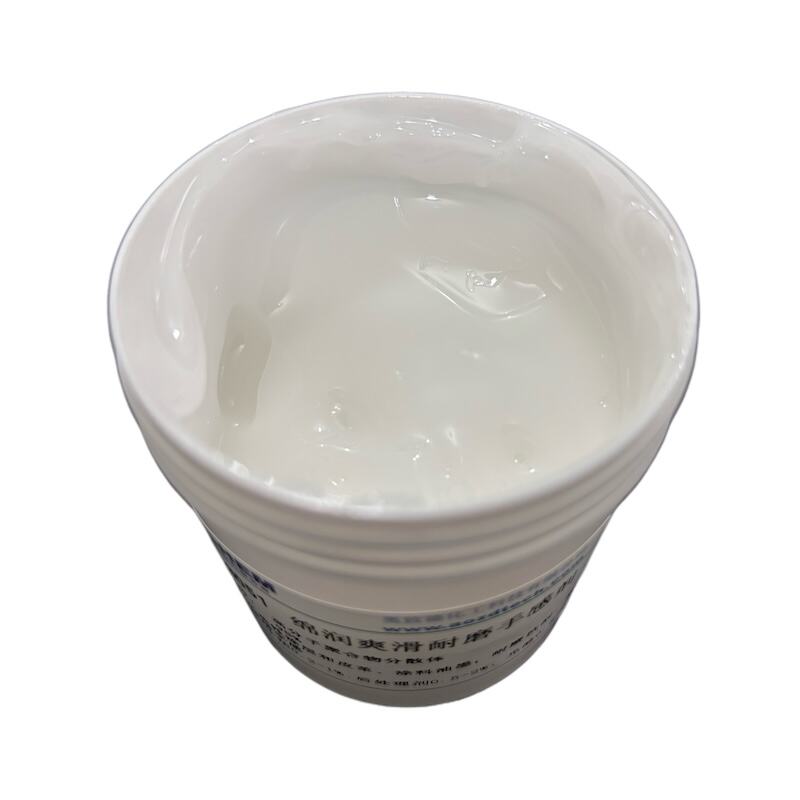
Leather feel modifiers for surface treatment represent a revolutionary advancement in material enhancement technology, designed to transform ordinary surfaces into sophisticated, tactile experiences that mimic the luxurious feel of genuine leather. These specialized chemical compounds serve as surface treatment agents that fundamentally alter the textural properties of various substrates, including synthetic materials, fabrics, plastics, and composite surfaces. The primary function of leather feel modifiers for surface treatment lies in their ability to create a soft, supple, and distinctly leather-like texture while maintaining the structural integrity of the underlying material. The technological foundation of these modifiers relies on advanced polymer chemistry and nano-technology applications. These formulations contain carefully engineered molecules that interact with surface fibers and create microscopic alterations in texture and feel. When applied through various application methods such as coating, spraying, or immersion processes, leather feel modifiers for surface treatment penetrate the material's surface layers and establish a unique tactile signature. The chemical composition typically includes specialized silicones, modified acrylics, and proprietary polymer blends that work synergistically to achieve the desired leather-like characteristics. Applications for leather feel modifiers for surface treatment span numerous industries, from automotive and furniture manufacturing to fashion and consumer electronics. In the automotive sector, these modifiers enhance dashboard materials, seat coverings, and interior trim components, providing passengers with a premium touch experience. Furniture manufacturers utilize these treatments on synthetic upholstery, creating cost-effective alternatives to genuine leather while delivering comparable aesthetic and tactile qualities. The fashion industry benefits significantly from leather feel modifiers for surface treatment, particularly in producing vegan leather alternatives and enhancing synthetic accessories. Electronics manufacturers incorporate these treatments in device casings, creating sophisticated textures that improve grip and user experience while maintaining durability and functionality.


New Product Releases

The implementation of leather feel modifiers for surface treatment delivers substantial practical benefits that directly address modern manufacturing and consumer demands. Cost-effectiveness stands as the most significant advantage, enabling manufacturers to achieve premium leather-like textures without the expense and ethical concerns associated with genuine leather procurement. This economic benefit translates into competitive pricing for end products while maintaining high-quality tactile experiences that consumers expect from luxury items. Manufacturing efficiency improves dramatically when utilizing leather feel modifiers for surface treatment, as these solutions integrate seamlessly into existing production processes without requiring specialized equipment or extensive workflow modifications. The application process remains straightforward, allowing manufacturers to enhance their products through simple coating or treatment procedures that add minimal time to production cycles. Quality consistency represents another crucial advantage, as leather feel modifiers for surface treatment eliminate the natural variations found in genuine leather, providing uniform texture and feel across all treated surfaces. This consistency ensures reliable product quality and reduces manufacturing defects related to material inconsistencies. Environmental sustainability benefits emerge from reduced reliance on animal-derived materials, supporting eco-friendly manufacturing practices while meeting growing consumer demand for cruelty-free alternatives. Durability enhancements provided by leather feel modifiers for surface treatment often exceed those of natural leather, offering superior resistance to wear, fading, and environmental factors such as moisture and temperature fluctuations. These treatments create surfaces that maintain their leather-like characteristics throughout extended use periods, reducing replacement needs and improving product lifecycle value. Customization flexibility allows manufacturers to adjust texture parameters, achieving specific tactile goals that align with brand requirements and target market preferences. The chemical stability of leather feel modifiers for surface treatment ensures long-term performance without degradation, maintaining consistent surface properties even under challenging conditions including frequent cleaning, UV exposure, and mechanical stress. Versatility across substrate types enables manufacturers to apply these treatments to diverse materials, expanding design possibilities and creating cohesive product lines with consistent tactile experiences. Processing compatibility with existing finishing systems streamlines implementation, reducing capital investment requirements while maximizing return on investment through enhanced product appeal and market positioning.

Tips And Tricks

How Vortex Spinning Oil Enhances Fiber Production

26

Nov

How Vortex Spinning Oil Enhances Fiber Production

Introduction Oils are essential in the textile manufacturing process, helping fibers move smoothly through machinery and ultimately producing better quality fabric. Of all the different types available, Vortex Spinning Oil has become something of a ...
View More
Choosing the Right Additives for Your Project

26

Nov

Choosing the Right Additives for Your Project

Understanding the Role of Additives in Projects Additives really make a difference when it comes to boosting how well things perform and last longer in all sorts of applications. These little helpers get used throughout different sectors to tweak st...
View More
How to Troubleshoot Common Issues with Silicone Emulsions

26

Nov

How to Troubleshoot Common Issues with Silicone Emulsions

Understanding Silicone Emulsions and Their Common Issues Silicone emulsions blend silicone oils with water to create stable formulas that find their way into all sorts of industries from makeup to medicine and paint jobs. What makes these emulsions ...
View More
What Leather Additives Work Best with Pigmented Finishes?

08

Jan

What Leather Additives Work Best with Pigmented Finishes?

The leather industry relies heavily on specialized chemical formulations to achieve desired aesthetic and functional properties in finished products. When working with pigmented finishes, selecting appropriate leather additives becomes crucial for ac...
View More

Get a Free Quote

Our representative will contact you soon.
Email
Name
Company Name
Whatsapp
Message
0/1000

leather feel modifiers for surface treatment

Advanced Polymer Technology for Superior Tactile Enhancement

Advanced Polymer Technology for Superior Tactile Enhancement

The core technological innovation behind leather feel modifiers for surface treatment lies in their sophisticated polymer engineering, which delivers unparalleled tactile transformation capabilities. These advanced formulations utilize cutting-edge molecular structures that create authentic leather-like sensations through precisely controlled surface interactions. The polymer technology incorporates multiple functional groups that work synergistically to modify surface energy, friction coefficients, and microscopic texture patterns, resulting in surfaces that closely replicate the distinctive feel of high-quality leather. The molecular design of leather feel modifiers for surface treatment involves careful selection of polymer backbone structures, side chain configurations, and crosslinking mechanisms that ensure optimal performance across diverse substrate types. This technological sophistication enables manufacturers to achieve consistent results regardless of the underlying material properties, whether treating synthetic fabrics, thermoplastic components, or composite materials. The advanced polymer network creates a stable interface layer that maintains its leather-like characteristics under various environmental conditions, including temperature fluctuations, humidity changes, and mechanical stress. Quality control mechanisms built into the polymer structure ensure uniform distribution during application, preventing inconsistencies that could compromise the final tactile experience. The molecular weight distribution and polymer chain orientation are optimized to provide the ideal balance between softness and durability, characteristics essential for authentic leather feel replication. Furthermore, the polymer technology incorporates self-organizing properties that enhance surface uniformity during the curing process, resulting in smooth, consistent textures that exhibit the subtle variations characteristic of natural leather. This technological advancement represents a significant improvement over traditional surface treatment methods, offering superior performance, longevity, and aesthetic appeal while maintaining cost-effectiveness and manufacturing efficiency.
Versatile Application Methods for Diverse Manufacturing Needs

Versatile Application Methods for Diverse Manufacturing Needs

Leather feel modifiers for surface treatment offer exceptional application versatility, accommodating various manufacturing processes and substrate requirements through multiple application methodologies. This flexibility enables manufacturers to integrate these treatments seamlessly into existing production lines without significant equipment modifications or process disruptions. Spray application methods provide excellent coverage control and material efficiency, allowing precise treatment of complex geometries and detailed surface features. This approach particularly benefits automotive and electronics manufacturers who require consistent treatment of irregular surfaces and intricate component designs. The spray application of leather feel modifiers for surface treatment ensures uniform distribution while minimizing material waste and reducing environmental impact. Immersion techniques offer comprehensive coverage for three-dimensional objects and porous materials, ensuring complete penetration and thorough treatment of all accessible surfaces. This method proves invaluable for textile applications where deep fiber penetration enhances the leather-like feel while maintaining material flexibility and breathability. Coating applications provide controlled thickness management and precise surface modification, enabling manufacturers to achieve specific tactile goals through adjusted application parameters. The versatility of leather feel modifiers for surface treatment extends to temperature requirements, with formulations available for both ambient and elevated temperature applications, accommodating various manufacturing environments and substrate sensitivities. Batch processing capabilities allow for efficient high-volume production while maintaining consistent quality standards across all treated items. The compatibility with automated application systems reduces labor requirements and improves production efficiency while ensuring repeatable results. Roll-to-roll application methods support continuous processing of flexible substrates, enabling cost-effective treatment of large surface areas in textile and film manufacturing applications. Additionally, the chemical compatibility of leather feel modifiers for surface treatment with various substrate materials eliminates concerns about adhesion problems or chemical incompatibility, ensuring reliable bonding and long-term performance across diverse material combinations.
Enhanced Durability and Performance Characteristics

Enhanced Durability and Performance Characteristics

The exceptional durability and performance characteristics of leather feel modifiers for surface treatment provide long-lasting value that significantly exceeds traditional surface enhancement methods. These advanced treatments create robust surface modifications that maintain their leather-like properties throughout extended service lives, even under demanding use conditions. The chemical resistance of leather feel modifiers for surface treatment ensures continued performance when exposed to common cleaning agents, solvents, and environmental contaminants that typically degrade conventional surface treatments. This resistance translates into reduced maintenance requirements and extended product lifecycles, providing substantial cost savings over time. Abrasion resistance represents a critical performance advantage, as treated surfaces maintain their tactile properties despite repeated contact and mechanical wear. The molecular structure of leather feel modifiers for surface treatment incorporates reinforcing elements that distribute stress effectively, preventing premature wear and maintaining consistent surface characteristics throughout the product's operational life. UV stability ensures that outdoor applications retain their leather-like appearance and feel without degradation from solar radiation exposure, making these treatments suitable for automotive exterior components, outdoor furniture, and marine applications. Temperature stability across wide ranges enables reliable performance in both hot and cold environments, maintaining flexibility and tactile properties under extreme conditions. The hydrophobic properties of many leather feel modifiers for surface treatment provide moisture resistance that protects underlying substrates while maintaining surface characteristics in humid conditions. Stain resistance capabilities simplify maintenance procedures and preserve aesthetic appeal throughout the product lifecycle. The chemical crosslinking mechanisms employed in these treatments create permanent modifications that resist washing, cleaning, and normal use activities without compromising performance. Flex resistance ensures that treated flexible materials maintain their leather-like characteristics through repeated bending and stretching cycles, crucial for applications in upholstery, clothing, and flexible electronic device casings. The superior performance characteristics of leather feel modifiers for surface treatment make them ideal for demanding applications where reliability and consistency are paramount, providing manufacturers with confidence in product quality and customer satisfaction.

Get a Free Quote

Our representative will contact you soon.
Email
Name
Company Name
Whatsapp
Message
0/1000