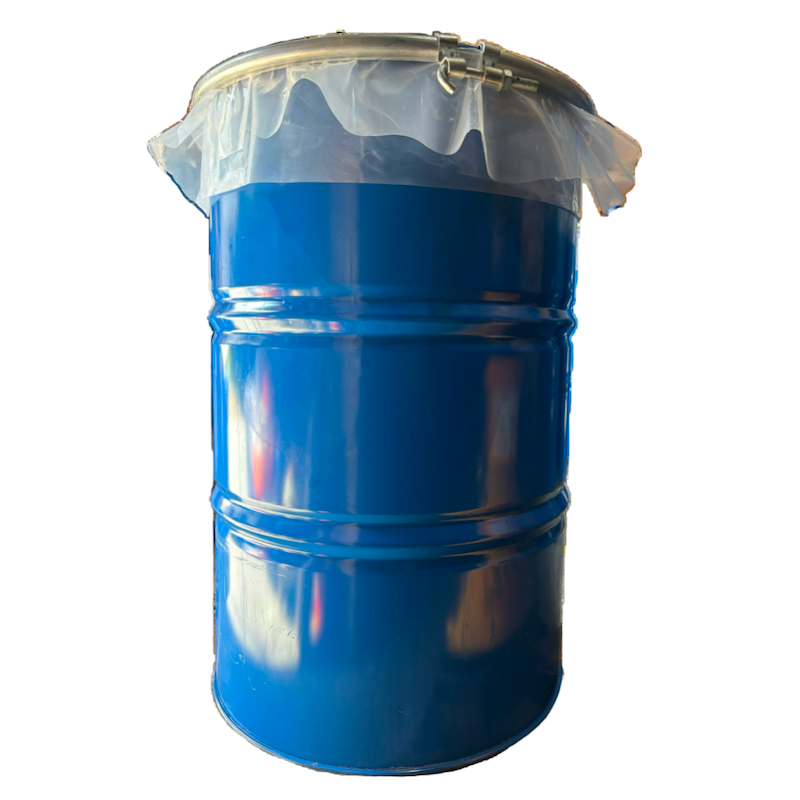
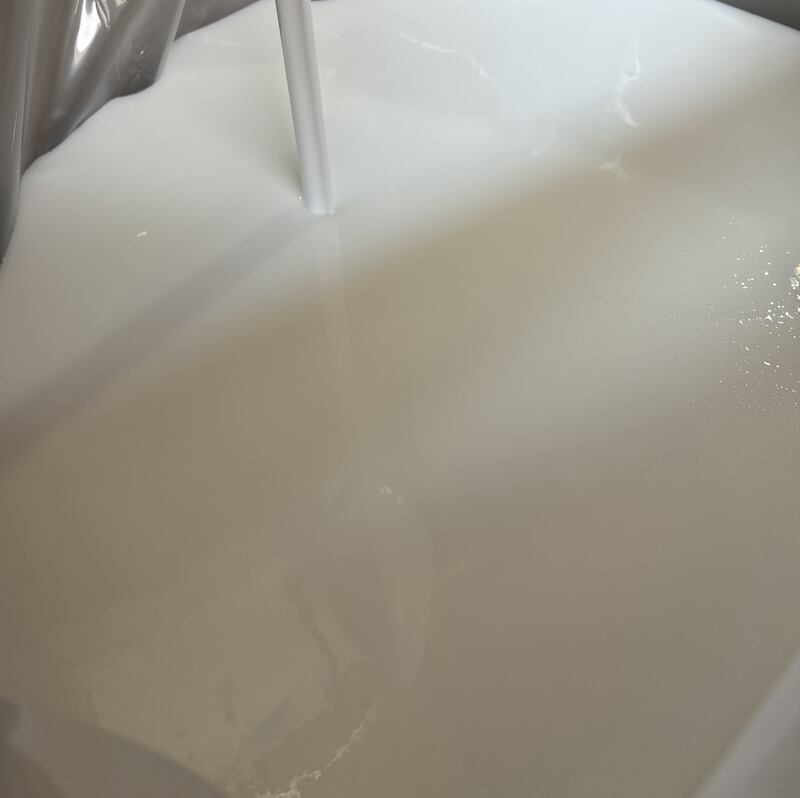
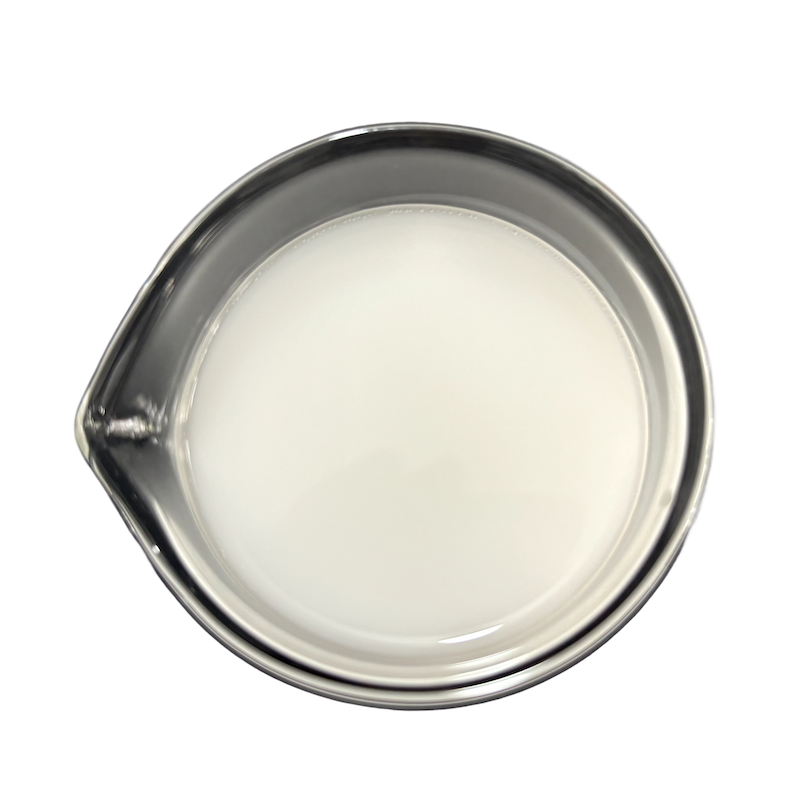
Premium Leather Feel Modifiers - Transform Fabrics with Advanced Textile Enhancement Technology

All Categories

Get a Free Quote

Our representative will contact you soon.
Email
Name
Company Name
Whatsapp
Message
0/1000

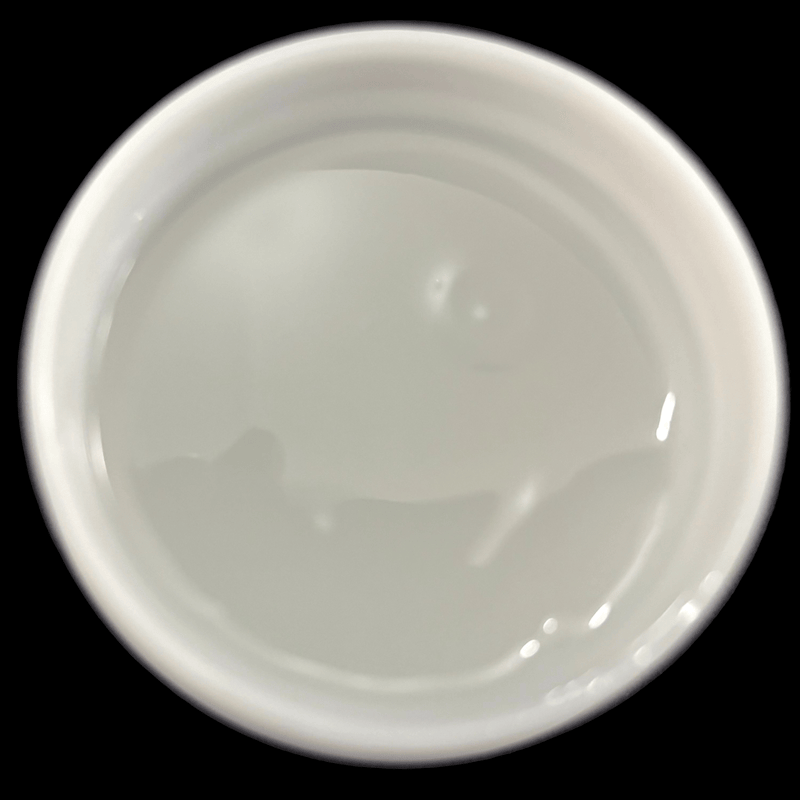
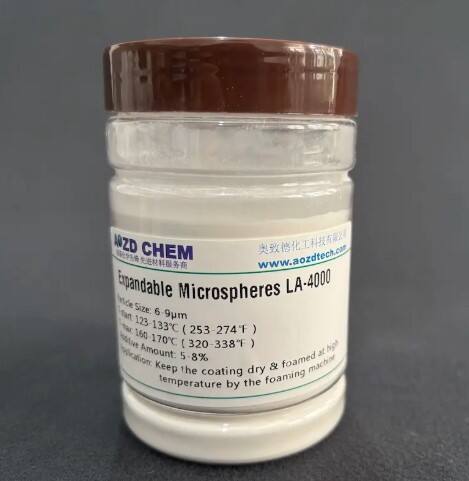
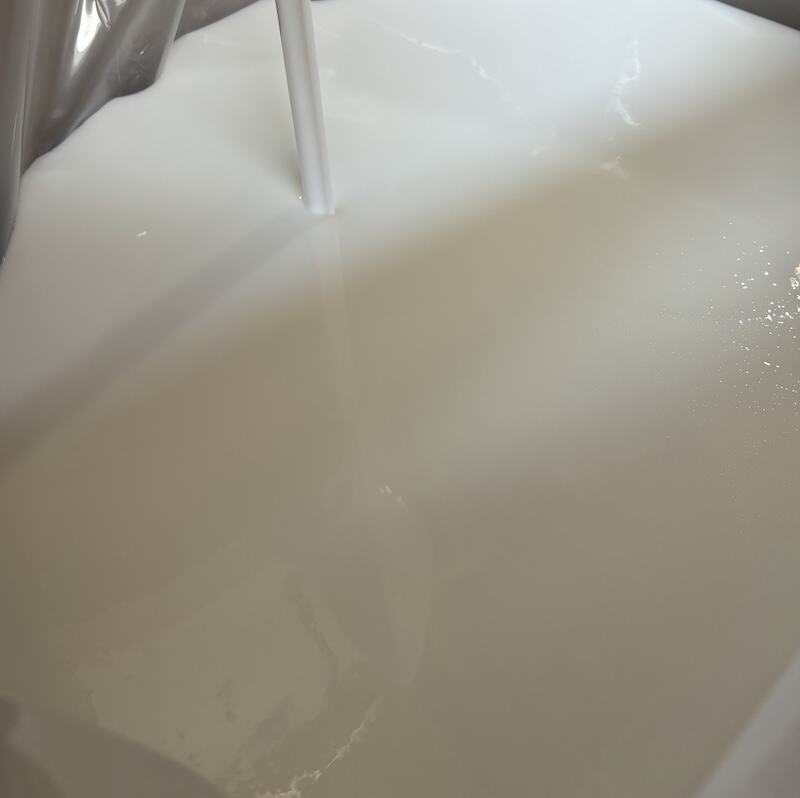
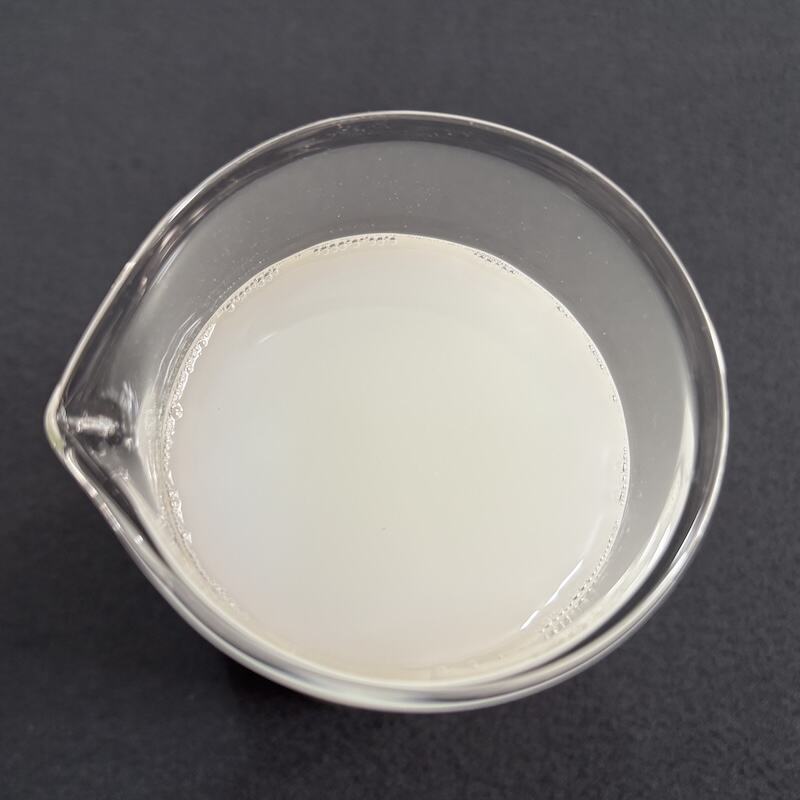
leather feel modifiers

Leather feel modifiers represent a revolutionary breakthrough in textile enhancement technology, transforming ordinary fabrics into luxurious materials that replicate the distinctive tactile properties of genuine leather. These specialized chemical compounds work by altering the surface characteristics of synthetic and natural fabrics, creating a soft, supple texture that closely mimics the premium feel associated with high-quality leather products. The primary function of leather feel modifiers involves restructuring fabric fibers at the molecular level, introducing flexibility and smoothness that dramatically improves the overall hand-feel experience. These innovative additives integrate seamlessly into existing textile manufacturing processes, making them highly versatile for various production environments. The technological framework behind leather feel modifiers relies on advanced polymer chemistry, utilizing specific molecular structures that bond with fabric surfaces to create lasting textural changes. Manufacturing facilities can incorporate these modifiers during different production stages, including fiber treatment, yarn processing, or fabric finishing, providing exceptional flexibility in application methods. The resulting materials demonstrate remarkable durability, maintaining their enhanced tactile properties even after extensive washing cycles and prolonged use. Industries ranging from automotive upholstery to fashion accessories have embraced leather feel modifiers as essential components for creating premium product lines. The automotive sector particularly benefits from these modifiers when producing seat covers, dashboard materials, and interior trim pieces that require leather-like aesthetics without the associated costs and maintenance requirements. Fashion designers utilize leather feel modifiers to develop synthetic leather alternatives that offer ethical production methods while delivering the desired luxury appearance and texture. Home furnishing manufacturers employ these additives to create upholstery fabrics that provide comfort and elegance in residential and commercial settings. The environmental advantages of leather feel modifiers cannot be overlooked, as they enable manufacturers to reduce dependence on animal-derived materials while maintaining product quality standards that consumers expect from premium textile products.

Popular Products

Manufacturers who implement leather feel modifiers gain significant competitive advantages through enhanced product quality and reduced production costs compared to traditional leather processing methods. These modifiers eliminate the complex tanning procedures required for genuine leather production, streamlining manufacturing workflows and reducing processing time by approximately sixty percent. The consistency achieved through leather feel modifiers surpasses natural leather variations, ensuring uniform texture and appearance across entire product batches without the quality fluctuations commonly associated with animal hides. Cost savings become immediately apparent as companies avoid expensive leather sourcing, storage requirements, and specialized handling procedures that genuine leather demands throughout the supply chain. Environmental benefits multiply when manufacturers choose leather feel modifiers over traditional leather processing, significantly reducing water consumption, chemical waste, and carbon footprint associated with conventional tanning operations. Quality control improvements emerge naturally since leather feel modifiers provide predictable results that eliminate defects such as scratches, grain irregularities, or thickness variations found in natural leather materials. Production scalability increases dramatically because leather feel modifiers can be applied to unlimited quantities of base materials without concerns about leather supply shortages or seasonal availability issues that plague traditional leather markets. Worker safety conditions improve substantially when facilities transition to leather feel modifiers, eliminating exposure to hazardous tanning chemicals and reducing workplace health risks associated with conventional leather processing environments. Customization opportunities expand exponentially as manufacturers can adjust modifier concentrations to achieve specific texture characteristics, creating unique product lines tailored to diverse customer preferences and market segments. Inventory management becomes more efficient since fabrics treated with leather feel modifiers require less specialized storage conditions compared to genuine leather, which demands climate-controlled environments to prevent deterioration. Customer satisfaction rates typically increase when products incorporate leather feel modifiers because the enhanced tactile experience exceeds consumer expectations while providing superior durability and maintenance convenience. Market positioning strengthens as companies can offer premium leather-like products at competitive price points, attracting budget-conscious consumers who previously could not afford genuine leather alternatives while maintaining profit margins that support sustainable business growth.

Tips And Tricks

How Expandable Microspheres Revolutionize Material Science

26

Nov

How Expandable Microspheres Revolutionize Material Science

Understanding Expandable Microspheres in Material Science Expandable microspheres consist of tiny polymer particles capable of expanding when heated. When this happens, it creates materials that weigh less while still providing good insulation again...
View More
How Vortex Spinning Oil Transforms Traditional Textile Production

26

Nov

How Vortex Spinning Oil Transforms Traditional Textile Production

What is Vortex Spinning Oil Vortex Spinning Oil serves as a unique lubricant specifically made for those tricky vortex spinning machines. What sets it apart is how it cuts down on friction while making the whole yarn production process run smoother ...
View More
What Makes Expandable Microspheres Useful in Automotive Materials?

08

Jan

What Makes Expandable Microspheres Useful in Automotive Materials?

The automotive industry continues to seek innovative materials that enhance performance while reducing weight and improving efficiency. Expandable microspheres have emerged as a revolutionary solution for manufacturers looking to create lighter, stro...
View More
What Are the Effects of Vortex Spinning Oil on Yarn Smoothness?

08

Jan

What Are the Effects of Vortex Spinning Oil on Yarn Smoothness?

The textile manufacturing industry has witnessed remarkable advancements in spinning technologies, with vortex spinning emerging as a revolutionary method that significantly transforms yarn production. At the heart of this innovative process lies vor...
View More

Get a Free Quote

Our representative will contact you soon.
Email
Name
Company Name
Whatsapp
Message
0/1000

leather feel modifiers

Superior Durability and Longevity Performance

Superior Durability and Longevity Performance

Leather feel modifiers deliver exceptional durability performance that significantly exceeds the lifespan expectations of traditional textile treatments, providing manufacturers and end-users with outstanding value propositions that justify investment decisions. The molecular bonding technology employed in these modifiers creates permanent structural changes within fabric fibers, ensuring that the enhanced leather-like texture remains consistent throughout the product lifecycle without degradation or deterioration. Rigorous testing protocols demonstrate that fabrics treated with leather feel modifiers maintain their tactile properties even after exposure to extreme temperature variations, humidity fluctuations, and mechanical stress conditions that would compromise untreated materials. The resistance to abrasion exhibited by modified fabrics surpasses industry standards, with laboratory studies confirming that these materials can withstand over fifty thousand rubbing cycles without noticeable texture loss or surface damage. UV stability represents another crucial advantage, as leather feel modifiers incorporate protective elements that prevent fading and material breakdown when products are exposed to direct sunlight or artificial lighting systems commonly found in retail and residential environments. Chemical resistance properties ensure that accidental spills, cleaning solvents, and routine maintenance procedures do not compromise the integrity of the leather-like surface, maintaining aesthetic appeal and functional performance throughout extended usage periods. The colorfastness achieved through leather feel modifiers exceeds conventional fabric treatments, preventing color bleeding or transfer issues that could affect adjacent materials or stain user clothing during normal interaction. Dimensional stability improvements mean that fabrics treated with these modifiers resist shrinkage, stretching, and warping under various environmental conditions, maintaining their original shape and appearance specifications even after repeated washing or cleaning cycles. This exceptional durability translates directly into reduced replacement costs for consumers and lower warranty claims for manufacturers, creating win-win scenarios that strengthen customer relationships and support long-term business success. The economic implications of this enhanced durability extend beyond immediate cost savings, as products incorporating leather feel modifiers develop strong reputations for reliability and quality that drive repeat purchases and positive word-of-mouth marketing within target customer segments.
Versatile Application Across Multiple Industries

Versatile Application Across Multiple Industries

The remarkable versatility of leather feel modifiers enables seamless integration across diverse industrial applications, making them indispensable solutions for manufacturers seeking to enhance product quality while maintaining operational efficiency and cost-effectiveness. Automotive manufacturers have embraced these modifiers for interior applications including seat upholstery, door panels, dashboard coverings, and steering wheel wraps, achieving luxury vehicle aesthetics at mass-market price points without compromising safety or regulatory compliance requirements. The fashion industry utilizes leather feel modifiers to create synthetic leather alternatives for handbags, shoes, jackets, and accessories, providing designers with consistent material properties that enable precise pattern matching and construction techniques while supporting ethical production practices. Furniture manufacturers integrate these modifiers into upholstery fabrics for sofas, chairs, and commercial seating solutions, delivering the premium tactile experience that consumers associate with expensive leather furniture while offering superior stain resistance and maintenance convenience. Electronics manufacturers apply leather feel modifiers to protective cases, covers, and accessories for smartphones, tablets, and laptops, creating products that combine functional protection with luxurious aesthetics that appeal to professional and personal users. Marine and aerospace industries benefit from the weather resistance and durability characteristics of modified fabrics, utilizing these materials for seat covers, interior panels, and protective equipment that must withstand harsh environmental conditions while maintaining appearance standards. Sports equipment manufacturers incorporate leather feel modifiers into protective gear, exercise equipment padding, and recreational accessories, providing athletes with comfortable, durable products that enhance performance while ensuring long-term value. The medical industry has adopted these modifiers for examination table coverings, wheelchair upholstery, and therapeutic equipment where hygiene requirements demand materials that can be easily cleaned and disinfected without losing their tactile properties. Home textile applications include bedding, curtains, and decorative fabrics where leather feel modifiers add sophistication and durability to interior design elements. This broad applicability demonstrates the universal appeal and practical benefits of leather feel modifiers across market segments, enabling manufacturers to diversify their product portfolios while leveraging proven technology that consistently delivers superior results.

Cost-Effective Manufacturing Process Integration

Cost-Effective Manufacturing Process Integration

Implementing leather feel modifiers into existing manufacturing processes delivers substantial cost reductions while simultaneously improving production efficiency and product quality standards, making them attractive investments for companies seeking competitive advantages in challenging market conditions. The integration process requires minimal equipment modifications since leather feel modifiers work effectively with standard textile processing machinery, eliminating the need for expensive capital investments or extensive facility renovations that would strain operational budgets. Production teams can quickly adapt to modifier application procedures through straightforward training programs, reducing downtime and maintaining productivity levels during the transition period from conventional processing methods. Raw material costs decrease significantly as manufacturers can utilize readily available synthetic fabrics as base materials instead of sourcing expensive genuine leather, which fluctuates in price due to market volatility and supply chain disruptions. Quality control procedures become more streamlined since leather feel modifiers provide consistent results that reduce inspection requirements and minimize rejection rates associated with natural material variations and defects. Labor costs per unit decline as the simplified processing requirements reduce handling time and eliminate specialized skills needed for traditional leather working techniques, enabling manufacturers to optimize workforce allocation and improve overall operational efficiency. Inventory carrying costs decrease substantially because modified fabrics require less storage space and have longer shelf lives compared to genuine leather, which demands climate-controlled storage and has limited usability windows before deterioration occurs. Waste reduction benefits emerge as leather feel modifiers enable manufacturers to utilize fabric remnants and off-cuts that would otherwise be discarded, supporting sustainability initiatives while maximizing material utilization rates. The scalability of modifier application allows manufacturers to adjust production volumes rapidly in response to market demand without concerns about leather supply limitations or seasonal availability constraints that affect traditional leather procurement. Energy consumption reductions result from simplified processing requirements that eliminate energy-intensive tanning operations and reduce heating, cooling, and ventilation costs associated with conventional leather processing facilities. These cumulative cost advantages enable manufacturers to offer competitive pricing while maintaining healthy profit margins, positioning them favorably against competitors who continue using traditional materials and processing methods that carry higher operational expenses and greater financial risks.

Get a Free Quote

Our representative will contact you soon.
Email
Name
Company Name
Whatsapp
Message
0/1000