Premium Leather Feel Modifiers for Coating - Advanced Surface Treatment Solutions

All Categories

Get a Free Quote

Our representative will contact you soon.
Email
Name
Company Name
Whatsapp
Message
0/1000

leather feel modifiers for coating

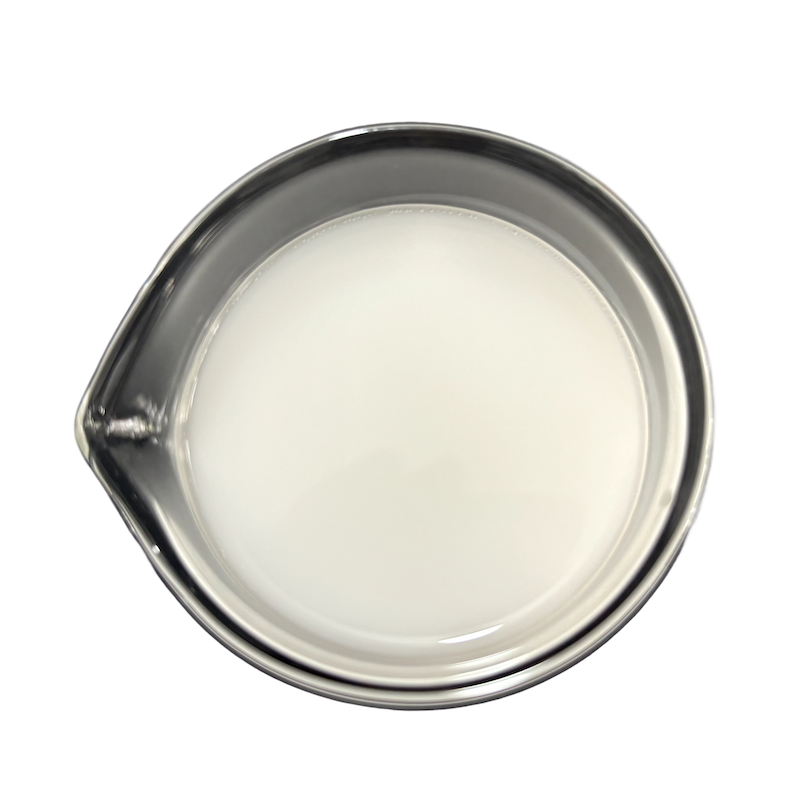
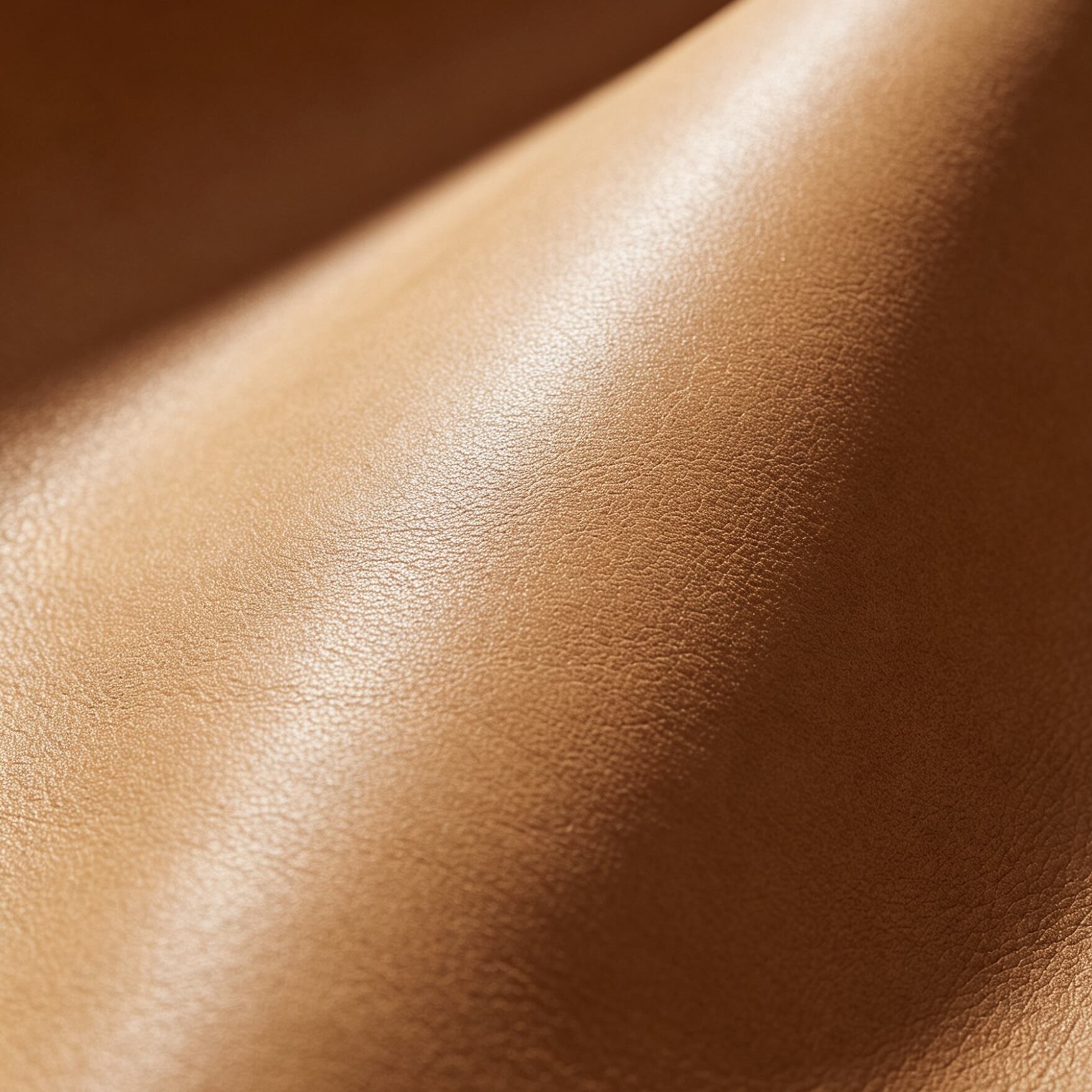
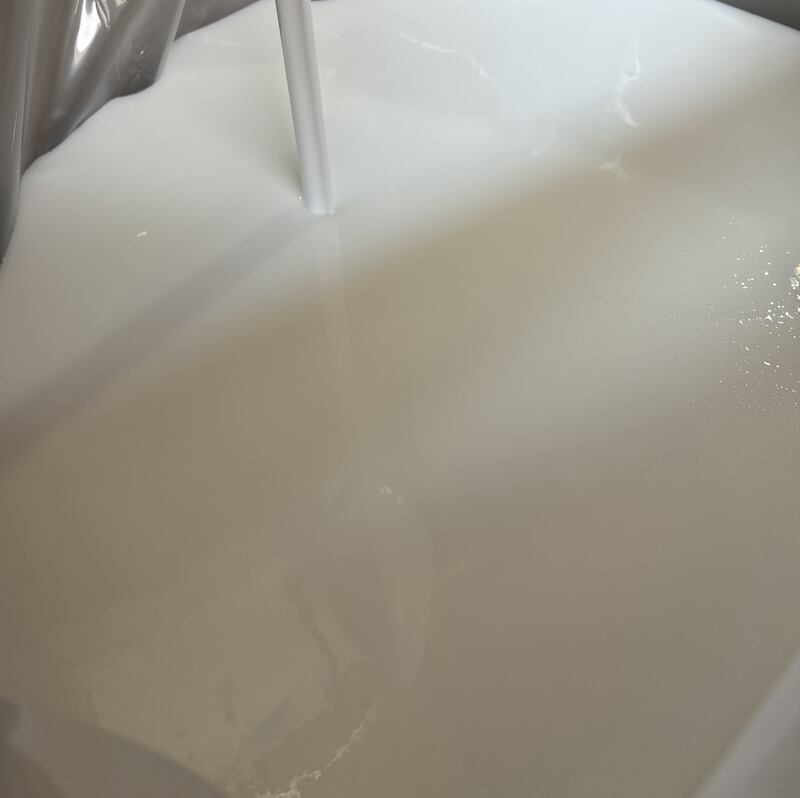
Leather feel modifiers for coating represent a revolutionary advancement in surface treatment technology, designed to replicate the luxurious tactile experience of genuine leather through innovative chemical formulations. These specialized additives transform ordinary coated surfaces into materials that possess the distinctive texture, flexibility, and sensory appeal associated with premium leather goods. The primary function of leather feel modifiers for coating involves altering the molecular structure of surface treatments to create microscopic textures and patterns that mimic natural leather characteristics. These modifiers work by introducing specific polymeric compounds that influence surface roughness, elasticity, and friction coefficients, resulting in a remarkably authentic leather-like feel. The technological foundation of leather feel modifiers for coating relies on advanced polymer chemistry and nanotechnology applications. Through precise molecular engineering, these modifiers create controlled surface irregularities that replicate the natural grain patterns found in animal hides. The chemical composition typically includes specialized silicone compounds, modified polyurethanes, and proprietary additives that enhance both tactile properties and durability. Manufacturing processes incorporate these modifiers during various coating application stages, whether through direct blending, post-treatment applications, or multi-layer coating systems. Applications for leather feel modifiers for coating span numerous industries, including automotive interiors, furniture manufacturing, fashion accessories, electronics casings, and architectural surfaces. In automotive applications, these modifiers enhance dashboard materials, seat covers, and interior trim components, providing premium tactile experiences while maintaining cost-effectiveness. Furniture manufacturers utilize leather feel modifiers for coating to create sophisticated upholstery alternatives that offer consistent quality and easier maintenance compared to natural leather. The technology also finds extensive use in consumer electronics, where device casings benefit from improved grip and premium aesthetic appeal. Additionally, architectural applications include wall coverings, decorative panels, and commercial interior surfaces where durability and aesthetic appeal are paramount considerations.


New Product Recommendations

Leather feel modifiers for coating deliver exceptional cost savings compared to genuine leather materials while maintaining comparable aesthetic and tactile qualities. Manufacturers can significantly reduce material expenses by utilizing synthetic alternatives enhanced with these specialized modifiers, making luxury textures accessible across broader market segments. The production efficiency gains are substantial, as leather feel modifiers for coating eliminate the variability and processing complexities associated with natural leather sourcing. Unlike genuine leather, which requires extensive tanning processes and quality sorting, modified coatings provide consistent results with predictable characteristics. Durability represents another compelling advantage, as leather feel modifiers for coating create surfaces resistant to fading, cracking, and moisture damage that commonly affect natural leather over time. These enhanced coatings maintain their texture and appearance under various environmental conditions, including temperature fluctuations, humidity changes, and UV exposure. The chemical stability of leather feel modifiers for coating ensures long-lasting performance in demanding applications where natural leather might deteriorate rapidly. Maintenance requirements are dramatically simplified with leather feel modifiers for coating, as these surfaces typically require only basic cleaning procedures without specialized leather care products. This advantage translates to reduced long-term ownership costs and increased user satisfaction. Environmental benefits also distinguish leather feel modifiers for coating from traditional leather production, which involves significant water consumption, chemical processing, and environmental impact. Synthetic alternatives enhanced with these modifiers support sustainability initiatives while delivering comparable performance characteristics. Customization capabilities represent a significant competitive advantage, as leather feel modifiers for coating can be formulated to achieve specific texture profiles, grain patterns, and tactile responses tailored to particular applications. This flexibility enables manufacturers to create unique surface characteristics that differentiate their products in competitive markets. Quality consistency ensures that every surface treated with leather feel modifiers for coating meets exact specifications, eliminating the natural variations inherent in animal hide processing. Manufacturing scalability becomes achievable through standardized coating processes that incorporate these modifiers, supporting high-volume production requirements while maintaining quality standards. Design freedom expands considerably with leather feel modifiers for coating, as these materials can be applied to complex geometries and substrate materials that would be impractical with natural leather applications.

Latest News

Top 10 FAQs: Everything You Need to Know About Expandable Microspheres

26

Nov

Top 10 FAQs: Everything You Need to Know About Expandable Microspheres

What Are Expandable Microspheres Expandable microspheres stand out as special materials basically made up of tiny hollow balls that get much bigger when they meet heat. What makes them work so well is their clever construction with a thin polymer sh...
View More
How Does Silicone Dispersion Improve Water Resistance in Coatings

02

Dec

How Does Silicone Dispersion Improve Water Resistance in Coatings

Water resistance stands as one of the most critical performance characteristics in modern coating applications across industries ranging from automotive to marine environments. Traditional coatings often struggle to maintain their protective properti...
View More
What Makes Expandable Microspheres Useful in Automotive Materials?

08

Jan

What Makes Expandable Microspheres Useful in Automotive Materials?

The automotive industry continues to seek innovative materials that enhance performance while reducing weight and improving efficiency. Expandable microspheres have emerged as a revolutionary solution for manufacturers looking to create lighter, stro...
View More
How Does Silicone Emulsion Interact with Other Leather Chemicals?

08

Jan

How Does Silicone Emulsion Interact with Other Leather Chemicals?

The leather industry relies on complex chemical interactions to achieve desired properties in finished products. Among the various chemicals used in leather processing, silicone emulsion has emerged as a crucial component that significantly impacts t...
View More

Get a Free Quote

Our representative will contact you soon.
Email
Name
Company Name
Whatsapp
Message
0/1000

leather feel modifiers for coating

Advanced Surface Texture Technology

Advanced Surface Texture Technology

The advanced surface texture technology incorporated in leather feel modifiers for coating represents a breakthrough in material science that fundamentally transforms how synthetic surfaces can replicate natural leather characteristics. This technology operates through sophisticated molecular engineering that creates microscopic surface topographies matching the complex grain patterns found in premium leather hides. The scientific foundation involves precisely controlled polymer cross-linking that generates three-dimensional surface structures with specific tactile properties. These leather feel modifiers for coating utilize proprietary formulations that combine multiple polymer systems, each contributing unique characteristics to the final surface texture. The primary polymer matrix provides structural integrity and adhesion properties, while specialized additives create the distinctive surface roughness and flexibility associated with natural leather. Advanced manufacturing techniques ensure that these texture patterns are uniformly distributed across treated surfaces, eliminating the inconsistencies that plague natural leather processing. The technology enables manufacturers to customize texture profiles according to specific application requirements, whether seeking the fine grain of premium calfskin or the pronounced texture of embossed leather varieties. Quality control systems integrated into the production process monitor surface characteristics in real-time, ensuring consistent texture reproduction across large-scale manufacturing runs. The durability of these textured surfaces exceeds that of natural leather in many applications, as the synthetic matrix resists wear patterns that typically develop in organic materials. Environmental testing confirms that leather feel modifiers for coating maintain their texture integrity under extreme temperature conditions, UV exposure, and mechanical stress that would compromise natural leather surfaces. This advanced texture technology also enables the creation of surface patterns impossible to achieve with natural leather, opening new design possibilities for innovative product development. The chemical composition can be adjusted to provide specific performance characteristics, such as enhanced grip properties for automotive applications or improved soil resistance for furniture upholstery.
Superior Durability and Longevity

Superior Durability and Longevity

Superior durability and longevity distinguish leather feel modifiers for coating as the preferred choice for applications demanding long-term performance reliability under challenging conditions. The enhanced durability stems from advanced polymer chemistry that creates molecular bonds significantly stronger than those found in natural leather fibers. These leather feel modifiers for coating incorporate UV-resistant compounds that prevent color fading and surface degradation commonly observed in organic materials exposed to sunlight. The chemical formulation includes antioxidants and stabilizers that maintain material integrity even under continuous exposure to oxidative environments. Mechanical testing demonstrates that surfaces treated with leather feel modifiers for coating exhibit superior resistance to abrasion, flexing, and impact damage compared to natural leather alternatives. The synthetic matrix distributes mechanical stress more uniformly across the surface, preventing the localized failure points that often develop in natural leather under repeated use. Temperature stability represents another critical durability advantage, as these modifiers maintain their properties across wider temperature ranges than natural leather, which can become brittle in cold conditions or soften excessively in high heat. Moisture resistance surpasses that of natural leather, as leather feel modifiers for coating create hydrophobic surface characteristics that repel water and prevent absorption-related damage such as swelling, shrinking, or bacterial growth. Chemical resistance extends the service life in industrial applications where exposure to cleaning agents, solvents, or other chemicals might rapidly degrade natural leather surfaces. The longevity benefits translate directly to economic advantages, as products incorporating leather feel modifiers for coating require less frequent replacement and maintenance compared to natural leather alternatives. Field testing in automotive applications shows that these modified surfaces maintain their appearance and tactile properties for significantly longer periods than genuine leather under identical use conditions. The consistent performance characteristics eliminate the variability in aging patterns that affect natural leather, ensuring predictable service life across all applications.
Enhanced Manufacturing Flexibility

Enhanced Manufacturing Flexibility

Enhanced manufacturing flexibility represents a transformative advantage of leather feel modifiers for coating that revolutionizes production processes across multiple industries by eliminating traditional limitations associated with natural leather processing and application. This flexibility manifests in numerous ways, beginning with substrate compatibility that allows these modifiers to be applied to virtually any surface material, including metals, plastics, composites, and textiles that cannot accommodate natural leather treatments. The application versatility of leather feel modifiers for coating enables manufacturers to utilize various coating techniques, from spray applications and dip coating to roller application and screen printing methods, depending on production requirements and surface geometries. Temperature processing ranges are significantly broader compared to natural leather, as these synthetic modifiers remain stable and workable across wider temperature spectrums, facilitating integration into existing manufacturing lines without extensive process modifications. Production scheduling becomes more predictable with leather feel modifiers for coating, as manufacturers are not dependent on seasonal leather availability, quality variations, or supply chain disruptions that commonly affect natural leather sourcing. The rapid curing characteristics of these modifiers enable faster production cycles, reducing manufacturing lead times and increasing throughput capacity compared to traditional leather processing methods. Inventory management simplifies considerably, as leather feel modifiers for coating can be stored indefinitely without the deterioration concerns associated with natural leather materials, which require climate-controlled environments and have limited shelf lives. Quality control processes become more streamlined, as these synthetic modifiers eliminate the extensive sorting and grading procedures necessary for natural leather selection. The ability to achieve consistent color matching across production runs removes another significant manufacturing challenge, as leather feel modifiers for coating can be precisely tinted to match exact color specifications without the natural variation inherent in animal hide dyeing processes. Design iterations and prototyping accelerate significantly, as manufacturers can quickly modify formulations to achieve different texture characteristics or performance properties without the lengthy lead times associated with natural leather sourcing and processing. This manufacturing flexibility extends to post-processing operations, where treated surfaces can undergo additional treatments, printing, or assembly procedures that might damage or be incompatible with natural leather materials.

Get a Free Quote

Our representative will contact you soon.
Email
Name
Company Name
Whatsapp
Message
0/1000