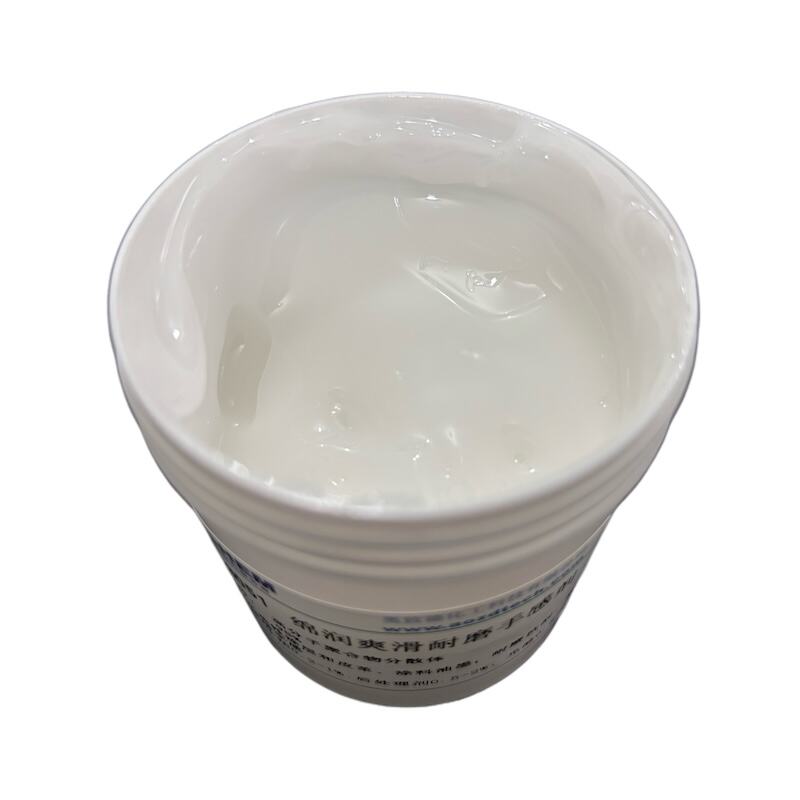
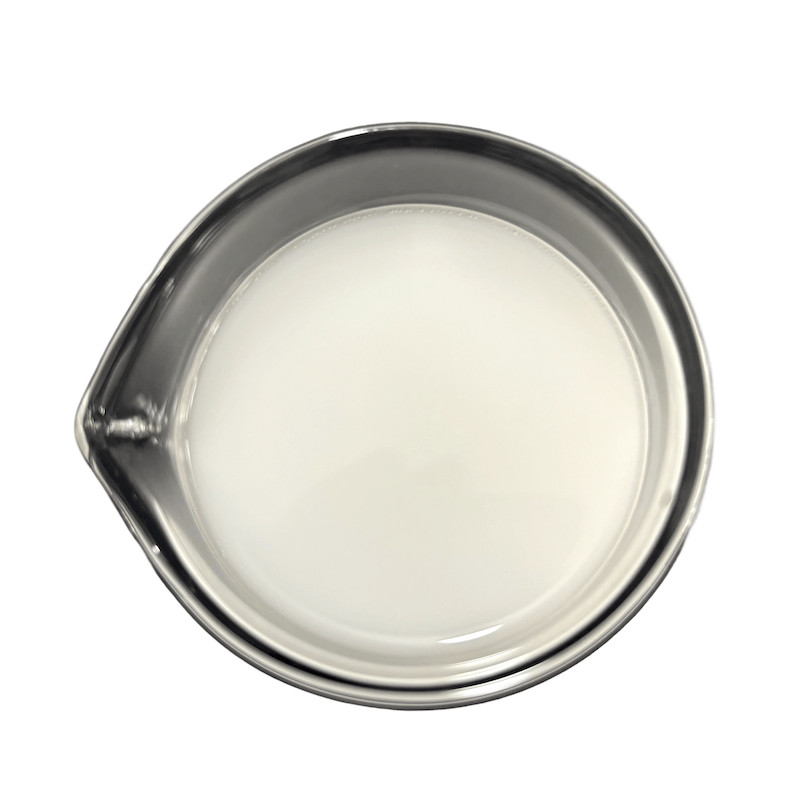
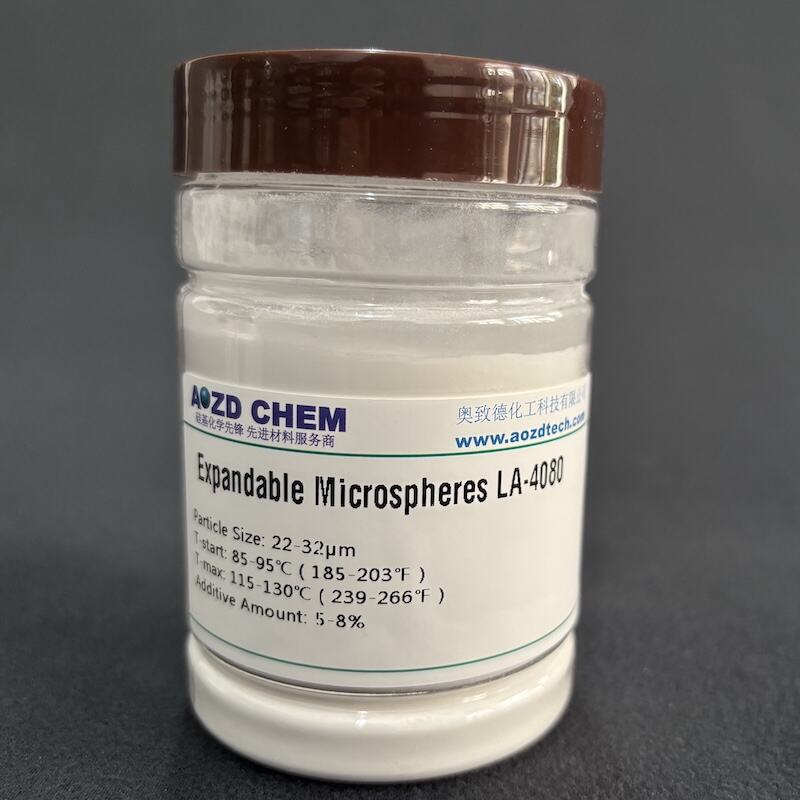
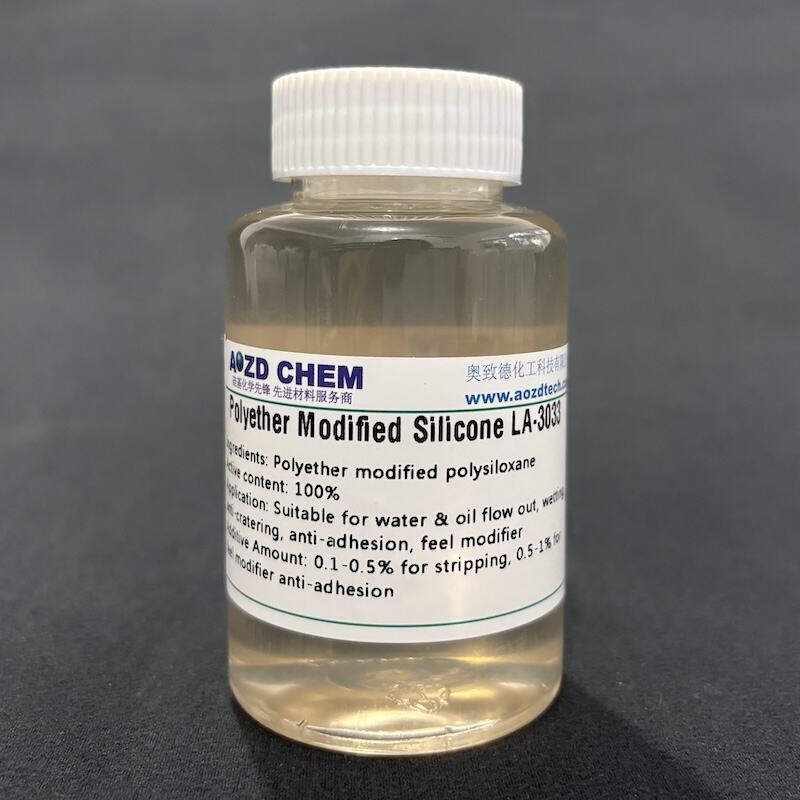
polyether modified polysiloxane dispersion
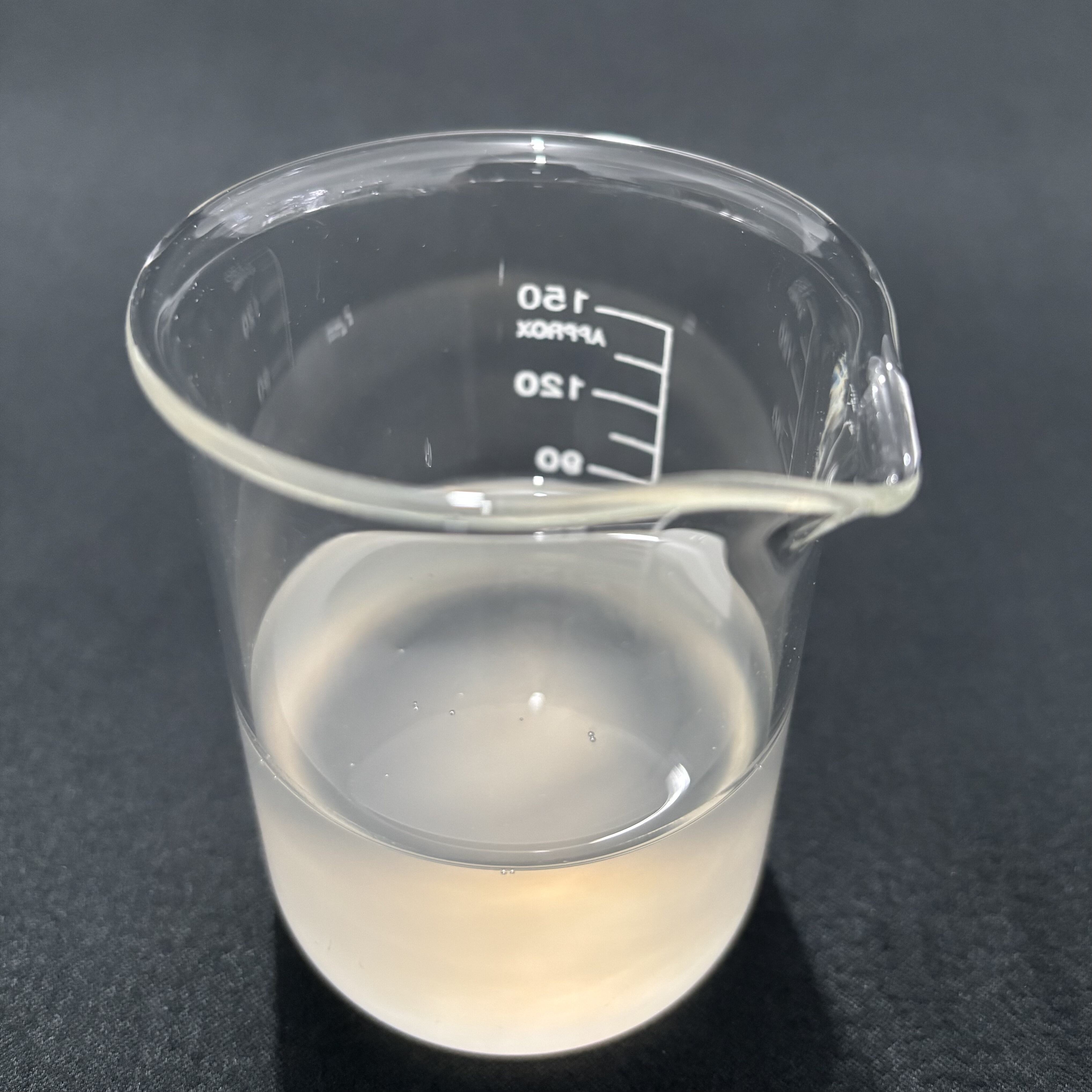
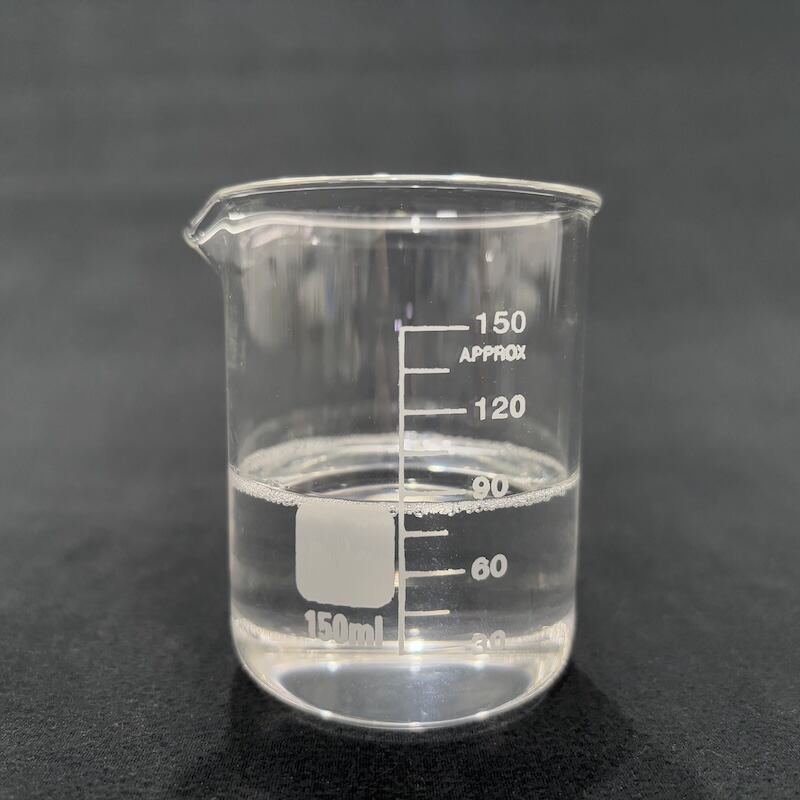
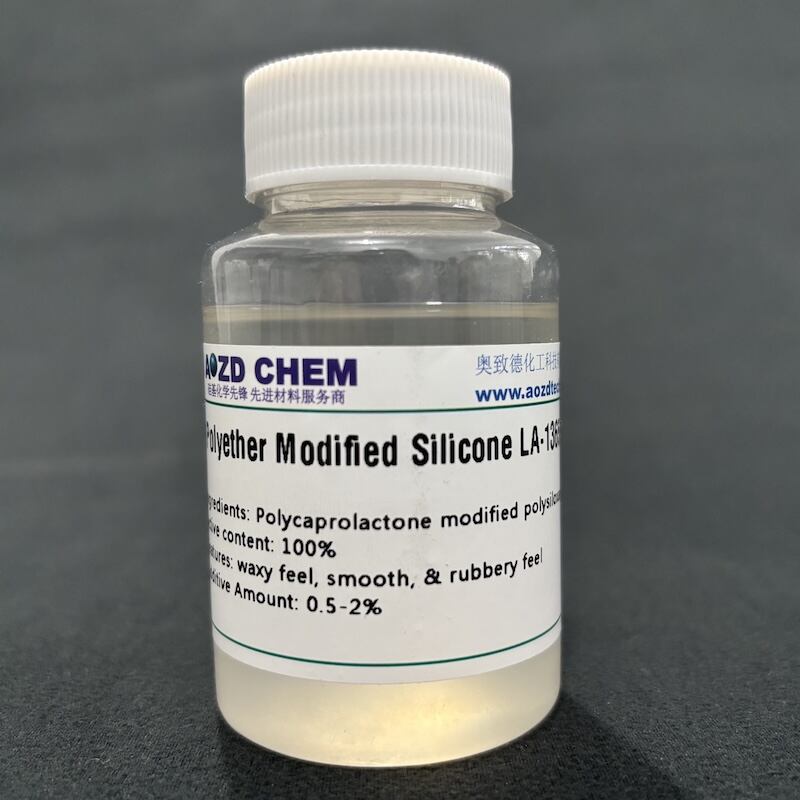
Polyether modified polysiloxane dispersion represents a revolutionary advancement in surface modification technology, combining the exceptional properties of silicone chemistry with water-based formulation benefits. This innovative material consists of polysiloxane chains that have been chemically modified with polyether segments, creating a unique amphiphilic structure that delivers superior performance across diverse industrial applications. The polyether modified polysiloxane dispersion functions primarily as a multifunctional additive that enhances surface properties, reduces surface tension, and improves wetting characteristics in various formulations. Its technological framework relies on the synergistic combination of hydrophobic silicone backbone and hydrophilic polyether side chains, enabling exceptional compatibility with both aqueous and non-aqueous systems. The dispersion exhibits remarkable thermal stability, maintaining its functional properties across wide temperature ranges while demonstrating excellent chemical resistance. Key technological features include controlled particle size distribution, optimized viscosity profiles, and enhanced storage stability that ensure consistent performance throughout the product lifecycle. Applications span across multiple industries including coatings, adhesives, textile treatment, personal care products, and industrial processing aids. In coating applications, polyether modified polysiloxane dispersion serves as an effective leveling agent, substrate wetting promoter, and surface tension modifier, resulting in improved film formation and enhanced aesthetic properties. The textile industry utilizes this material for fabric softening, anti-static treatment, and water repellency enhancement. Personal care formulations benefit from its emulsification properties and skin conditioning effects. Industrial applications leverage its defoaming capabilities, mold release properties, and processing aid functionality. The dispersion's versatility stems from its ability to migrate to interfaces, where it significantly influences surface phenomena while maintaining compatibility with host formulations.

 EN
EN