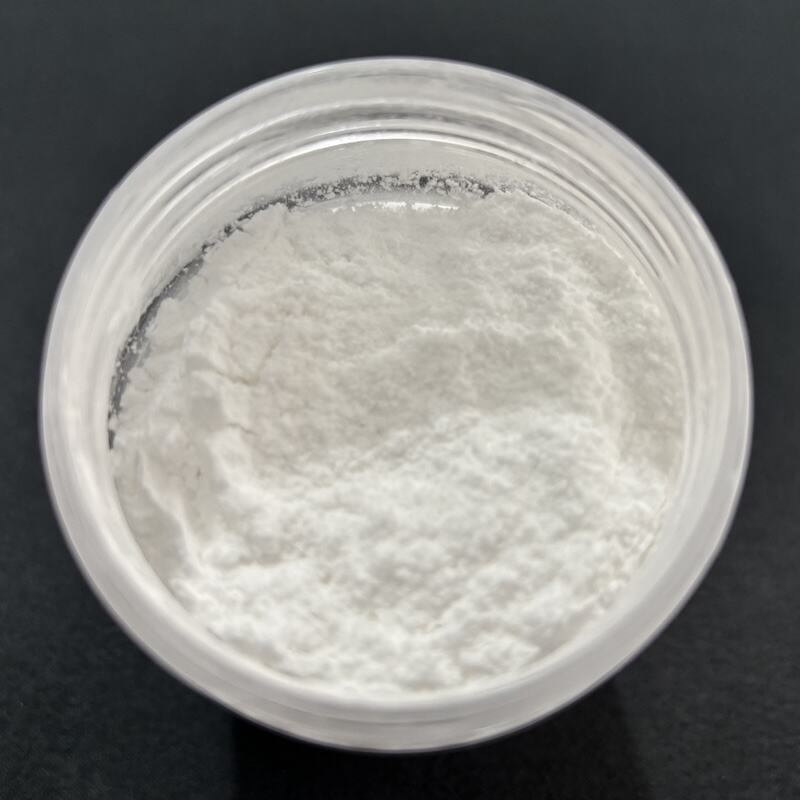
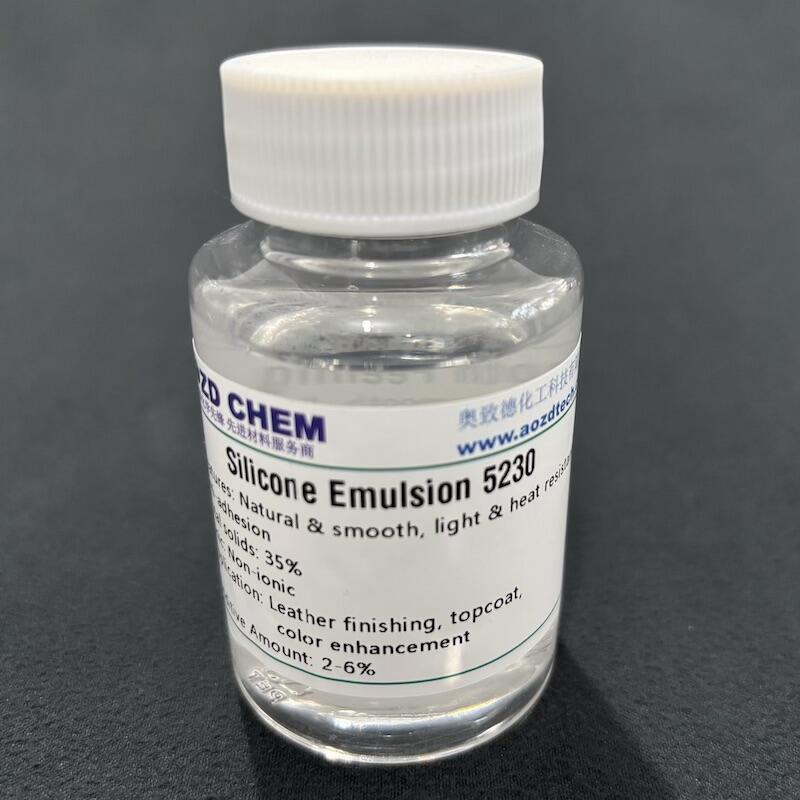
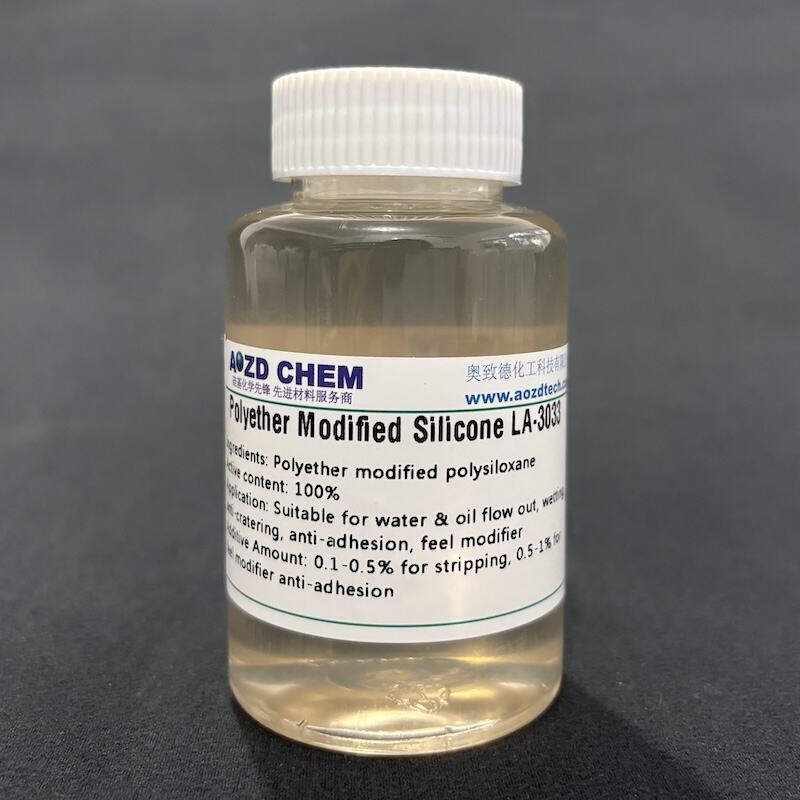
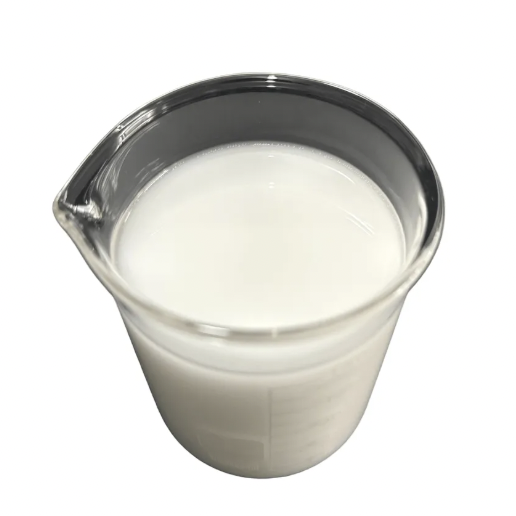
Polyether Modified Polysiloxane: Advanced Surface Technology Solutions for Industrial Applications

All Categories

Get a Free Quote

Our representative will contact you soon.
Email
Name
Company Name
Whatsapp
Message
0/1000

polyether modified polysiloxane

Polyether modified polysiloxane represents a revolutionary advancement in surface chemistry, combining the exceptional properties of silicone polymers with the versatility of polyether chains. This innovative material creates a unique molecular structure that delivers superior performance across multiple industrial applications. The polyether modified polysiloxane functions primarily as a surfactant, wetting agent, and surface modifier, offering enhanced compatibility between different materials and phases. The technological foundation of polyether modified polysiloxane lies in its dual-nature molecular architecture. The siloxane backbone provides thermal stability, chemical resistance, and low surface tension properties, while the polyether segments contribute hydrophilic characteristics and improved solubility in various solvents. This combination results in materials that can effectively reduce surface tension, improve spreading properties, and enhance substrate wetting. The manufacturing process involves precise grafting of polyether chains onto siloxane polymers, creating products with tailored hydrophilic-lipophilic balance ratios. Key technological features include exceptional thermal stability up to 300°C, excellent chemical compatibility, superior spreading characteristics, and remarkable foam control properties. The polyether modified polysiloxane demonstrates outstanding performance in reducing interfacial tension between immiscible phases, making it invaluable for emulsification processes. Applications span across diverse industries including coatings, agriculture, textiles, personal care, and industrial cleaning. In coatings formulations, polyether modified polysiloxane improves leveling, reduces defects, and enhances substrate adhesion. Agricultural applications utilize its superior spreading properties for pesticide and herbicide formulations, ensuring better coverage and efficacy. The textile industry benefits from its ability to impart softness, water repellency, and improved dyeing properties. Personal care products incorporate polyether modified polysiloxane for its conditioning effects and sensory enhancement. Industrial processes leverage its defoaming capabilities and surface modification properties for enhanced manufacturing efficiency.


New Product Releases

Polyether modified polysiloxane offers numerous practical benefits that directly translate into improved performance and cost savings for manufacturers and end-users. The primary advantage stems from its exceptional surface activity, which dramatically reduces surface tension compared to conventional surfactants. This reduction enables better wetting of difficult-to-wet surfaces, improving coverage and reducing material waste. Users experience significant cost savings through reduced application quantities while achieving superior results. The thermal stability of polyether modified polysiloxane surpasses traditional organic surfactants, maintaining effectiveness at elevated temperatures where conventional materials degrade. This stability extends product shelf life and enables use in high-temperature processes without performance deterioration. Manufacturing facilities benefit from reduced downtime and maintenance costs associated with product degradation. The chemical compatibility of polyether modified polysiloxane allows formulation flexibility across diverse systems. Unlike traditional surfactants that may cause compatibility issues, this material integrates seamlessly with various polymers, solvents, and additives. Formulators achieve desired properties without extensive reformulation efforts, accelerating product development timelines and reducing testing costs. Environmental benefits represent another significant advantage of polyether modified polysiloxane. The material demonstrates excellent biodegradability and low toxicity profiles compared to many conventional surfactants. Companies utilizing these products can meet increasingly stringent environmental regulations while maintaining superior performance standards. This environmental friendliness supports corporate sustainability initiatives and enhances brand reputation. Processing advantages include improved flow properties and reduced foam formation during manufacturing operations. The polyether modified polysiloxane eliminates foam-related production issues that commonly plague industrial processes, resulting in higher production efficiency and consistent product quality. Manufacturers report reduced rejection rates and improved throughput when incorporating these materials. The versatility of polyether modified polysiloxane enables multiple functions within single formulations, replacing several traditional additives. This consolidation simplifies inventory management, reduces storage requirements, and streamlines procurement processes. Supply chain efficiency improvements translate into cost reductions and operational simplification. Quality improvements manifest through enhanced final product properties including better appearance, improved durability, and superior performance characteristics. End-users experience longer-lasting products with enhanced functionality, creating value throughout the supply chain.

Practical Tips

What Makes Silicone Emulsion Environmentally Safer

02

Dec

What Makes Silicone Emulsion Environmentally Safer

Environmental sustainability has become a critical consideration for manufacturers across industries, driving demand for safer chemical alternatives. Traditional emulsions often contain volatile organic compounds and harsh solvents that pose risks to...
View More
How Does Silicone Dispersion Improve Water Resistance in Coatings

02

Dec

How Does Silicone Dispersion Improve Water Resistance in Coatings

Water resistance stands as one of the most critical performance characteristics in modern coating applications across industries ranging from automotive to marine environments. Traditional coatings often struggle to maintain their protective properti...
View More
How Does Silicone Emulsion Interact with Other Leather Chemicals?

08

Jan

How Does Silicone Emulsion Interact with Other Leather Chemicals?

The leather industry relies on complex chemical interactions to achieve desired properties in finished products. Among the various chemicals used in leather processing, silicone emulsion has emerged as a crucial component that significantly impacts t...
View More
What Are the Environmental Concerns About Leather Chemicals?

08

Jan

What Are the Environmental Concerns About Leather Chemicals?

The leather industry has long been scrutinized for its environmental impact, particularly regarding the use of leather chemicals in processing and manufacturing. These chemicals, while essential for transforming raw hides into durable leather product...
View More

Get a Free Quote

Our representative will contact you soon.
Email
Name
Company Name
Whatsapp
Message
0/1000

polyether modified polysiloxane

Superior Surface Modification Technology

Superior Surface Modification Technology

The surface modification capabilities of polyether modified polysiloxane represent a breakthrough in materials science, offering unprecedented control over interfacial properties. This technology fundamentally alters how surfaces interact with liquids, gases, and other materials, creating new possibilities for product enhancement and performance optimization. The molecular mechanism behind this surface modification involves the unique amphiphilic structure of polyether modified polysiloxane, where siloxane segments provide hydrophobic characteristics while polyether chains contribute hydrophilic properties. This dual nature enables the material to orient at interfaces in ways that dramatically alter surface energy and wetting behavior. The practical implications of this surface modification technology extend far beyond simple wetting improvement. In coating applications, polyether modified polysiloxane creates surfaces with controlled wettability, enabling precise control over paint flow, leveling, and final appearance. The technology eliminates common coating defects such as fish-eyes, crawling, and poor adhesion by optimizing the interface between the coating and substrate. Manufacturers report significant reductions in quality control issues and rework costs when implementing this technology. The modification process occurs at the molecular level, creating permanent changes that resist degradation under normal use conditions. Unlike temporary surface treatments, polyether modified polysiloxane creates lasting modifications that maintain their effectiveness throughout the product lifecycle. This permanence translates into long-term performance benefits and reduced maintenance requirements for end-users. Industrial processes benefit enormously from the controlled surface properties enabled by polyether modified polysiloxane. Manufacturing operations that previously struggled with material handling, processing difficulties, or quality issues find solutions through strategic surface modification. The technology enables processing of previously difficult materials and opens new possibilities for product innovation. The versatility of surface modification applications demonstrates the broad utility of polyether modified polysiloxane technology. From creating anti-fog surfaces in optical applications to developing easy-clean surfaces in consumer products, the technology adapts to diverse requirements while maintaining consistent performance standards.
Revolutionary Foam Control Performance

Revolutionary Foam Control Performance

Polyether modified polysiloxane delivers exceptional foam control performance that revolutionizes industrial processing and product formulation across multiple sectors. The foam control mechanism operates through sophisticated molecular interactions that efficiently break existing foam structures while preventing new foam formation. This dual-action approach provides comprehensive solutions for foam-related challenges that plague numerous manufacturing processes. The effectiveness of polyether modified polysiloxane in foam control stems from its unique ability to rapidly migrate to foam interfaces and destabilize foam lamellae through surface tension reduction and film thinning mechanisms. Unlike conventional antifoams that may require high concentrations or cause compatibility issues, polyether modified polysiloxane achieves superior results at remarkably low usage levels. This efficiency translates directly into cost savings and simplified formulation requirements for manufacturers. Industrial applications benefit tremendously from the reliable foam control provided by polyether modified polysiloxane. Manufacturing processes in sectors such as pulp and paper, wastewater treatment, and chemical processing experience significant productivity improvements through elimination of foam-related downtime. Production facilities report increased throughput, reduced maintenance requirements, and improved product consistency when implementing polyether modified polysiloxane foam control solutions. The persistence of foam control performance represents another critical advantage of polyether modified polysiloxane technology. While many conventional antifoams lose effectiveness over time or under challenging conditions, polyether modified polysiloxane maintains consistent performance throughout extended processing cycles. This reliability enables continuous operation without frequent reapplication or performance monitoring, reducing operational complexity and labor requirements. Environmental considerations make polyether modified polysiloxane an increasingly preferred choice for foam control applications. The material demonstrates excellent environmental compatibility, biodegradability, and low toxicity compared to traditional foam control agents. Companies can achieve superior foam control while meeting environmental compliance requirements and supporting sustainability objectives. Processing flexibility represents an additional benefit of polyether modified polysiloxane foam control technology. The material remains effective across wide temperature ranges, varying pH conditions, and diverse chemical environments. This versatility enables use in challenging applications where conventional foam control agents fail, expanding possibilities for process optimization and product development.
Enhanced Chemical Compatibility Solutions

Enhanced Chemical Compatibility Solutions

The enhanced chemical compatibility of polyether modified polysiloxane represents a paradigm shift in formulation science, enabling previously impossible combinations of materials and opening new avenues for product innovation. This compatibility extends across diverse chemical systems, from polar to non-polar environments, creating unprecedented formulation flexibility for product developers and manufacturers. The molecular basis for this enhanced compatibility lies in the unique structure of polyether modified polysiloxane, which bridges the gap between silicone and organic chemistries through its hybrid molecular architecture. The chemical compatibility advantages of polyether modified polysiloxane manifest in multiple ways throughout formulation development and manufacturing processes. Traditional formulation challenges related to ingredient incompatibility, phase separation, or performance conflicts find solutions through strategic incorporation of polyether modified polysiloxane. The material acts as a molecular bridge, enabling stable combinations of previously incompatible components while maintaining or enhancing overall system performance. Formulation scientists report dramatic reductions in development time and testing requirements when utilizing polyether modified polysiloxane as a compatibility enhancer. The technology eliminates lengthy trial-and-error processes typically associated with complex formulations, accelerating time-to-market for new products. This acceleration provides competitive advantages and reduces development costs across multiple industries. Manufacturing benefits from enhanced chemical compatibility include improved process reliability, reduced batch failures, and enhanced product consistency. Production facilities experience fewer compatibility-related issues that can cause equipment problems, quality deviations, or safety concerns. The stable chemical interactions promoted by polyether modified polysiloxane create more predictable manufacturing processes with reduced variability and improved quality control. The versatility of compatibility enhancement extends to challenging applications involving extreme pH conditions, high temperatures, or reactive chemical environments. Polyether modified polysiloxane maintains its compatibility-enhancing properties under conditions where conventional compatibility agents fail, enabling innovation in demanding applications. This robustness supports development of products for specialized markets and challenging use environments. Cost benefits associated with enhanced chemical compatibility include reduced ingredient costs through enabling use of lower-cost alternatives, simplified formulations with fewer required components, and improved manufacturing efficiency through reduced processing problems. These economic advantages compound over time, providing sustainable competitive benefits for companies implementing polyether modified polysiloxane technology in their formulation strategies.

Get a Free Quote

Our representative will contact you soon.
Email
Name
Company Name
Whatsapp
Message
0/1000