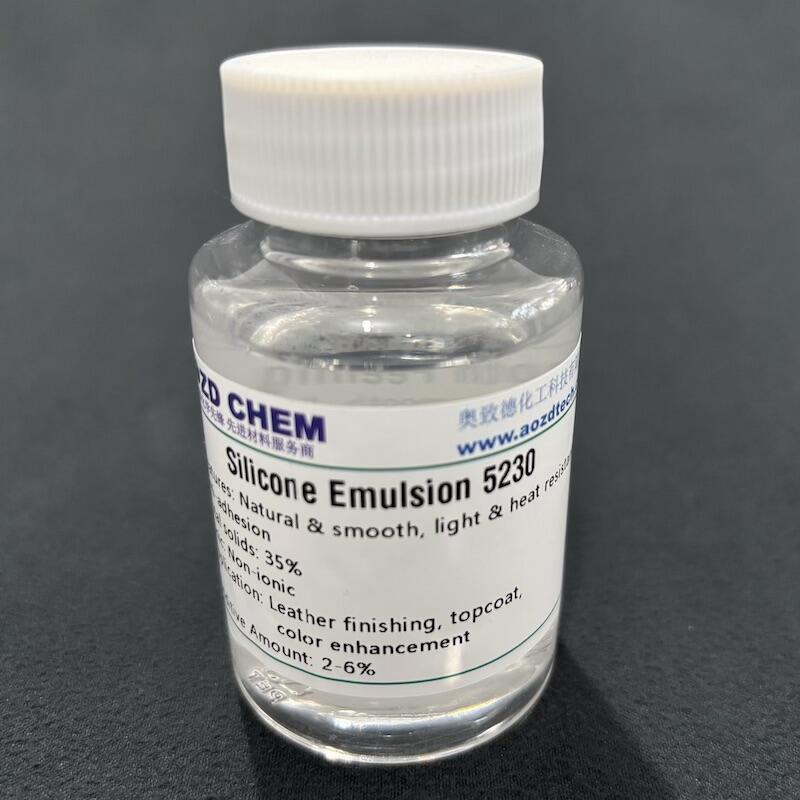
Exceptional Chemical and Thermal Stability
The remarkable stability profile of silicone emulsion for coating additives stems from the inherent chemical structure of siloxane bonds, which exhibit extraordinary resistance to thermal degradation, chemical attack, and environmental stress factors. This stability translates into reliable performance across temperature ranges from -50°C to 200°C, maintaining consistent surface properties regardless of environmental conditions. Chemical resistance encompasses acids, bases, salts, and organic solvents, protecting coating integrity in harsh industrial environments, marine applications, and chemical processing facilities. The thermal stability prevents additive migration, decomposition, or performance loss during high-temperature cure cycles or service exposure. This characteristic proves essential for powder coatings, baked enamels, and industrial finishes requiring elevated cure temperatures. Unlike organic additives that may volatilize or degrade under thermal stress, silicone emulsion for coating additives maintain molecular integrity and continue delivering performance benefits throughout the coating's service life. Weather resistance testing demonstrates exceptional durability under accelerated weathering conditions, including UV exposure, thermal cycling, humidity variations, and salt spray exposure. These demanding test conditions simulate years of outdoor exposure, validating the long-term reliability of silicone emulsion for coating additives in architectural and automotive applications. The chemical inertness prevents catalytic reactions that could compromise coating appearance, adhesion, or protective properties. This stability enables formulators to combine silicone emulsion for coating additives with various other additives, pigments, and resins without compatibility concerns. Storage stability remains excellent, with emulsions maintaining consistent particle size distribution and performance characteristics for extended periods. The robust nature of silicone chemistry ensures batch-to-batch consistency, enabling manufacturers to rely on predictable performance in production environments. Quality assurance protocols verify stability parameters, ensuring end-users receive products that meet rigorous performance standards throughout their intended service life.

 EN
EN