Versatile Multi-Fiber Compatibility
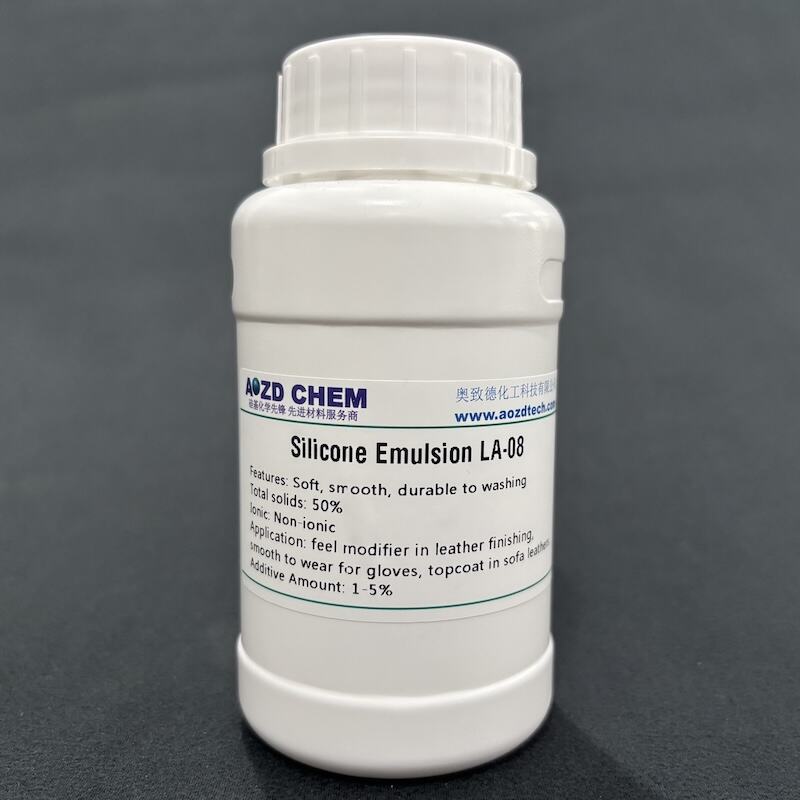
The silicone emulsion for textile softener demonstrates remarkable versatility through its comprehensive multi-fiber compatibility, making it an ideal solution for diverse textile manufacturing operations and varied fabric compositions. This compatibility extends across natural fibers including cotton, linen, wool, and silk, as well as synthetic materials such as polyester, nylon, acrylic, and various fiber blends. The advanced formulation chemistry adapts to different fiber structures and surface characteristics, ensuring optimal performance regardless of the textile substrate being treated. This versatility eliminates the need for multiple specialized products, simplifying inventory management and reducing procurement costs for manufacturers. The silicone emulsion for textile softener maintains consistent effectiveness across different fabric weights, from lightweight sheers to heavy-duty industrial textiles, providing flexibility in production planning and process optimization. Compatibility extends to various textile constructions including woven, knitted, and non-woven fabrics, making it suitable for diverse applications ranging from apparel to home textiles and technical applications. The formulation works effectively with pre-treated fabrics, including those that have undergone dyeing, printing, or other finishing processes, without causing adverse interactions or performance degradation. Color safety represents a critical compatibility feature, as the silicone emulsion for textile softener maintains color fastness and prevents unwanted color changes or fading in treated fabrics. The technology proves equally effective on both hydrophilic and hydrophobic fiber surfaces, adapting its interaction mechanisms to optimize performance for each specific material type. Processing compatibility encompasses various application methods including exhaust processes, pad-batch treatments, and continuous processing systems, providing manufacturers with flexibility in choosing optimal application techniques. This broad compatibility reduces technical complexity and training requirements, as operators can use consistent procedures across different fiber types and fabric styles while achieving reliable results.

 EN
EN