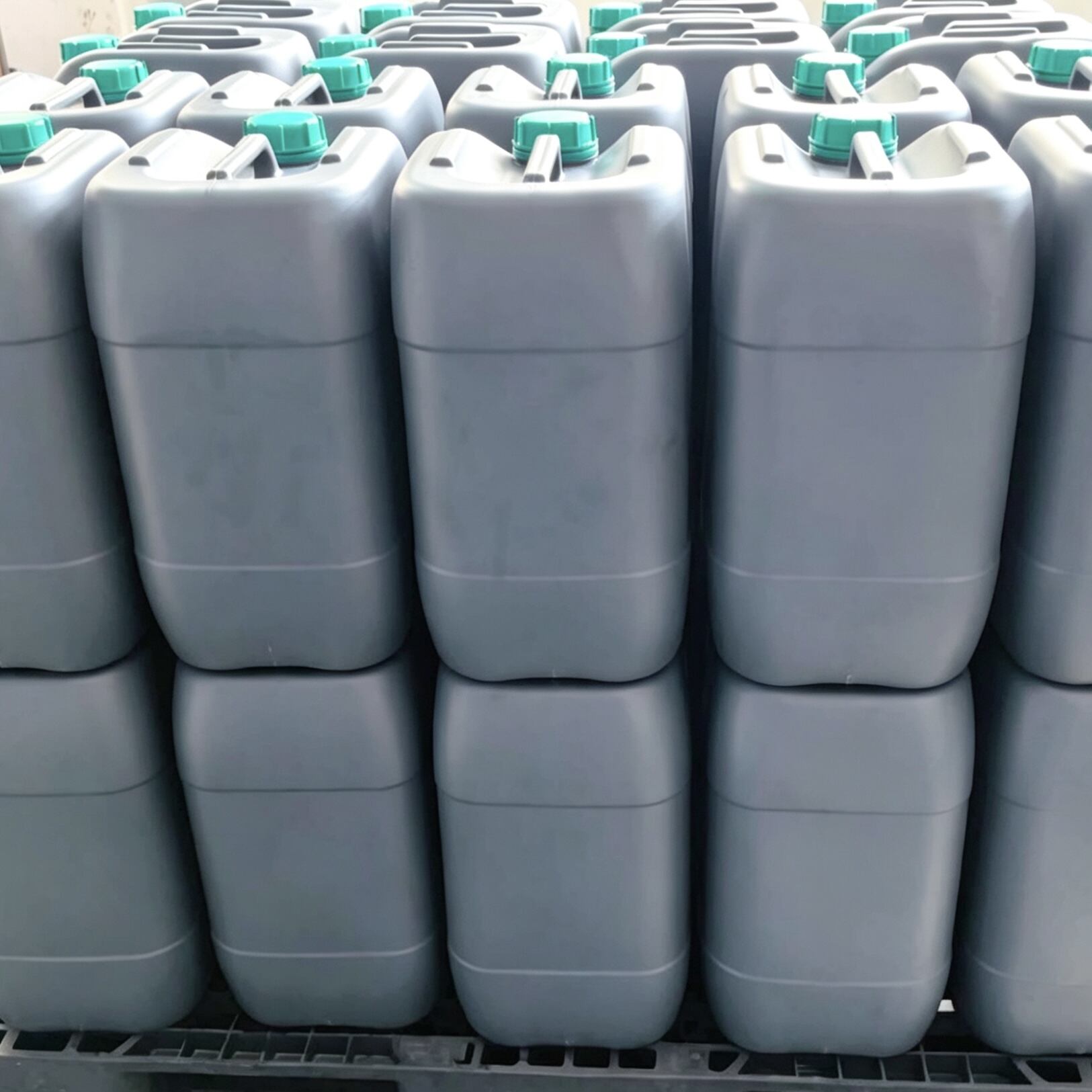
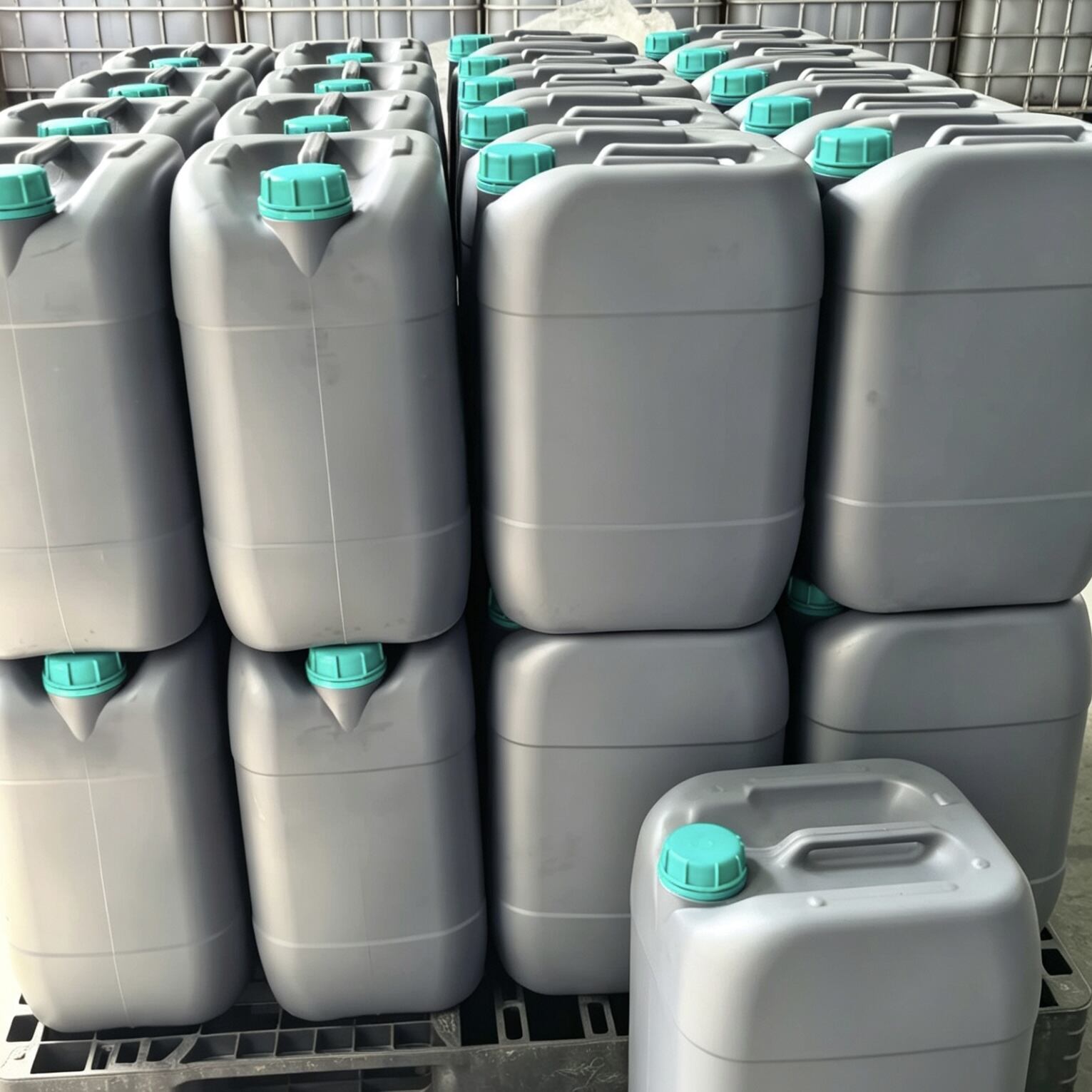
textile vortex spinning oil
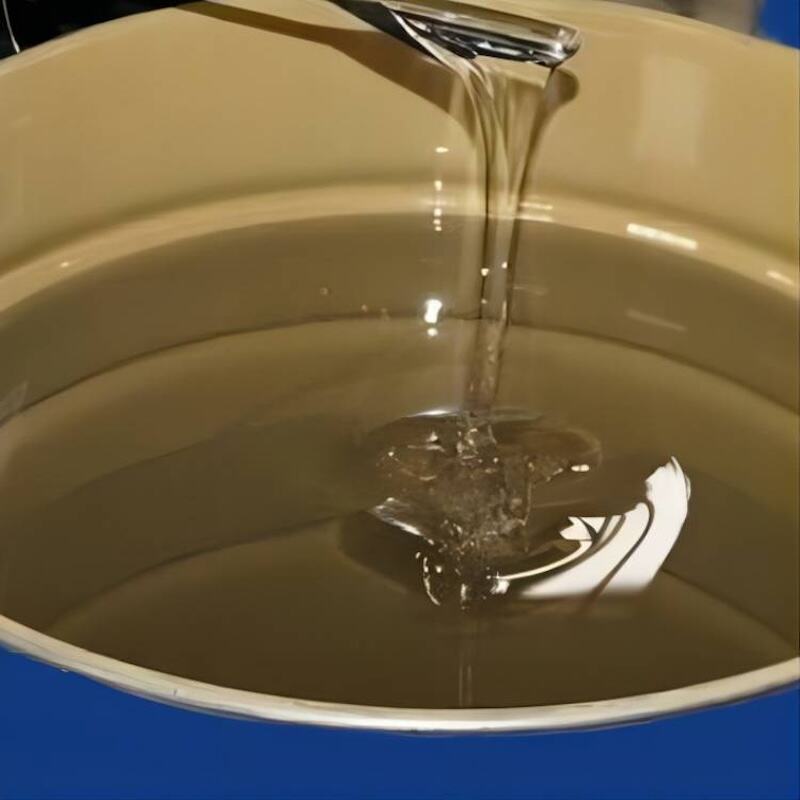
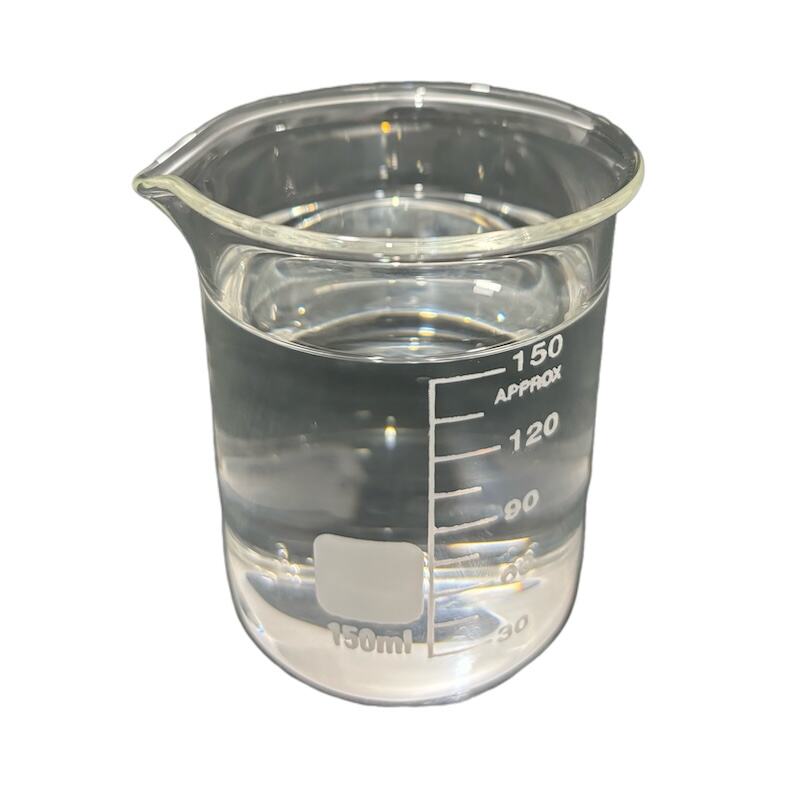
Textile vortex spinning oil represents a revolutionary advancement in modern spinning technology, designed specifically to enhance the performance and efficiency of vortex spinning systems. This specialized lubricant serves as a critical component in the textile manufacturing process, ensuring smooth operation of high-speed spinning equipment while maintaining consistent yarn quality. The textile vortex spinning oil functions primarily as a friction reducer, heat dissipator, and protective barrier for mechanical components within the spinning chamber. Its sophisticated formulation combines synthetic base oils with advanced additive packages to deliver exceptional performance under extreme operational conditions. The technological features of textile vortex spinning oil include superior thermal stability, excellent oxidation resistance, and precise viscosity control that remains consistent across varying temperature ranges. These characteristics enable the oil to maintain its lubricating properties even during continuous high-speed operation, which is essential for modern textile production facilities. The oil's low volatility ensures minimal consumption and reduces the frequency of replenishment, contributing to operational cost efficiency. Applications of textile vortex spinning oil extend across various textile manufacturing processes, including cotton, synthetic fiber, and blended yarn production. The oil is particularly effective in air-jet spinning systems where precise fiber manipulation is crucial for yarn formation. Its compatibility with different fiber types makes it versatile for diverse production requirements. The oil also plays a vital role in maintaining the cleanliness of the spinning chamber by preventing fiber accumulation and reducing static electricity buildup. Additionally, textile vortex spinning oil contributes to improved yarn uniformity and strength by ensuring consistent fiber alignment during the spinning process. Its anti-foaming properties prevent air entrapment that could compromise yarn quality, while its corrosion inhibitors protect expensive spinning equipment from premature wear and damage.
 EN
EN