Premium Vortex Spinning Oil Supplier - Advanced Industrial Lubrication Systems

All Categories

Get a Free Quote

Our representative will contact you soon.
Email
Name
Company Name
Whatsapp
Message
0/1000

vortex spinning oil supplier

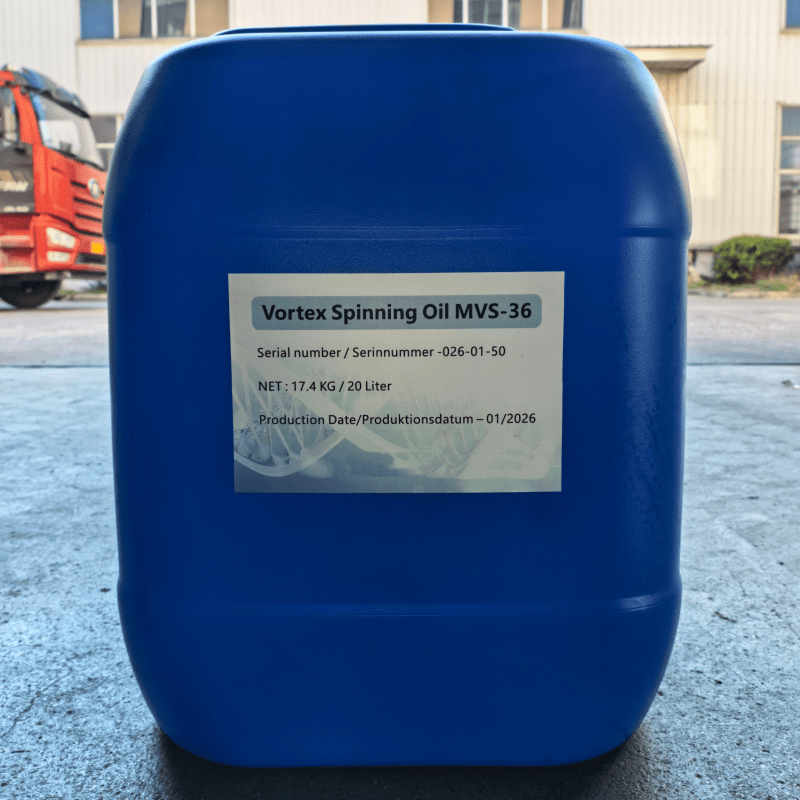
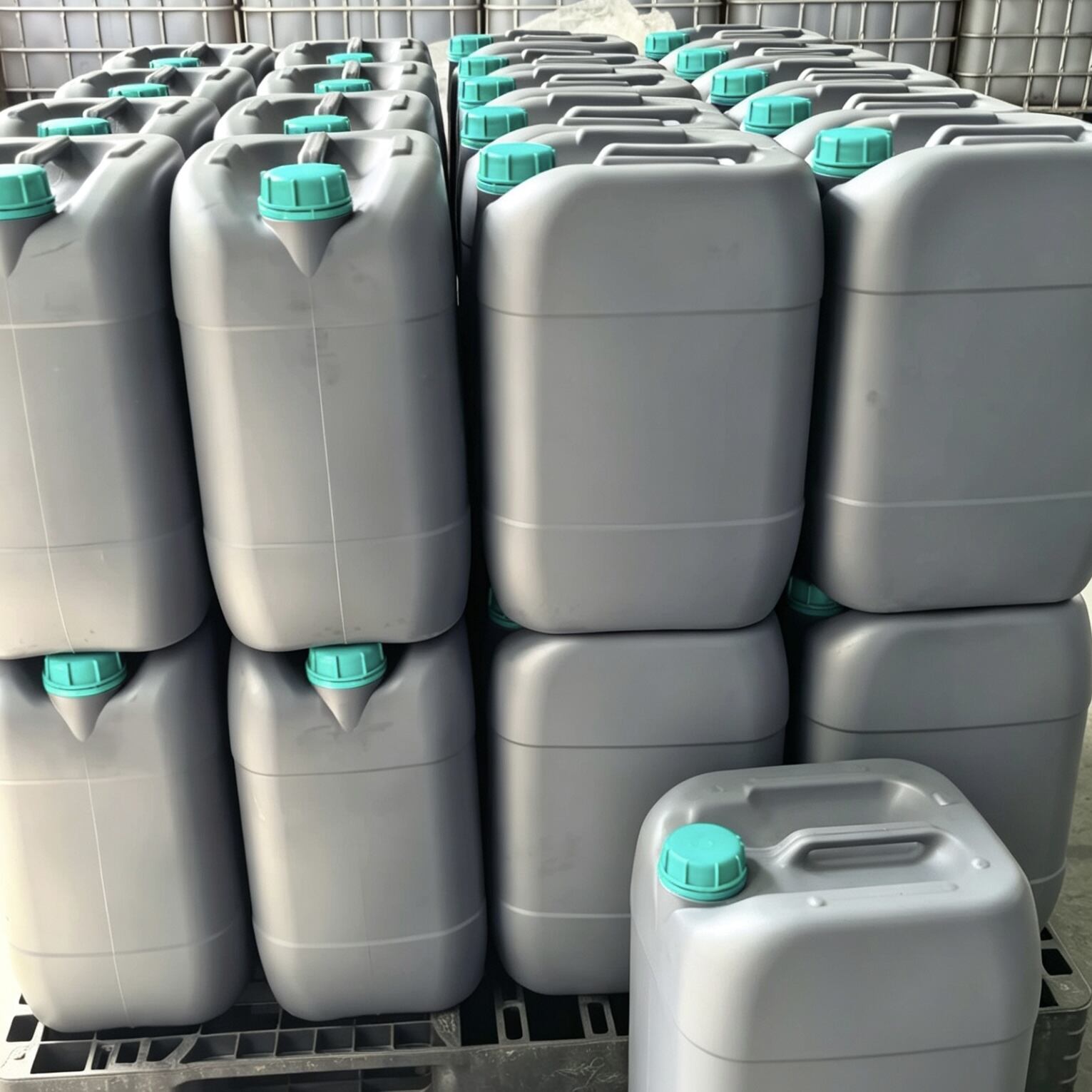
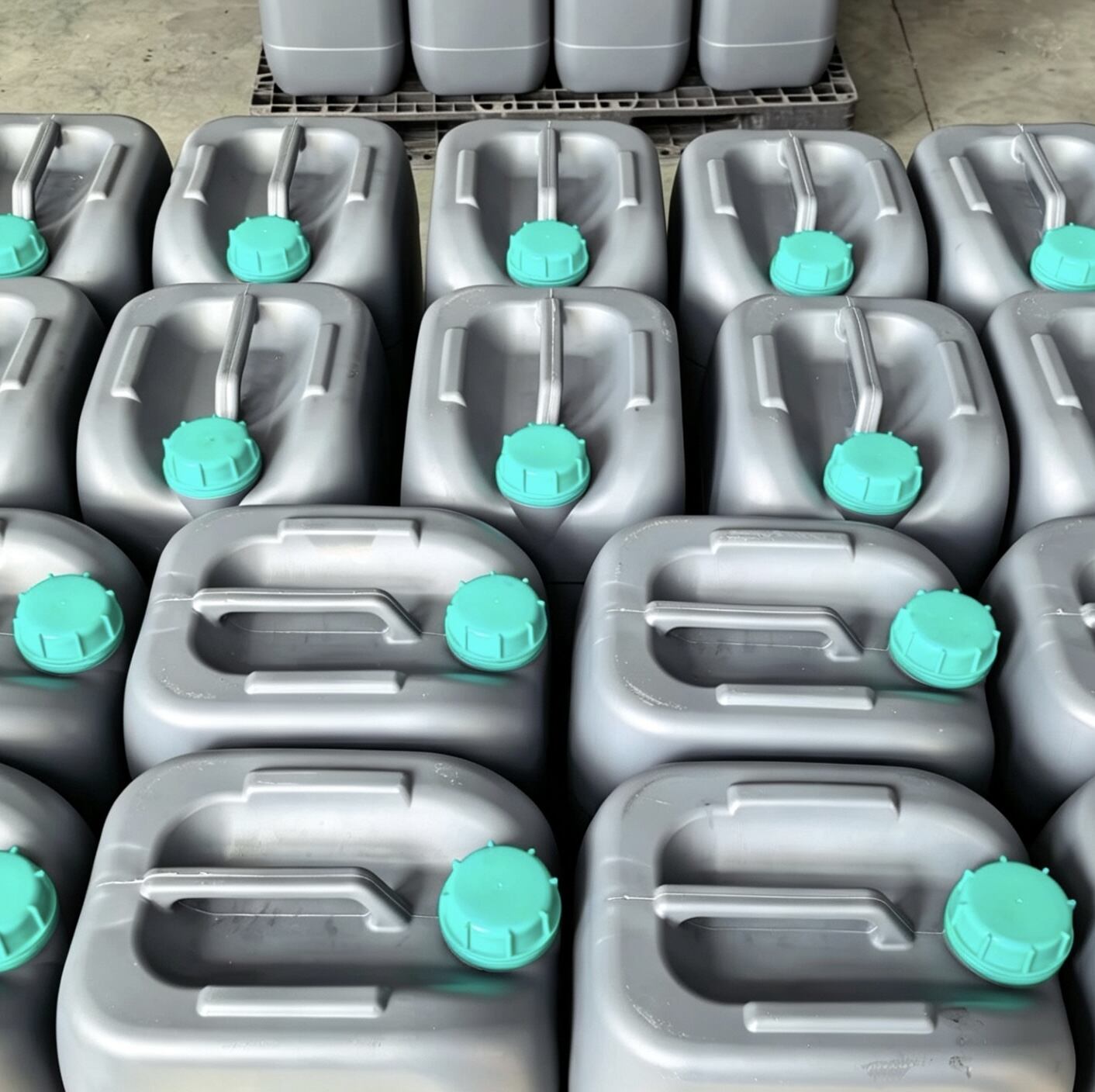
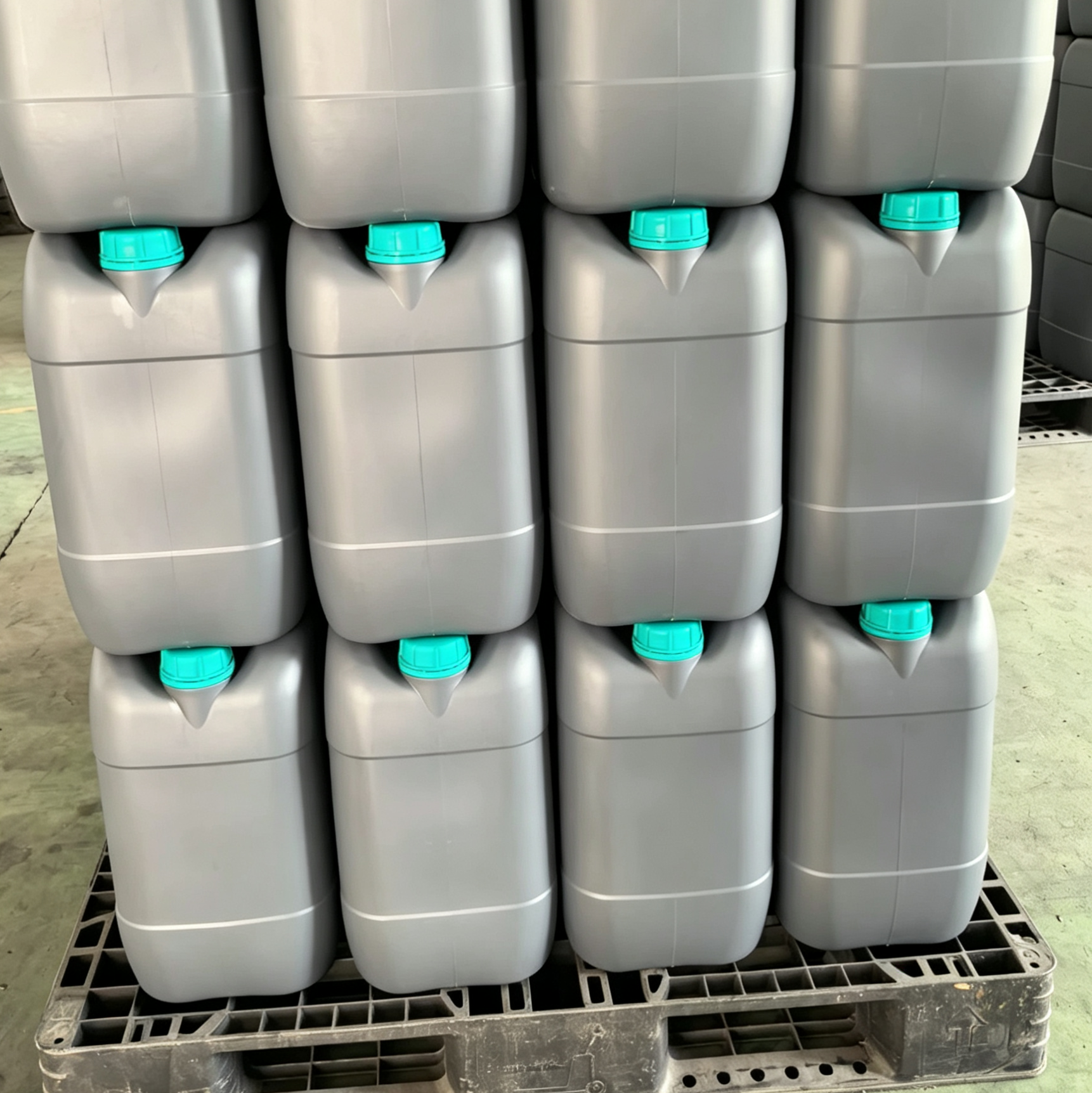
A vortex spinning oil supplier represents a cutting-edge solution in industrial lubrication systems, designed to deliver consistent and precise oil distribution through advanced vortex technology. This sophisticated equipment utilizes centrifugal force and fluid dynamics principles to create a controlled vortex motion that ensures optimal oil delivery across various industrial applications. The vortex spinning oil supplier operates by generating a rotating flow pattern that maintains uniform oil viscosity and temperature while preventing contamination and degradation. The main functions of this equipment include automated oil dispensing, real-time flow monitoring, temperature regulation, and contamination filtration. These systems integrate seamlessly with existing manufacturing processes, providing continuous lubrication support for machinery and equipment that require precise oil management. The technological features encompass advanced sensor networks that monitor oil quality parameters, programmable control systems that adjust flow rates based on operational demands, and intelligent diagnostic capabilities that predict maintenance requirements. Modern vortex spinning oil supplier units incorporate IoT connectivity, enabling remote monitoring and control through digital interfaces. The applications span across multiple industries including automotive manufacturing, aerospace production, heavy machinery operations, and precision engineering sectors. In automotive plants, these suppliers ensure consistent lubrication for assembly line equipment, reducing downtime and improving production efficiency. Aerospace applications benefit from the precise oil delivery required for critical component manufacturing, where even minor lubrication inconsistencies can compromise safety standards. The vortex spinning oil supplier technology addresses common challenges in traditional oil distribution systems, such as irregular flow patterns, temperature fluctuations, and contamination risks. By maintaining optimal oil conditions through continuous circulation and filtration, these systems extend equipment lifespan and reduce maintenance costs significantly.

New Product Recommendations

The vortex spinning oil supplier delivers exceptional operational efficiency by maintaining consistent oil flow rates that eliminate the unpredictability associated with conventional pumping systems. This reliability translates directly into reduced equipment downtime, as machinery receives the precise lubrication needed to operate smoothly without interruption. Manufacturing facilities experience significant cost savings through decreased oil consumption, as the vortex technology prevents waste and ensures every drop reaches its intended destination. The system monitors oil usage patterns automatically, providing valuable data that helps optimize consumption and identify potential inefficiencies before they become costly problems. Quality control benefits emerge from the uniform oil distribution that the vortex spinning oil supplier provides, ensuring all equipment receives identical lubrication standards regardless of location within the facility. This consistency eliminates hot spots and cold zones that traditional systems often create, leading to more predictable equipment performance and longer operational life. Maintenance requirements drop substantially because the self-monitoring capabilities alert operators to potential issues before failures occur, enabling proactive rather than reactive maintenance strategies. The filtration systems built into modern vortex spinning oil supplier units remove contaminants continuously, maintaining oil purity levels that extend both oil life and equipment protection. Energy efficiency improves through optimized flow patterns that require less power to achieve superior distribution compared to conventional methods. Installation flexibility allows these systems to adapt to existing infrastructure without requiring extensive modifications, making upgrades economically viable for facilities of all sizes. The automated control features reduce labor costs by eliminating manual monitoring and adjustment tasks, freeing skilled technicians to focus on higher-value activities. Safety enhancements include reduced exposure to oil handling risks and improved fire prevention through controlled oil management. Environmental benefits result from reduced oil waste and improved recycling capabilities, supporting sustainability initiatives while lowering disposal costs. The diagnostic capabilities provide predictive analytics that help facility managers plan maintenance schedules more effectively, reducing emergency repairs and extending equipment lifecycles. Return on investment typically materializes within the first year through combined savings in oil consumption, maintenance costs, and improved productivity rates.

Practical Tips

How Expandable Microspheres Revolutionize Material Science

26

Nov

How Expandable Microspheres Revolutionize Material Science

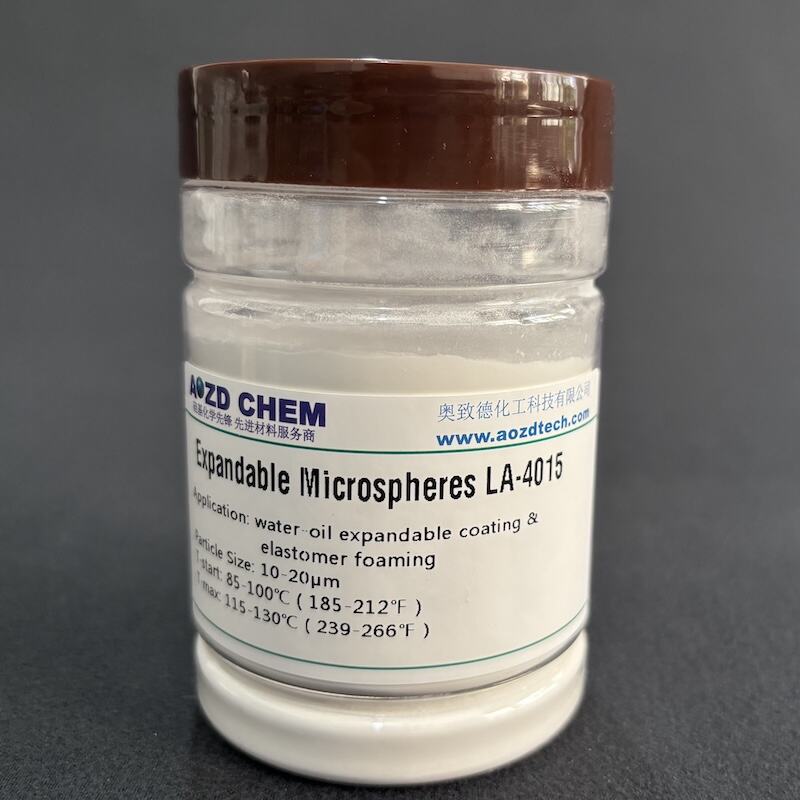
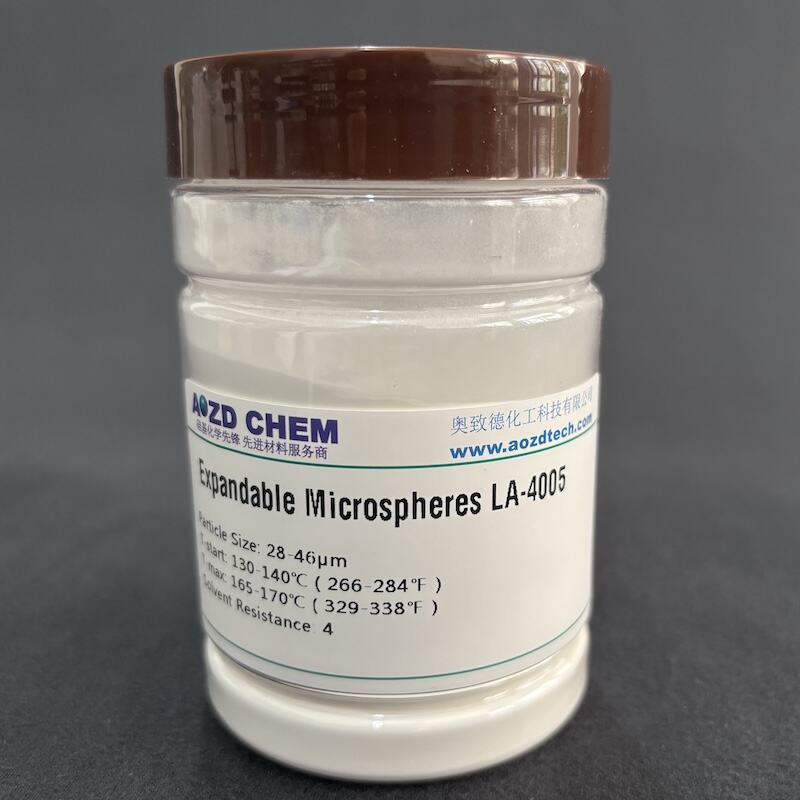
Understanding Expandable Microspheres in Material Science Expandable microspheres consist of tiny polymer particles capable of expanding when heated. When this happens, it creates materials that weigh less while still providing good insulation again...
View More
Unlocking Potential: The Power of Additives in Modern Manufacturing

26

Nov

Unlocking Potential: The Power of Additives in Modern Manufacturing

Understanding Additives in Modern Manufacturing Additives play a vital role in modern manufacturing processes across various industries. They're basically substances mixed into materials to boost performance in ways the base material just can't do o...
View More
Unlocking Versatility: The Power of Silicone Emulsions in Industry

26

Nov

Unlocking Versatility: The Power of Silicone Emulsions in Industry

Understanding Silicone Emulsions Silicone emulsions basically consist of silicone polymers blended with water, making them pretty important across many different industries. We find these emulsions everywhere really, in everything from makeup produc...
View More
What Are the Environmental Concerns About Leather Chemicals?

08

Jan

What Are the Environmental Concerns About Leather Chemicals?

The leather industry has long been scrutinized for its environmental impact, particularly regarding the use of leather chemicals in processing and manufacturing. These chemicals, while essential for transforming raw hides into durable leather product...
View More

Get a Free Quote

Our representative will contact you soon.
Email
Name
Company Name
Whatsapp
Message
0/1000

vortex spinning oil supplier

Advanced Vortex Technology for Superior Oil Distribution

Advanced Vortex Technology for Superior Oil Distribution

The core strength of any vortex spinning oil supplier lies in its revolutionary vortex generation technology that fundamentally transforms how industrial facilities manage lubrication systems. This innovative approach creates a controlled cyclonic motion within the oil reservoir, ensuring continuous circulation that prevents settling, contamination buildup, and temperature stratification. The vortex motion maintains optimal oil viscosity by preventing thermal gradients that typically develop in static systems, where oil near heating elements becomes thin while oil in cooler areas thickens beyond optimal parameters. This technology incorporates precision-engineered impellers and flow directors that create stable vortex patterns capable of handling various oil types, from lightweight synthetic lubricants to heavy-duty industrial oils. The system automatically adjusts vortex intensity based on oil characteristics and environmental conditions, ensuring consistent performance across different operational scenarios. Advanced computational fluid dynamics modeling guides the design of each vortex spinning oil supplier, optimizing chamber geometry and flow patterns to maximize efficiency while minimizing energy consumption. The continuous motion prevents oil degradation that occurs in stagnant systems, extending oil life significantly and reducing replacement frequency. Temperature regulation becomes more precise as the vortex motion distributes heat evenly throughout the oil volume, eliminating hot spots that can cause premature oil breakdown or equipment damage. Quality sensors integrated throughout the vortex chamber monitor oil conditions in real-time, detecting changes in viscosity, temperature, and contamination levels before they impact system performance. The vortex technology also enables superior mixing when oil additives or different oil grades need blending, ensuring homogeneous distribution that manual mixing cannot achieve. This technological advancement represents a paradigm shift from traditional linear flow systems to dynamic circular flow patterns that optimize every aspect of oil handling and distribution.
Intelligent Monitoring and Predictive Maintenance Capabilities

Intelligent Monitoring and Predictive Maintenance Capabilities

Modern vortex spinning oil supplier systems incorporate sophisticated monitoring technologies that transform routine maintenance from reactive emergency responses into strategic preventive actions. These intelligent systems deploy multiple sensor arrays throughout the oil distribution network, continuously collecting data on flow rates, pressure differentials, temperature variations, and oil quality parameters. Advanced algorithms analyze this data stream to identify patterns that indicate developing issues long before they manifest as equipment failures or production disruptions. The predictive analytics engine learns from historical performance data, building increasingly accurate models that can forecast maintenance needs with remarkable precision. Operators receive detailed alerts through intuitive dashboard interfaces that clearly explain detected anomalies and recommend specific corrective actions, eliminating guesswork from maintenance decisions. The monitoring system tracks oil degradation rates by analyzing molecular changes detected through spectroscopic sensors, providing precise timing for oil changes that maximize oil life without risking equipment protection. Vibration analysis capabilities detect mechanical wear in pumps, motors, and distribution components, enabling proactive replacement before failures occur. Flow pattern analysis identifies blockages, leaks, or distribution irregularities that could compromise lubrication effectiveness across the facility. The vortex spinning oil supplier monitoring system maintains comprehensive maintenance logs automatically, tracking all service activities, part replacements, and performance metrics to support warranty claims and regulatory compliance requirements. Integration with facility management systems enables seamless communication between the oil supply system and other critical infrastructure components, coordinating maintenance schedules to minimize operational disruptions. Remote monitoring capabilities allow expert technicians to diagnose issues and provide support without requiring on-site visits, reducing response times and minimizing service costs. The system generates detailed performance reports that help facility managers optimize oil procurement, schedule maintenance activities efficiently, and demonstrate compliance with environmental and safety regulations. Machine learning algorithms continuously refine predictive models based on actual performance data, improving accuracy over time and adapting to changing operational conditions or equipment modifications.
Modular Design for Scalable Industrial Applications

Modular Design for Scalable Industrial Applications

The modular architecture of contemporary vortex spinning oil supplier systems delivers unprecedented flexibility for industrial facilities ranging from small manufacturing shops to massive production complexes. This scalable design approach allows facilities to start with basic configurations and expand capabilities as operational requirements evolve, protecting initial investments while accommodating future growth. Each module operates independently while integrating seamlessly with other system components, enabling custom configurations that match specific facility layouts and operational workflows. The modular design philosophy extends to all system components, including storage tanks, distribution networks, monitoring systems, and control interfaces, allowing facilities to select optimal combinations based on their unique requirements and budget constraints. Standardized interfaces between modules ensure compatibility across different system generations, protecting long-term investment value and simplifying future upgrades or expansions. Installation becomes more manageable with modular systems, as components can be installed sequentially without disrupting ongoing operations, minimizing production downtime during implementation phases. Maintenance efficiency improves dramatically with modular designs, as individual components can be serviced or replaced without affecting other system functions, reducing maintenance windows and associated production losses. The vortex spinning oil supplier modular approach enables facilities to implement advanced features gradually, starting with basic oil distribution and adding monitoring, automation, and predictive maintenance capabilities as budgets and operational sophistication develop. Quality control benefits from modular designs through standardized testing protocols that ensure each component meets stringent performance standards before integration into larger systems. Customization options within the modular framework allow facilities to address unique challenges such as extreme temperature environments, corrosive atmospheres, or specialized oil types without requiring completely custom solutions. The scalability inherent in modular designs supports business growth by enabling capacity expansion without replacing existing infrastructure, making the vortex spinning oil supplier a long-term strategic investment rather than a short-term operational expense. Training requirements simplify with modular systems, as technicians can master individual components progressively rather than learning complex integrated systems all at once, improving competency development and reducing training costs.

Get a Free Quote

Our representative will contact you soon.
Email
Name
Company Name
Whatsapp
Message
0/1000