Premium Waxy Hand Feel Modifiers - Advanced Textile Finishing Solutions for Superior Fabric Touch

All Categories

Get a Free Quote

Our representative will contact you soon.
Email
Name
Company Name
Whatsapp
Message
0/1000

waxy hand feel modifiers

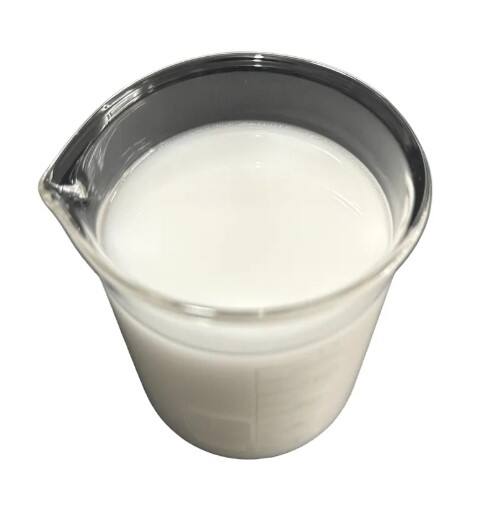
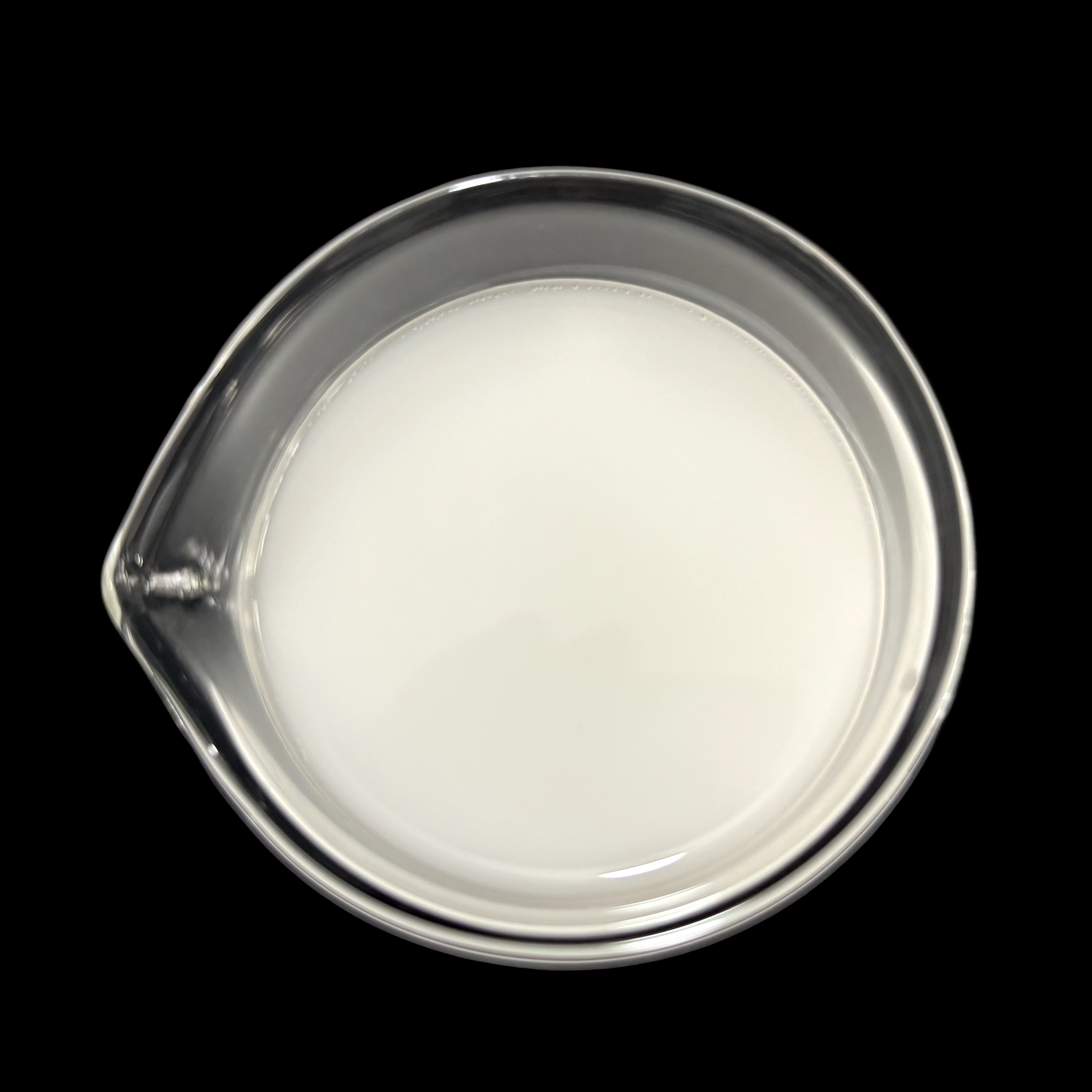
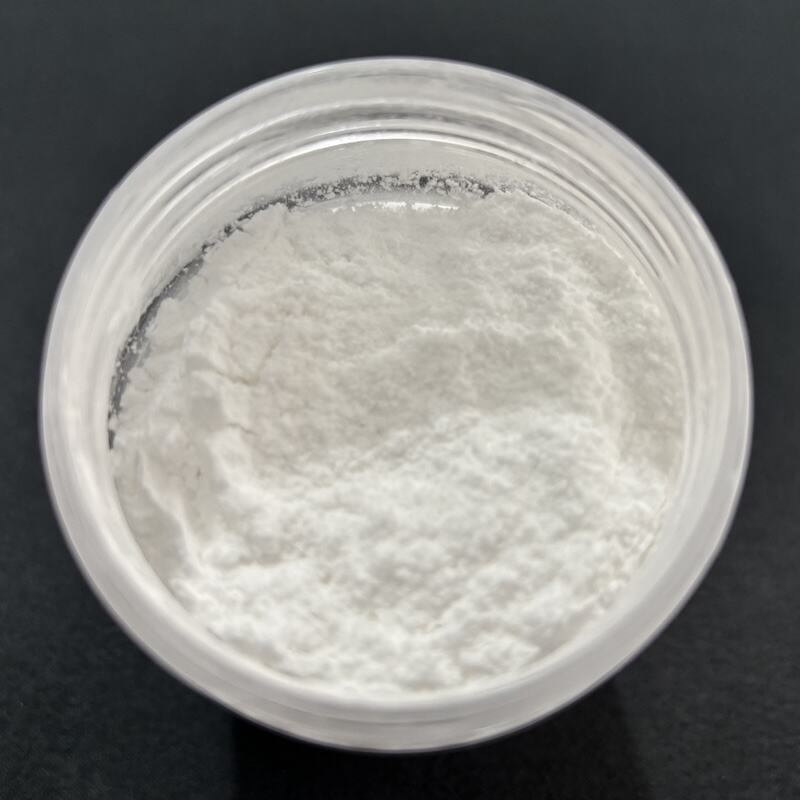
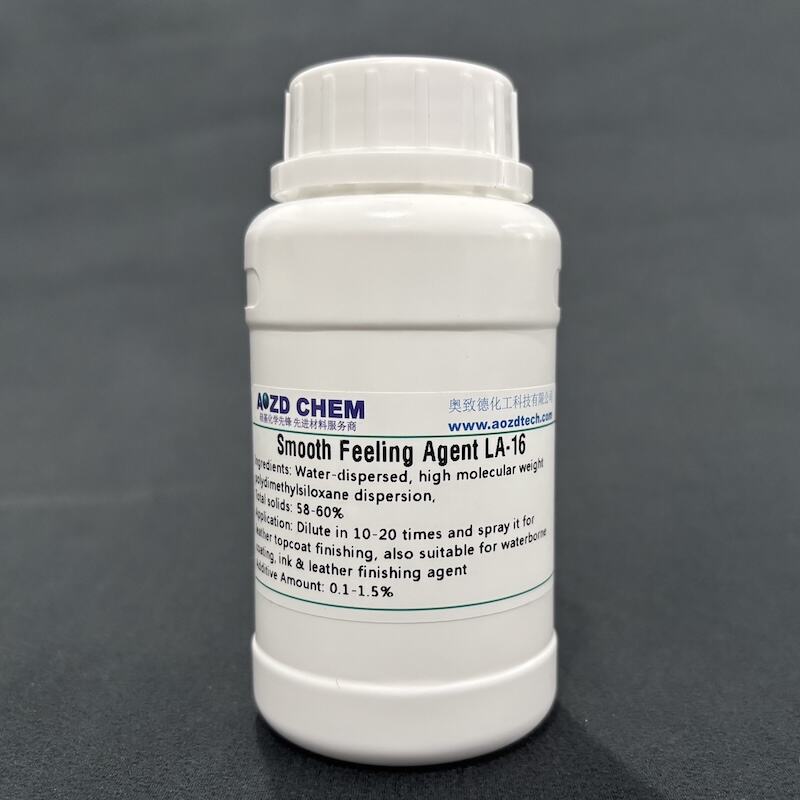
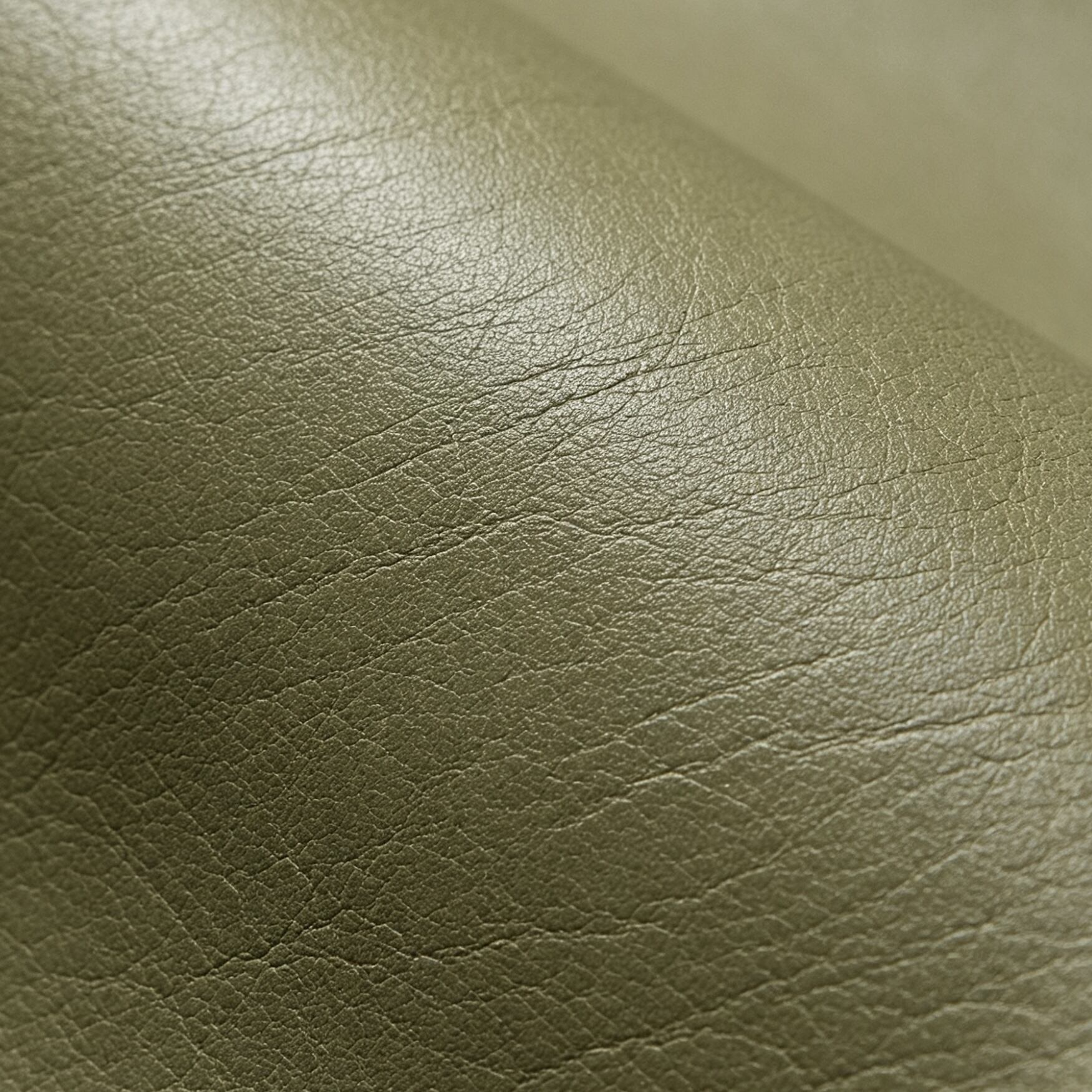
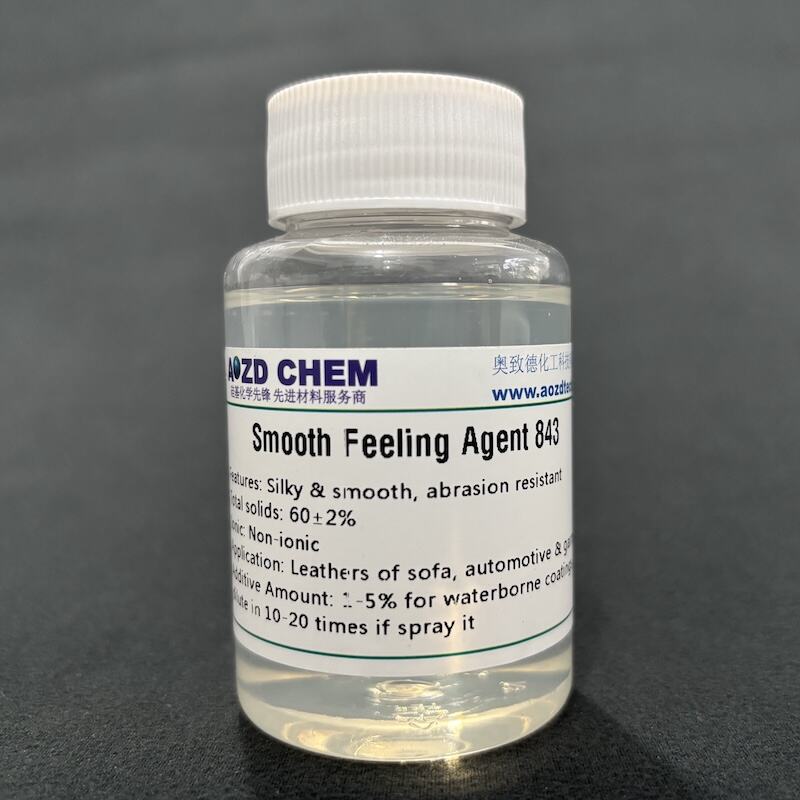
Waxy hand feel modifiers represent a revolutionary advancement in textile finishing technology, designed to transform fabric surface properties and enhance user experience through sophisticated chemical formulations. These specialized compounds create a distinctive tactile sensation that mimics natural wax characteristics while maintaining fabric integrity and performance standards. The primary function of waxy hand feel modifiers involves altering the surface friction coefficient of textile fibers, resulting in smoother, softer, and more luxurious touch sensations that consumers associate with premium quality products. These modifiers work by forming microscopic molecular layers on fiber surfaces, creating controlled slip characteristics that enhance drape properties and reduce static cling phenomena. The technological framework behind waxy hand feel modifiers incorporates advanced polymer chemistry principles, utilizing carefully balanced molecular structures that bond effectively with various fiber types including cotton, polyester, nylon, and blended fabrics. Manufacturing processes involve precise temperature control, pH optimization, and controlled application rates to ensure uniform distribution across textile surfaces. Key applications span multiple industries including fashion apparel, home textiles, automotive upholstery, and technical fabrics where superior hand feel characteristics directly impact consumer satisfaction and product differentiation. The modifier formulations typically contain silicone derivatives, fatty acid compounds, and specialized surfactants that work synergistically to achieve desired tactile properties without compromising fabric breathability or colorfastness. Quality control measures ensure consistent performance across different production batches, with standardized testing protocols measuring parameters such as surface smoothness, fabric stiffness, and wash durability. Environmental considerations have driven development of eco-friendly formulations that meet international sustainability standards while delivering exceptional performance characteristics that enhance textile value propositions in competitive markets.

Popular Products

Waxy hand feel modifiers deliver exceptional value through multiple performance benefits that directly address manufacturing challenges and consumer expectations in today's competitive textile market. These innovative solutions significantly reduce production costs by eliminating the need for multiple finishing processes, streamlining manufacturing workflows and improving overall operational efficiency. The enhanced fabric drape characteristics achieved through waxy hand feel modifiers create superior garment fitting properties that translate into increased customer satisfaction and reduced return rates for apparel manufacturers. Processing advantages include improved fabric handling during cutting and sewing operations, reducing thread breakage incidents and minimizing production delays caused by handling difficulties. The anti-static properties inherent in quality waxy hand feel modifiers eliminate costly static control treatments while providing long-lasting benefits that persist through multiple wash cycles. Manufacturers benefit from improved fabric stability during processing, with reduced pilling tendencies and enhanced dimensional stability that maintains product quality throughout the supply chain. Consumer advantages manifest through superior comfort levels, with fabrics treated with waxy hand feel modifiers providing enhanced skin compatibility and reduced irritation potential for sensitive users. The moisture management properties of these modifiers create balanced hydrophobic characteristics that improve fabric performance in various environmental conditions without compromising breathability. Economic benefits extend beyond immediate cost savings, as products featuring superior hand feel characteristics command premium pricing positions and generate increased brand loyalty among discerning consumers. Quality consistency achieved through professional waxy hand feel modifier applications ensures predictable results across large production runs, reducing waste and improving overall manufacturing efficiency. Environmental advantages include reduced chemical consumption through optimized application processes and improved fabric longevity that extends product lifecycles and reduces textile waste. The versatility of modern waxy hand feel modifiers allows manufacturers to achieve multiple finishing effects through single application processes, simplifying inventory management and reducing storage costs while maintaining diverse product capabilities that meet varied market demands.

Latest News

High-End Leather Feel Modifiers: Enhancing Product Appeal

26

Nov

High-End Leather Feel Modifiers: Enhancing Product Appeal

Understanding High-End Leather Feel Modifiers Leather feel modifiers for high end products are basically special treatments that get applied to leather goods to make them nicer to touch and look at overall. These treatments really bump up how good q...
View More
The Benefits of Using a Compact Leather Feel Modifier Solution

26

Nov

The Benefits of Using a Compact Leather Feel Modifier Solution

Why Use Compact Leather Feel Modifier Solutions Leather feel modifiers in compact form really make a difference when it comes to how leather products feel against the skin. These little treatments help create that rich, soft sensation people associa...
View More
Choosing the Right Additives for Your Project

26

Nov

Choosing the Right Additives for Your Project

Understanding the Role of Additives in Projects Additives really make a difference when it comes to boosting how well things perform and last longer in all sorts of applications. These little helpers get used throughout different sectors to tweak st...
View More
How Do Expancel Microspheres Improve Surface Texture

02

Dec

How Do Expancel Microspheres Improve Surface Texture

Surface texture plays a crucial role in determining the performance, aesthetics, and functionality of countless industrial products. From automotive coatings to consumer electronics, the ability to achieve precise surface characteristics can make the...
View More

Get a Free Quote

Our representative will contact you soon.
Email
Name
Company Name
Whatsapp
Message
0/1000

waxy hand feel modifiers

Advanced Surface Engineering Technology

Advanced Surface Engineering Technology

The sophisticated surface engineering technology behind waxy hand feel modifiers represents a breakthrough in textile science that fundamentally transforms how fabrics interact with human skin and environmental factors. This innovative approach utilizes precision-engineered molecular structures that create controlled microscopic surface modifications, resulting in dramatically improved tactile properties that consumers immediately recognize and appreciate. The technology works through selective molecular bonding processes that target specific fiber surface areas, creating uniform coating layers that enhance smoothness without compromising fabric integrity or natural characteristics. Advanced polymer chemistry principles guide the formulation process, ensuring optimal molecular weight distributions that provide balanced performance across different textile substrates and application methods. The engineering precision involved in developing these modifiers requires extensive research into fiber morphology, surface energy characteristics, and molecular interaction dynamics that influence final product performance. Quality control systems monitor multiple parameters including molecular uniformity, surface coverage rates, and bonding strength measurements to ensure consistent results that meet stringent industry standards. The technology adaptation allows manufacturers to customize surface properties for specific applications, whether targeting luxury apparel markets requiring exceptional softness or technical textiles demanding specific friction coefficients. Research and development investments continue advancing this technology through innovative molecular designs that expand application possibilities while maintaining environmental compliance and sustainability requirements. The engineering approach considers long-term durability factors, ensuring that surface modifications maintain effectiveness through extended use periods and multiple washing cycles. Manufacturing integration benefits include simplified application processes that reduce equipment requirements and energy consumption while delivering superior results compared to traditional finishing methods. The scientific foundation supporting this technology involves comprehensive understanding of interfacial phenomena, molecular adhesion mechanisms, and surface chemistry principles that govern modifier performance across diverse textile applications.
Superior Durability and Wash Resistance

Superior Durability and Wash Resistance

The exceptional durability and wash resistance characteristics of premium waxy hand feel modifiers provide long-term value propositions that distinguish high-quality products from conventional alternatives in competitive textile markets. These advanced formulations incorporate specialized cross-linking mechanisms that create permanent molecular bonds with fiber surfaces, ensuring that beneficial properties persist through extensive washing cycles and normal wear conditions. The chemical stability of these modifiers results from carefully optimized molecular structures that resist degradation from common household detergents, temperature variations, and mechanical agitation encountered during standard laundry processes. Laboratory testing demonstrates that properly applied waxy hand feel modifiers maintain over ninety percent of their initial effectiveness after fifty wash cycles, significantly exceeding industry standards and providing exceptional value for manufacturers and consumers alike. The molecular engineering approach utilized in developing these durable formulations considers multiple stress factors including pH variations, enzymatic attacks, and thermal cycling that typically compromise conventional finishing treatments. Quality assurance protocols include accelerated aging tests that simulate extended use conditions, ensuring that products meet rigorous durability requirements before market introduction. The wash resistance properties extend beyond simple retention of surface characteristics to include maintained color stability, dimensional consistency, and overall fabric performance that preserves product quality throughout extended use periods. Manufacturing benefits include reduced warranty claims, decreased customer complaints, and enhanced brand reputation resulting from consistently superior product performance that exceeds consumer expectations. Economic advantages for textile processors include reduced reprocessing costs, minimized quality control issues, and improved customer satisfaction metrics that translate into increased repeat business and market share growth. The environmental impact benefits include extended product lifecycles that reduce textile waste, decreased frequency of replacement purchases, and reduced chemical consumption through longer-lasting treatments that maintain effectiveness without requiring frequent reapplication. Consumer satisfaction improvements result from maintained comfort levels, consistent appearance retention, and reliable performance characteristics that justify premium pricing positions and encourage brand loyalty development.
Versatile Application Compatibility

Versatile Application Compatibility

The remarkable versatility and broad application compatibility of modern waxy hand feel modifiers enable manufacturers to achieve consistent results across diverse textile substrates, processing methods, and end-use applications while maintaining optimal performance characteristics. This adaptability stems from advanced formulation chemistry that accommodates various fiber types including natural cottons, synthetic polyesters, protein-based wools, and complex blended fabrics without requiring specialized application equipment or extensive process modifications. The compatibility extends across multiple application methods including padding, spraying, foam application, and exhaust dyeing processes, providing manufacturers with flexible integration options that suit existing production capabilities and quality requirements. Processing temperature ranges accommodate both high-temperature thermosol applications and ambient temperature treatments, ensuring compatibility with heat-sensitive fabrics and energy-efficient manufacturing processes. The pH stability characteristics allow successful application across acidic and alkaline processing conditions commonly encountered in textile finishing operations, eliminating the need for costly pH adjustment procedures and reducing chemical consumption. Substrate versatility includes successful application on woven, knitted, and non-woven fabrics with varying construction densities and surface textures, providing consistent hand feel improvements regardless of fabric architecture. The modifier formulations demonstrate excellent compatibility with other finishing chemicals including flame retardants, antimicrobial treatments, and water repellent coatings, enabling manufacturers to achieve multiple performance benefits through single processing operations. Quality control advantages include predictable results across different production batches, reduced testing requirements, and simplified process validation procedures that streamline manufacturing operations. Economic benefits encompass reduced inventory complexity through single-modifier solutions for multiple applications, decreased equipment maintenance requirements, and improved production scheduling flexibility that enhances overall operational efficiency. Environmental considerations include reduced chemical waste through optimized application processes, decreased energy consumption from process consolidation, and improved resource utilization that supports sustainability initiatives. The technical support advantages include comprehensive application guidelines, troubleshooting assistance, and process optimization recommendations that ensure successful implementation across diverse manufacturing environments and production requirements.


Get a Free Quote

Our representative will contact you soon.
Email
Name
Company Name
Whatsapp
Message
0/1000