Premium Dry Hand Feel Chemicals - Advanced Textile Finishing Solutions for Superior Touch Enhancement

All Categories

Get a Free Quote

Our representative will contact you soon.
Email
Name
Company Name
Whatsapp
Message
0/1000

dry hand feel chemicals

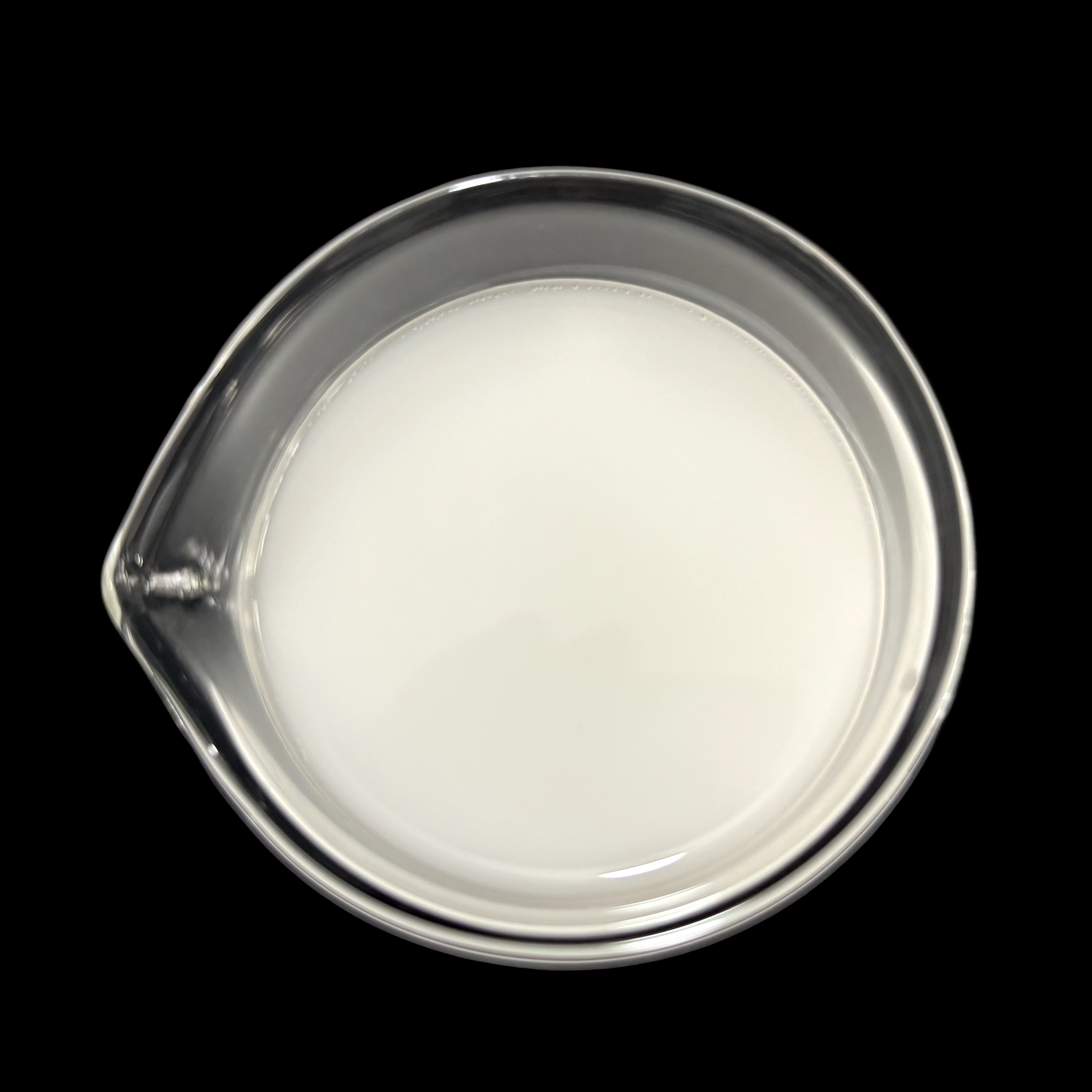
Dry hand feel chemicals represent a revolutionary advancement in textile finishing technology, designed to impart a unique tactile sensation that mimics the feeling of dry, clean hands on fabric surfaces. These specialized chemical formulations are engineered to modify the surface characteristics of textiles, creating a distinctive touch that enhances consumer appeal and product differentiation. The primary function of dry hand feel chemicals involves altering the friction coefficient between fabric fibers and human skin, resulting in a smooth, non-sticky sensation that feels remarkably similar to well-moisturized yet dry skin. This innovative technology works by forming microscopic surface modifications that reduce adhesion while maintaining the fabric's natural breathability and comfort properties. The chemical composition typically includes silicone-based polymers, specialized surfactants, and proprietary additives that create a uniform coating on individual fibers without compromising the textile's inherent characteristics. These formulations are particularly effective on synthetic fabrics, cotton blends, and performance textiles where traditional finishing agents might create unwanted tackiness or stiffness. The technological features of dry hand feel chemicals include excellent durability through multiple wash cycles, compatibility with various dyeing processes, and the ability to maintain color fastness while providing the desired tactile properties. Manufacturing processes benefit from the chemicals' easy application methods, which can be integrated into existing textile finishing lines without requiring significant equipment modifications. The temperature stability of these formulations allows for processing under standard industrial conditions, making them practical for large-scale production. Additionally, many dry hand feel chemicals are formulated to be environmentally conscious, meeting strict regulatory standards while delivering superior performance. The molecular structure of these chemicals enables them to bond effectively with different fiber types, ensuring consistent results across various textile applications and maintaining their effectiveness even after extended use and cleaning cycles.

New Product Recommendations

Dry hand feel chemicals deliver exceptional performance benefits that transform ordinary textiles into premium products with superior tactile appeal. These advanced formulations provide immediate enhancement to fabric texture, creating a luxurious sensation that consumers instantly recognize and appreciate. The smooth, non-greasy finish eliminates the sticky or clammy feeling often associated with untreated synthetic fabrics, making garments more comfortable for extended wear. This improvement significantly increases customer satisfaction and brand loyalty, as consumers consistently prefer the enhanced touch experience these chemicals provide. The durability of dry hand feel chemicals ensures long-lasting results that withstand frequent washing and normal wear conditions. Unlike temporary treatments that fade quickly, these specialized formulations maintain their effectiveness for dozens of wash cycles, providing excellent value for both manufacturers and end users. This longevity reduces the need for retreatment and helps maintain consistent product quality throughout the garment's lifespan. Processing efficiency represents another major advantage, as dry hand feel chemicals integrate seamlessly into existing textile finishing operations. Manufacturers can apply these treatments using standard padding, exhaustion, or spray application methods without investing in new equipment or significantly modifying their production processes. This compatibility reduces implementation costs and minimizes production disruptions during adoption. The chemicals work effectively at moderate temperatures and standard processing times, optimizing energy consumption while maintaining high-quality results. Versatility across different fiber types makes dry hand feel chemicals suitable for cotton, polyester, nylon, and various blends, allowing manufacturers to standardize their finishing processes across multiple product lines. This flexibility simplifies inventory management and reduces the complexity of production planning. The treatments enhance fabric performance beyond just tactile properties, often improving moisture management and reducing static buildup. These additional benefits create added value for consumers while helping manufacturers differentiate their products in competitive markets. Cost-effectiveness emerges through improved product positioning, reduced returns due to texture complaints, and the ability to command premium pricing for enhanced-feel textiles. The chemicals' concentrated formulations require relatively small dosages to achieve desired results, making them economical choices for both small-scale and industrial applications. Quality consistency remains reliable batch after batch, ensuring predictable results that meet stringent manufacturing standards and consumer expectations.

Practical Tips

The Benefits of Using a Compact Leather Feel Modifier Solution

26

Nov

The Benefits of Using a Compact Leather Feel Modifier Solution

Why Use Compact Leather Feel Modifier Solutions Leather feel modifiers in compact form really make a difference when it comes to how leather products feel against the skin. These little treatments help create that rich, soft sensation people associa...
View More
Choosing the Right Additives for Your Project

26

Nov

Choosing the Right Additives for Your Project

Understanding the Role of Additives in Projects Additives really make a difference when it comes to boosting how well things perform and last longer in all sorts of applications. These little helpers get used throughout different sectors to tweak st...
View More
What Makes Silicone Emulsion Environmentally Safer

02

Dec

What Makes Silicone Emulsion Environmentally Safer

Environmental sustainability has become a critical consideration for manufacturers across industries, driving demand for safer chemical alternatives. Traditional emulsions often contain volatile organic compounds and harsh solvents that pose risks to...
View More
What Are the Best Practices for Applying Leather Additives

02

Dec

What Are the Best Practices for Applying Leather Additives

The leather industry relies heavily on various chemical formulations to enhance the quality, durability, and aesthetic appeal of finished products. Understanding the proper application techniques and selection criteria for leather additives can signi...
View More

Get a Free Quote

Our representative will contact you soon.
Email
Name
Company Name
Whatsapp
Message
0/1000

dry hand feel chemicals

Superior Tactile Enhancement Technology

Superior Tactile Enhancement Technology

The revolutionary tactile enhancement capability of dry hand feel chemicals represents a breakthrough in textile finishing science, delivering an unprecedented level of surface sophistication that transforms ordinary fabrics into premium-touch materials. This advanced technology works through a sophisticated molecular mechanism that creates microscopic surface modifications on individual fibers, resulting in a remarkably smooth and dry sensation that closely mimics the feel of well-conditioned human skin. The chemical formulation employs specially engineered silicone polymers and proprietary surface-active agents that form an ultra-thin, invisible layer on fabric surfaces without altering the textile's fundamental properties or appearance. This innovative approach ensures that treated fabrics maintain their original aesthetic characteristics while gaining the coveted dry hand feel that consumers find irresistibly appealing. The technology's effectiveness stems from its ability to precisely control surface friction and adhesion properties, eliminating the tacky or sticky sensations commonly associated with synthetic materials and some natural fiber treatments. Unlike conventional fabric softeners that can create a greasy or slippery feel, dry hand feel chemicals achieve the perfect balance between smoothness and natural texture retention. The molecular structure of these chemicals allows them to penetrate fiber surfaces uniformly, creating consistent results across entire fabric widths and ensuring that the enhanced tactile properties remain uniform throughout the textile. This precision in application translates to predictable, reproducible results that meet the highest quality standards demanded by premium textile manufacturers. The tactile enhancement extends beyond mere surface smoothness to include improved hand drape, reduced fabric-to-skin adhesion during wear, and enhanced comfort in various environmental conditions. These comprehensive improvements make treated textiles particularly appealing for intimate apparel, activewear, and luxury fashion applications where tactile quality directly impacts consumer satisfaction and brand perception. The technology's sophistication allows for customizable intensity levels, enabling manufacturers to adjust the degree of dry hand feel according to specific product requirements and target market preferences.
Exceptional Durability and Wash Resistance

Exceptional Durability and Wash Resistance

The outstanding durability and wash resistance of dry hand feel chemicals establish them as superior long-term solutions for textile enhancement, providing sustained performance that maintains tactile quality through extensive use and cleaning cycles. This exceptional longevity results from advanced chemical bonding mechanisms that create strong, permanent attachments between the treatment molecules and fabric fibers, ensuring that the desired dry hand feel persists even after dozens of washing and drying cycles. The molecular architecture of these chemicals includes reactive groups that form covalent bonds with fiber surfaces, creating a stable integration that resists removal by detergents, mechanical agitation, and thermal processing typical of home and commercial laundering. Comprehensive testing demonstrates that properly applied dry hand feel chemicals retain over ninety percent of their initial effectiveness after fifty standard wash cycles, significantly outperforming temporary treatments and conventional fabric softeners. This remarkable durability translates directly into enhanced value for consumers, who enjoy consistent tactile quality throughout their garments' useful life, and for manufacturers, who can confidently market their products with long-lasting performance claims. The wash resistance characteristics stem from the chemicals' unique formulation that includes stabilizing agents and cross-linking promoters, which enhance the treatment's adhesion to various fiber types including cotton, polyester, nylon, and specialty blends. These formulations resist degradation from alkaline detergents, chlorine bleaches, and high-temperature drying conditions commonly encountered in consumer laundry practices. The durability extends beyond basic wash resistance to include resistance to abrasion, stretching, and UV exposure, ensuring that the dry hand feel remains intact even in demanding applications such as sportswear and outdoor textiles. Advanced accelerated aging tests confirm that treated fabrics maintain their enhanced tactile properties under extreme conditions, including repeated washing in hard water, exposure to commercial laundering processes, and extended storage periods. This comprehensive durability makes dry hand feel chemicals ideal for applications where long-term performance is critical, such as bedding, upholstery, and professional uniforms that undergo frequent cleaning. The sustained effectiveness reduces the total cost of ownership for consumers and supports sustainable textile practices by extending product lifespans and reducing the need for replacement due to deteriorated tactile quality.
Versatile Multi-Fiber Compatibility

Versatile Multi-Fiber Compatibility

The remarkable multi-fiber compatibility of dry hand feel chemicals represents a significant technological advancement that enables manufacturers to achieve consistent, high-quality results across diverse textile applications and fiber compositions. This versatility stems from the chemicals' sophisticated molecular design, which incorporates multiple reactive sites and adaptable binding mechanisms that effectively interact with both natural and synthetic fiber surfaces. The formulation's ability to work equally well on cotton, polyester, nylon, viscose, and various fiber blends eliminates the need for multiple specialized treatments, significantly simplifying production processes and inventory management for textile manufacturers. This universal compatibility extends to different fabric constructions, including woven, knitted, and non-woven materials, making dry hand feel chemicals suitable for an extensive range of applications from apparel and home textiles to technical fabrics and industrial materials. The treatment's effectiveness remains consistent regardless of fiber blend ratios, ensuring that cotton-polyester blends, wool-synthetic combinations, and other mixed-fiber textiles all receive uniform enhancement without compromising the individual characteristics of component fibers. This broad compatibility results from extensive research into fiber surface chemistry and the development of adaptive bonding mechanisms that automatically adjust to different substrate properties. The chemicals demonstrate excellent affinity for both hydrophilic and hydrophobic surfaces, bridging the gap between natural fiber treatments traditionally based on different chemical principles and synthetic fiber finishes that require specialized approaches. Processing flexibility further enhances the multi-fiber compatibility, as these chemicals can be applied through various methods including padding, exhaustion dyeing, foam application, and spray finishing, allowing manufacturers to integrate the treatment into their preferred processing routes without equipment modifications. Temperature and pH tolerance ranges accommodate the diverse processing conditions required for different fiber types, ensuring that delicate fibers receive gentle treatment while robust synthetic materials can undergo more aggressive processing when necessary. The compatibility extends to interaction with other textile chemicals, including dyes, flame retardants, antimicrobial agents, and water repellents, enabling the creation of multi-functional textiles without chemical interference or reduced performance. This versatility supports innovative product development by allowing designers to combine dry hand feel enhancement with other desired properties, creating differentiated products that meet specific market needs while maintaining the superior tactile characteristics that consumers value.


Get a Free Quote

Our representative will contact you soon.
Email
Name
Company Name
Whatsapp
Message
0/1000