hand feel chemicals
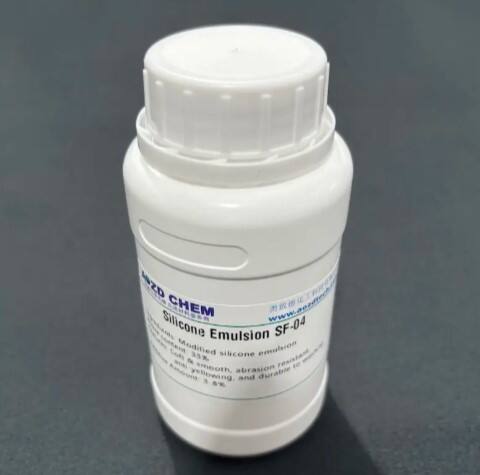
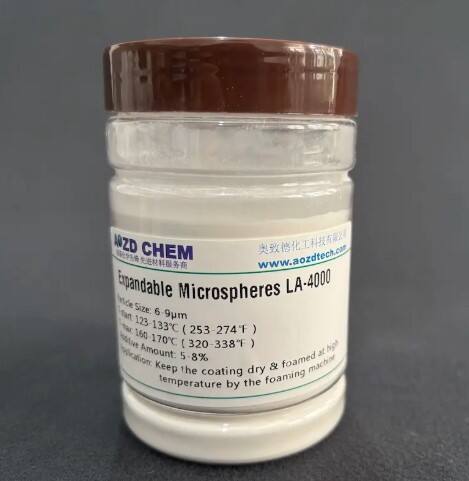
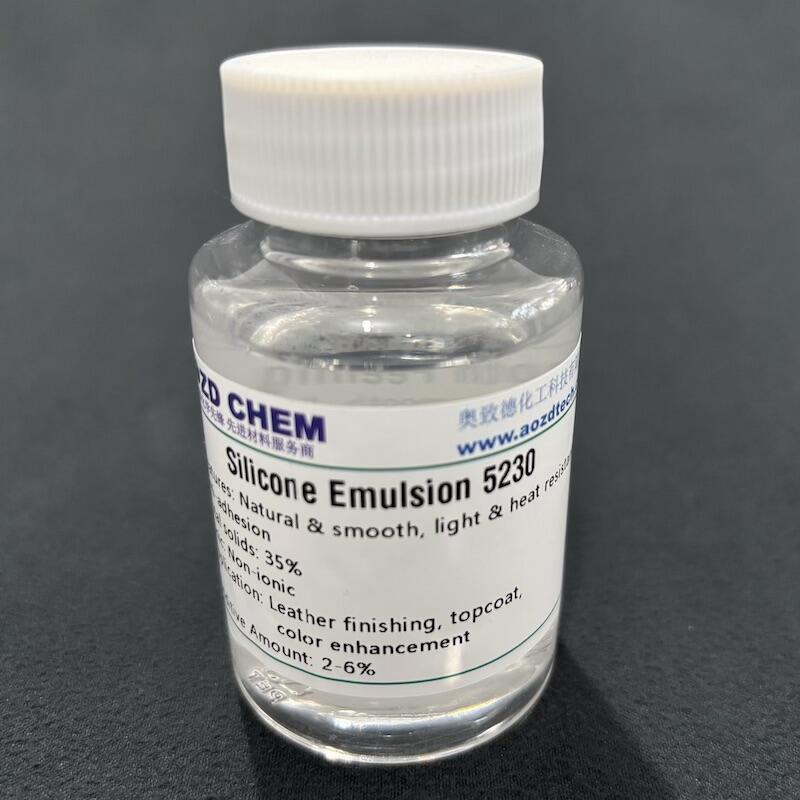
Hand feel chemicals represent a specialized category of chemical additives designed to enhance the tactile properties of various materials, particularly textiles, leather, and synthetic fabrics. These innovative chemical formulations work by modifying the surface characteristics of materials to create desired sensory experiences when touched. The primary function of hand feel chemicals involves altering the molecular structure of fiber surfaces to achieve specific texture profiles, ranging from silky smoothness to enhanced grip or luxurious softness. Modern hand feel chemicals utilize advanced polymer science and nanotechnology to create microscopic coatings that transform material properties without compromising structural integrity. The technological features of these chemicals include excellent penetration capabilities, ensuring uniform distribution throughout the material matrix. They demonstrate remarkable compatibility with various substrate materials, including natural fibers like cotton and wool, as well as synthetic materials such as polyester and nylon. Hand feel chemicals maintain their effectiveness through multiple wash cycles, providing long-lasting performance that meets consumer expectations. Applications span across numerous industries, including fashion and apparel, automotive interiors, home textiles, medical textiles, and technical fabrics. In the fashion industry, these chemicals enable manufacturers to create garments with premium touch sensations that enhance consumer appeal and brand differentiation. The automotive sector utilizes hand feel chemicals to improve interior comfort and perceived quality of seat covers, dashboard materials, and trim components. Home textile applications include bedding, upholstery, and curtains where comfort and tactile pleasure are essential selling points. Technical textile applications involve protective clothing, sportswear, and industrial fabrics where specific hand feel properties contribute to functionality and user experience. The chemical composition typically includes silicone-based compounds, fatty acid derivatives, and specialized polymers that interact with fiber surfaces to create desired tactile effects.

 EN
EN