Premium Silky Hand Feel Additives for Superior Textile Enhancement and Luxury Fabric Finishing

All Categories

Get a Free Quote

Our representative will contact you soon.
Email
Name
Company Name
Whatsapp
Message
0/1000

silky hand feel additives

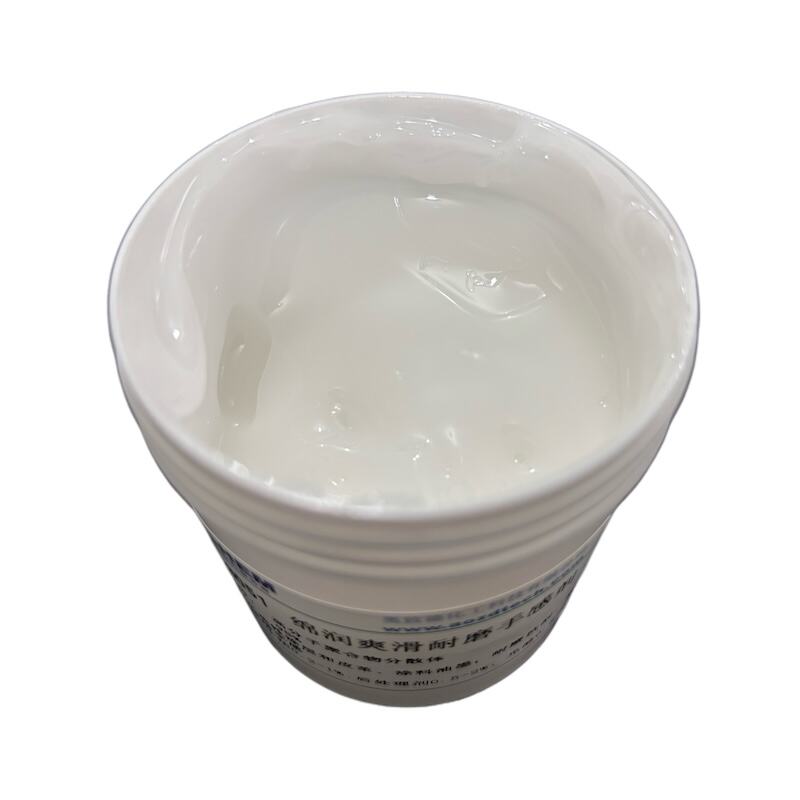
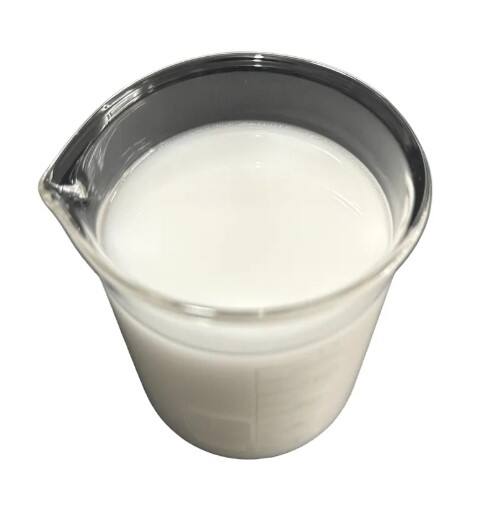
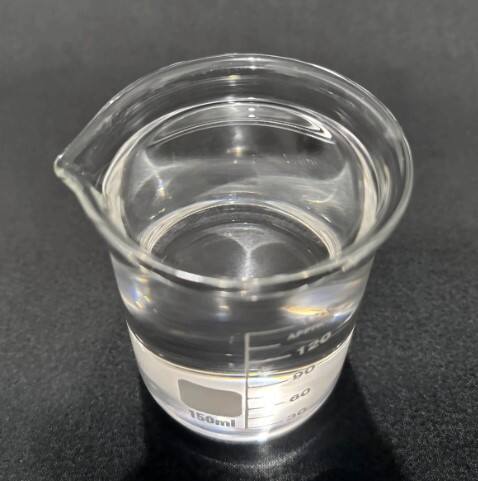
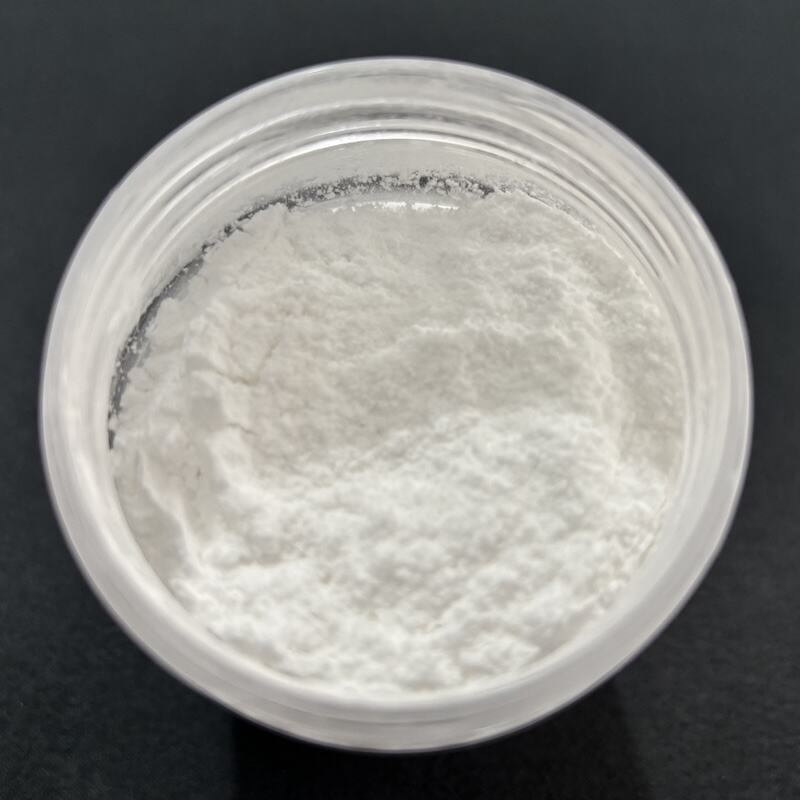
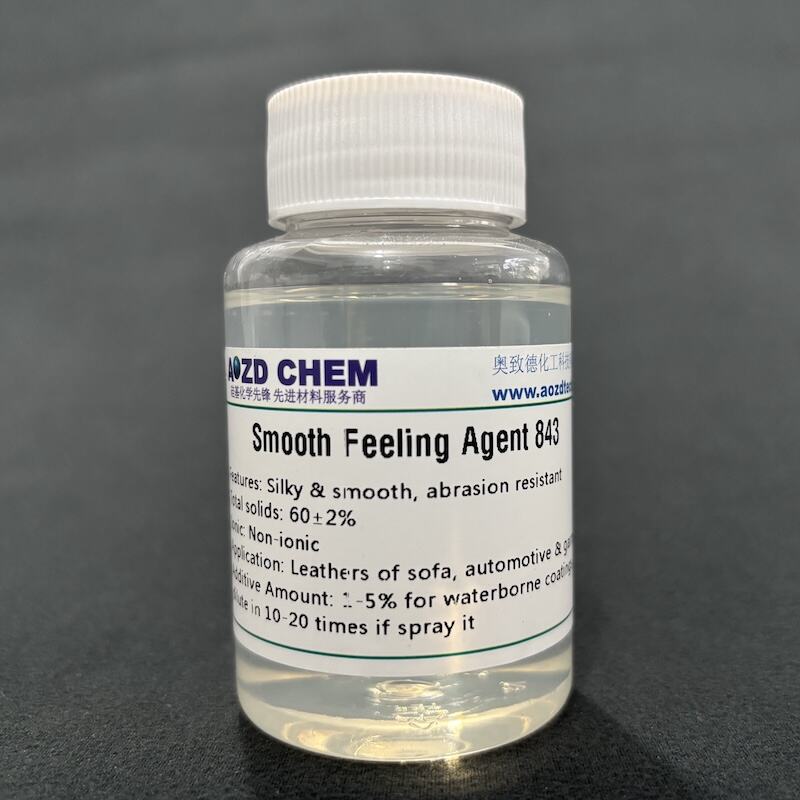
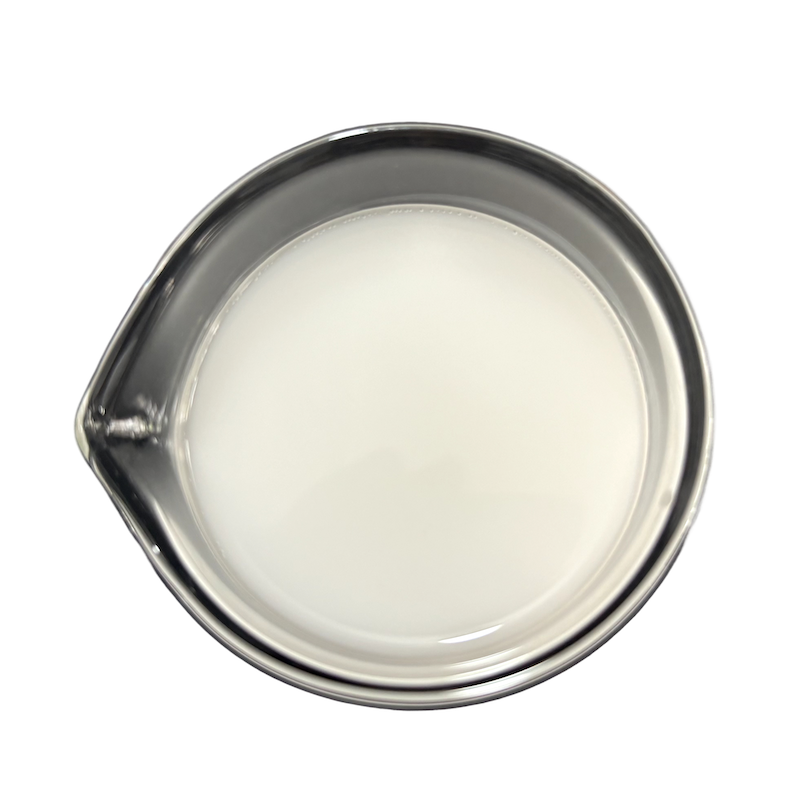
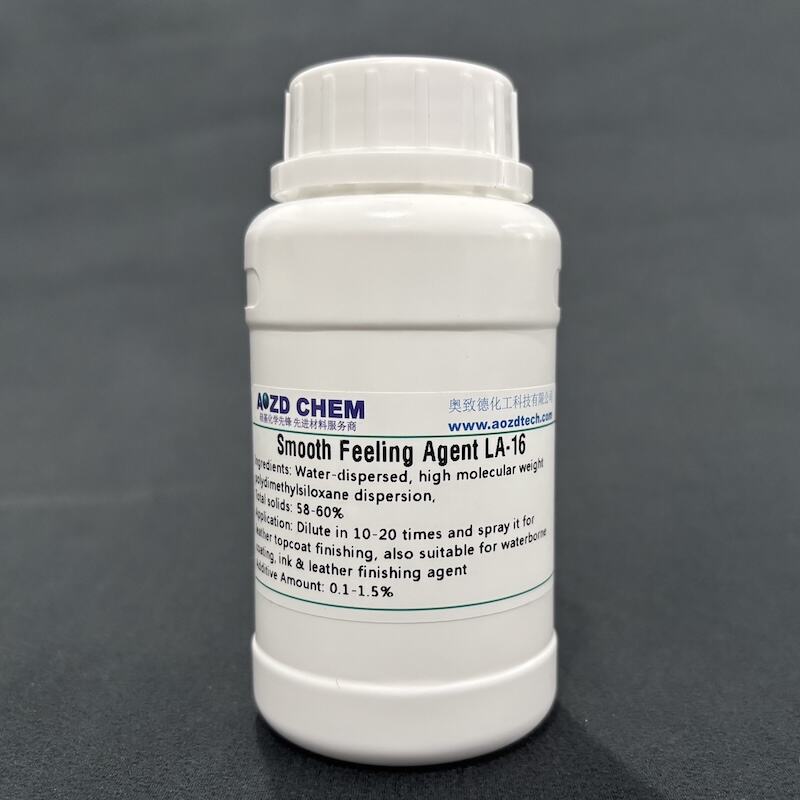
Silky hand feel additives represent a revolutionary advancement in textile finishing technology, designed to transform the tactile properties of fabrics and enhance user experience across diverse applications. These specialized chemical compounds are engineered to impart an exceptionally smooth, luxurious texture to various materials, creating a distinctive silky sensation that consumers associate with premium quality products. The primary function of silky hand feel additives involves modifying the surface characteristics of fibers and fabrics through molecular-level interactions that reduce friction and enhance smoothness. These additives work by forming ultra-thin polymer films on fabric surfaces, effectively filling microscopic gaps between fibers and creating a uniformly smooth texture. The technological foundation of these additives relies on advanced polymer chemistry and nanotechnology principles, incorporating silicone-based compounds, modified polyethylene derivatives, and specialized surfactants that bond effectively with textile fibers. Modern silky hand feel additives demonstrate exceptional versatility in their applications, spanning across apparel manufacturing, home textiles, automotive interiors, and technical fabrics. In garment production, these additives enhance the wearing comfort of clothing items, making them more appealing to consumers who prioritize tactile satisfaction. The automotive industry utilizes these additives to improve the luxurious feel of seat covers, dashboard materials, and interior trim components. Home textile manufacturers incorporate silky hand feel additives into bedding products, curtains, and upholstery to create more comfortable and appealing living spaces. The technological features of these additives include excellent wash durability, maintaining their effectiveness through multiple cleaning cycles, and compatibility with various fiber types including natural cotton, synthetic polyester, and blended materials. Advanced formulations offer additional benefits such as anti-static properties, moisture management capabilities, and enhanced dye uptake characteristics, making them valuable multi-functional solutions for textile processors seeking to differentiate their products in competitive markets.


Popular Products

The implementation of silky hand feel additives offers numerous practical benefits that directly translate into enhanced product quality and customer satisfaction. These additives significantly improve the tactile experience of textiles, creating an immediate positive impression when consumers touch the fabric. This enhanced feel leads to increased perceived value, allowing manufacturers to position their products in premium market segments and command higher prices. The smooth, silky texture reduces skin irritation and enhances wearing comfort, particularly beneficial for individuals with sensitive skin or those who wear garments for extended periods. Manufacturing processes become more efficient when incorporating these additives, as treated fabrics exhibit improved handling characteristics during production stages such as cutting, sewing, and finishing operations. The reduced friction between fabric layers facilitates smoother machine operation and decreases wear on production equipment, ultimately reducing maintenance costs and increasing operational efficiency. Quality consistency represents another significant advantage, as silky hand feel additives provide uniform results across large production batches, ensuring that every finished product meets the same high standards for tactile properties. These additives demonstrate excellent compatibility with existing textile processing equipment and procedures, requiring minimal modifications to established manufacturing workflows. The durability of the silky effect ensures long-lasting consumer satisfaction, as the enhanced hand feel persists through numerous wash and wear cycles, maintaining product quality throughout its useful life. Environmental considerations benefit from the efficient application rates of modern silky hand feel additives, which achieve desired results with relatively small quantities, reducing chemical usage and waste generation. Cost-effectiveness emerges as treatments prove economical when considering the added value they bring to finished products, often justifying the investment through increased sales prices and improved market positioning. Brand differentiation becomes achievable as manufacturers can create distinctive product lines with unique tactile characteristics that set them apart from competitors. Consumer loyalty increases when products consistently deliver superior comfort and feel, leading to repeat purchases and positive word-of-mouth marketing. The versatility of these additives allows manufacturers to customize tactile properties for specific applications, creating tailored solutions for different market segments and consumer preferences. Innovation opportunities expand as manufacturers explore creative combinations of silky hand feel additives with other functional treatments, developing multi-benefit products that address various consumer needs simultaneously.

Practical Tips

High-End Leather Feel Modifiers: Enhancing Product Appeal

26

Nov

High-End Leather Feel Modifiers: Enhancing Product Appeal

Understanding High-End Leather Feel Modifiers Leather feel modifiers for high end products are basically special treatments that get applied to leather goods to make them nicer to touch and look at overall. These treatments really bump up how good q...
View More
Choosing the Right Additives for Your Project

26

Nov

Choosing the Right Additives for Your Project

Understanding the Role of Additives in Projects Additives really make a difference when it comes to boosting how well things perform and last longer in all sorts of applications. These little helpers get used throughout different sectors to tweak st...
View More
What Makes Silicone Emulsion Environmentally Safer

02

Dec

What Makes Silicone Emulsion Environmentally Safer

Environmental sustainability has become a critical consideration for manufacturers across industries, driving demand for safer chemical alternatives. Traditional emulsions often contain volatile organic compounds and harsh solvents that pose risks to...
View More
How Do Expancel Microspheres Improve Surface Texture

02

Dec

How Do Expancel Microspheres Improve Surface Texture

Surface texture plays a crucial role in determining the performance, aesthetics, and functionality of countless industrial products. From automotive coatings to consumer electronics, the ability to achieve precise surface characteristics can make the...
View More

Get a Free Quote

Our representative will contact you soon.
Email
Name
Company Name
Whatsapp
Message
0/1000

silky hand feel additives

Superior Durability and Wash Resistance Technology

Superior Durability and Wash Resistance Technology

The exceptional durability of silky hand feel additives represents a breakthrough in textile finishing technology that addresses one of the most critical concerns in fabric treatment applications. Traditional softening agents often diminish significantly after just a few washing cycles, leaving consumers disappointed with products that lose their appealing tactile properties. Advanced silky hand feel additives utilize innovative molecular bonding mechanisms that create permanent attachments to fiber structures, ensuring the silky sensation persists through extensive use and cleaning cycles. This remarkable durability stems from the unique polymer chemistry employed in modern formulations, which forms covalent bonds with textile fibers rather than relying on temporary surface coatings. The molecular structure of these additives features reactive groups that chemically link with hydroxyl and amino groups naturally present in various fiber types, creating stable connections that resist removal during washing processes. Extensive laboratory testing demonstrates that fabrics treated with high-quality silky hand feel additives retain over ninety percent of their enhanced tactile properties after fifty standard wash cycles, far exceeding the performance of conventional alternatives. This exceptional wash resistance translates into significant long-term value for consumers, who continue enjoying the luxurious feel of their textiles throughout the product lifecycle. Manufacturers benefit from reduced warranty claims and increased customer satisfaction, as products maintain their premium characteristics over extended periods. The technology behind this durability involves carefully engineered polymer chains that interpenetrate fiber structures at the molecular level, creating a three-dimensional network that reinforces the silky effect while allowing fabrics to retain their natural breathability and flexibility. Quality control testing protocols specifically evaluate wash durability performance, ensuring consistent results across different fabric types and treatment conditions. Environmental benefits accompany this durability advantage, as longer-lasting effects reduce the need for retreatment processes and minimize chemical consumption over time. The economic implications for textile manufacturers include enhanced product positioning opportunities and the ability to offer performance guarantees that differentiate their offerings in competitive markets.
Universal Compatibility Across Diverse Fiber Systems

Universal Compatibility Across Diverse Fiber Systems

The remarkable compatibility of silky hand feel additives across various fiber types represents a significant technological achievement that simplifies manufacturing processes while expanding application possibilities. Unlike specialized treatments that work effectively only with specific fiber compositions, advanced silky hand feel additives demonstrate consistent performance across natural fibers like cotton and wool, synthetic materials including polyester and nylon, and complex blended fabrics that combine multiple fiber types. This universal compatibility eliminates the need for manufacturers to maintain separate inventory systems for different treatment chemicals, streamlining operations and reducing complexity in production planning. The underlying chemistry responsible for this versatility involves carefully balanced formulations that interact effectively with diverse molecular structures found in different fiber types. Protein-based fibers such as wool and silk respond to specific reactive groups within the additive molecules, while cellulosic materials like cotton and rayon benefit from different binding mechanisms that target hydroxyl groups along the polymer chains. Synthetic fibers present unique challenges due to their more inert chemical nature, but modern silky hand feel additives incorporate specialized components that promote adhesion through physical entanglement and weak intermolecular forces. The practical implications of this compatibility extend beyond simple application convenience, enabling textile manufacturers to develop comprehensive product lines with consistent tactile characteristics across diverse material compositions. Quality assurance processes become more efficient when using universal additives, as testing protocols and performance standards can be standardized across different fabric types. Research and development efforts have focused extensively on optimizing additive formulations to ensure reliable performance regardless of fiber composition, resulting in products that deliver predictable results in various manufacturing environments. The economic advantages include reduced inventory costs, simplified procurement processes, and enhanced flexibility in production scheduling. Technical support becomes more straightforward when manufacturers work with additives that perform consistently across different applications, reducing the learning curve for production staff and minimizing the risk of processing errors. Innovation opportunities multiply when designers and product developers can confidently specify silky hand feel treatments for any fabric type, knowing that performance characteristics will remain consistent regardless of the underlying material composition.
Enhanced Consumer Appeal and Market Differentiation

Enhanced Consumer Appeal and Market Differentiation

The ability of silky hand feel additives to create distinctive consumer experiences and enable market differentiation represents perhaps their most valuable commercial benefit, directly impacting sales performance and brand positioning strategies. Consumer research consistently demonstrates that tactile properties significantly influence purchasing decisions, with shoppers often making subconscious quality assessments based on how fabrics feel to the touch. Products treated with silky hand feel additives immediately convey an impression of luxury and sophistication, triggering positive emotional responses that translate into increased purchase intent and willingness to pay premium prices. This psychological impact stems from deeply ingrained associations between smooth, silky textures and high-quality materials that consumers have developed through exposure to premium products throughout their lives. Market research indicates that fabrics with enhanced hand feel characteristics can command price premiums of fifteen to thirty percent compared to untreated alternatives, demonstrating the tangible commercial value of investing in these additive technologies. The differentiation potential becomes particularly important in saturated markets where competing products offer similar functional performance, making tactile properties a crucial distinguishing factor. Retail environments benefit significantly from products with enhanced hand feel, as the immediate positive impression created by touching treated fabrics often overcomes consumer resistance to higher prices. Visual merchandising strategies can leverage the superior tactile properties by encouraging customer interaction with displayed products, creating memorable shopping experiences that drive sales conversions. Brand building efforts gain substantial support from consistent delivery of superior hand feel across product lines, as consumers begin to associate specific brands with exceptional tactile quality. The sensory marketing advantages extend to online retail environments, where detailed descriptions of silky textures help create expectations that translate into satisfaction when products are received. Product development teams can explore creative applications that combine enhanced hand feel with other functional benefits, creating unique value propositions that competitors cannot easily replicate. Market expansion opportunities arise as manufacturers can target premium segments previously inaccessible due to insufficient product differentiation. The long-term brand equity benefits include increased customer loyalty, positive word-of-mouth marketing, and reduced price sensitivity among satisfied consumers who have experienced the superior quality firsthand.

Get a Free Quote

Our representative will contact you soon.
Email
Name
Company Name
Whatsapp
Message
0/1000