hand feel for leather
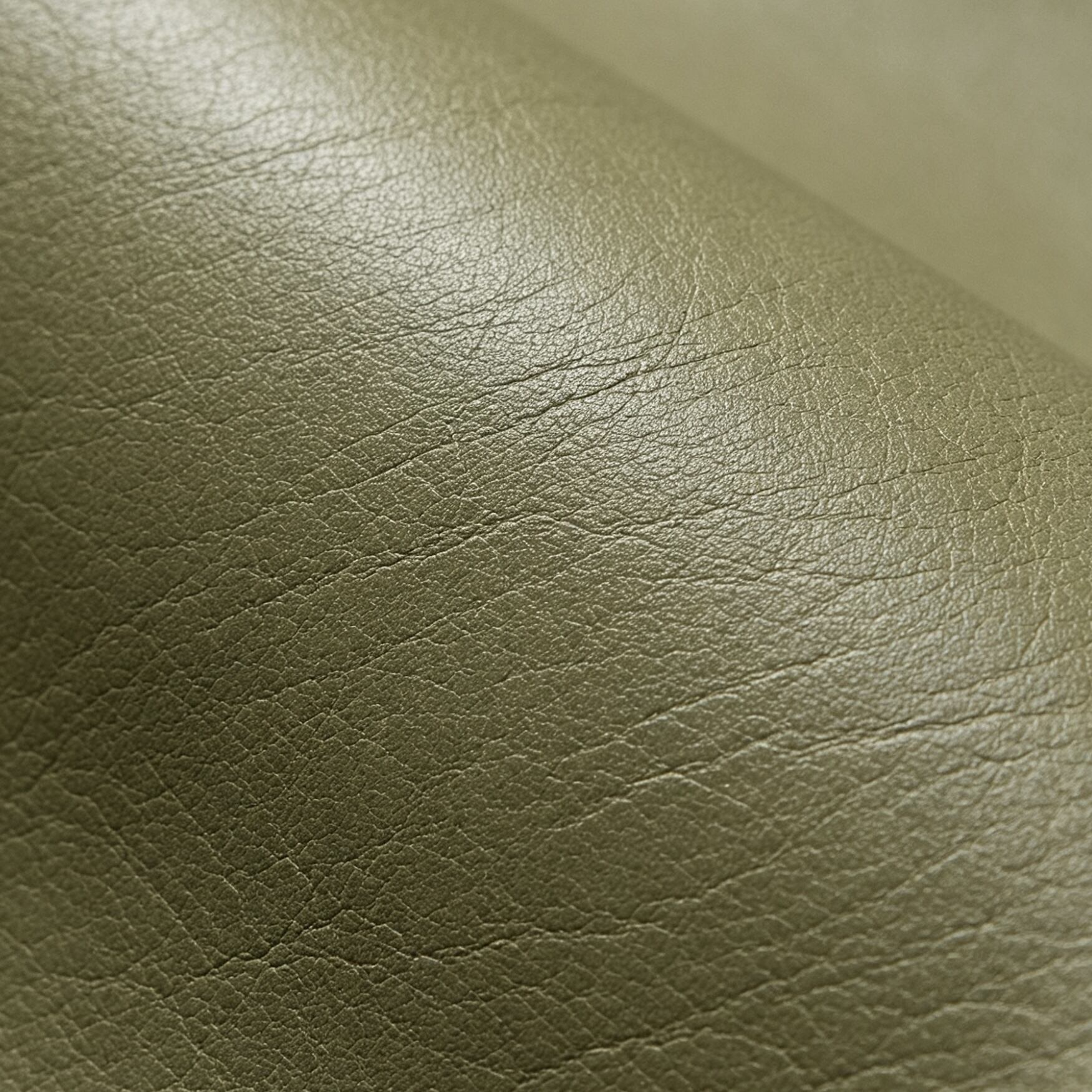
The hand feel for leather represents a fundamental quality indicator that encompasses the tactile sensations experienced when touching and manipulating leather materials. This sensory evaluation involves multiple physical characteristics including texture, suppleness, thickness, temperature response, and surface smoothness. The hand feel for leather serves as a primary assessment tool for manufacturers, designers, and consumers to determine leather quality and suitability for specific applications. Modern leather production employs sophisticated tanning processes, chemical treatments, and finishing techniques to achieve desired hand feel properties. These technological approaches include chrome tanning for softness, vegetable tanning for firmness, and specialized conditioning agents that enhance flexibility. The hand feel for leather varies significantly across different leather types, from buttery-soft nappa leather used in luxury goods to robust full-grain leather employed in industrial applications. Quality control systems utilize standardized hand feel assessments to maintain consistency across production batches. Professional evaluators examine factors such as grain tightness, oil content, fiber structure, and surface treatments to classify leather grades. The hand feel for leather directly influences consumer purchasing decisions, particularly in fashion accessories, furniture upholstery, and automotive interiors. Technological innovations have introduced synthetic treatments that modify natural leather properties, creating customized hand feel characteristics for specific market demands. Digital measurement tools now complement traditional manual evaluation methods, providing objective data on flexibility, compression resistance, and surface friction. The hand feel for leather remains crucial in luxury markets where tactile experience significantly impacts perceived value and brand positioning.

 EN
EN