Premium Blowing Agents for PVC - Enhanced Foam Processing Solutions

All Categories

Get a Free Quote

Our representative will contact you soon.
Email
Name
Company Name
Whatsapp
Message
0/1000

blowing agents for pvc

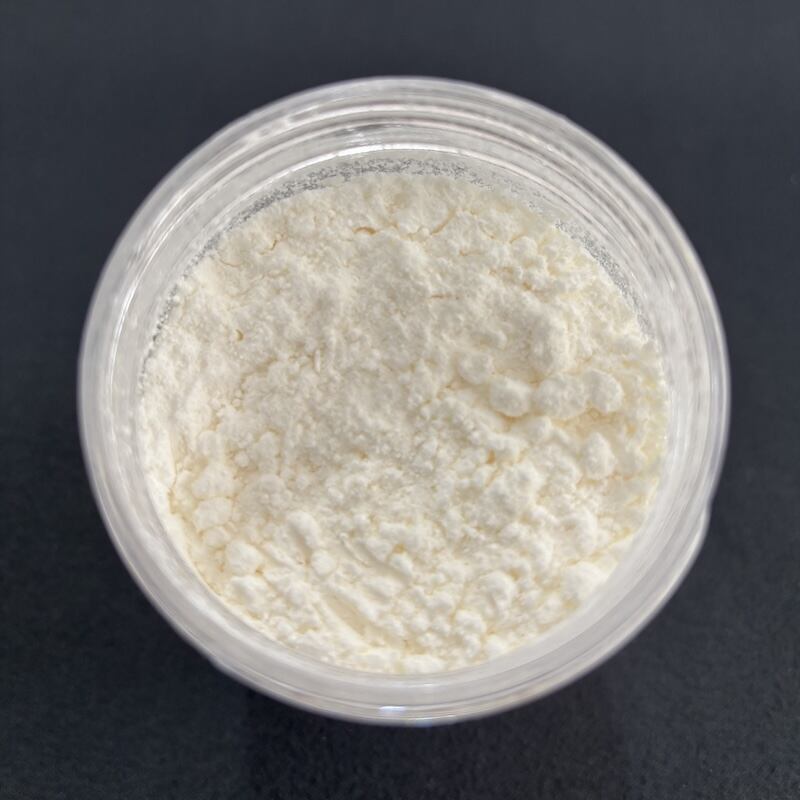
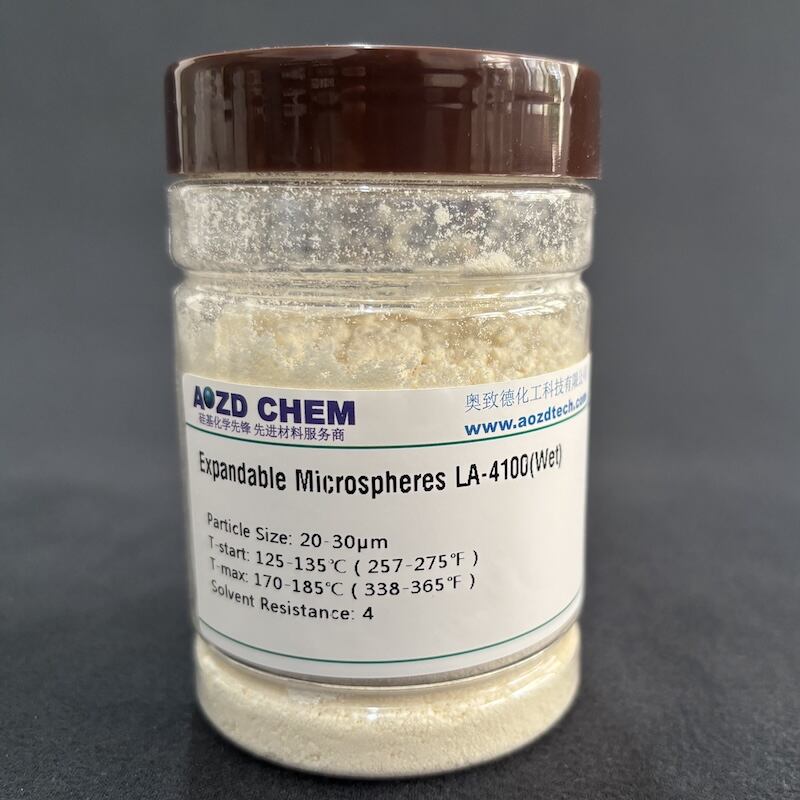
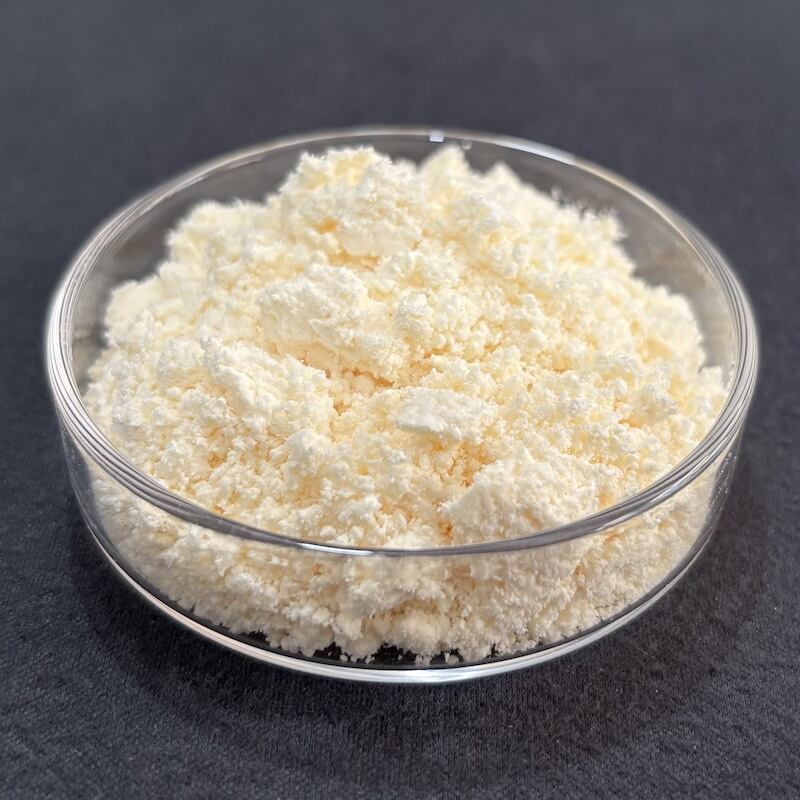
Blowing agents for PVC represent specialized chemical compounds designed to create cellular or foam structures within polyvinyl chloride materials during manufacturing processes. These agents function by decomposing or expanding under controlled temperature conditions, generating gas bubbles that become trapped within the polymer matrix, resulting in lightweight, insulated products with enhanced properties. The primary function of blowing agents for PVC involves reducing material density while maintaining structural integrity, making them essential components in manufacturing applications where weight reduction and thermal insulation are critical requirements. Modern blowing agents for PVC operate through various mechanisms, including chemical decomposition that releases nitrogen, carbon dioxide, or other inert gases, and physical expansion of volatile liquids that vaporize during processing. Technological features of these agents include precise temperature activation ranges, controlled gas release rates, and compatibility with PVC formulations without compromising mechanical properties. Advanced blowing agents for PVC incorporate stabilization systems that prevent premature activation during storage and ensure consistent performance during processing. The chemical composition typically includes azodicarbonamide, sodium bicarbonate, or specialized organic compounds that provide predictable decomposition characteristics. Processing parameters such as temperature profiles, mixing conditions, and activation timing are carefully controlled to achieve uniform cell structures and desired density reduction levels. Applications for blowing agents for PVC span numerous industries, including construction materials where foam PVC sheets and profiles provide excellent insulation properties for windows, doors, and cladding systems. Automotive applications utilize these agents in manufacturing lightweight interior components, dashboard elements, and sound dampening materials. Packaging industries employ blowing agents for PVC to create protective foam containers, insulation panels, and cushioning materials that offer superior impact resistance while reducing transportation costs through weight savings.


New Product Recommendations

The implementation of blowing agents for PVC delivers substantial cost savings through material reduction without sacrificing performance characteristics. Manufacturers achieve significant raw material economies by expanding PVC volume while maintaining product dimensions and structural requirements. These agents enable production of lightweight components that reduce shipping expenses, handling costs, and installation labor requirements across multiple applications. Enhanced thermal insulation properties represent another major advantage, as the cellular structure created by blowing agents for PVC provides superior heat resistance compared to solid materials. This improved insulation performance translates into energy savings for end users, particularly in building applications where temperature control costs constitute significant operational expenses. The uniform cell distribution achieved through properly formulated blowing agents for PVC ensures consistent insulation values throughout the product, eliminating thermal bridging and maintaining performance integrity over extended service periods. Processing efficiency improvements occur when manufacturers utilize blowing agents for PVC, as reduced material density allows faster cycle times and increased production throughput. The expansion process helps fill complex mold geometries more effectively, reducing injection pressures and minimizing equipment wear. Quality control becomes more predictable with modern blowing agents for PVC systems, as consistent activation temperatures and gas release rates produce repeatable results across production runs. Environmental benefits emerge from reduced polymer consumption and improved energy efficiency in end-use applications. Blowing agents for PVC enable manufacturers to meet sustainability targets while maintaining product performance standards. The weight reduction achieved through foam structures decreases transportation-related carbon emissions and reduces packaging requirements. Recycling processes become more efficient when dealing with foam PVC materials, as the cellular structure facilitates mechanical processing and reprocessing operations. Performance enhancements include improved impact resistance, vibration dampening, and sound absorption characteristics that expand application possibilities. The cellular structure created by blowing agents for PVC provides cushioning effects that protect against mechanical damage during shipping and installation. These performance improvements often eliminate the need for additional protective measures, further reducing overall system costs and complexity while enhancing user satisfaction and product reliability.

Tips And Tricks

The Benefits of Using a Compact Leather Feel Modifier Solution

26

Nov

The Benefits of Using a Compact Leather Feel Modifier Solution

Why Use Compact Leather Feel Modifier Solutions Leather feel modifiers in compact form really make a difference when it comes to how leather products feel against the skin. These little treatments help create that rich, soft sensation people associa...
View More
Choosing the Right Additives for Your Project

26

Nov

Choosing the Right Additives for Your Project

Understanding the Role of Additives in Projects Additives really make a difference when it comes to boosting how well things perform and last longer in all sorts of applications. These little helpers get used throughout different sectors to tweak st...
View More
How to Troubleshoot Common Issues with Silicone Emulsions

26

Nov

How to Troubleshoot Common Issues with Silicone Emulsions

Understanding Silicone Emulsions and Their Common Issues Silicone emulsions blend silicone oils with water to create stable formulas that find their way into all sorts of industries from makeup to medicine and paint jobs. What makes these emulsions ...
View More
What Leather Additives Work Best with Pigmented Finishes?

08

Jan

What Leather Additives Work Best with Pigmented Finishes?

The leather industry relies heavily on specialized chemical formulations to achieve desired aesthetic and functional properties in finished products. When working with pigmented finishes, selecting appropriate leather additives becomes crucial for ac...
View More

Get a Free Quote

Our representative will contact you soon.
Email
Name
Company Name
Whatsapp
Message
0/1000

blowing agents for pvc

Superior Thermal Insulation Performance

Superior Thermal Insulation Performance

Blowing agents for PVC create exceptional thermal insulation properties that significantly outperform solid PVC materials in temperature control applications. The cellular structure formed during the expansion process traps air within millions of microscopic cells, creating highly effective thermal barriers that resist heat transfer through conduction, convection, and radiation mechanisms. This superior insulation performance becomes particularly valuable in construction applications where energy efficiency requirements continue to increase due to environmental regulations and cost considerations. Buildings utilizing PVC foam products manufactured with blowing agents for PVC demonstrate measurable improvements in heating and cooling efficiency, translating directly into reduced utility bills and enhanced occupant comfort levels. The thermal conductivity values achieved through proper application of blowing agents for PVC typically range from 0.03 to 0.05 W/mK, representing substantial improvements over solid PVC materials. This enhanced insulation performance remains stable over extended periods, as the closed-cell structure prevents moisture infiltration and maintains thermal resistance values throughout the product lifecycle. Manufacturing processes utilizing blowing agents for PVC can be precisely controlled to optimize cell size distribution and density gradients, allowing engineers to tailor thermal performance characteristics for specific applications. The resulting products demonstrate excellent temperature stability, maintaining their insulation properties across wide temperature ranges encountered in real-world applications. Quality control testing confirms that PVC foam products created with properly formulated blowing agents for PVC exhibit consistent thermal performance across production batches, ensuring reliable performance for end users. The economic impact of this superior thermal insulation extends beyond initial energy savings, as improved temperature control reduces HVAC system loads, extends equipment life, and minimizes maintenance requirements. Environmental benefits include reduced carbon emissions from heating and cooling systems, supporting sustainability initiatives while delivering tangible cost benefits to building owners and occupants.
Exceptional Weight Reduction Benefits

Exceptional Weight Reduction Benefits

Blowing agents for PVC deliver remarkable weight reduction capabilities that revolutionize product design possibilities across multiple industries while maintaining essential mechanical properties and performance characteristics. The expansion process creates cellular structures that can reduce material density by 20-70 percent compared to solid PVC, enabling manufacturers to achieve significant weight savings without compromising structural integrity or dimensional stability. This weight reduction capability proves particularly valuable in automotive applications where every pound eliminated contributes to improved fuel efficiency and reduced emissions. Transportation industries benefit substantially from components manufactured using blowing agents for PVC, as reduced cargo weight directly translates into lower fuel consumption, increased payload capacity, and decreased transportation costs across supply chains. The manufacturing process allows precise control over density reduction levels, enabling engineers to optimize weight savings while maintaining required strength and durability characteristics for specific applications. Aerospace applications utilize blowing agents for PVC to create lightweight interior components that meet stringent safety requirements while minimizing aircraft weight and improving fuel efficiency. Construction projects benefit from reduced structural loads when utilizing PVC foam products, as lighter materials simplify installation procedures and reduce foundation requirements. The handling advantages associated with lighter PVC foam products improve worker safety and productivity during installation, as reduced physical strain decreases injury risks and accelerates completion schedules. Quality testing demonstrates that properly formulated blowing agents for PVC maintain uniform density distribution throughout products, ensuring consistent weight reduction and performance characteristics across all sections. Manufacturing efficiency improves as lighter products require less energy for handling, processing, and transportation throughout production and distribution systems. The environmental impact of weight reduction extends beyond immediate material savings, as reduced transportation energy requirements and improved product efficiency contribute to overall sustainability goals while delivering economic benefits to manufacturers and end users through reduced operational costs and enhanced performance characteristics.
Enhanced Processing Efficiency and Quality Control

Enhanced Processing Efficiency and Quality Control

Blowing agents for PVC significantly improve manufacturing efficiency and quality control capabilities through precise activation mechanisms and predictable expansion characteristics that enable consistent production results across diverse manufacturing environments. The controlled decomposition or expansion of these agents occurs within specific temperature ranges, allowing processors to achieve repeatable cell structures and density levels through careful temperature management during production cycles. Modern blowing agents for PVC incorporate advanced stabilization systems that prevent premature activation during storage and compound preparation, ensuring consistent performance when materials reach processing temperatures. This stability characteristic reduces waste, improves batch-to-batch consistency, and enables manufacturers to maintain tight quality tolerances across extended production runs. Processing equipment benefits from reduced wear and maintenance requirements when utilizing properly formulated blowing agents for PVC, as the expansion process reduces injection pressures and minimizes stress on machinery components. Cycle time improvements become achievable through faster cooling rates associated with foam structures, as the cellular composition facilitates more efficient heat dissipation during processing and molding operations. Quality control procedures become more predictable and reliable when manufacturers implement blowing agents for PVC systems, as consistent activation temperatures and gas release rates produce measurable and repeatable results. Advanced testing methods allow real-time monitoring of cell structure development, density achievement, and surface quality parameters during production processes. The uniform cell distribution created by properly activated blowing agents for PVC ensures consistent mechanical properties throughout finished products, eliminating weak spots and performance variations that can lead to field failures. Manufacturing flexibility increases as processors can adjust density levels and cell structures by modifying temperature profiles, processing speeds, and agent concentrations to meet specific customer requirements. Troubleshooting becomes simplified when issues arise, as the predictable behavior of quality blowing agents for PVC enables rapid identification and correction of processing variables that affect product quality, reducing downtime and improving overall production efficiency while maintaining high quality standards.

Get a Free Quote

Our representative will contact you soon.
Email
Name
Company Name
Whatsapp
Message
0/1000