Versatile Application Compatibility
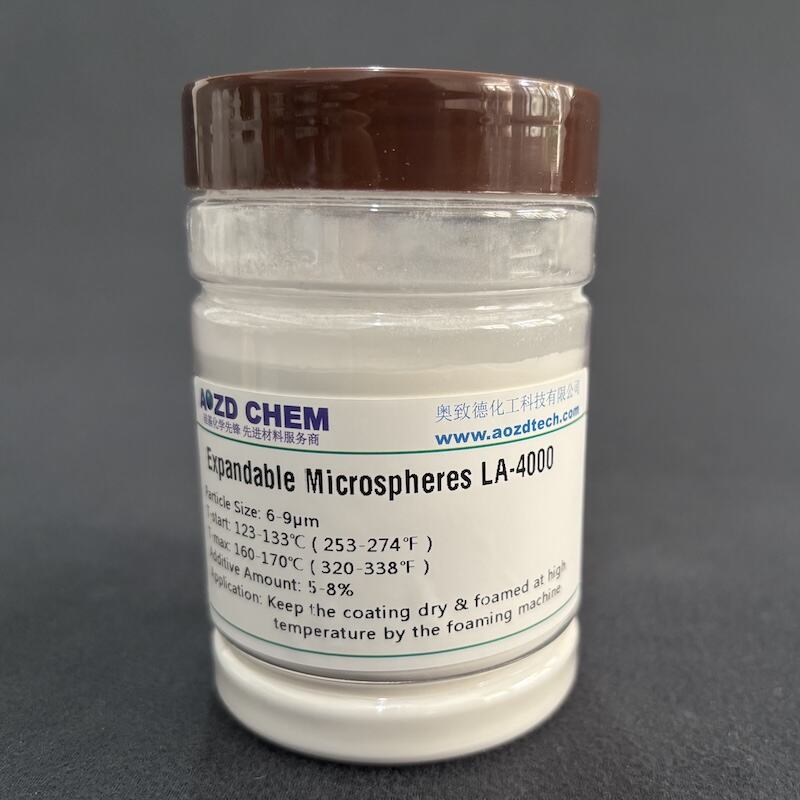
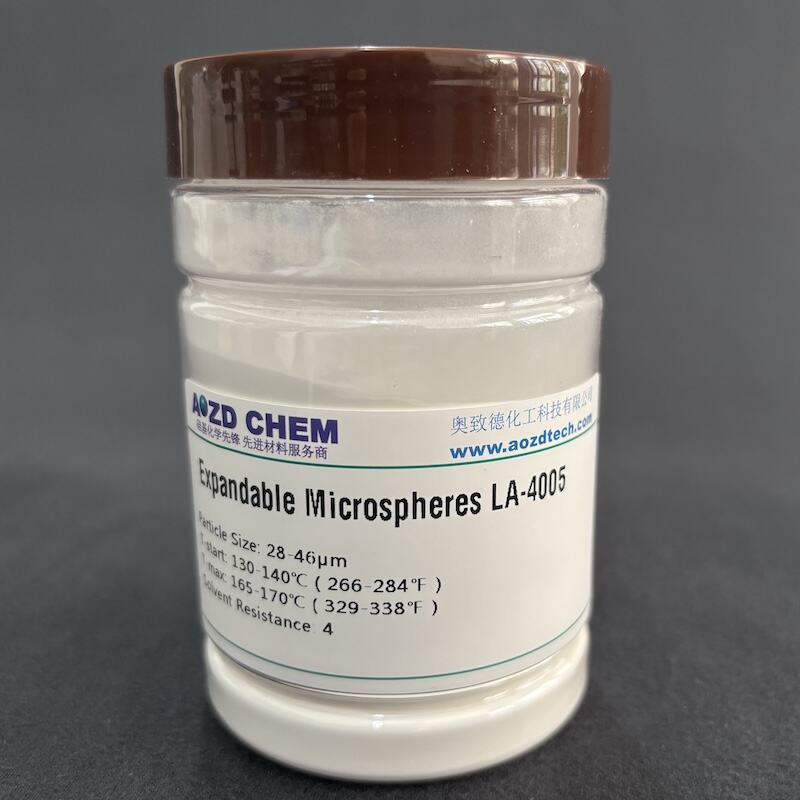
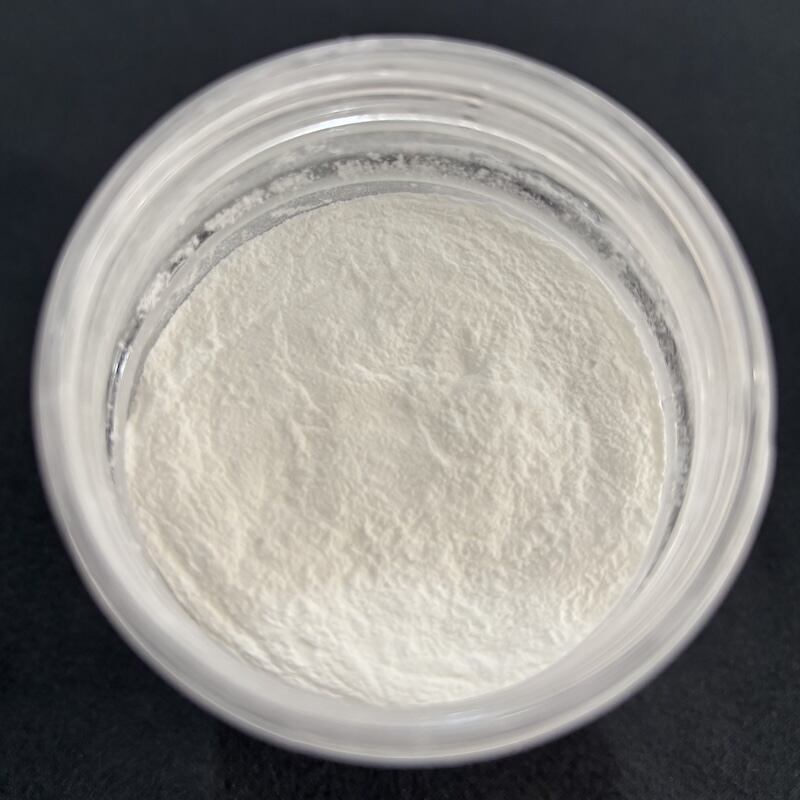
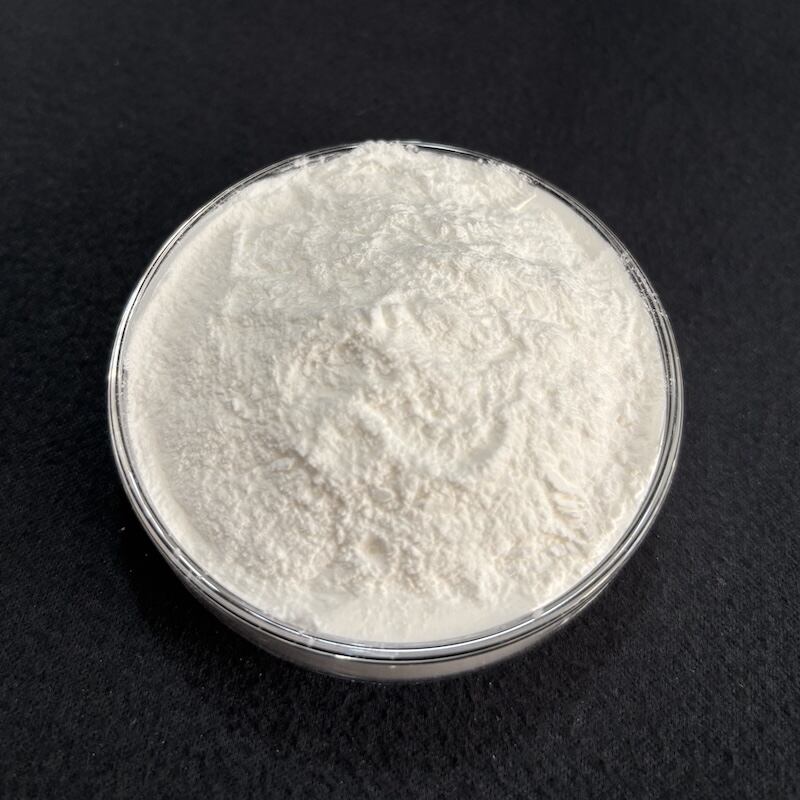
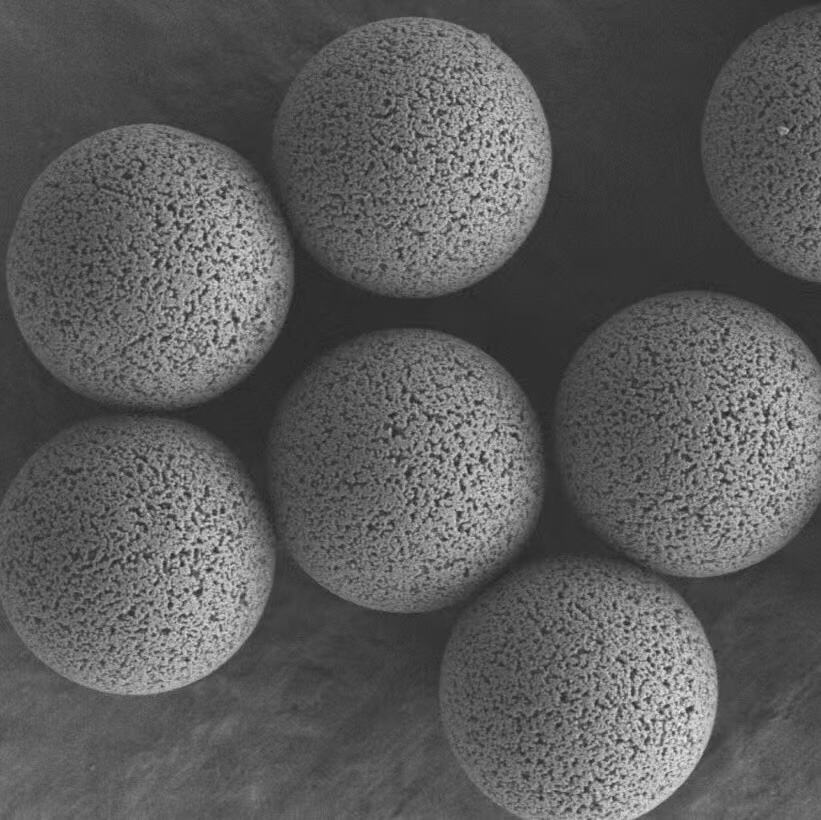
Versatile application compatibility distinguishes expandable microspheres additives as uniquely adaptable solutions suitable for an extraordinary range of industries, materials, and processing methods. This exceptional compatibility stems from carefully engineered polymer shell compositions that remain stable across diverse chemical environments while providing consistent expansion performance regardless of the host matrix material. The additives demonstrate outstanding compatibility with polyolefins including polyethylene and polypropylene, enabling weight reduction in packaging, automotive components, and consumer products without affecting material properties or processing parameters. Engineering plastics such as ABS, polycarbonate, and nylon benefit from the enhanced impact resistance and dimensional stability provided by expanded microspheres while maintaining critical mechanical properties required for demanding applications. Thermoset resins including polyurethanes, epoxies, and polyesters incorporate expandable microspheres additives seamlessly, creating lightweight composite structures with improved insulation properties and reduced material costs. The compatibility extends to various processing methods including injection molding, extrusion, compression molding, and casting operations, providing manufacturers with flexibility in production method selection. Temperature compatibility ranges from low-temperature expansion systems suitable for heat-sensitive materials to high-temperature variants designed for engineering plastics requiring elevated processing conditions. Chemical resistance properties ensure long-term stability in aggressive environments, making these additives suitable for industrial applications involving exposure to solvents, oils, and other challenging chemical conditions. Regulatory compliance represents another aspect of compatibility, with many expandable microspheres additives meeting food contact regulations, medical device standards, and automotive specifications required for commercial applications. Color stability and UV resistance characteristics maintain product appearance and performance in outdoor applications, expanding the potential market reach for manufacturers incorporating these additives. Processing equipment compatibility eliminates the need for specialized handling or mixing equipment, as standard compounding and processing machinery accommodate expandable microspheres additives without modification. The additives integrate seamlessly with existing colorant systems, stabilizer packages, and other functional additives commonly used in polymer formulations. International standard compliance ensures global market access while maintaining consistent performance characteristics across different regulatory environments and quality requirements demanded by diverse customer bases.

 EN
EN