Superior Material Compatibility and Integration
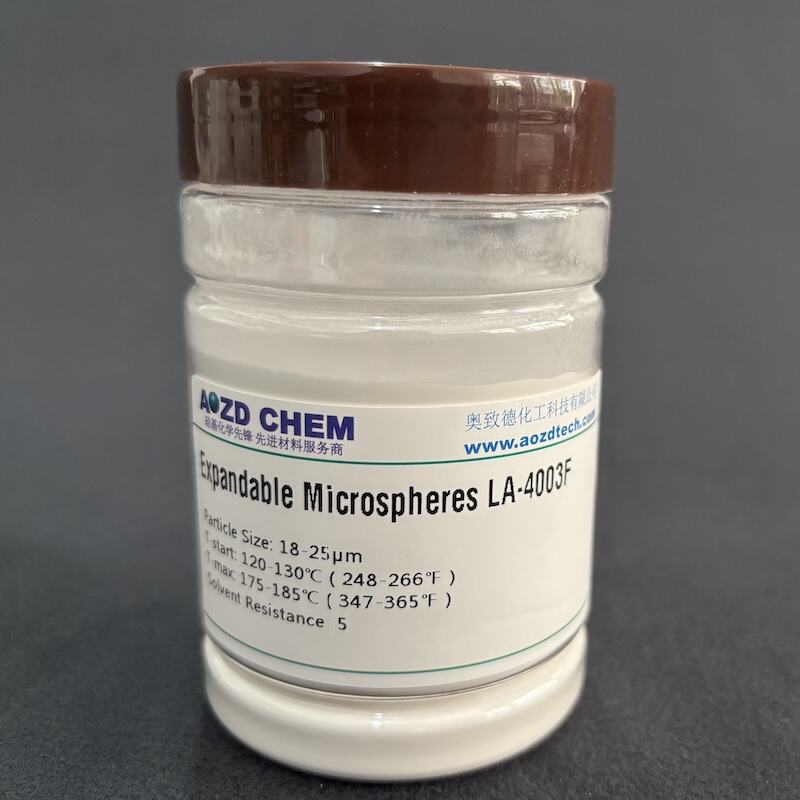
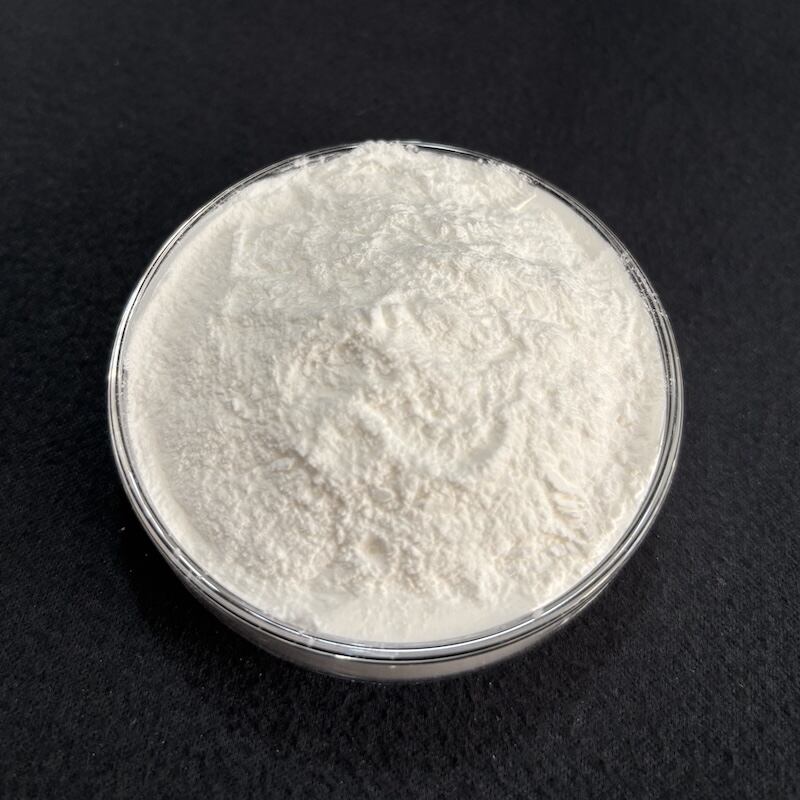
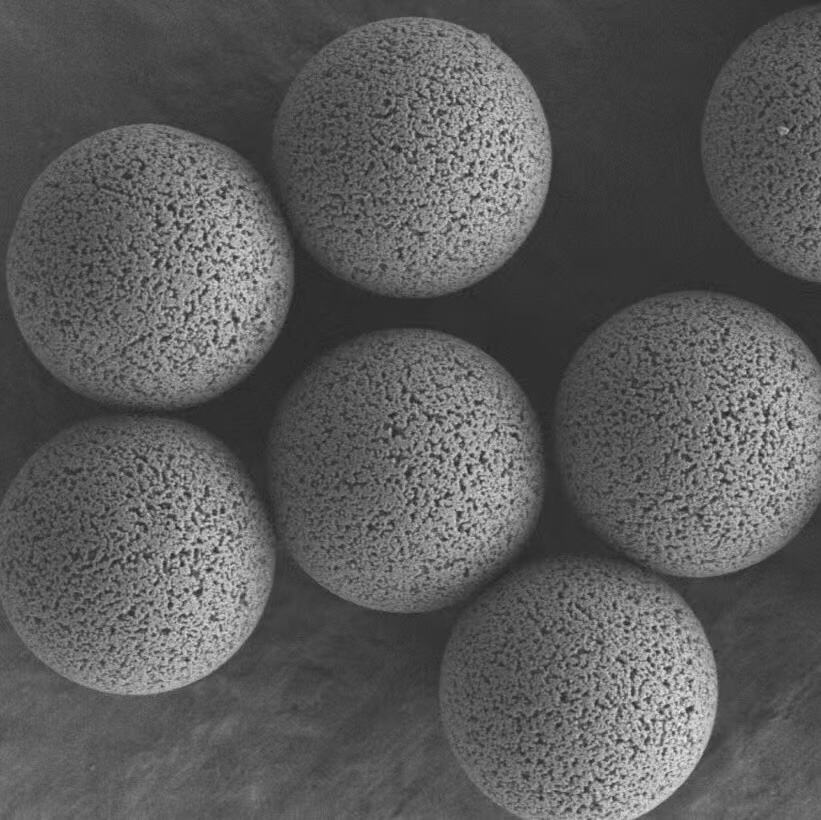
High quality expandable microspheres demonstrate exceptional compatibility with diverse material systems, making them versatile solutions for manufacturers working with various substrates and formulations. This superior compatibility stems from advanced surface treatments and carefully selected polymer chemistries that promote strong interfacial bonding with host materials while maintaining the spheres' expansion characteristics. The microspheres integrate seamlessly with thermoplastics, thermosets, elastomers, coatings, adhesives, and composite systems without compromising the base material properties or processing parameters. Surface functionalization options enable customization for specific applications, including hydrophilic treatments for water-based systems, hydrophobic modifications for solvent-based formulations, and reactive coupling agents for enhanced chemical bonding. This compatibility extends to processing conditions, as the microspheres remain stable during mixing, extrusion, injection molding, and coating applications until activation temperatures are reached. The uniform dispersion characteristics prevent agglomeration and settling issues that commonly plague other lightweight fillers, ensuring consistent distribution throughout the matrix material. Processing viscosity benefits include reduced compound viscosity at low shear rates, improving flow characteristics while maintaining acceptable mechanical properties in the final product. The spheres' ability to maintain their unexpanded state during normal processing temperatures provides manufacturers with extended working times and improved process control. Compatibility testing protocols have been developed for rapid evaluation with new material systems, reducing development time and enabling quick market introduction of innovative products. Long-term stability in various chemical environments has been extensively documented, showing resistance to moisture, pH variations, and common industrial chemicals that might be encountered during product use. The microspheres maintain their expansion potential even after extended storage periods, providing supply chain flexibility and inventory management advantages. This superior compatibility also extends to recycling applications, where expanded microspheres can often be reprocessed or separated from host materials, supporting circular economy initiatives and sustainable manufacturing practices.

 EN
EN