High-Performance Expanded Microspheres for Rubber Manufacturing - Lightweight Solutions for Enhanced Processing

All Categories

Get a Free Quote

Our representative will contact you soon.
Email
Name
Company Name
Whatsapp
Message
0/1000

expanded microspheres for rubber

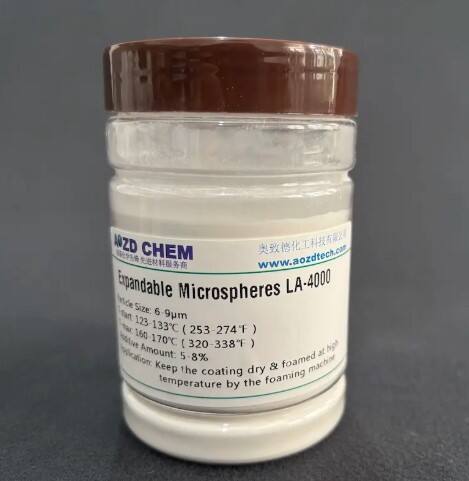
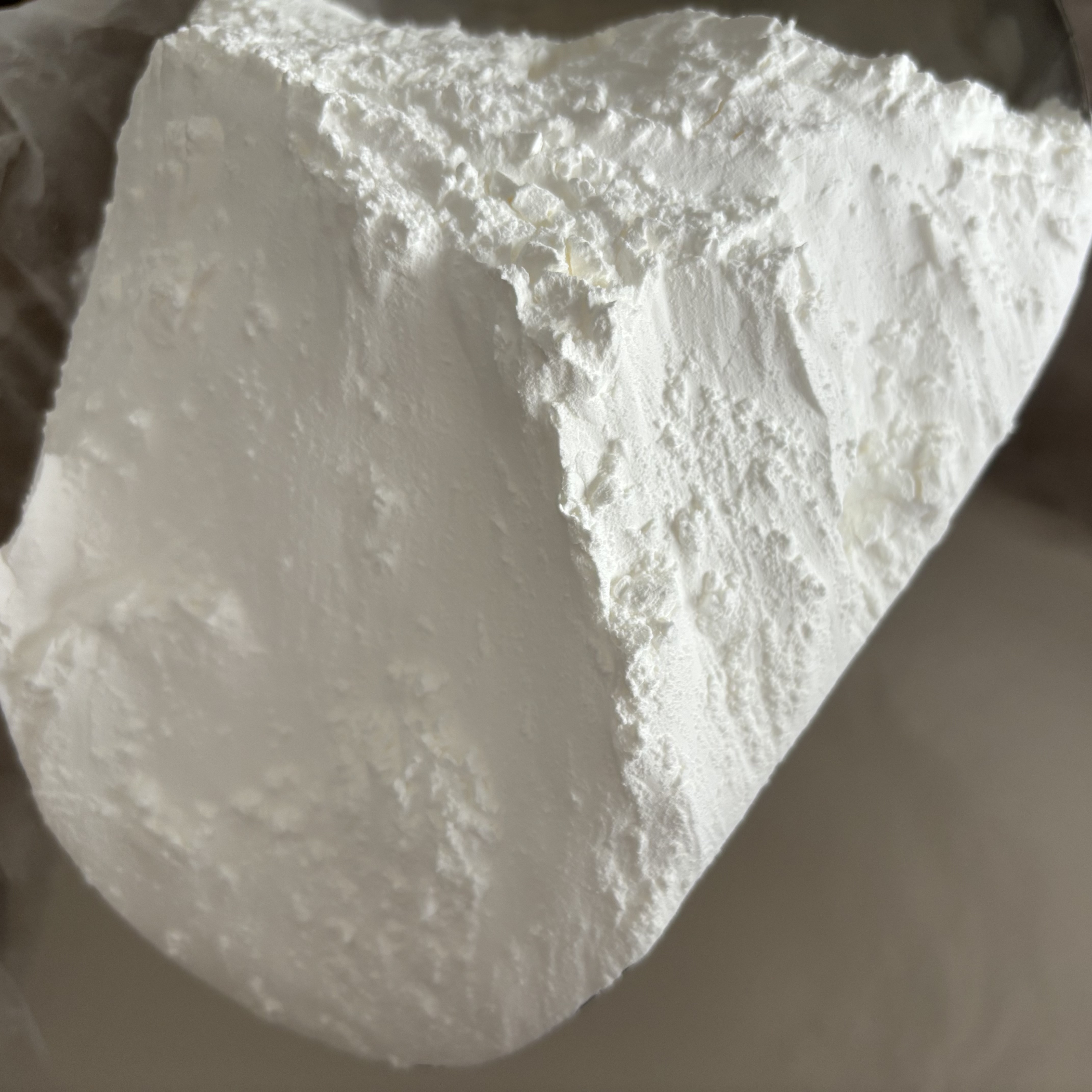
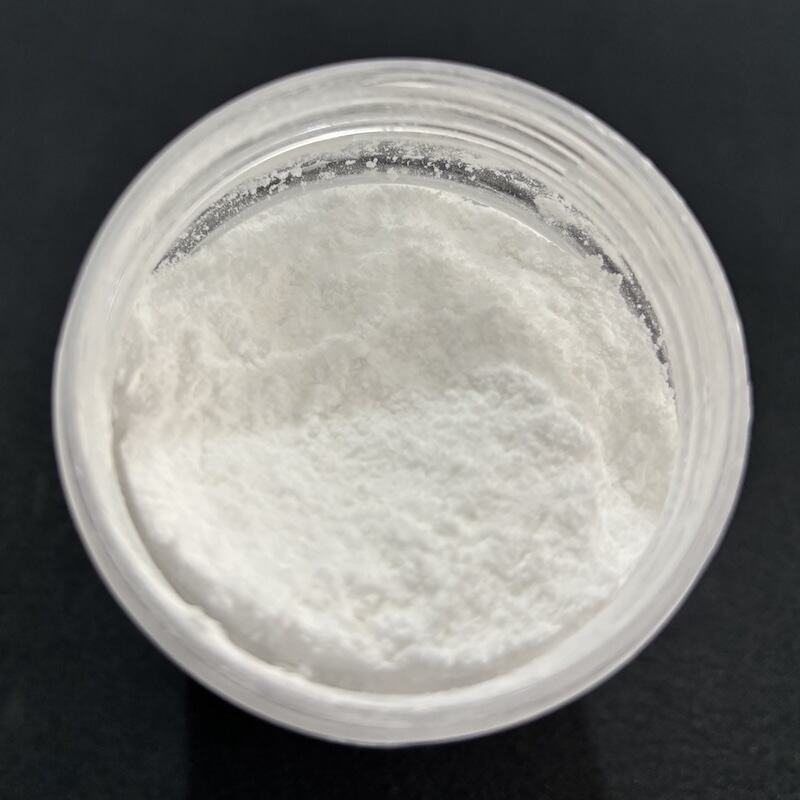
Expanded microspheres for rubber represent a revolutionary advancement in polymer modification technology, offering manufacturers unprecedented opportunities to enhance material performance while reducing costs. These innovative hollow plastic particles, typically ranging from 10 to 80 micrometers in diameter, undergo thermal expansion when heated, creating lightweight cellular structures within rubber matrices. The expanded microspheres for rubber are primarily composed of thermoplastic shells containing volatile hydrocarbons that vaporize during processing, causing the microspheres to expand and form closed-cell foam structures. This unique expansion mechanism enables manufacturers to achieve significant weight reduction without compromising mechanical properties. The technological sophistication of expanded microspheres for rubber lies in their precisely controlled expansion characteristics, which can be tailored to specific processing temperatures and expansion ratios. These microspheres integrate seamlessly into various rubber compounds, including natural rubber, synthetic rubber, and thermoplastic elastomers. The main functions encompass density reduction, improved processability, enhanced surface finish, and cost optimization. During the vulcanization or processing phase, expanded microspheres for rubber create uniform cellular structures that maintain the material's flexibility and durability. The technology features exceptional temperature stability, controlled expansion ratios, and chemical compatibility with diverse rubber formulations. Applications span across automotive components, footwear manufacturing, construction materials, industrial gaskets, and consumer products. The versatility of expanded microspheres for rubber makes them suitable for injection molding, compression molding, and extrusion processes. Manufacturers benefit from reduced material consumption, improved production efficiency, and enhanced product performance characteristics, making expanded microspheres for rubber an essential component in modern rubber manufacturing strategies.


Popular Products

The advantages of expanded microspheres for rubber deliver tangible benefits that directly impact manufacturing efficiency and product quality. Weight reduction stands as the primary advantage, with expanded microspheres for rubber enabling density reductions of 10 to 40 percent while maintaining structural integrity. This weight reduction translates into significant material cost savings, as manufacturers require less raw rubber to produce equivalent volumes. The lightweight properties also benefit end-users through improved fuel efficiency in automotive applications and reduced shipping costs across all industries. Processing improvements represent another crucial advantage, as expanded microspheres for rubber enhance flow characteristics during molding operations. The spherical shape and smooth surface of these microspheres reduce internal friction, allowing for easier cavity filling and reduced processing pressures. This improved processability leads to shorter cycle times, reduced energy consumption, and decreased wear on manufacturing equipment. Surface quality enhancement occurs naturally when using expanded microspheres for rubber, as the cellular structure creates smoother finishes and reduces surface defects such as sink marks and flow lines. The uniform expansion creates consistent cell structures that eliminate common molding problems while improving dimensional stability. Thermal insulation properties improve significantly with expanded microspheres for rubber incorporation, as the closed-cell structure provides excellent heat resistance and thermal barrier characteristics. This thermal performance proves valuable in automotive under-hood applications, construction materials, and industrial components exposed to temperature variations. Cost optimization extends beyond raw material savings to include reduced tooling wear, lower energy consumption, and improved production yields. The chemical inertness of expanded microspheres for rubber ensures compatibility with various additives, fillers, and processing aids without affecting cure characteristics or physical properties. Manufacturers also benefit from improved inventory management, as expanded microspheres for rubber offer consistent quality and long shelf life, reducing waste and ensuring reliable production schedules.

Tips And Tricks

How Expandable Microspheres Revolutionize Material Science

26

Nov

How Expandable Microspheres Revolutionize Material Science

Understanding Expandable Microspheres in Material Science Expandable microspheres consist of tiny polymer particles capable of expanding when heated. When this happens, it creates materials that weigh less while still providing good insulation again...
View More
Top 10 FAQs: Everything You Need to Know About Expandable Microspheres

26

Nov

Top 10 FAQs: Everything You Need to Know About Expandable Microspheres

What Are Expandable Microspheres Expandable microspheres stand out as special materials basically made up of tiny hollow balls that get much bigger when they meet heat. What makes them work so well is their clever construction with a thin polymer sh...
View More
How Does Silicone Dispersion Improve Water Resistance in Coatings

02

Dec

How Does Silicone Dispersion Improve Water Resistance in Coatings

Water resistance stands as one of the most critical performance characteristics in modern coating applications across industries ranging from automotive to marine environments. Traditional coatings often struggle to maintain their protective properti...
View More
How Does Silicone Emulsion Interact with Other Leather Chemicals?

08

Jan

How Does Silicone Emulsion Interact with Other Leather Chemicals?

The leather industry relies on complex chemical interactions to achieve desired properties in finished products. Among the various chemicals used in leather processing, silicone emulsion has emerged as a crucial component that significantly impacts t...
View More

Get a Free Quote

Our representative will contact you soon.
Email
Name
Company Name
Whatsapp
Message
0/1000

expanded microspheres for rubber

Superior Weight Reduction Technology

Superior Weight Reduction Technology

The superior weight reduction capability of expanded microspheres for rubber represents a breakthrough in material engineering that delivers measurable performance improvements across diverse applications. These innovative microspheres achieve density reductions of 15 to 40 percent through their unique hollow structure formation during thermal processing. When incorporated into rubber compounds, expanded microspheres for rubber create millions of microscopic air-filled cells that significantly reduce overall material density without compromising mechanical strength or flexibility. This weight reduction technology proves particularly valuable in automotive applications where every gram matters for fuel efficiency and emissions reduction. Manufacturers utilizing expanded microspheres for rubber in automotive seals, gaskets, and interior components achieve substantial weight savings that contribute to overall vehicle lightweighting initiatives. The aerospace industry benefits similarly, as expanded microspheres for rubber enable the production of lightweight sealing solutions and vibration dampening materials that meet strict weight requirements while maintaining performance standards. In footwear manufacturing, the weight reduction provided by expanded microspheres for rubber creates more comfortable products that reduce fatigue during extended wear periods. The cellular structure formed by expanded microspheres for rubber also provides enhanced shock absorption properties, making footwear applications particularly beneficial for athletic and industrial safety footwear. Construction applications leverage this weight reduction technology to create lighter building materials that reduce structural loads while maintaining weatherproofing and durability characteristics. The economic impact of this weight reduction extends beyond material costs to include reduced transportation expenses, lower energy consumption during processing, and improved handling characteristics during manufacturing operations. Quality control benefits emerge as expanded microspheres for rubber provide consistent density reduction results, enabling manufacturers to achieve predictable weight targets with minimal variation between production batches.
Enhanced Processing Efficiency

Enhanced Processing Efficiency

Enhanced processing efficiency through expanded microspheres for rubber technology revolutionizes manufacturing operations by streamlining production processes and improving overall equipment effectiveness. The spherical geometry and smooth surface characteristics of expanded microspheres for rubber significantly improve material flow properties during mixing, molding, and extrusion operations. This improved flowability reduces the energy required for processing, as mixing equipment encounters less resistance when incorporating these microspheres into rubber compounds. Manufacturers experience shorter mixing cycles, more uniform distribution of components, and reduced processing temperatures due to the lubricating effect of expanded microspheres for rubber. The thermal expansion characteristics of these microspheres align perfectly with standard rubber processing temperatures, ensuring optimal expansion timing during vulcanization or thermoplastic processing. This synchronization eliminates the need for specialized processing conditions, allowing manufacturers to integrate expanded microspheres for rubber into existing production lines without significant equipment modifications. Cycle time reductions of 10 to 25 percent become achievable as expanded microspheres for rubber improve cavity filling and reduce the pressure requirements for complete mold filling. The reduced processing pressures also decrease wear on molding equipment, extending tool life and reducing maintenance costs. Quality improvements manifest through more consistent part dimensions, reduced warpage, and elimination of common defects such as sink marks and void formation. Expanded microspheres for rubber create uniform cell structures that provide consistent properties throughout the finished product, reducing rejection rates and improving manufacturing yields. Temperature control becomes more manageable as the cellular structure created by expanded microspheres for rubber provides thermal insulation properties that help maintain consistent processing conditions. Energy consumption decreases significantly due to reduced processing pressures, shorter cycle times, and improved thermal efficiency, contributing to sustainable manufacturing practices and reduced operational costs.
Exceptional Cost Optimization Benefits

Exceptional Cost Optimization Benefits

Exceptional cost optimization benefits delivered by expanded microspheres for rubber create compelling economic advantages that directly impact manufacturing profitability and market competitiveness. Raw material cost reduction represents the most immediate benefit, as expanded microspheres for rubber enable manufacturers to reduce expensive rubber consumption by 10 to 30 percent while maintaining equivalent product volumes. This material substitution proves particularly valuable when rubber prices fluctuate, providing cost stability and predictable manufacturing expenses. The lightweight nature of products containing expanded microspheres for rubber reduces shipping and handling costs throughout the supply chain, creating savings that benefit both manufacturers and end customers. Production efficiency improvements generate additional cost savings through reduced energy consumption, shorter processing cycles, and decreased equipment wear. The excellent flow characteristics of expanded microspheres for rubber reduce mixing energy requirements and enable lower processing temperatures, directly impacting utility costs. Tooling longevity increases significantly due to reduced processing pressures and improved material flow, minimizing expensive tool replacement and maintenance expenses. Quality-related cost benefits emerge through reduced scrap rates, fewer production defects, and improved dimensional consistency, eliminating costly rework and material waste. Expanded microspheres for rubber maintain excellent shelf stability, reducing inventory carrying costs and minimizing waste from expired materials. The versatility of these microspheres allows manufacturers to standardize on fewer raw materials while serving diverse product requirements, simplifying procurement and reducing inventory complexity. Labor costs decrease through improved processability and reduced handling requirements, as expanded microspheres for rubber flow easily and integrate uniformly without specialized mixing techniques. Environmental compliance costs reduce as the cellular structure created by expanded microspheres for rubber often eliminates the need for chemical blowing agents or other additives that require special handling or disposal procedures. Long-term cost benefits include improved product durability, reduced warranty claims, and enhanced customer satisfaction leading to increased repeat business and market share growth.

Get a Free Quote

Our representative will contact you soon.
Email
Name
Company Name
Whatsapp
Message
0/1000