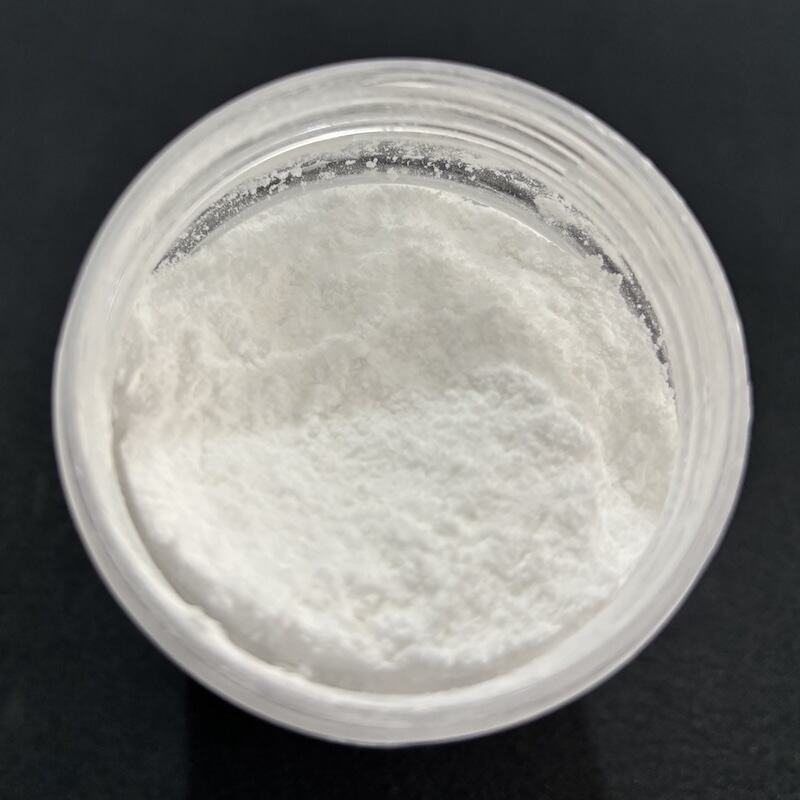
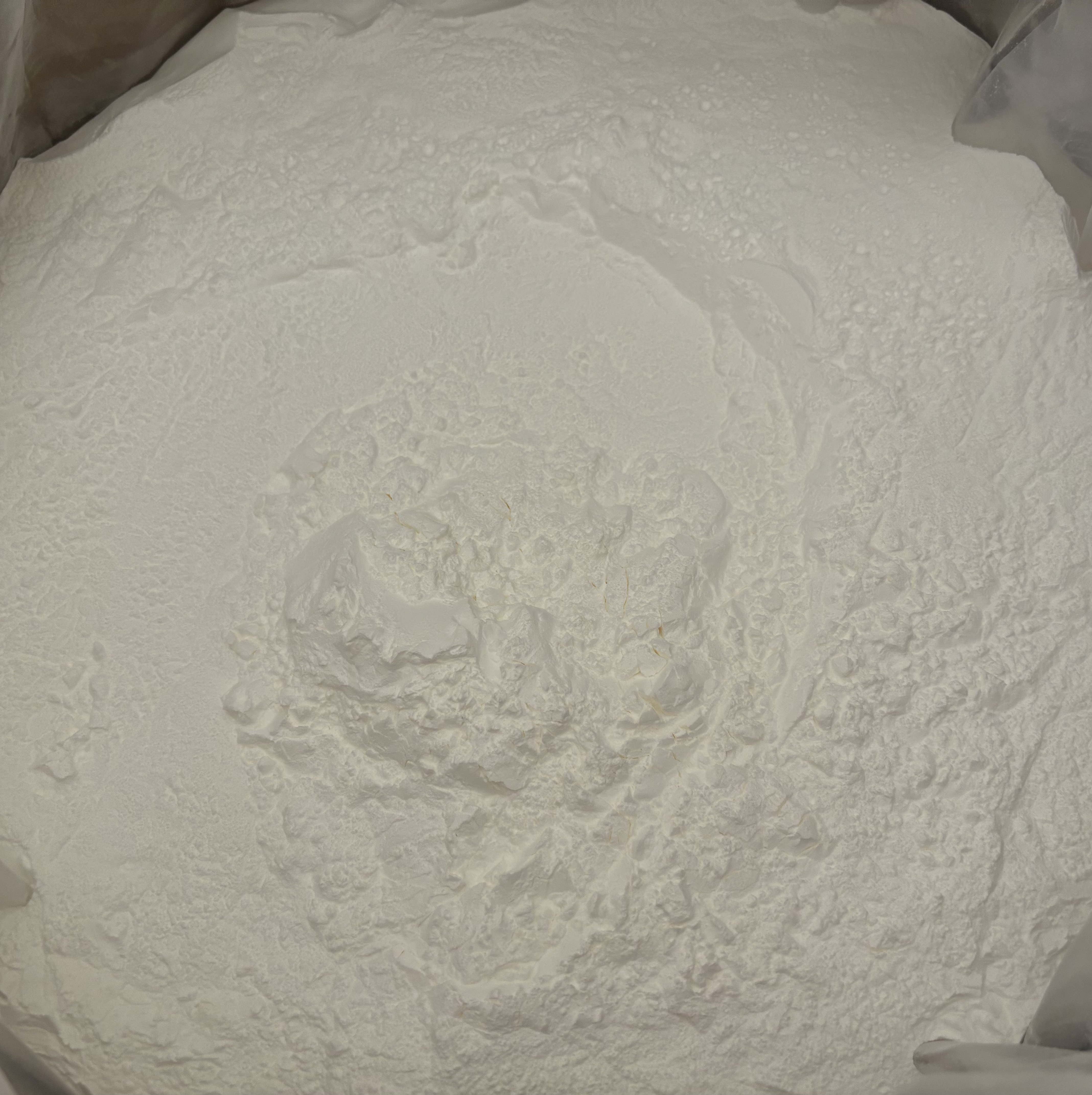
expanded microspheres for adhesives
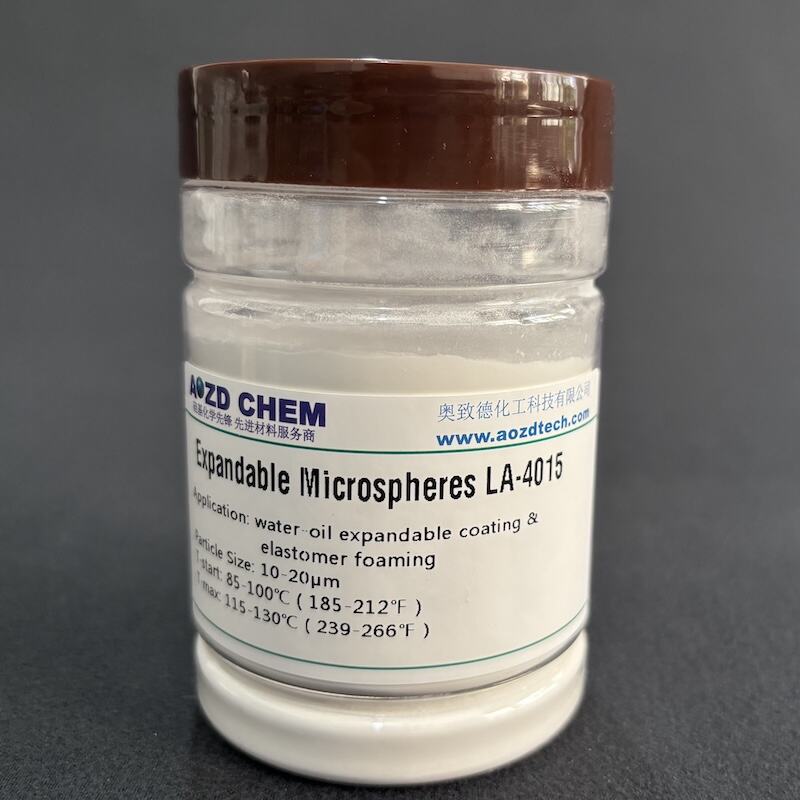
Expanded microspheres for adhesives represent a revolutionary advancement in bonding technology, offering exceptional performance characteristics that transform conventional adhesive formulations. These lightweight, hollow polymeric spheres undergo thermal expansion when heated, creating unique properties that enhance adhesive performance across multiple dimensions. The core technology involves carefully engineered microspheres that maintain structural integrity while providing controlled expansion capabilities, making them ideal for various adhesive applications. The primary functions of expanded microspheres for adhesives include weight reduction, improved thermal insulation, enhanced gap-filling properties, and superior workability. These microspheres effectively reduce the overall density of adhesive formulations while maintaining strong bonding strength, creating lighter yet durable connections. Their expansion characteristics allow for excellent void filling, ensuring consistent adhesive coverage even in irregular surfaces or challenging geometries. The technological features of expanded microspheres for adhesives encompass controlled particle size distribution, predictable expansion ratios, and excellent chemical compatibility with various adhesive systems. These microspheres demonstrate remarkable thermal stability and can withstand processing temperatures without premature expansion, providing manufacturers with reliable processing windows. Their uniform spherical shape ensures consistent dispersion throughout adhesive matrices, resulting in homogeneous final products with predictable performance characteristics. Applications for expanded microspheres for adhesives span across automotive, aerospace, construction, electronics, and packaging industries. In automotive applications, they reduce vehicle weight while maintaining structural integrity in bonding applications. Aerospace manufacturers utilize these microspheres to create lightweight composite assemblies without compromising safety standards. Construction applications benefit from improved thermal properties and reduced material costs, while electronics applications leverage their insulating properties for sensitive component protection.

 EN
EN