expanded microspheres for sealants
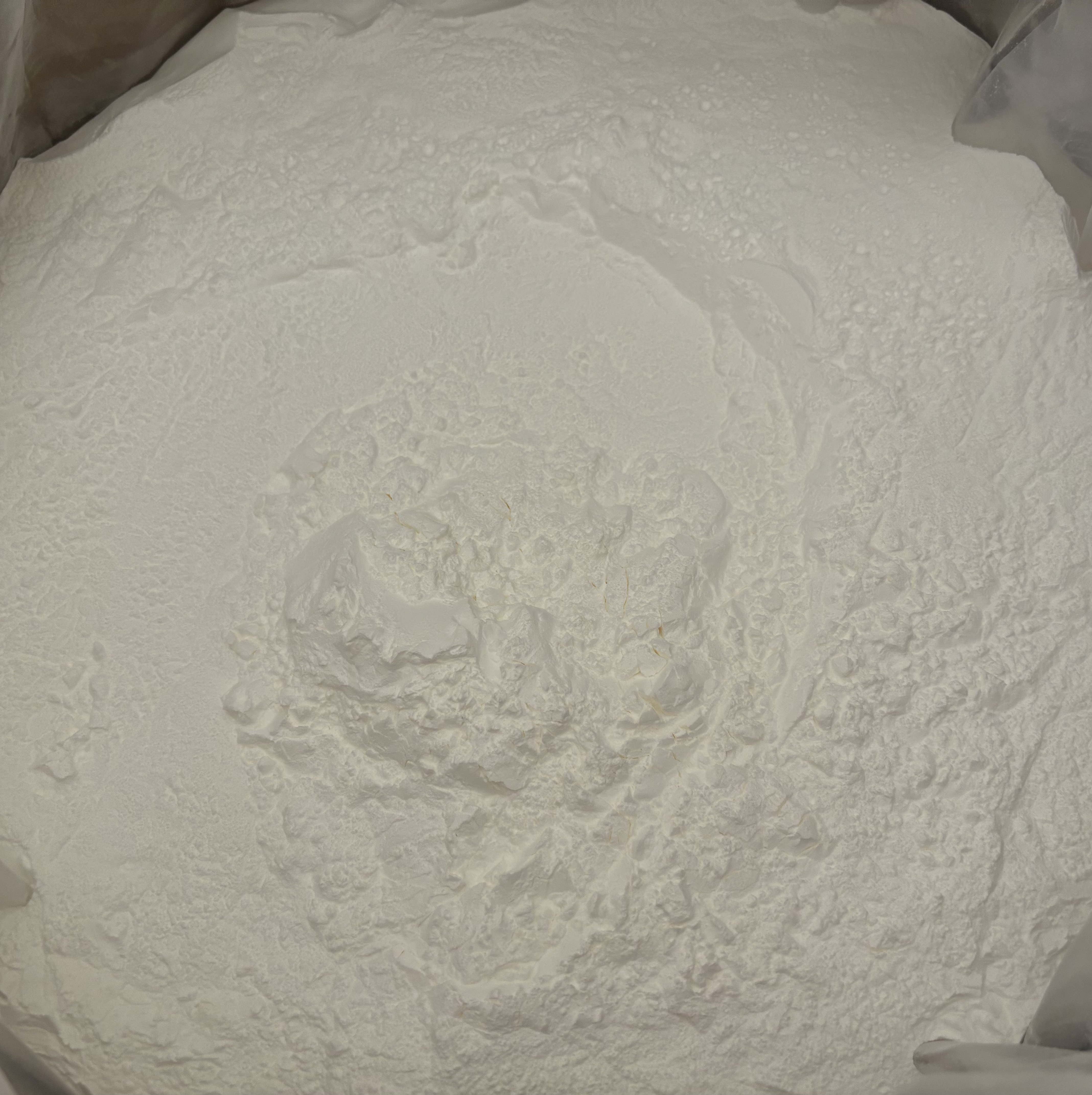
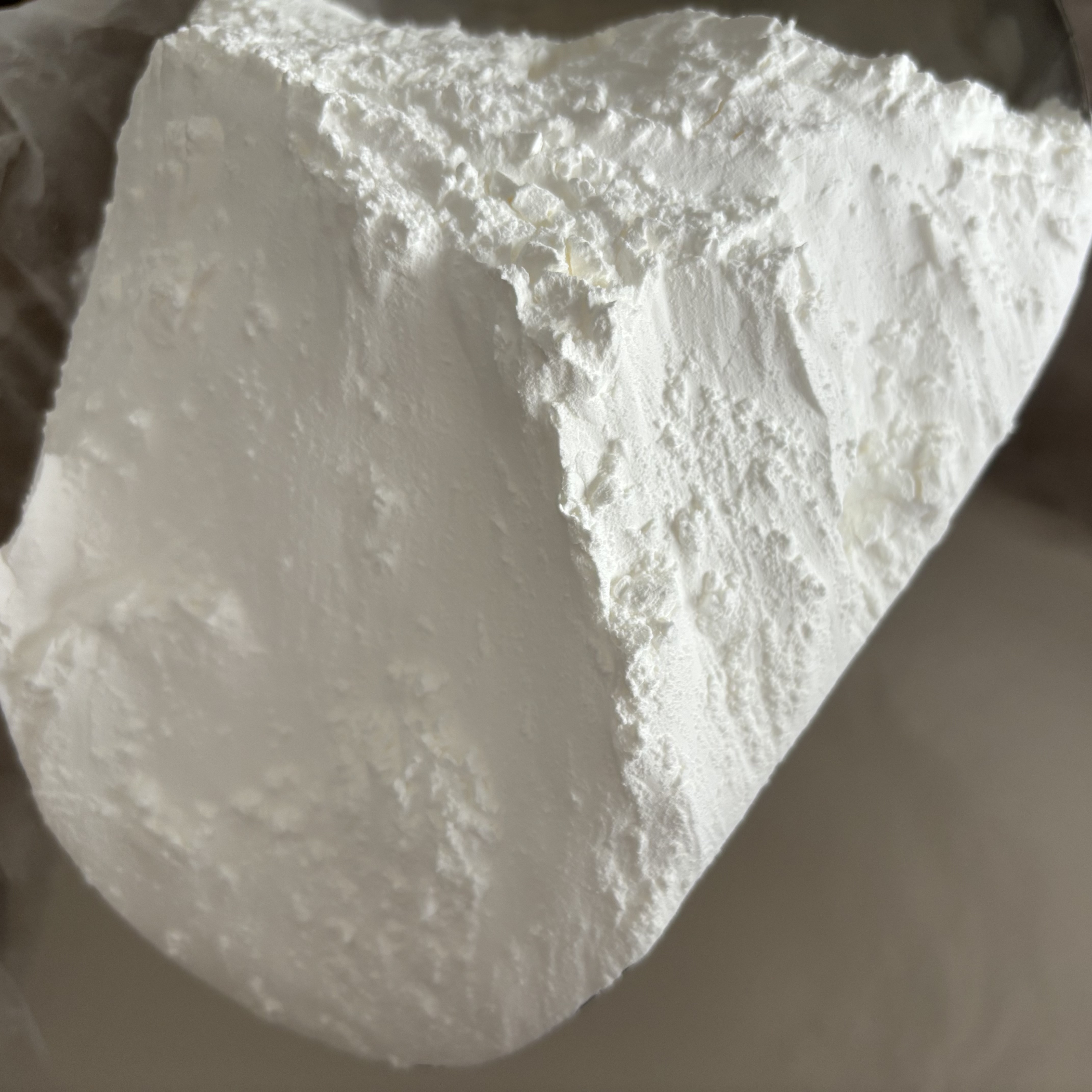
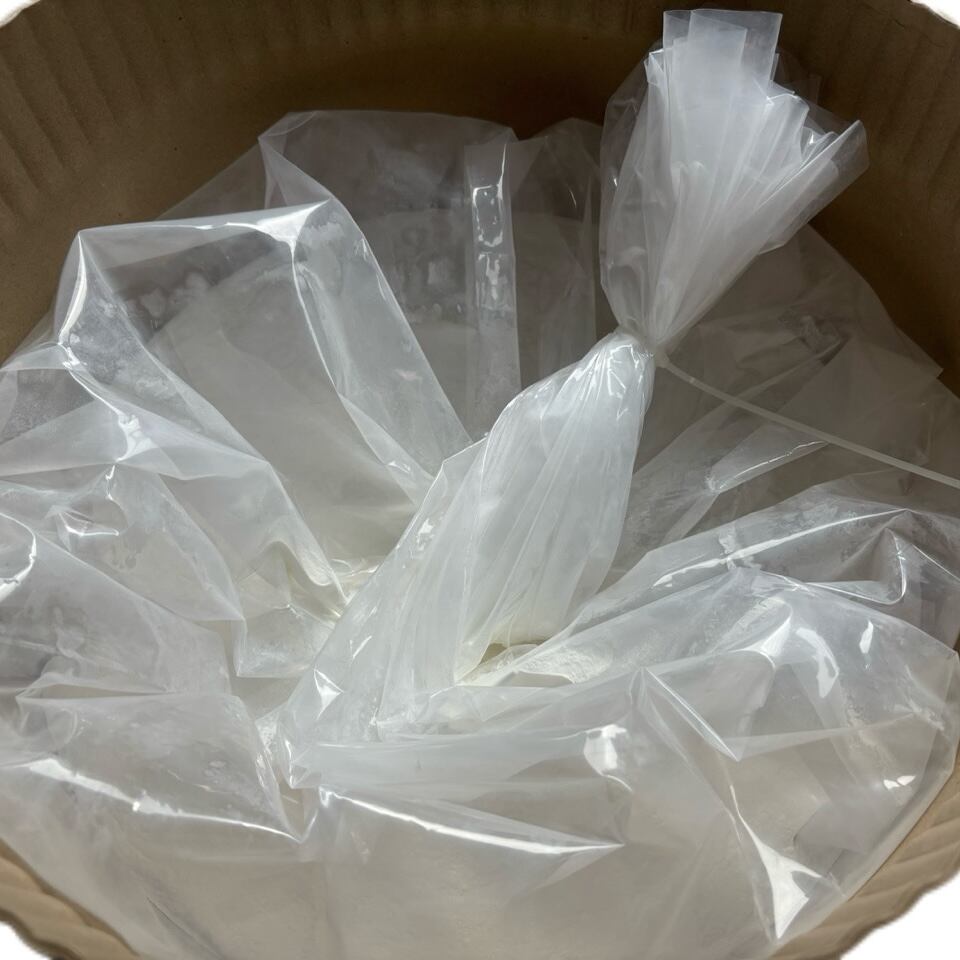
Expanded microspheres for sealants represent a revolutionary advancement in sealing technology, offering superior performance characteristics that transform traditional sealant applications. These microscopic hollow spheres, typically ranging from 10 to 200 micrometers in diameter, are engineered to expand when exposed to heat, creating a lightweight yet robust material structure. The primary function of expanded microspheres for sealants centers on enhancing volume while reducing density, resulting in improved application properties and cost-effectiveness. When incorporated into sealant formulations, these microspheres provide exceptional gap-filling capabilities, ensuring comprehensive coverage in irregular surfaces and hard-to-reach areas. The technological features of expanded microspheres for sealants include controlled expansion ratios, chemical resistance, and thermal stability. These characteristics enable manufacturers to create customized sealant solutions that meet specific performance requirements across diverse industrial applications. The expansion mechanism occurs through thermoplastic shell softening, allowing the encapsulated hydrocarbon to expand and create the desired volume increase. This process is precisely controlled to achieve optimal density reduction without compromising structural integrity. Applications for expanded microspheres for sealants span multiple industries, including automotive, construction, aerospace, and marine sectors. In automotive applications, these microspheres enhance underbody sealants, providing excellent noise dampening and corrosion protection. Construction applications benefit from improved workability and coverage efficiency, particularly in joint sealing and weatherproofing systems. Aerospace applications utilize the lightweight properties to maintain structural integrity while minimizing weight penalties. The versatility of expanded microspheres for sealants extends to specialty applications such as fire-resistant sealants, where the microspheres contribute to intumescent properties. Manufacturing processes incorporate these microspheres through standard mixing equipment, making integration into existing production lines straightforward and cost-effective for sealant manufacturers worldwide.

 EN
EN