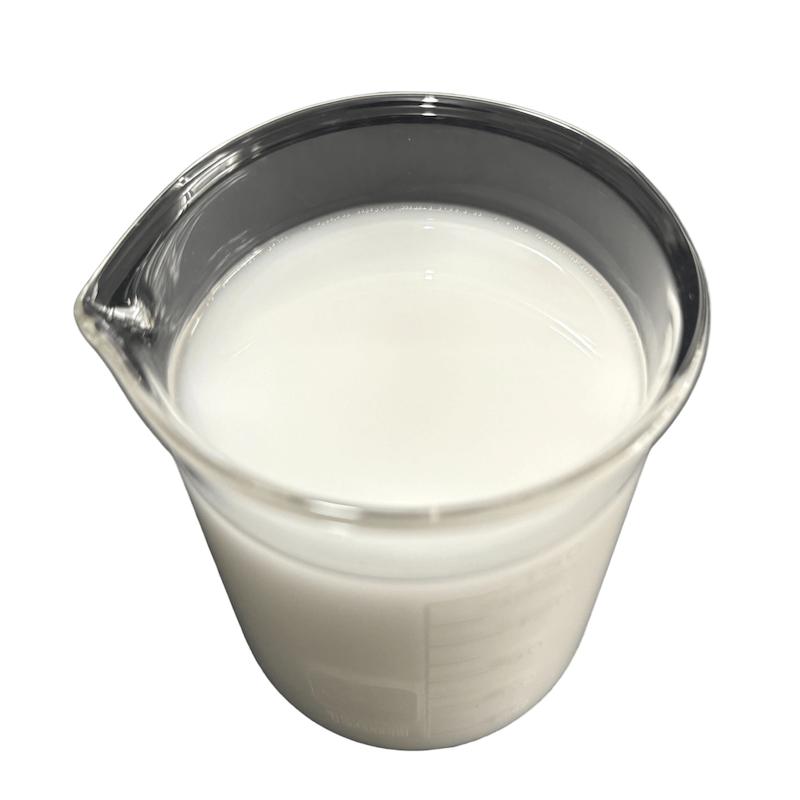
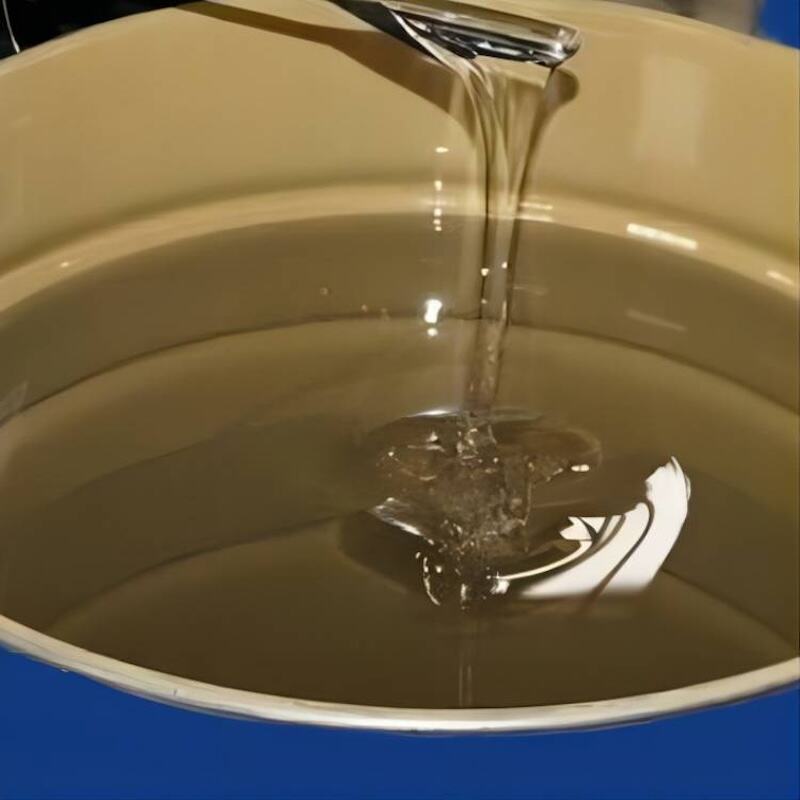
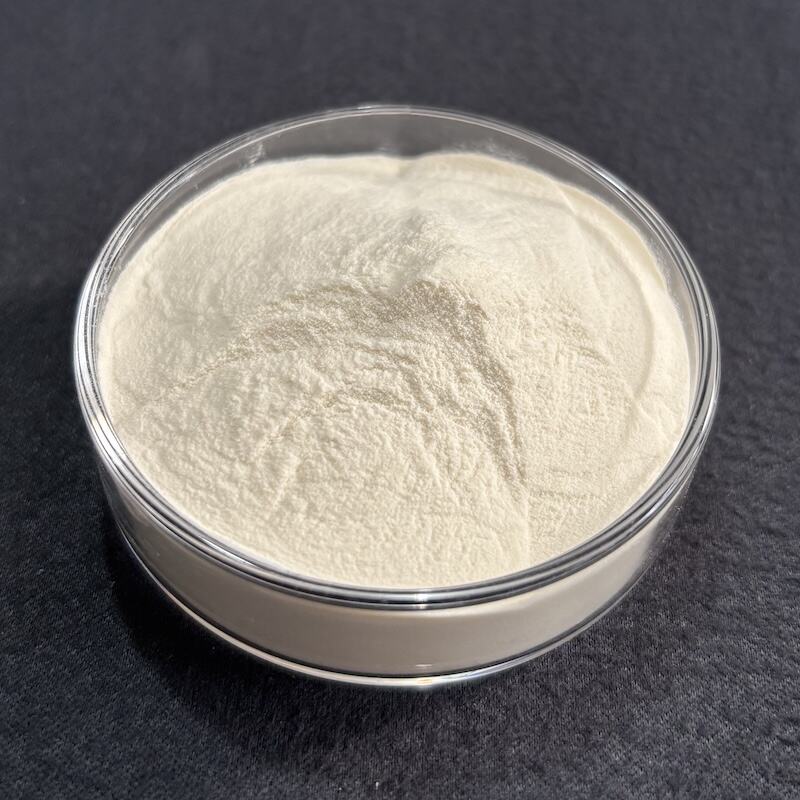
feeling agent for leather
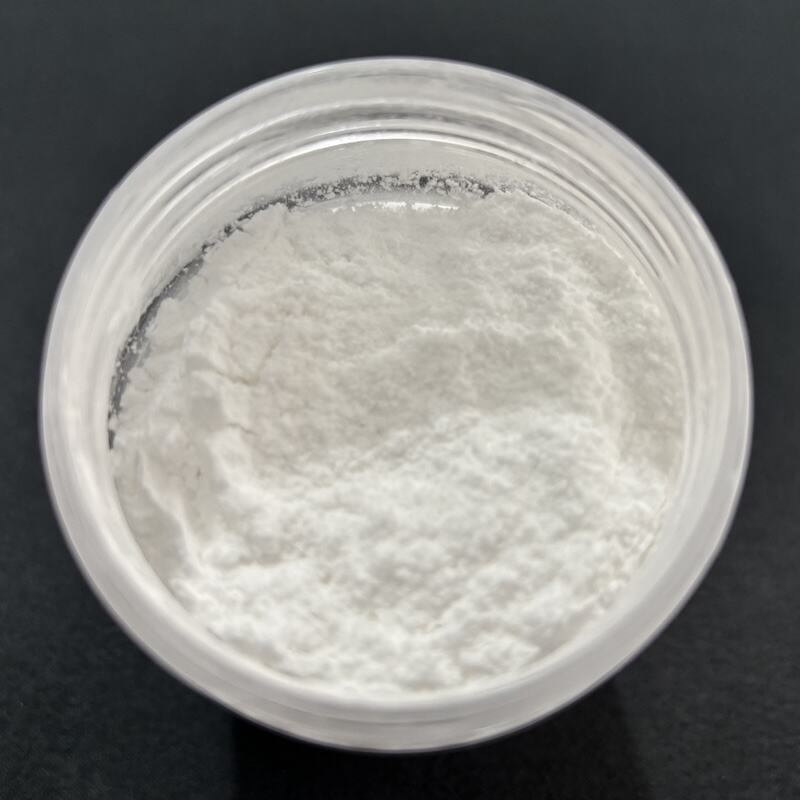
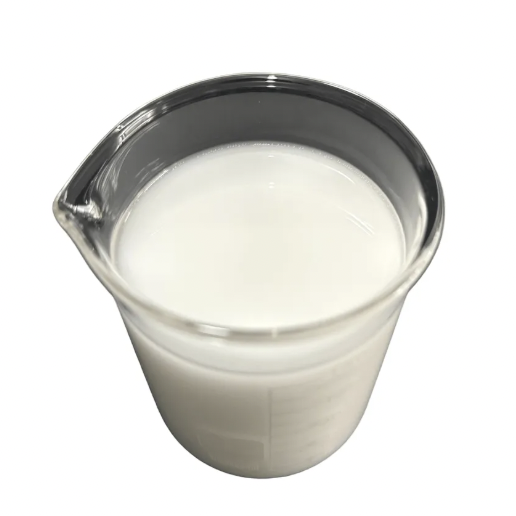
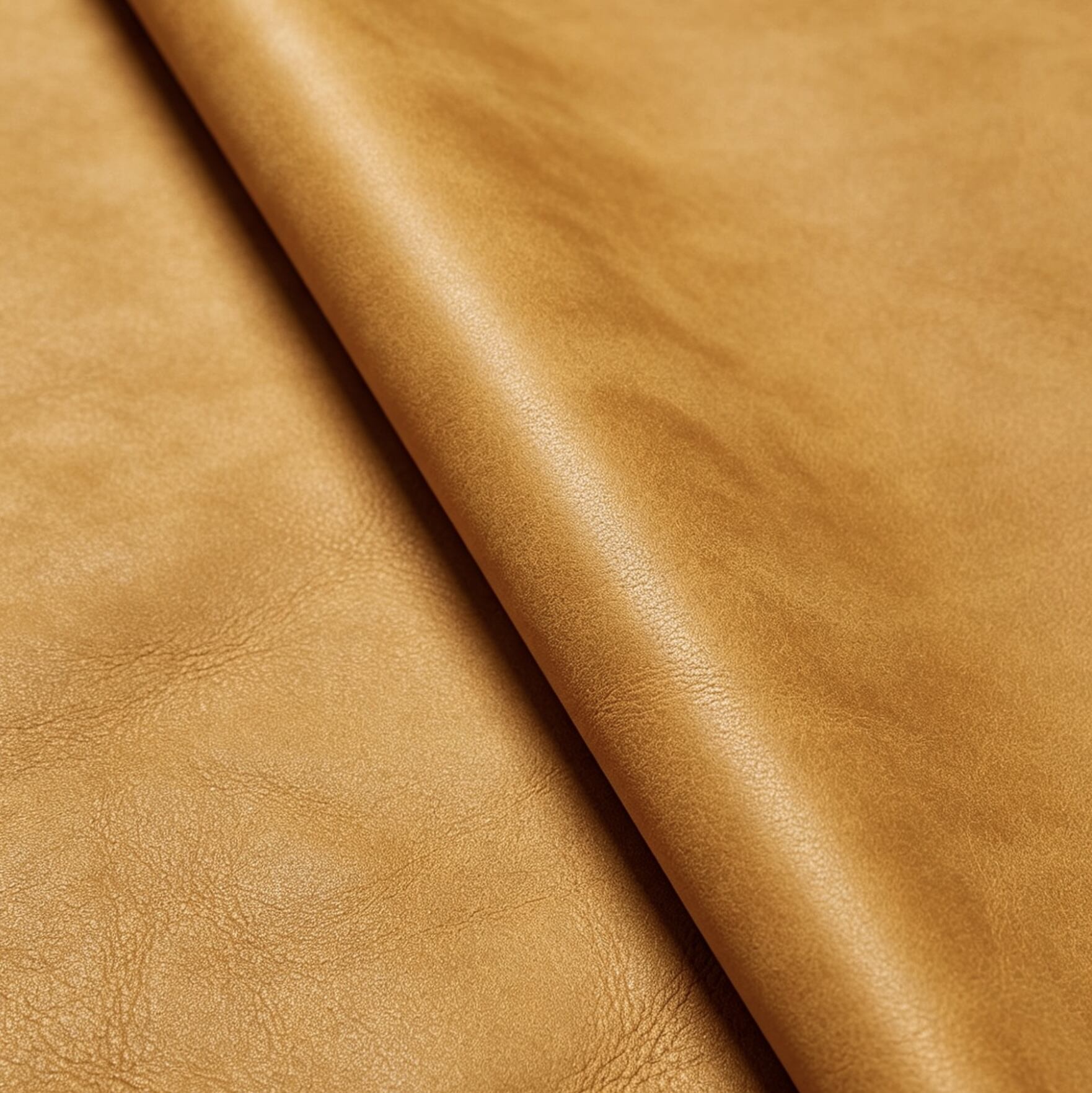
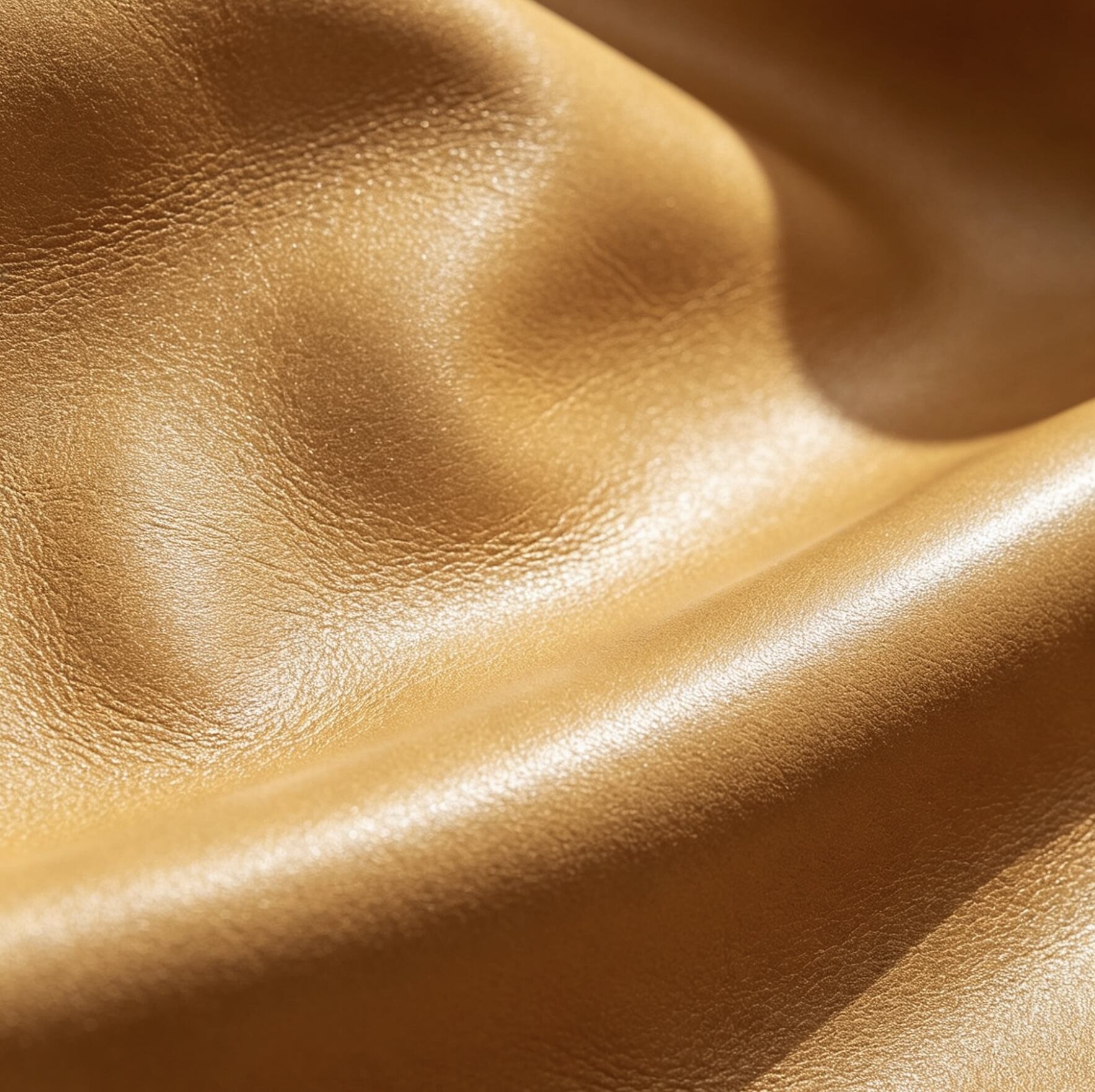
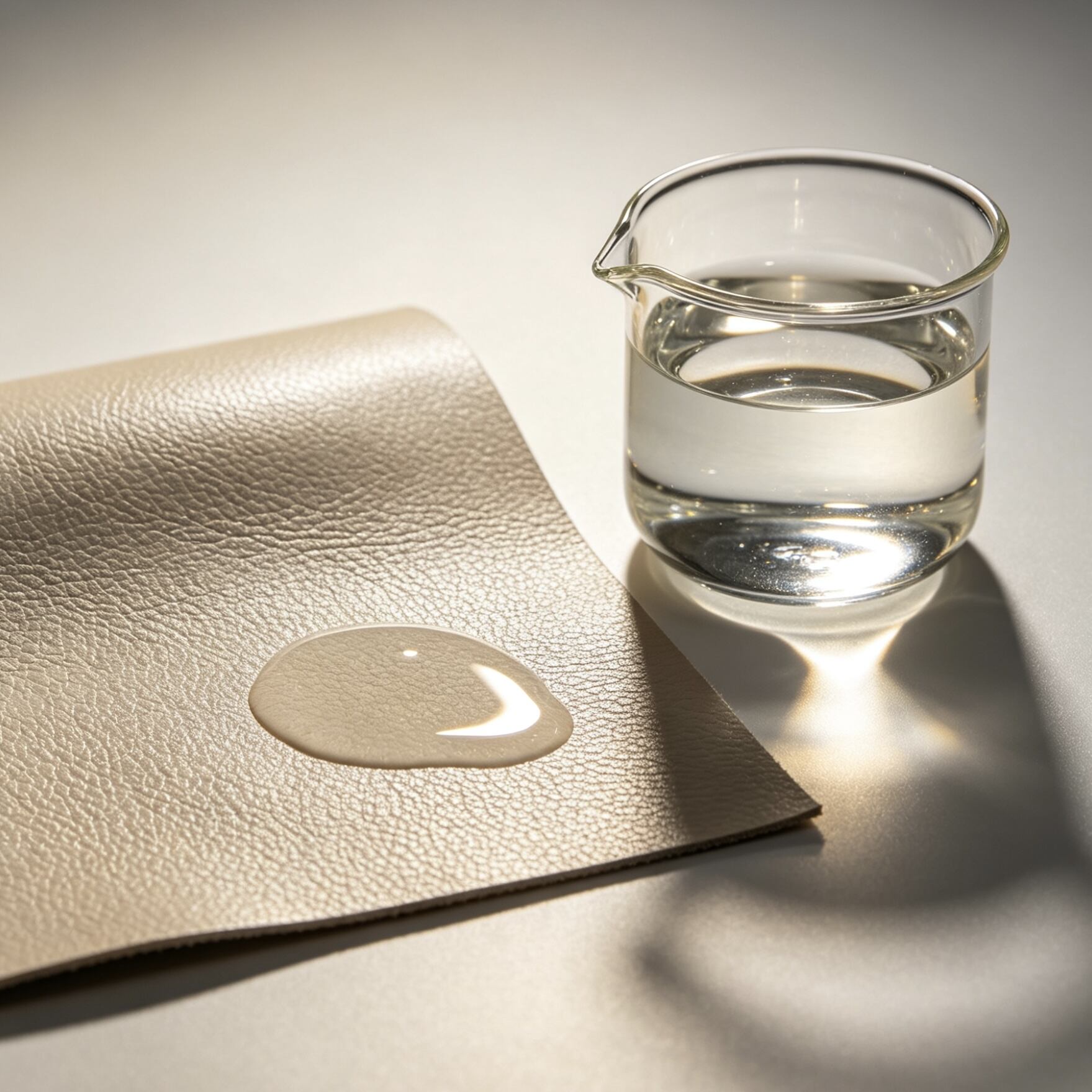
The feeling agent for leather represents a revolutionary chemical treatment solution designed to enhance the tactile properties and overall sensory experience of leather products. This specialized chemical compound works by penetrating deep into the leather fibers, creating microscopic modifications that dramatically improve the material's touch sensation while maintaining its natural characteristics. The feeling agent for leather operates through advanced molecular engineering, targeting the surface structure of leather to achieve optimal softness, smoothness, and flexibility without compromising durability or strength. Modern leather processing industries rely heavily on these sophisticated treatments to meet consumer demands for premium-quality leather goods that deliver exceptional comfort and aesthetic appeal. The primary function of the feeling agent for leather involves restructuring the collagen matrix within leather fibers, allowing for enhanced pliability and reduced stiffness. This process ensures that treated leather maintains its natural breathability while gaining superior handling characteristics that customers value in high-end products. Technological innovation behind the feeling agent for leather incorporates cutting-edge polymer science and biochemistry principles. The formulation typically contains specialized surfactants, conditioning agents, and penetration enhancers that work synergistically to achieve desired results. These components are carefully balanced to ensure compatibility with various leather types, from bovine hides to exotic skins, while preventing any adverse reactions or discoloration. The application process requires precise control of temperature, pH levels, and treatment duration to maximize effectiveness. Industries utilizing the feeling agent for leather span automotive, fashion, furniture, and luxury goods manufacturing. Automotive manufacturers integrate these treatments into seat production to enhance passenger comfort during extended travel periods. Fashion designers depend on feeling agents to create leather garments that feel luxurious against the skin while maintaining structural integrity. Furniture manufacturers apply these solutions to produce upholstery that combines durability with exceptional tactile comfort for long-term satisfaction.

 EN
EN