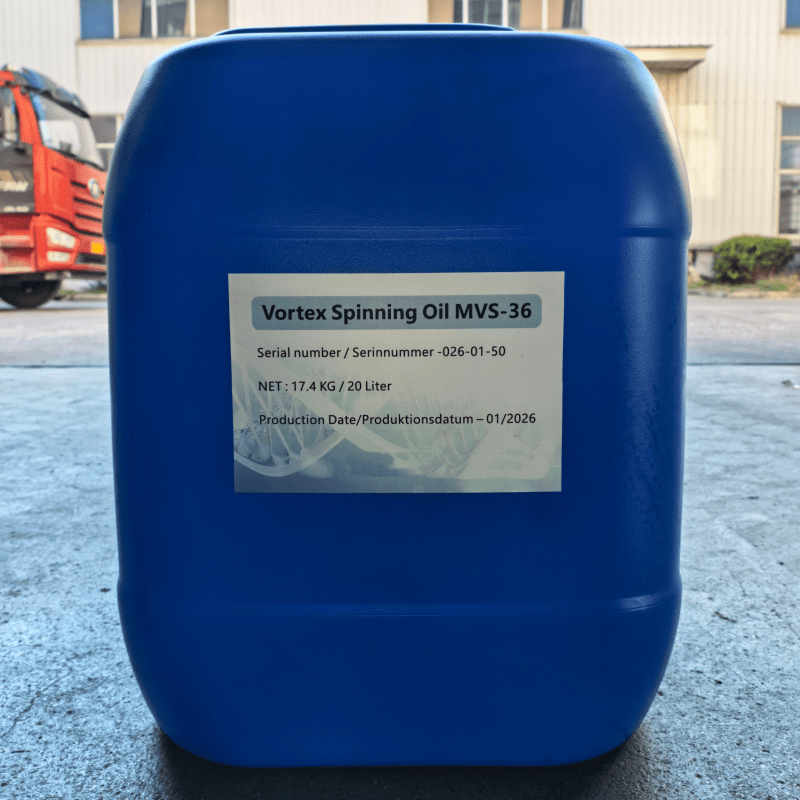
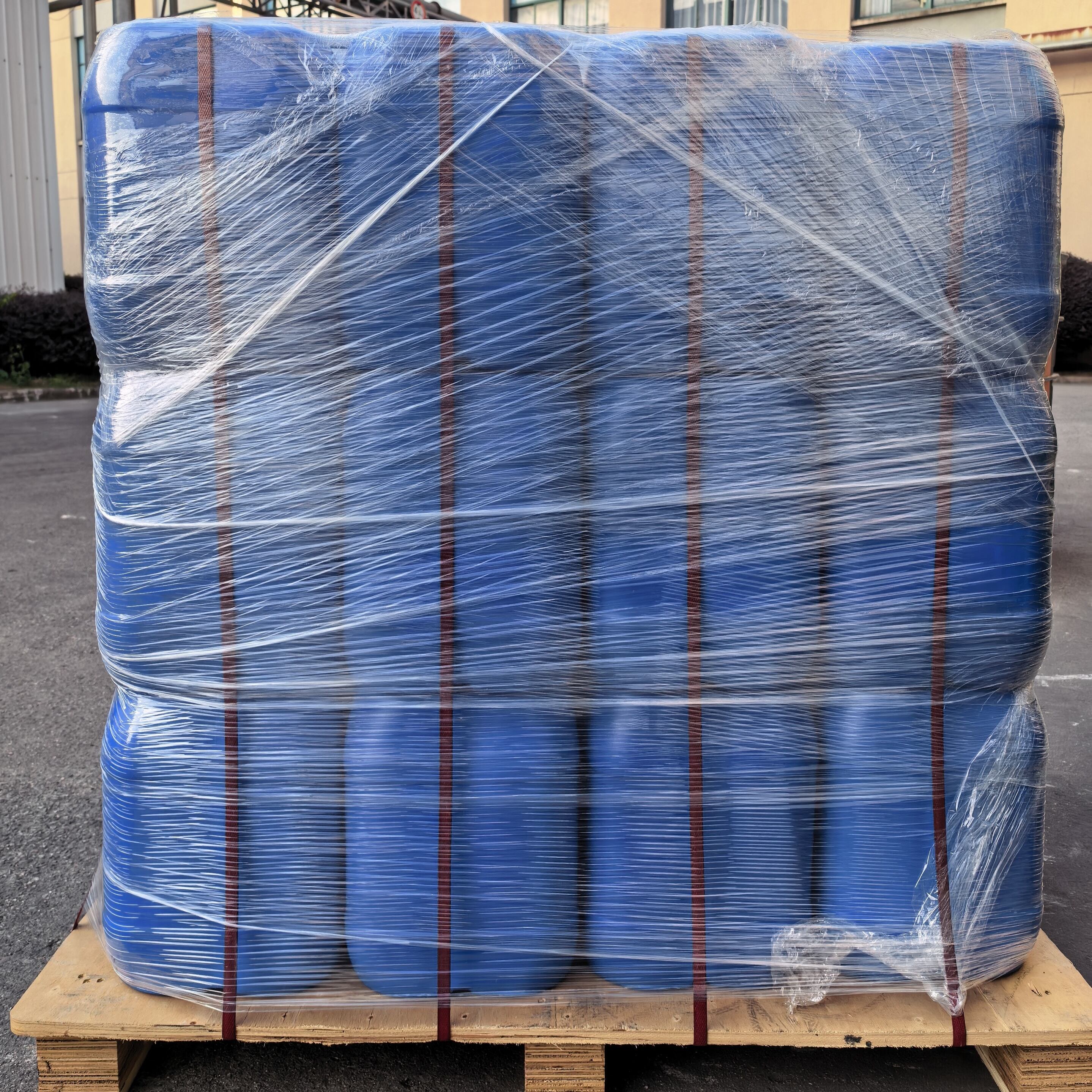
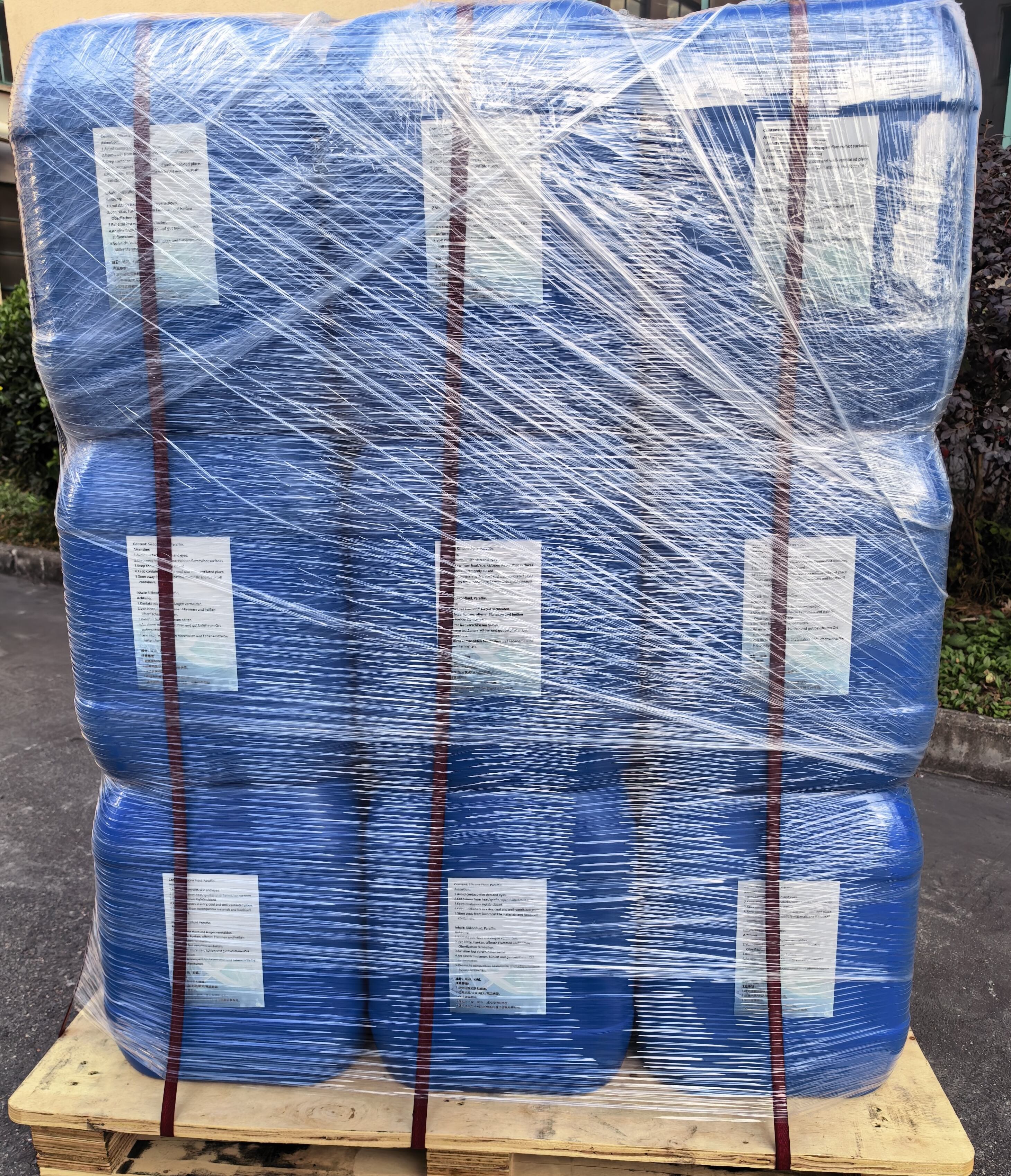
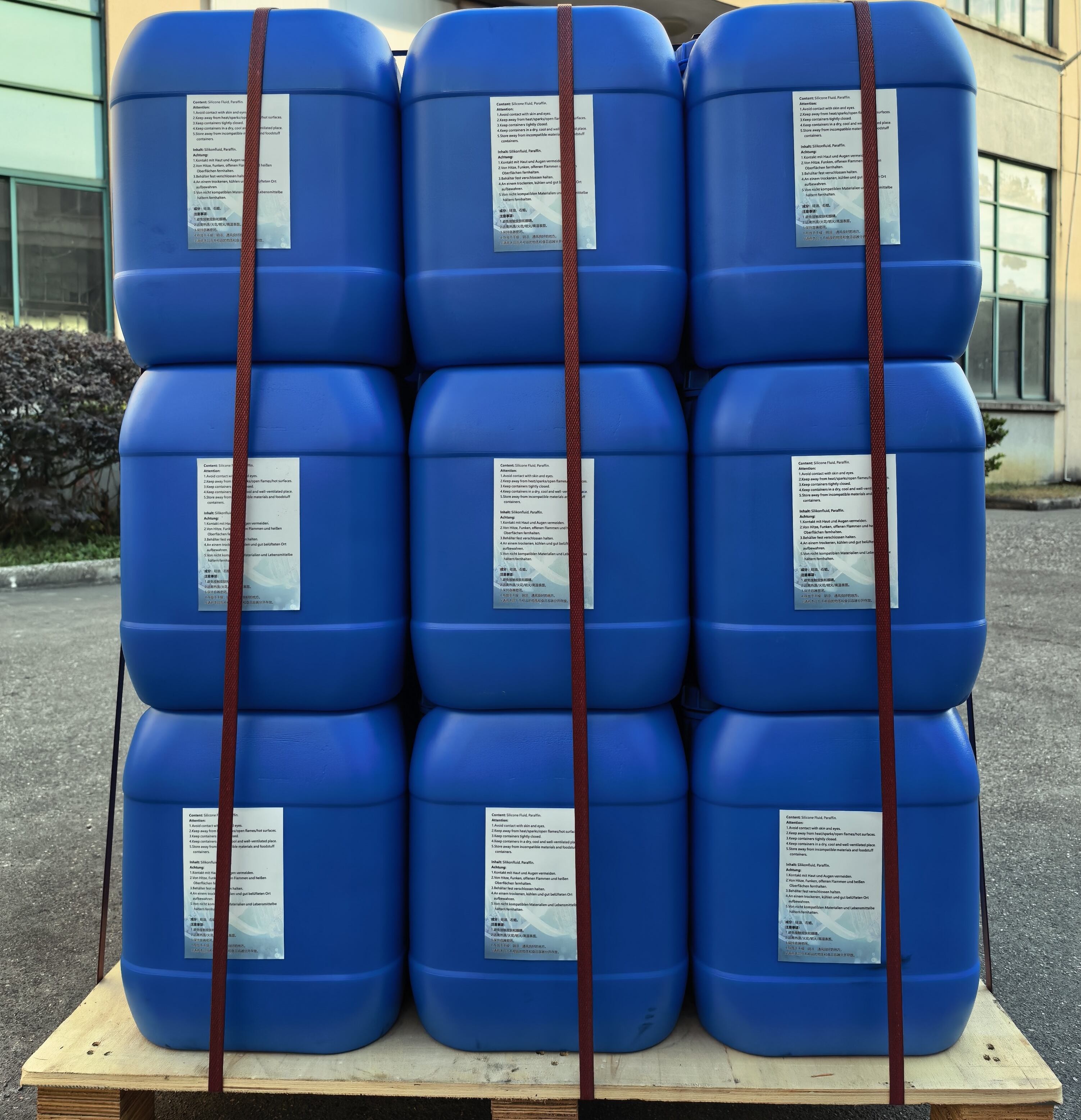
industrial spinning oil
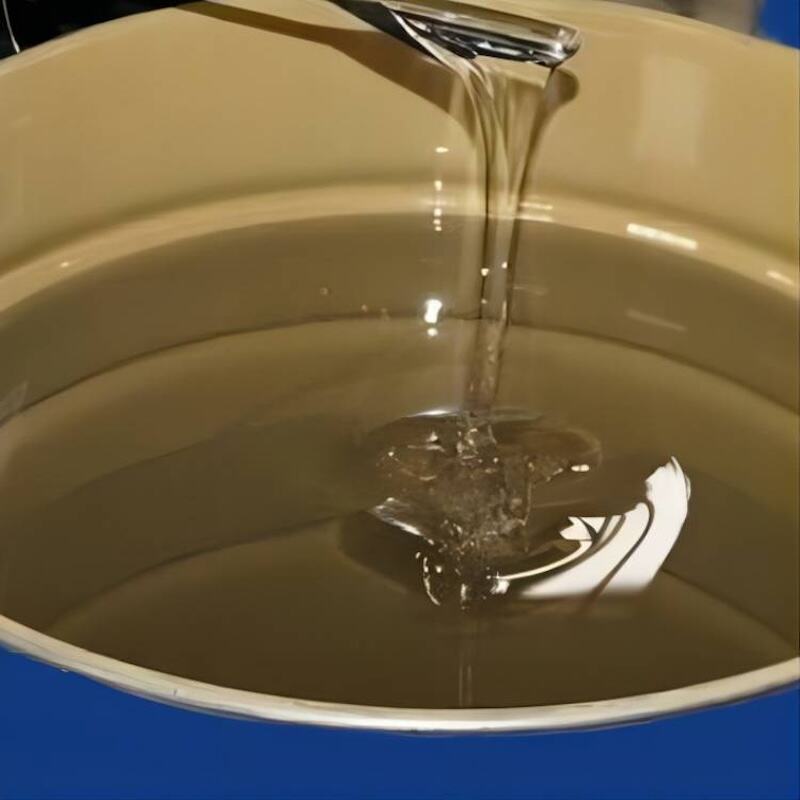
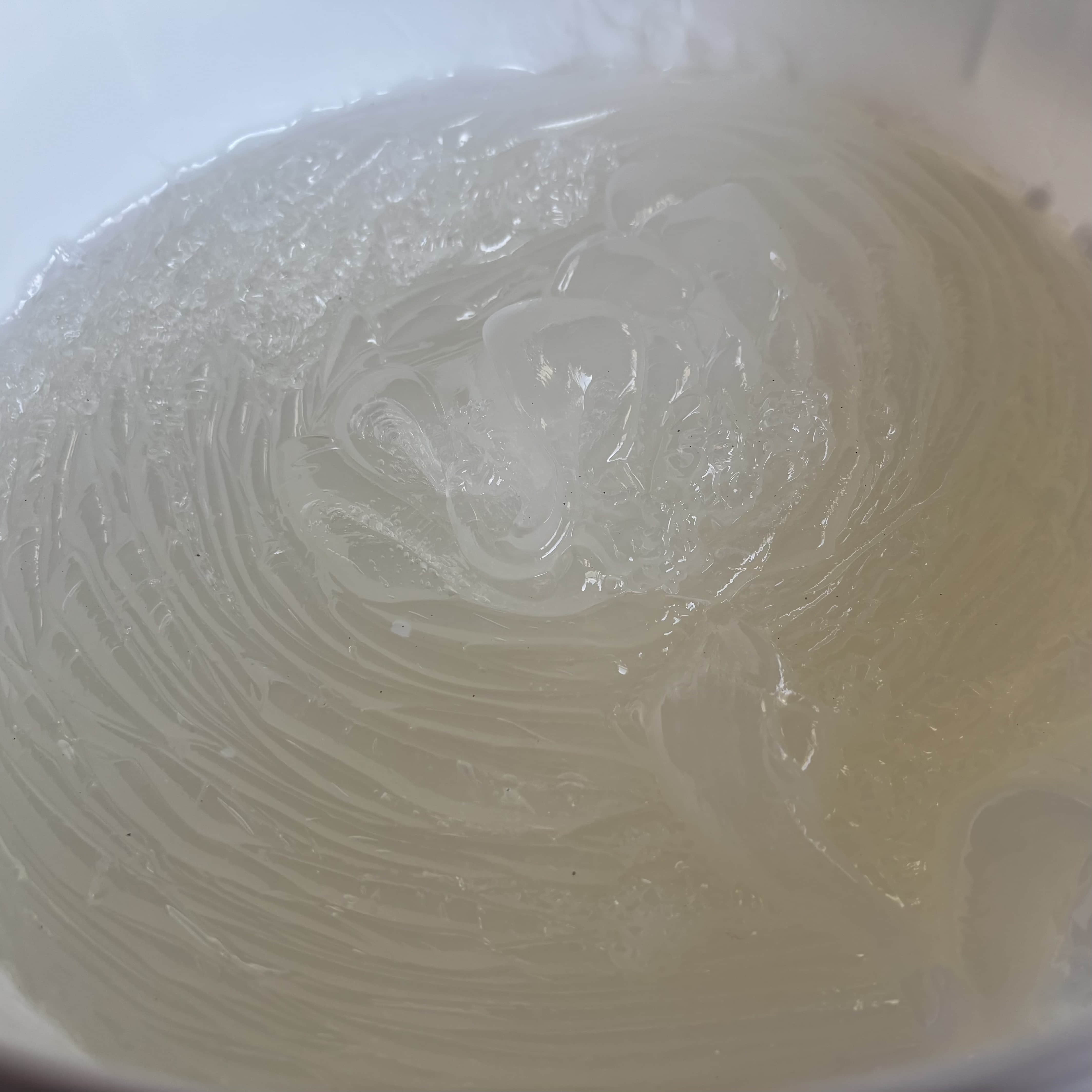
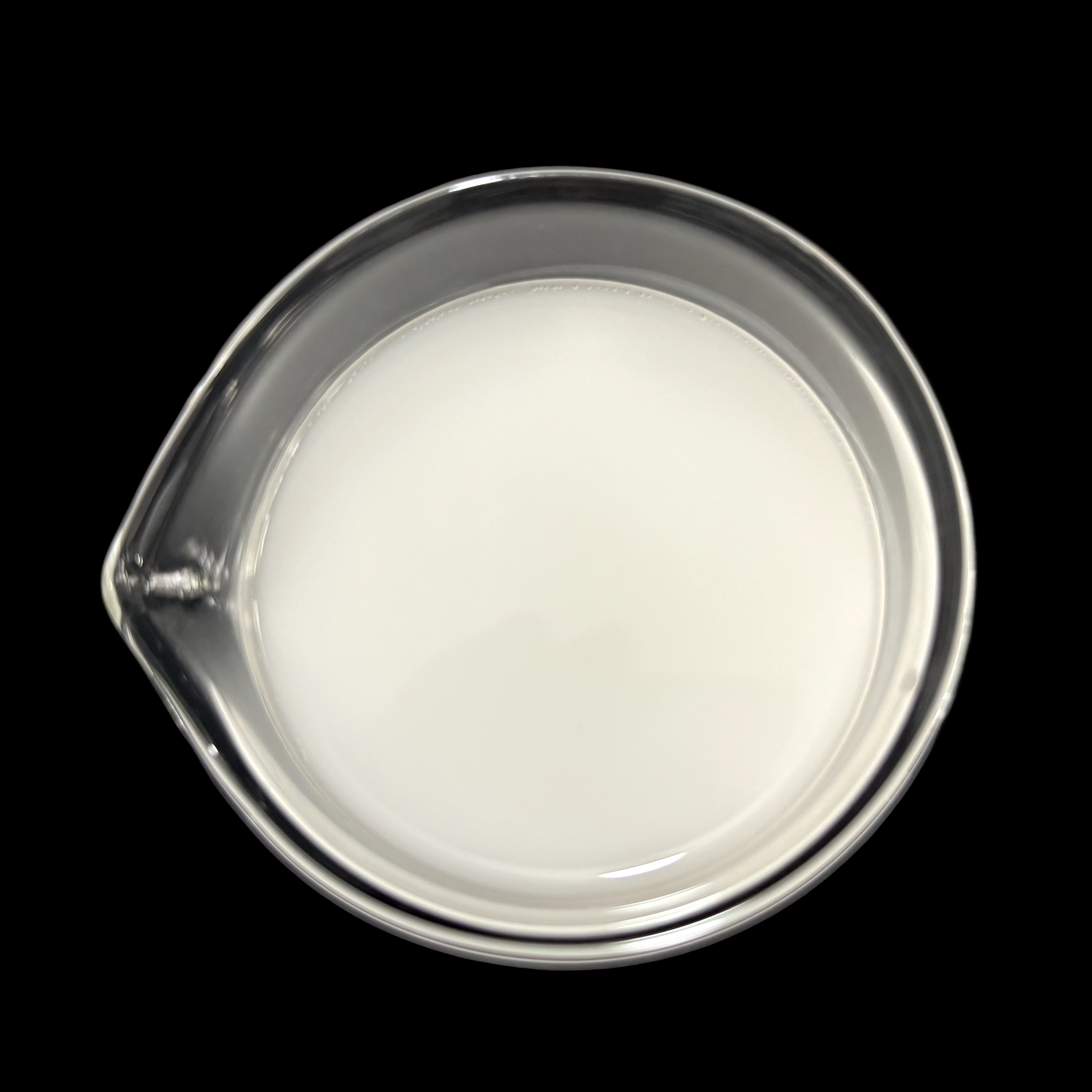
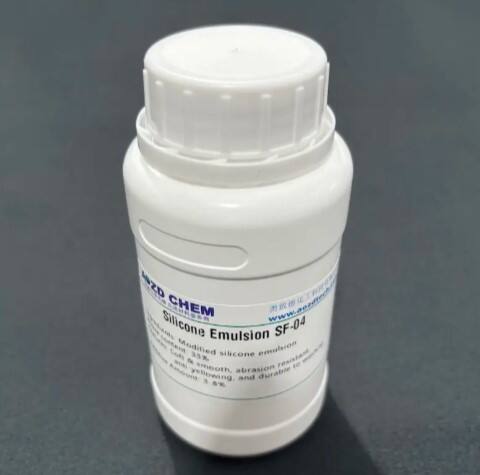
Industrial spinning oil represents a critical component in modern textile manufacturing, serving as a specialized lubricant that ensures optimal performance during the spinning process. This technical fluid is specifically formulated to meet the demanding requirements of high-speed spinning operations, where fibers are transformed into continuous yarns through mechanical processes. The primary function of industrial spinning oil involves reducing friction between moving parts, cooling machinery components, and facilitating smooth fiber processing. During the spinning operation, this specialized oil creates a protective barrier that prevents excessive wear on spindles, bearings, and other mechanical components while maintaining consistent temperature control. The technological features of industrial spinning oil include superior thermal stability, excellent oxidation resistance, and precise viscosity characteristics that remain consistent across varying operating conditions. These properties enable the oil to perform effectively in environments where temperatures can fluctuate significantly and where continuous operation is essential. The formulation typically incorporates advanced additive packages that enhance anti-wear properties, prevent foam formation, and resist contamination from external sources. Applications for industrial spinning oil span across various sectors of textile manufacturing, including cotton spinning, synthetic fiber processing, and blended material production. The oil is utilized in ring spinning frames, rotor spinning machines, and other specialized equipment where precise lubrication is paramount. Different grades of industrial spinning oil are available to accommodate specific machinery requirements, fiber types, and production speeds. The selection process considers factors such as operating temperature ranges, load capacities, and compatibility with existing equipment systems. Quality industrial spinning oil contributes significantly to overall production efficiency by minimizing downtime, reducing maintenance costs, and ensuring consistent yarn quality throughout the manufacturing process.

 EN
EN