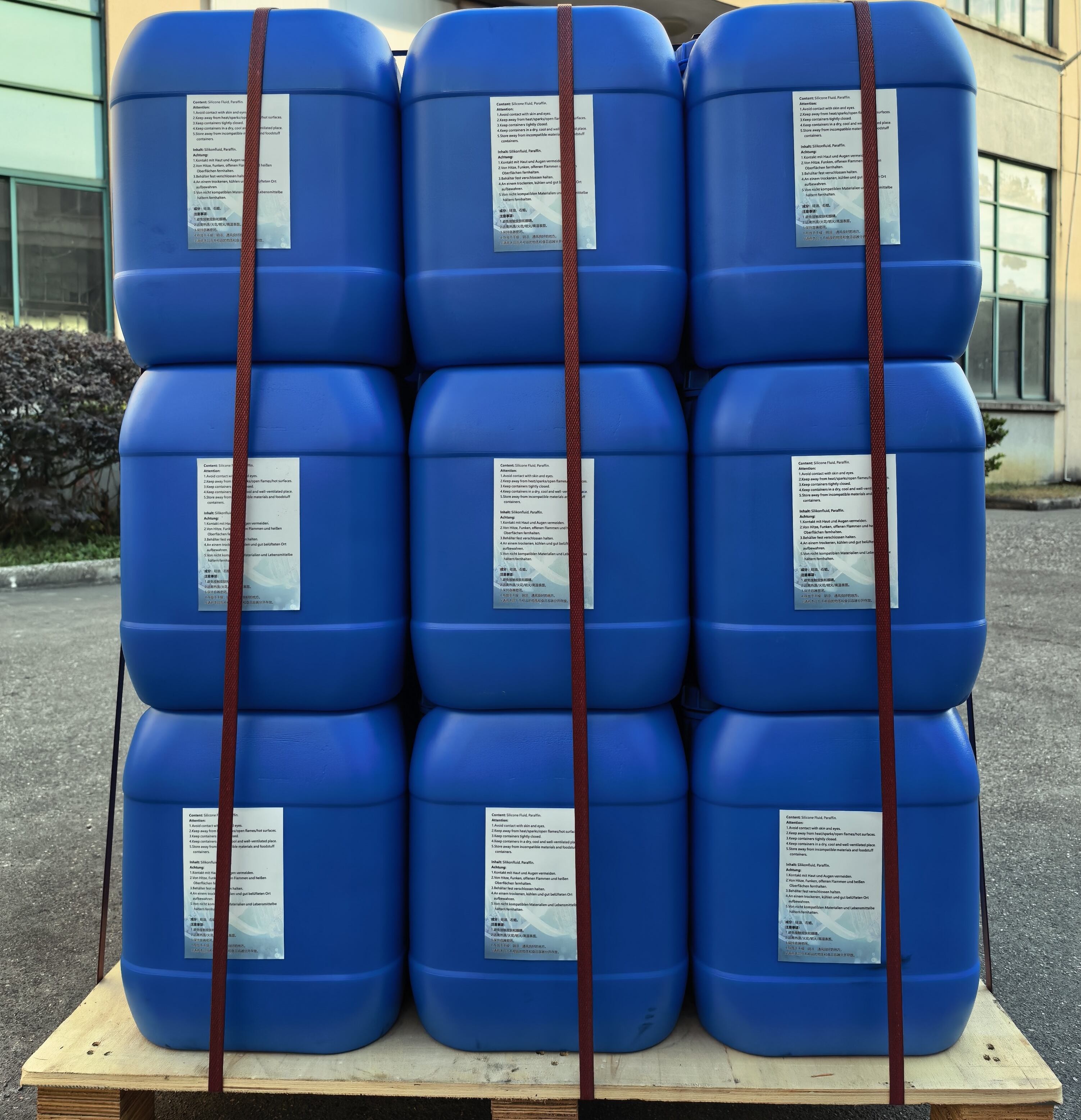
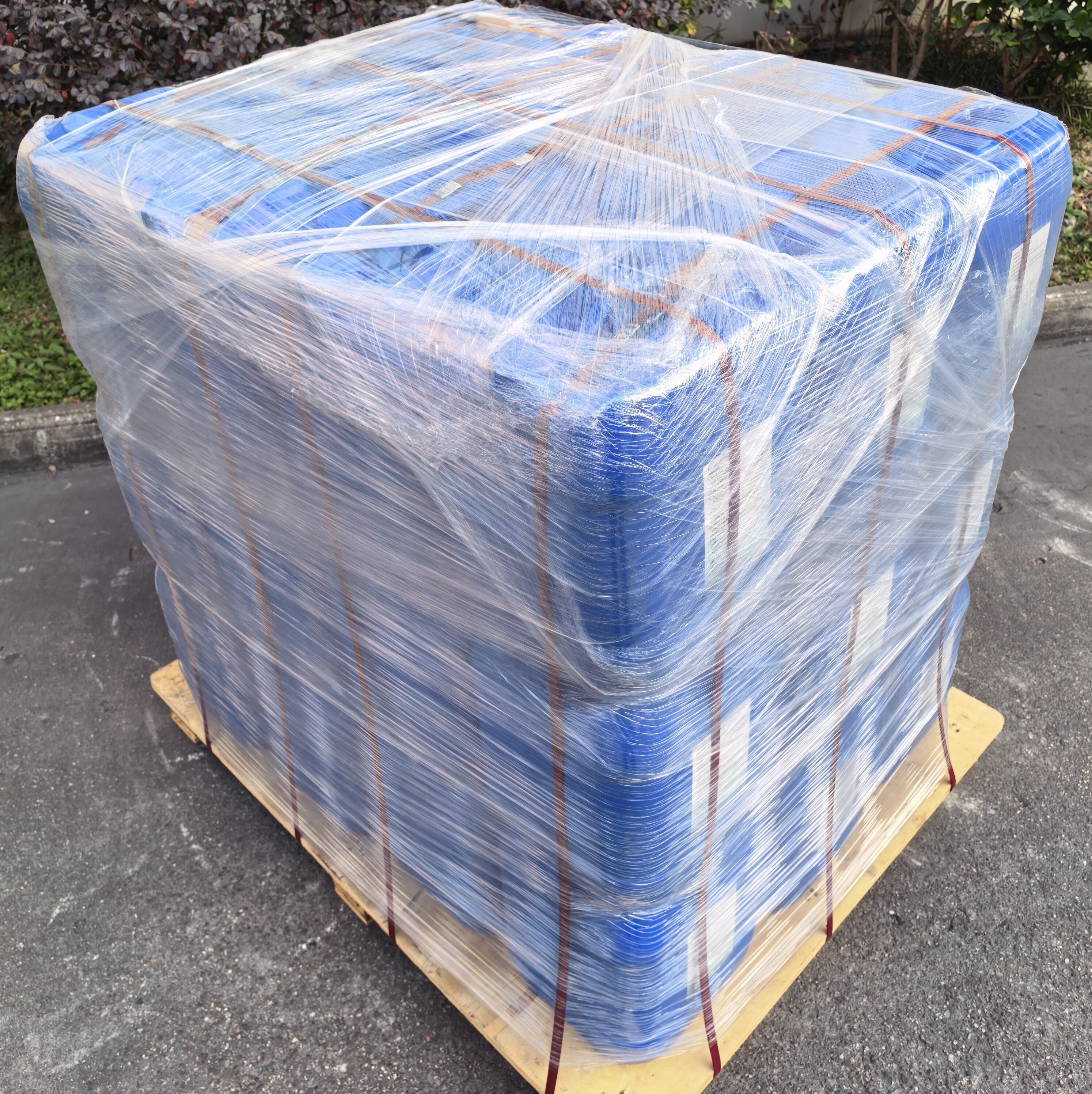
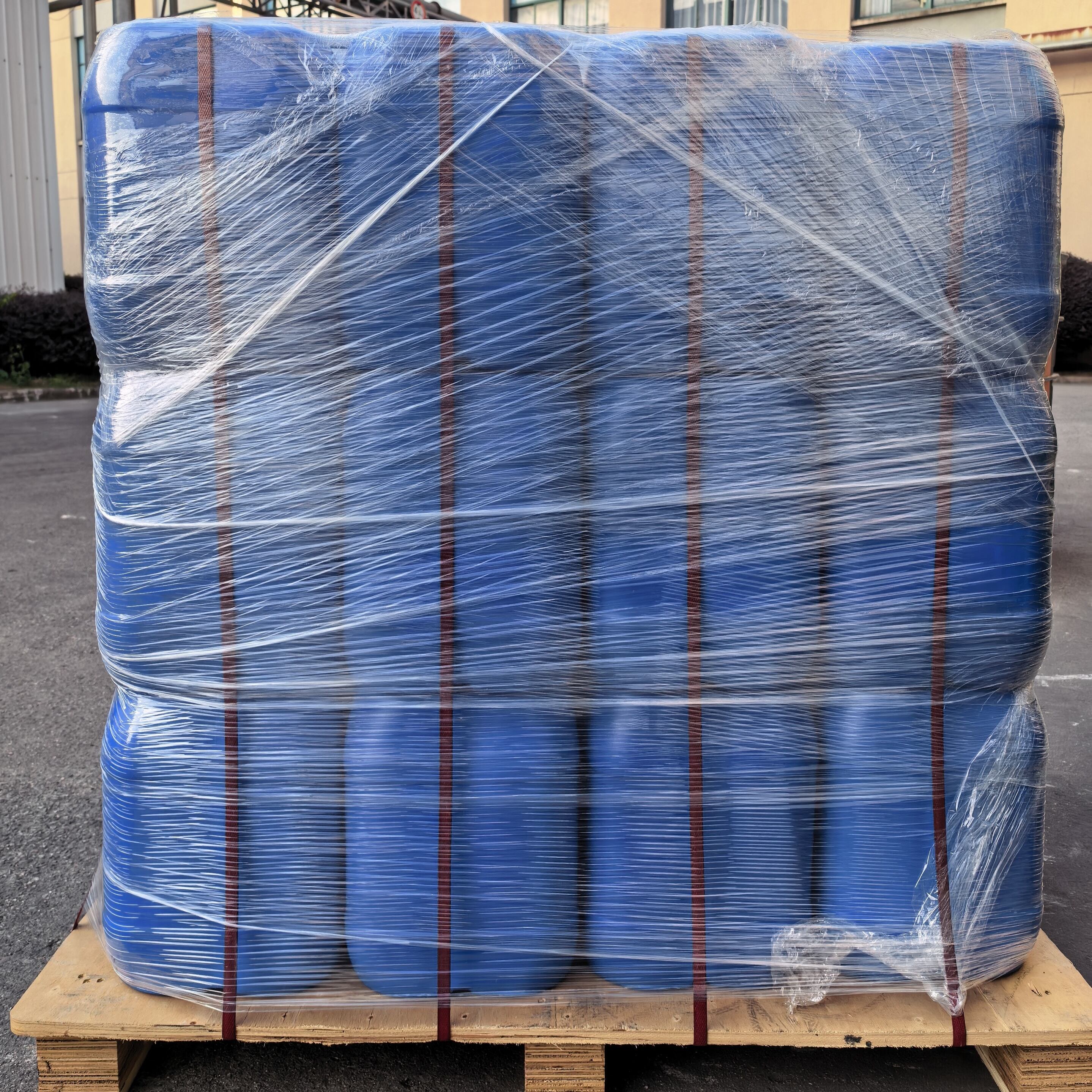
Premium Spinning Oil for Synthetic Fiber Manufacturing - Enhanced Lubrication Solutions

All Categories

Get a Free Quote

Our representative will contact you soon.
Email
Name
Company Name
Whatsapp
Message
0/1000

spinning oil for synthetic fiber

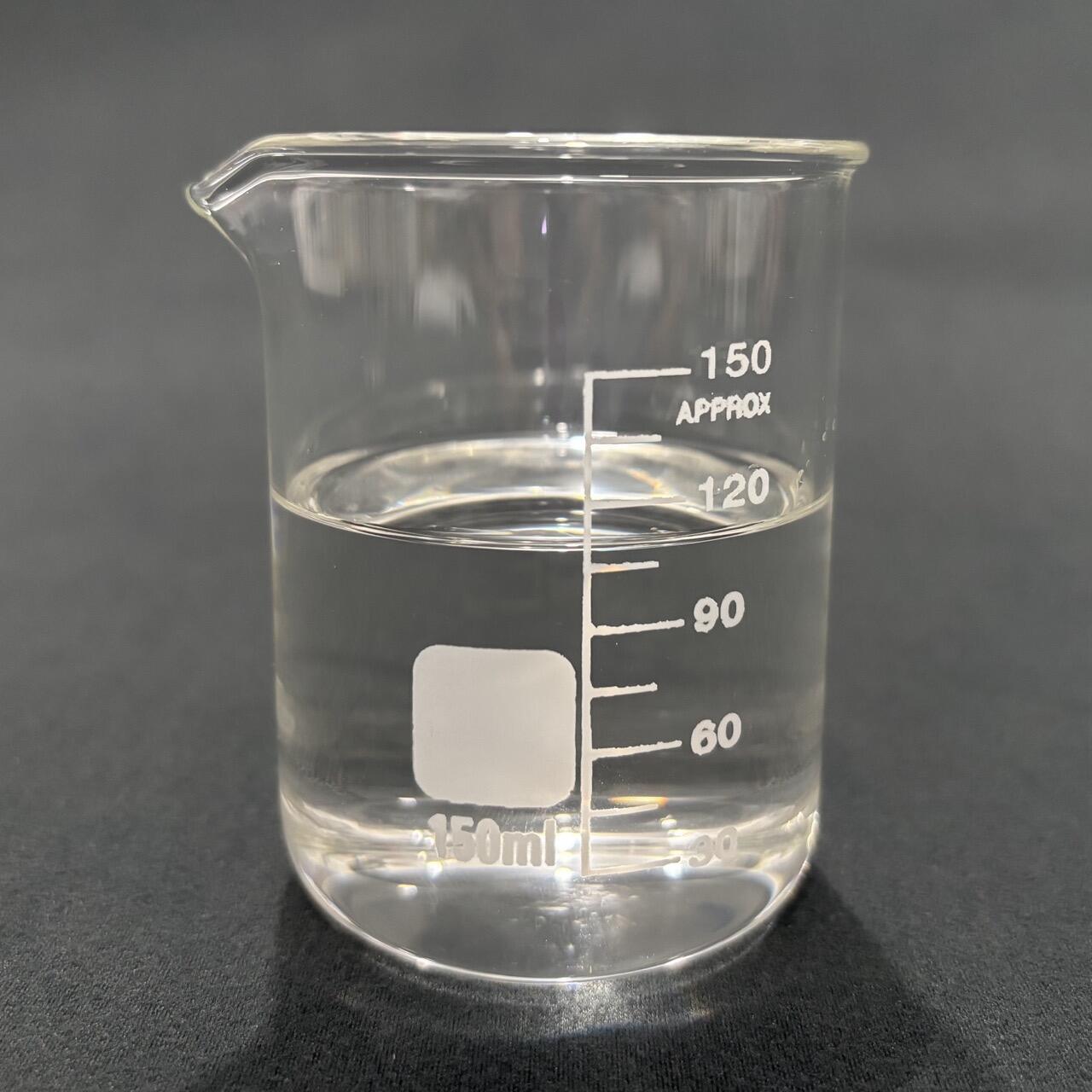
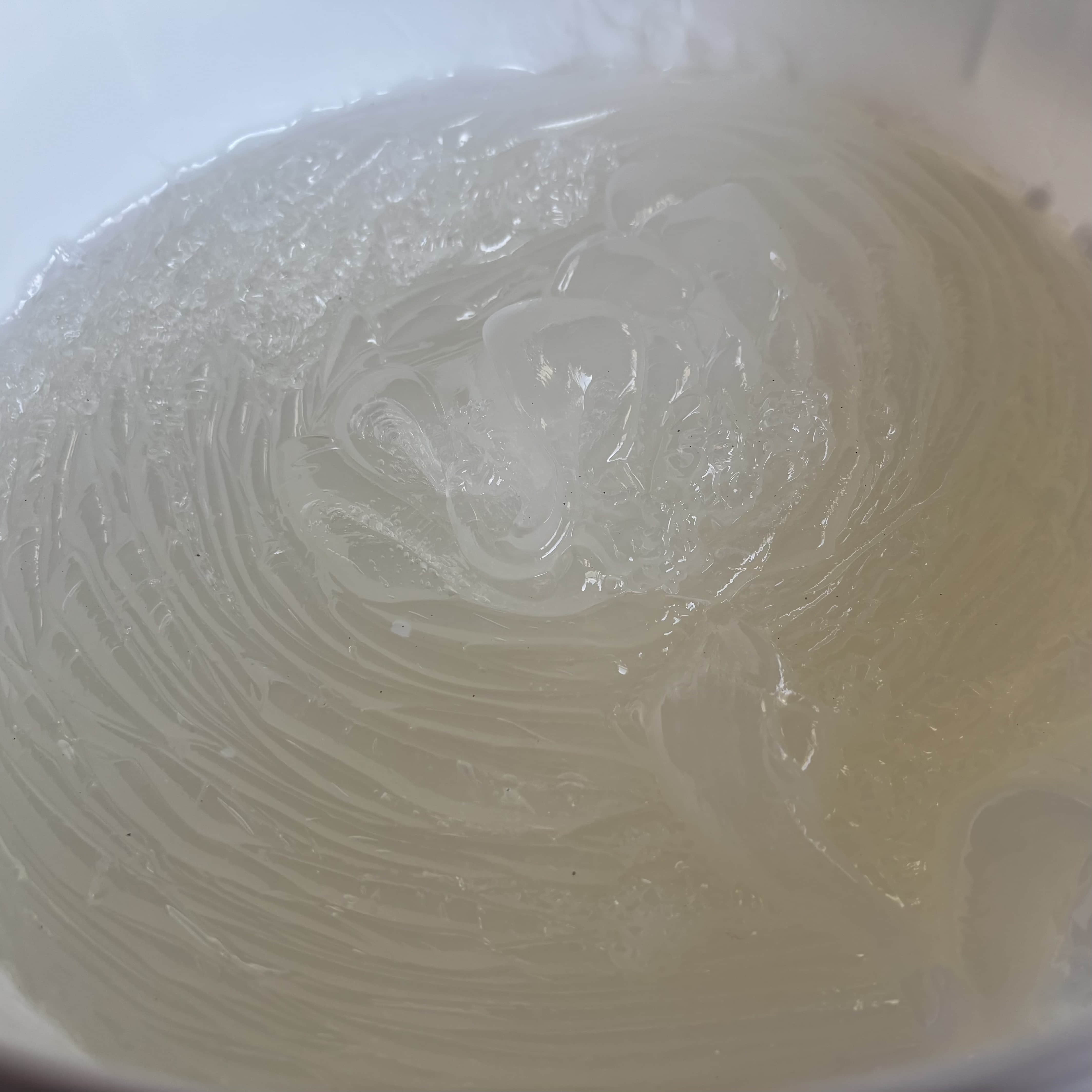
Spinning oil for synthetic fiber represents a critical component in modern textile manufacturing, serving as an essential lubricant and processing aid during the production of artificial fibers. This specialized formulation plays a pivotal role in ensuring smooth fiber formation, optimal processing conditions, and superior end-product quality. The spinning oil for synthetic fiber functions as a multifaceted solution that addresses various challenges encountered during synthetic fiber production, from initial polymer processing to final fiber winding operations. Its primary function involves reducing friction between fibers and processing equipment, which prevents damage to delicate synthetic materials during high-speed manufacturing processes. The technological features of spinning oil for synthetic fiber include advanced lubrication properties, thermal stability under extreme processing temperatures, and chemical compatibility with various synthetic polymer types. These oils are specifically engineered to maintain consistent viscosity across wide temperature ranges, ensuring reliable performance throughout different stages of fiber production. The formulation incorporates anti-static additives that prevent charge buildup during processing, reducing fiber breakage and improving overall production efficiency. Applications of spinning oil for synthetic fiber span across multiple synthetic fiber types, including polyester, nylon, acrylic, and polypropylene fibers. Manufacturing facilities utilize these specialized oils in various production stages, from initial spinning operations to subsequent drawing and texturing processes. The oil's versatility allows manufacturers to adapt processing parameters for different fiber deniers and production speeds while maintaining consistent quality standards. Quality control measures ensure that spinning oil for synthetic fiber meets stringent industry specifications for purity, stability, and performance characteristics. Environmental considerations have led to the development of biodegradable formulations that reduce ecological impact without compromising processing efficiency. The strategic application of spinning oil for synthetic fiber ultimately contributes to enhanced productivity, reduced maintenance costs, and improved fiber quality in synthetic textile manufacturing operations.


Popular Products

The implementation of spinning oil for synthetic fiber delivers numerous tangible benefits that directly impact manufacturing efficiency and product quality. Cost reduction represents one of the most significant advantages, as proper lubrication minimizes equipment wear and extends machinery lifespan. Manufacturers experience decreased maintenance requirements when using high-quality spinning oil for synthetic fiber, resulting in reduced downtime and lower operational expenses. Production speed optimization becomes achievable through enhanced lubrication properties that allow machinery to operate at higher velocities without compromising fiber integrity. The spinning oil for synthetic fiber enables consistent processing conditions that reduce variability in final product characteristics, leading to improved quality control and reduced waste. Energy efficiency improvements occur when friction reduction allows equipment to operate with lower power consumption, contributing to sustainable manufacturing practices. Temperature management benefits arise from the oil's thermal stability properties, which maintain consistent performance across varying processing conditions. Static electricity control represents another crucial advantage, as anti-static formulations prevent charge accumulation that could cause fiber breakage or processing disruptions. Fiber breakage reduction translates to higher yield rates and improved production economics. The spinning oil for synthetic fiber provides superior compatibility with various synthetic materials, allowing manufacturers to process multiple fiber types using the same lubrication system. Cleanup and maintenance procedures become simplified due to the oil's engineered properties that prevent residue buildup on processing equipment. Quality enhancement occurs through improved fiber uniformity, reduced defects, and enhanced surface properties that contribute to superior end-product performance. Storage stability advantages ensure consistent performance over extended periods, reducing inventory management concerns. Environmental benefits emerge from biodegradable formulations that align with sustainability initiatives while maintaining processing effectiveness. Worker safety improvements result from reduced exposure to harmful chemicals and improved handling characteristics. The spinning oil for synthetic fiber offers scalability benefits that accommodate production volume fluctuations without requiring significant operational adjustments. Technical support availability ensures optimal implementation and troubleshooting assistance. Long-term reliability becomes evident through consistent performance metrics and predictable processing outcomes that support production planning and quality assurance programs.

Latest News

Unlocking Potential: The Power of Additives in Modern Manufacturing

26

Nov

Unlocking Potential: The Power of Additives in Modern Manufacturing

Understanding Additives in Modern Manufacturing Additives play a vital role in modern manufacturing processes across various industries. They're basically substances mixed into materials to boost performance in ways the base material just can't do o...
View More
Top 10 FAQs: Everything You Need to Know About Expandable Microspheres

26

Nov

Top 10 FAQs: Everything You Need to Know About Expandable Microspheres

What Are Expandable Microspheres Expandable microspheres stand out as special materials basically made up of tiny hollow balls that get much bigger when they meet heat. What makes them work so well is their clever construction with a thin polymer sh...
View More
How Does Silicone Dispersion Improve Water Resistance in Coatings

02

Dec

How Does Silicone Dispersion Improve Water Resistance in Coatings

Water resistance stands as one of the most critical performance characteristics in modern coating applications across industries ranging from automotive to marine environments. Traditional coatings often struggle to maintain their protective properti...
View More
How Does Silicone Emulsion Interact with Other Leather Chemicals?

08

Jan

How Does Silicone Emulsion Interact with Other Leather Chemicals?

The leather industry relies on complex chemical interactions to achieve desired properties in finished products. Among the various chemicals used in leather processing, silicone emulsion has emerged as a crucial component that significantly impacts t...
View More

Get a Free Quote

Our representative will contact you soon.
Email
Name
Company Name
Whatsapp
Message
0/1000

spinning oil for synthetic fiber

Advanced Lubrication Technology for Maximum Equipment Protection

Advanced Lubrication Technology for Maximum Equipment Protection

The spinning oil for synthetic fiber incorporates cutting-edge lubrication technology that provides exceptional protection for high-speed manufacturing equipment. This advanced formulation utilizes molecular-level engineering to create a protective barrier between moving components, significantly reducing wear and extending equipment lifespan. The sophisticated lubrication system maintains optimal viscosity characteristics across extreme temperature ranges, ensuring consistent performance regardless of processing conditions. Manufacturing facilities benefit from reduced maintenance schedules and lower replacement part costs due to the superior protective properties of this specialized spinning oil for synthetic fiber. The technology addresses the unique challenges of synthetic fiber production, where high-speed operations and precise tolerances demand exceptional lubrication performance. Equipment operators experience smoother operation and reduced vibration levels, contributing to improved working conditions and enhanced productivity. The formulation's stability under thermal stress prevents degradation that could compromise lubrication effectiveness during extended production runs. Quality assurance measures ensure that each batch of spinning oil for synthetic fiber meets stringent performance standards for viscosity, thermal stability, and protective characteristics. The advanced lubrication technology also incorporates corrosion inhibitors that protect metal surfaces from oxidation and chemical attack, further extending equipment service life. Manufacturers report significant reductions in unscheduled maintenance events and emergency repairs when implementing this high-performance spinning oil for synthetic fiber. The technology's compatibility with various equipment materials eliminates concerns about seal degradation or component incompatibility. Performance monitoring capabilities allow operators to track lubrication effectiveness and optimize application rates for maximum efficiency. The investment in advanced lubrication technology pays dividends through improved operational reliability, reduced total cost of ownership, and enhanced production capacity utilization that directly impacts profitability and competitive positioning in the synthetic fiber market.
Superior Fiber Quality Enhancement Through Specialized Formulation

Superior Fiber Quality Enhancement Through Specialized Formulation

The spinning oil for synthetic fiber features a specialized formulation designed to enhance fiber quality characteristics and improve end-product performance. This carefully engineered composition addresses critical factors that influence fiber properties, including surface smoothness, tensile strength, and dimensional stability. The formulation process involves precise selection of base oils and additives that work synergistically to optimize fiber formation and processing conditions. Quality enhancement begins at the molecular level, where the spinning oil for synthetic fiber interacts with polymer chains to facilitate uniform fiber structure development. Manufacturers observe improved fiber uniformity, reduced variation in diameter, and enhanced surface properties that translate to superior textile performance. The specialized formulation prevents fiber damage during high-speed processing operations, maintaining structural integrity that contributes to stronger, more durable end products. Color retention benefits emerge from the oil's ability to prevent oxidation and degradation that could affect dye uptake and fastness properties. The spinning oil for synthetic fiber supports consistent processing conditions that enable precise control over fiber characteristics, allowing manufacturers to meet exact specifications for different applications. Technical laboratories conduct extensive testing to validate the formulation's impact on fiber properties, ensuring that quality improvements are measurable and consistent. The specialized composition includes anti-static agents that prevent charge buildup during processing, reducing fiber breakage and improving handling characteristics. Thermal management properties ensure that fiber structure remains stable during heat-setting operations, contributing to dimensional stability in finished textiles. The spinning oil for synthetic fiber's formulation adapts to various synthetic polymer types, providing versatility for manufacturers processing multiple fiber varieties. Quality control protocols monitor the oil's impact on fiber properties throughout production, ensuring consistent enhancement effects. Research and development efforts continuously refine the formulation to address emerging quality requirements and processing challenges in synthetic fiber manufacturing. The investment in specialized formulation technology delivers measurable improvements in product quality that enhance market competitiveness and customer satisfaction.
Environmental Sustainability and Worker Safety Excellence

Environmental Sustainability and Worker Safety Excellence

The spinning oil for synthetic fiber demonstrates exceptional commitment to environmental sustainability and worker safety through innovative formulation approaches that prioritize ecological responsibility without compromising performance. This environmentally conscious design incorporates biodegradable components that break down naturally, reducing long-term environmental impact while maintaining superior processing capabilities. The sustainable formulation process eliminates harmful chemicals and toxic additives traditionally found in conventional processing oils, creating a safer working environment for manufacturing personnel. Regulatory compliance excellence ensures that the spinning oil for synthetic fiber meets or exceeds international environmental standards and workplace safety requirements. Air quality improvements result from reduced volatile organic compound emissions, contributing to healthier workplace conditions and lower environmental footprint. The biodegradable characteristics facilitate easier waste management and disposal procedures, reducing regulatory compliance costs and environmental liability concerns. Water treatment benefits emerge from the oil's compatibility with standard treatment processes, minimizing impact on wastewater management systems. Worker exposure risks decrease significantly due to the elimination of hazardous ingredients and improved handling characteristics of this advanced spinning oil for synthetic fiber. Training requirements simplify as safety protocols become more straightforward with reduced chemical hazards and improved material safety data sheet specifications. Environmental certification achievements support corporate sustainability initiatives and demonstrate commitment to responsible manufacturing practices. The spinning oil for synthetic fiber contributes to green manufacturing credentials that enhance brand reputation and market positioning. Energy efficiency improvements associated with reduced friction and optimized processing conditions align with carbon footprint reduction goals. Packaging innovations utilize recyclable materials and minimize waste generation throughout the supply chain. Third-party environmental assessments validate the sustainability claims and provide independent verification of environmental benefits. The commitment to environmental excellence extends beyond product formulation to include sustainable sourcing practices and renewable resource utilization where possible. Long-term environmental impact studies demonstrate the positive effects of switching to this environmentally responsible spinning oil for synthetic fiber, supporting corporate environmental reporting and sustainability metrics that stakeholders increasingly demand in today's environmentally conscious market landscape.

Get a Free Quote

Our representative will contact you soon.
Email
Name
Company Name
Whatsapp
Message
0/1000