Premium Leather Feel Modifiers for Synthetic Leather - Enhanced Texture and Durability Solutions

All Categories

Get a Free Quote

Our representative will contact you soon.
Email
Name
Company Name
Whatsapp
Message
0/1000

leather feel modifiers for synthetic leather

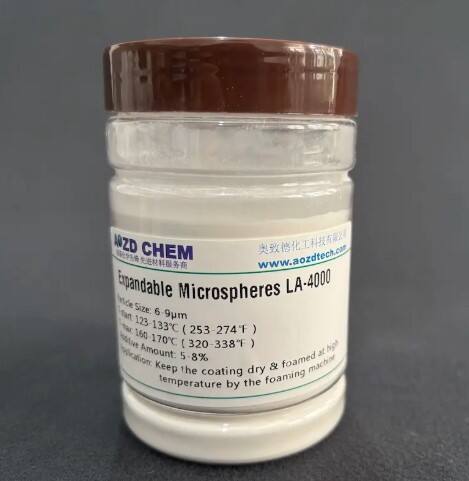
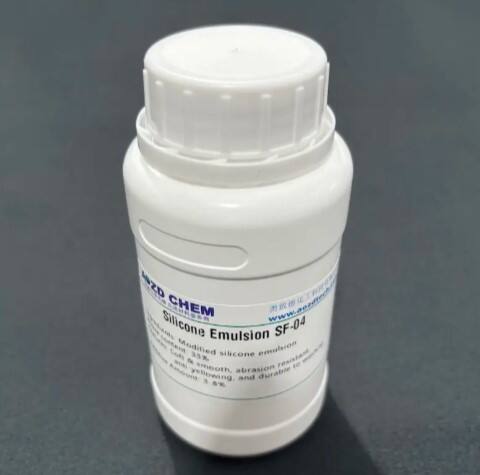
Leather feel modifiers for synthetic leather represent a revolutionary advancement in textile chemistry that transforms ordinary synthetic materials into premium leather-like surfaces. These specialized chemical compounds are engineered to enhance the tactile properties of artificial leather, creating an authentic texture that closely mimics genuine leather's natural characteristics. The primary function of leather feel modifiers for synthetic leather involves altering the surface structure and mechanical properties of polyurethane and PVC-based materials, resulting in improved hand-feel, flexibility, and durability. These modifiers work by penetrating the synthetic substrate and modifying its molecular structure, creating micro-textures that replicate the grain patterns and softness associated with high-quality leather. The technological features of leather feel modifiers for synthetic leather include advanced polymer chemistry that allows for precise control over surface properties such as smoothness, tackiness, and elasticity. Modern formulations incorporate silicone-based compounds, specialty plasticizers, and surface-active agents that work synergistically to achieve desired tactile effects. These modifiers can be applied through various methods including spray coating, roller application, or immersion processes, depending on the specific requirements of the synthetic leather production line. Applications of leather feel modifiers for synthetic leather span numerous industries, with automotive upholstery being a primary market where these products enhance seat covers and interior panels. Fashion accessories, footwear manufacturing, furniture upholstery, and sports equipment also benefit significantly from these innovative modifiers. The versatility of leather feel modifiers for synthetic leather allows manufacturers to customize texture profiles according to specific end-use requirements, whether creating smooth automotive-grade surfaces or textured fashion leather alternatives. Quality leather feel modifiers for synthetic leather also improve the overall performance characteristics of synthetic materials by enhancing tear resistance, reducing surface friction, and improving UV stability, making them essential components in modern synthetic leather production processes.


New Product Recommendations

The implementation of leather feel modifiers for synthetic leather delivers substantial benefits that directly address manufacturing challenges and consumer expectations in today's competitive marketplace. Cost efficiency stands as a primary advantage, as these modifiers enable manufacturers to produce synthetic leather that matches premium leather aesthetics at significantly reduced material costs. Companies utilizing leather feel modifiers for synthetic leather can achieve production cost savings of up to forty percent compared to genuine leather processing while maintaining comparable quality standards. Enhanced durability represents another crucial benefit, as these modifiers strengthen the synthetic substrate and improve resistance to wear, cracking, and environmental degradation. Products treated with quality leather feel modifiers for synthetic leather demonstrate superior longevity in demanding applications such as automotive seating and commercial furniture. The consistency advantage cannot be overlooked, as leather feel modifiers for synthetic leather eliminate the natural variations inherent in animal hides, ensuring uniform quality across entire production runs. This consistency translates to reduced waste, improved manufacturing efficiency, and predictable product performance that genuine leather cannot guarantee. Environmental benefits emerge as increasingly important advantages, as leather feel modifiers for synthetic leather support sustainable manufacturing practices by reducing dependence on animal-derived materials and minimizing chemical processing requirements associated with traditional tanning methods. Customization capabilities offer manufacturers unprecedented flexibility to tailor surface properties according to specific application requirements. Leather feel modifiers for synthetic leather can be formulated to achieve various texture profiles, from smooth automotive-grade finishes to heavily textured fashion leather alternatives, enabling product differentiation and market positioning strategies. Processing advantages include faster production cycles, as synthetic leather treated with these modifiers requires significantly less processing time compared to genuine leather preparation. Quality control becomes more manageable with leather feel modifiers for synthetic leather, as manufacturers can implement consistent application parameters and achieve repeatable results across different production batches. Market responsiveness improves dramatically, as leather feel modifiers for synthetic leather enable rapid prototype development and shorter lead times for new product introductions. These modifiers also provide superior chemical resistance, making treated synthetic leather suitable for applications requiring exposure to cleaning agents, oils, and other potentially damaging substances that might compromise genuine leather integrity.

Tips And Tricks

How Expandable Microspheres Revolutionize Material Science

26

Nov

How Expandable Microspheres Revolutionize Material Science

Understanding Expandable Microspheres in Material Science Expandable microspheres consist of tiny polymer particles capable of expanding when heated. When this happens, it creates materials that weigh less while still providing good insulation again...
View More
Unlocking Versatility: The Power of Silicone Emulsions in Industry

26

Nov

Unlocking Versatility: The Power of Silicone Emulsions in Industry

Understanding Silicone Emulsions Silicone emulsions basically consist of silicone polymers blended with water, making them pretty important across many different industries. We find these emulsions everywhere really, in everything from makeup produc...
View More
How Do Expancel Microspheres Improve Surface Texture

02

Dec

How Do Expancel Microspheres Improve Surface Texture

Surface texture plays a crucial role in determining the performance, aesthetics, and functionality of countless industrial products. From automotive coatings to consumer electronics, the ability to achieve precise surface characteristics can make the...
View More
What Are the Effects of Vortex Spinning Oil on Yarn Smoothness?

08

Jan

What Are the Effects of Vortex Spinning Oil on Yarn Smoothness?

The textile manufacturing industry has witnessed remarkable advancements in spinning technologies, with vortex spinning emerging as a revolutionary method that significantly transforms yarn production. At the heart of this innovative process lies vor...
View More

Get a Free Quote

Our representative will contact you soon.
Email
Name
Company Name
Whatsapp
Message
0/1000

leather feel modifiers for synthetic leather

Advanced Surface Engineering Technology

Advanced Surface Engineering Technology

The sophisticated surface engineering capabilities of leather feel modifiers for synthetic leather represent a breakthrough in material science that fundamentally transforms how synthetic materials interact with human touch. These innovative compounds utilize cutting-edge molecular engineering to create micro-structured surfaces that replicate the complex tactile characteristics of premium leather. The technology behind leather feel modifiers for synthetic leather involves precise manipulation of surface energy, roughness parameters, and elasticity coefficients to achieve authentic leather-like sensations. Advanced formulations incorporate multi-functional additives that work at the molecular level to modify surface properties without compromising the structural integrity of the underlying synthetic substrate. This technological approach enables manufacturers to achieve consistent texture profiles that were previously impossible with conventional synthetic leather processing methods. The engineering precision of modern leather feel modifiers for synthetic leather allows for customization of specific tactile attributes, including surface smoothness, grip characteristics, and thermal conductivity properties that influence user comfort and satisfaction. Research and development in leather feel modifiers for synthetic leather continues to push boundaries, with recent innovations focusing on biomimetic surface structures that closely replicate the natural grain patterns found in premium animal hides. These technological advancements enable synthetic leather manufacturers to produce materials that not only look like genuine leather but also provide authentic tactile experiences that satisfy even discerning consumers. Quality assurance protocols for leather feel modifiers for synthetic leather incorporate sophisticated testing methodologies that measure surface properties using standardized tactile assessment techniques, ensuring consistent performance across different production environments. The implementation of advanced surface engineering technology through leather feel modifiers for synthetic leather also enhances secondary properties such as stain resistance, cleanability, and anti-microbial characteristics that extend product lifespan and improve user experience in demanding applications.
Versatile Application Compatibility

Versatile Application Compatibility

The exceptional versatility of leather feel modifiers for synthetic leather makes them invaluable across diverse manufacturing sectors, providing unprecedented flexibility in material design and application development. These modifiers demonstrate remarkable compatibility with various synthetic leather substrates, including polyurethane-based materials, PVC compositions, and advanced polymer blends used in specialized applications. The adaptability of leather feel modifiers for synthetic leather extends to different production methods, whether manufacturers utilize traditional coating processes, advanced spraying techniques, or innovative immersion systems. This compatibility ensures that existing production facilities can integrate these modifiers without requiring extensive equipment modifications or significant capital investments. Automotive applications showcase the versatility of leather feel modifiers for synthetic leather, where these products enhance seat covers, dashboard panels, steering wheel wraps, and door trim components to meet stringent durability and aesthetic requirements. Fashion industry applications demonstrate another dimension of versatility, as leather feel modifiers for synthetic leather enable designers to create handbags, shoes, belts, and apparel with authentic leather aesthetics while maintaining ethical and sustainable production practices. Furniture manufacturers benefit from the versatility of leather feel modifiers for synthetic leather through improved upholstery options that provide luxury appearance and enhanced durability for both residential and commercial applications. Sports equipment manufacturers utilize these modifiers to enhance synthetic leather components in athletic shoes, protective gear, and sporting goods where performance and comfort are paramount considerations. The chemical compatibility of leather feel modifiers for synthetic leather with various adhesives, dyes, and finishing agents enables complex multi-step processing without compromising final product quality. Temperature stability ensures that products treated with leather feel modifiers for synthetic leather maintain consistent properties across wide operating temperature ranges, making them suitable for both indoor and outdoor applications. Quality control procedures for leather feel modifiers for synthetic leather can be standardized across different application sectors, reducing training requirements and ensuring consistent results regardless of the specific end-use application.
Enhanced Performance and Durability Benefits

Enhanced Performance and Durability Benefits

The performance enhancement capabilities of leather feel modifiers for synthetic leather deliver measurable improvements in product longevity, user satisfaction, and overall value proposition that significantly exceed conventional synthetic leather treatments. These advanced modifiers create robust surface layers that resist common failure modes including cracking, peeling, and surface degradation that typically plague untreated synthetic materials. Accelerated aging tests demonstrate that synthetic leather treated with quality leather feel modifiers for synthetic leather maintains aesthetic and functional properties significantly longer than conventional alternatives, with some formulations showing performance improvements exceeding two hundred percent in standardized durability assessments. Mechanical property enhancements represent a critical performance benefit, as leather feel modifiers for synthetic leather improve tensile strength, tear resistance, and flex fatigue characteristics that determine product reliability in demanding applications. These improvements translate directly to enhanced user experience through materials that maintain their appearance and functionality throughout extended service lives. Chemical resistance properties improve dramatically with proper application of leather feel modifiers for synthetic leather, enabling treated materials to withstand exposure to cleaning agents, automotive fluids, and environmental contaminants that would otherwise cause premature degradation. UV stability enhancement protects synthetic leather products from sun-induced fading and brittleness, making them suitable for outdoor applications and automotive interiors where light exposure presents ongoing challenges. Thermal stability improvements ensure that leather feel modifiers for synthetic leather maintain consistent performance across wide temperature ranges, from sub-zero conditions to elevated temperatures encountered in automotive and industrial applications. Abrasion resistance increases substantially with these modifiers, as treated surfaces demonstrate superior wear characteristics under repeated contact and friction conditions. Maintenance requirements decrease significantly for products enhanced with leather feel modifiers for synthetic leather, as improved surface properties reduce dirt accumulation and simplify cleaning procedures. Long-term cost benefits emerge from these performance improvements, as enhanced durability reduces replacement frequency and maintenance costs throughout the product lifecycle. Quality assurance testing for leather feel modifiers for synthetic leather includes comprehensive performance validation that ensures treated materials meet or exceed industry standards for durability, safety, and environmental resistance.

Get a Free Quote

Our representative will contact you soon.
Email
Name
Company Name
Whatsapp
Message
0/1000