leather finishing chemicals for gloss control
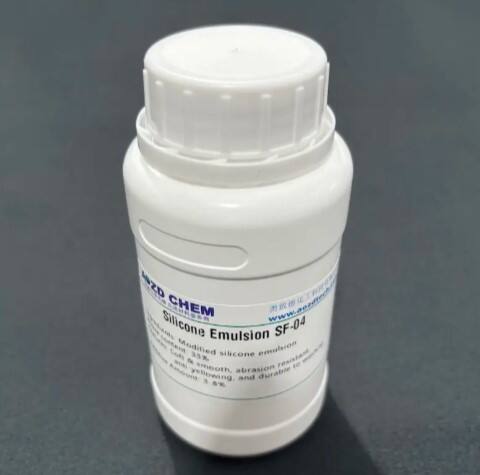
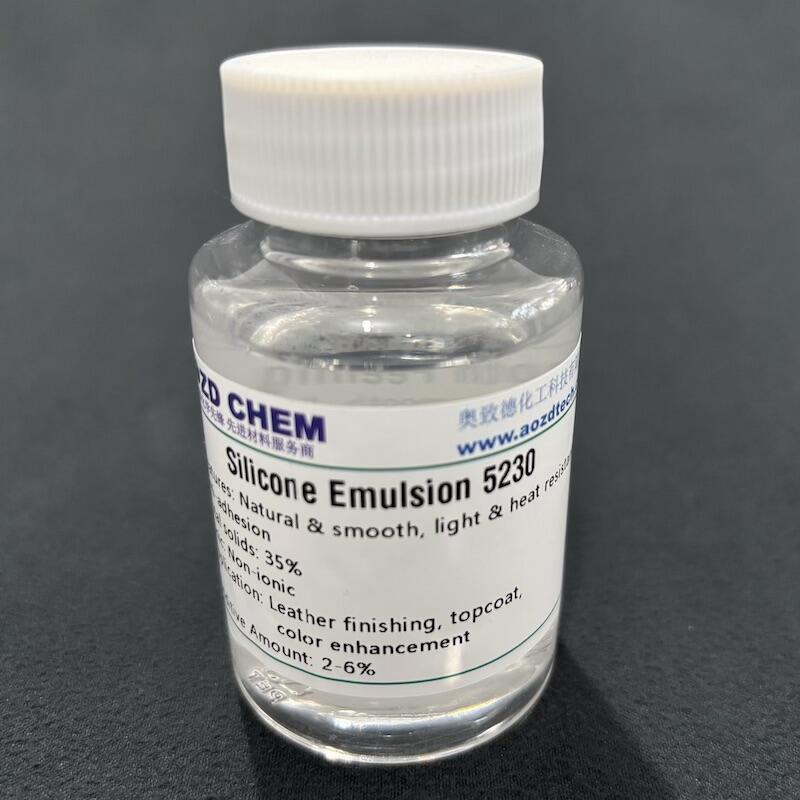
Leather finishing chemicals for gloss control represent a sophisticated category of specialized formulations designed to regulate and customize the surface appearance of leather products. These advanced chemical solutions enable manufacturers to achieve precise control over sheen levels, ranging from high-gloss mirror finishes to completely matte surfaces, depending on market demands and aesthetic preferences. The primary function of leather finishing chemicals for gloss control involves modifying the light reflection properties of leather surfaces through carefully engineered molecular structures that interact with leather fibers at the microscopic level. These chemicals work by creating uniform surface textures that either enhance or diminish light reflection, resulting in consistent gloss levels across entire leather pieces. The technological features of modern leather finishing chemicals for gloss control include exceptional durability, superior adhesion properties, and resistance to environmental factors such as UV radiation, moisture, and temperature fluctuations. Advanced formulations incorporate cutting-edge polymer technologies that ensure long-lasting performance while maintaining leather flexibility and natural characteristics. These chemicals are extensively applied across various leather industry sectors, including automotive upholstery, furniture manufacturing, fashion accessories, footwear production, and luxury goods creation. Manufacturing processes utilize these leather finishing chemicals for gloss control through spray applications, roller coating systems, and immersion techniques, allowing for precise application control and consistent results. The versatility of these chemicals enables leather processors to meet diverse customer requirements, from automotive manufacturers seeking specific gloss standards to fashion brands demanding unique surface aesthetics. Quality leather finishing chemicals for gloss control also provide protective benefits, creating barriers against staining, abrasion, and premature aging while maintaining the desired appearance characteristics. Environmental considerations have led to the development of water-based formulations that reduce volatile organic compound emissions while delivering superior performance compared to traditional solvent-based alternatives.

 EN
EN