leather finishing chemicals solutions
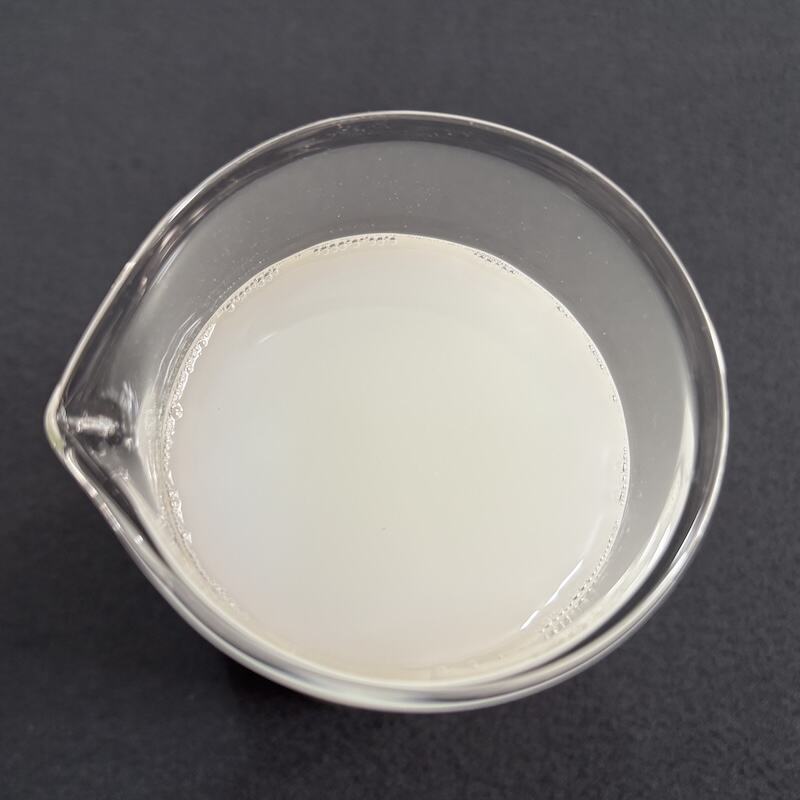
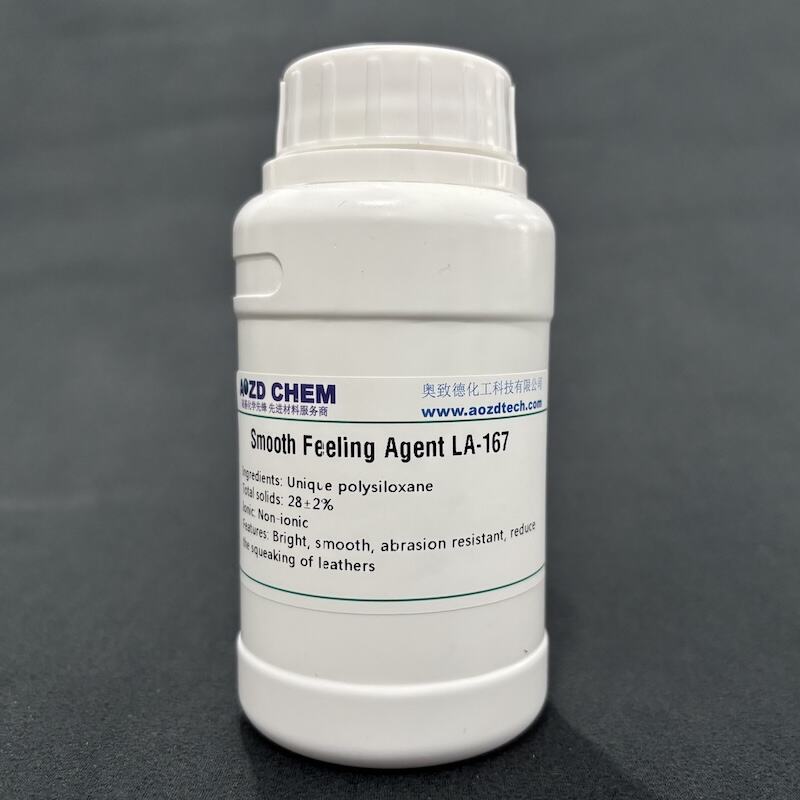
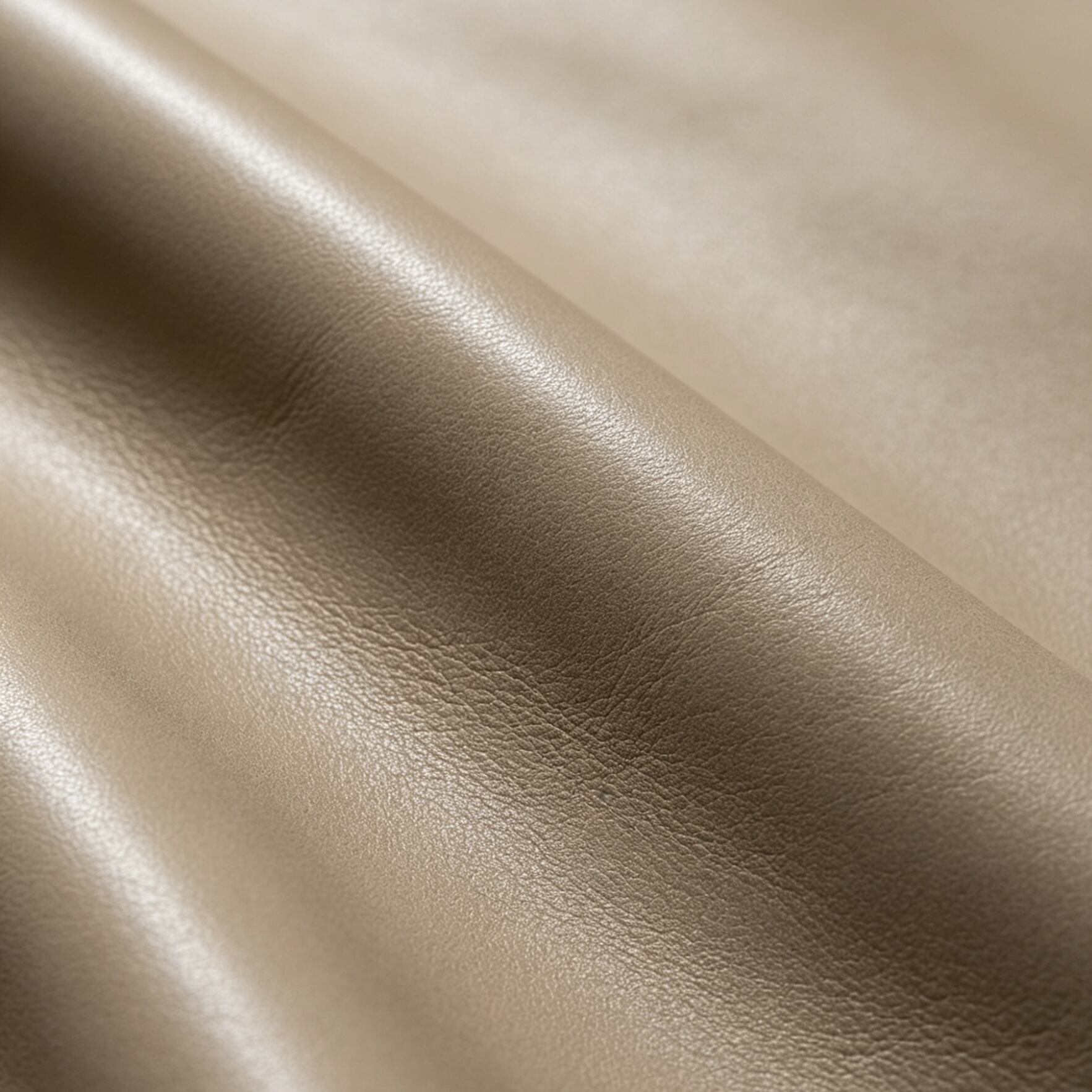
Leather finishing chemicals solutions represent a comprehensive range of specialized formulations designed to enhance the final properties, appearance, and performance characteristics of leather products. These advanced chemical systems serve as the crucial final step in leather processing, transforming raw processed hides into premium finished leather goods that meet demanding quality standards across various industries. The primary functions of leather finishing chemicals solutions encompass surface protection, aesthetic enhancement, tactile improvement, and performance optimization. These formulations create protective barriers that shield leather from environmental factors such as moisture, UV radiation, abrasion, and chemical exposure while simultaneously delivering desired visual and tactile properties. The technological features of modern leather finishing chemicals solutions incorporate cutting-edge polymer science, nano-technology applications, and sustainable chemistry principles. These solutions utilize advanced acrylic polymers, polyurethane systems, protein-based binders, and specialized additives that work synergistically to create uniform, durable, and flexible protective coatings. The formulations are engineered to penetrate leather fibers appropriately while forming cohesive surface films that maintain leather's natural breathability and flexibility characteristics. Applications of leather finishing chemicals solutions span diverse industries including automotive upholstery, furniture manufacturing, fashion accessories, footwear production, and luxury goods creation. In automotive applications, these solutions provide stain resistance, UV protection, and enhanced durability for vehicle interiors. Furniture manufacturers rely on these chemicals to create scratch-resistant, easy-to-clean surfaces that maintain aesthetic appeal over extended periods. Fashion and footwear industries utilize leather finishing chemicals solutions to achieve specific textures, colors, and performance properties that meet consumer expectations for both style and functionality. The versatility of these solutions enables customization for specific end-use requirements, making them indispensable for modern leather processing operations seeking to deliver superior quality products that meet evolving market demands and regulatory standards.

 EN
EN