Premium Leather Finishing Chemicals for Synthetic Leather - Advanced Surface Enhancement Solutions

All Categories

Get a Free Quote

Our representative will contact you soon.
Email
Name
Company Name
Whatsapp
Message
0/1000

leather finishing chemicals for synthetic leather

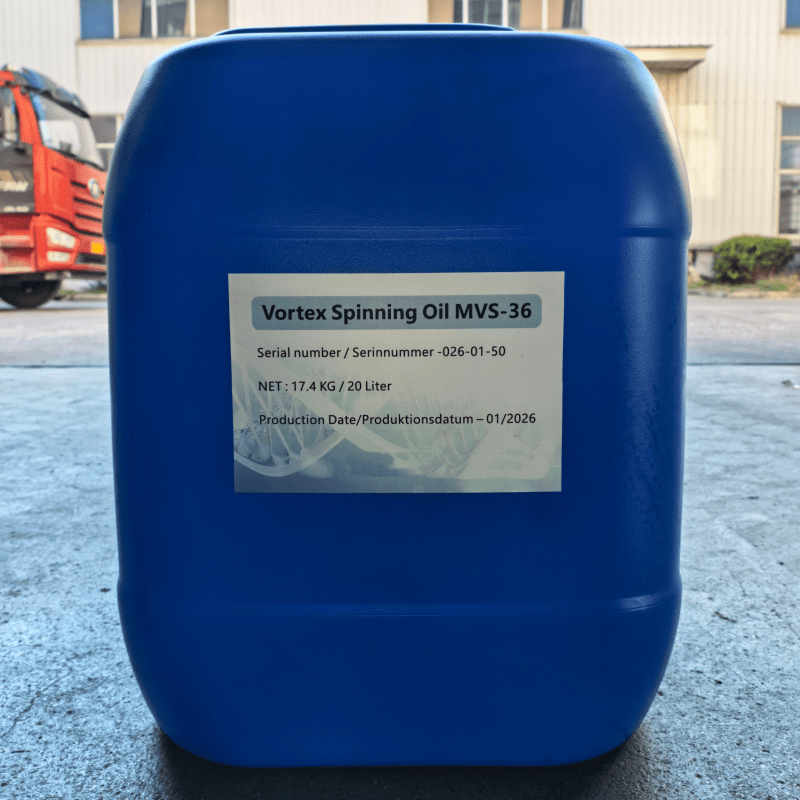
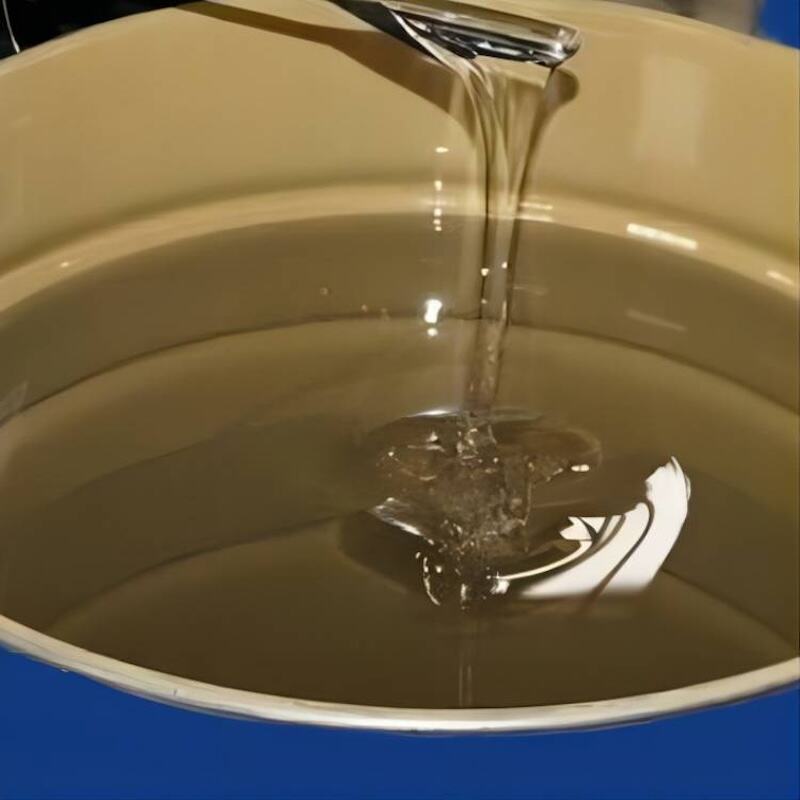
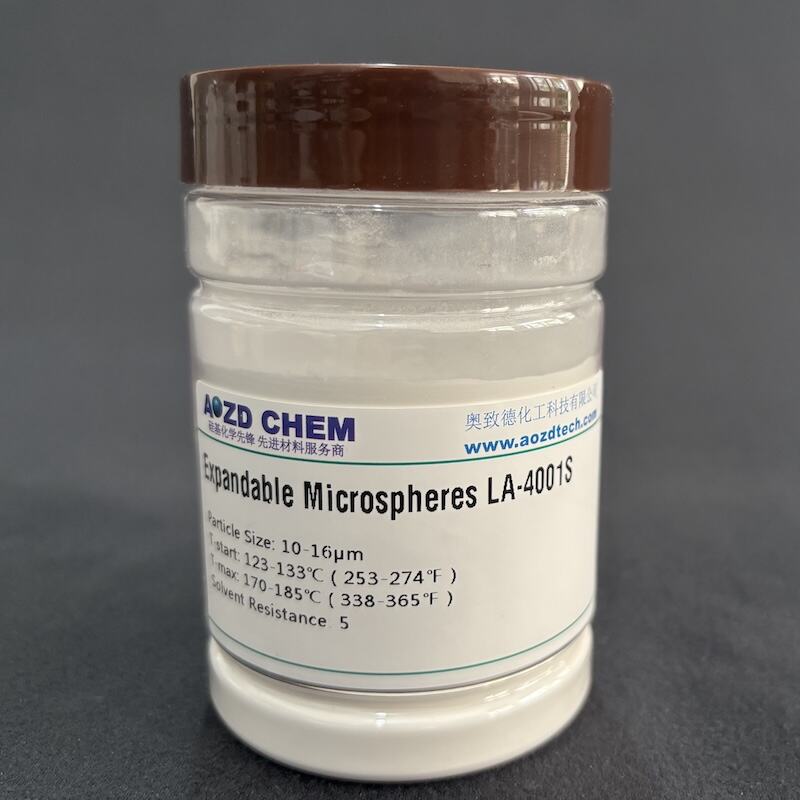
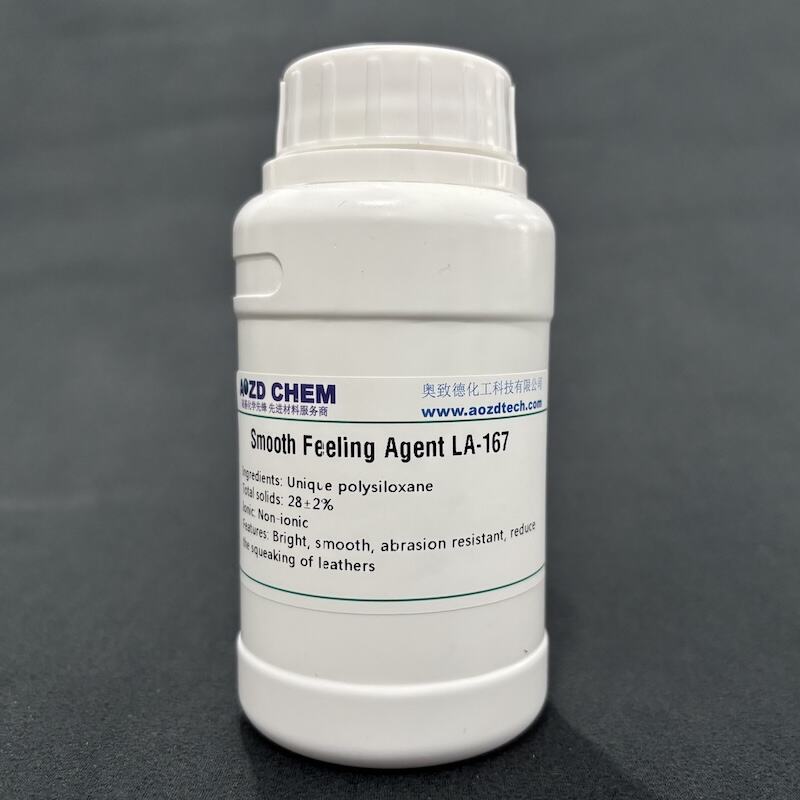
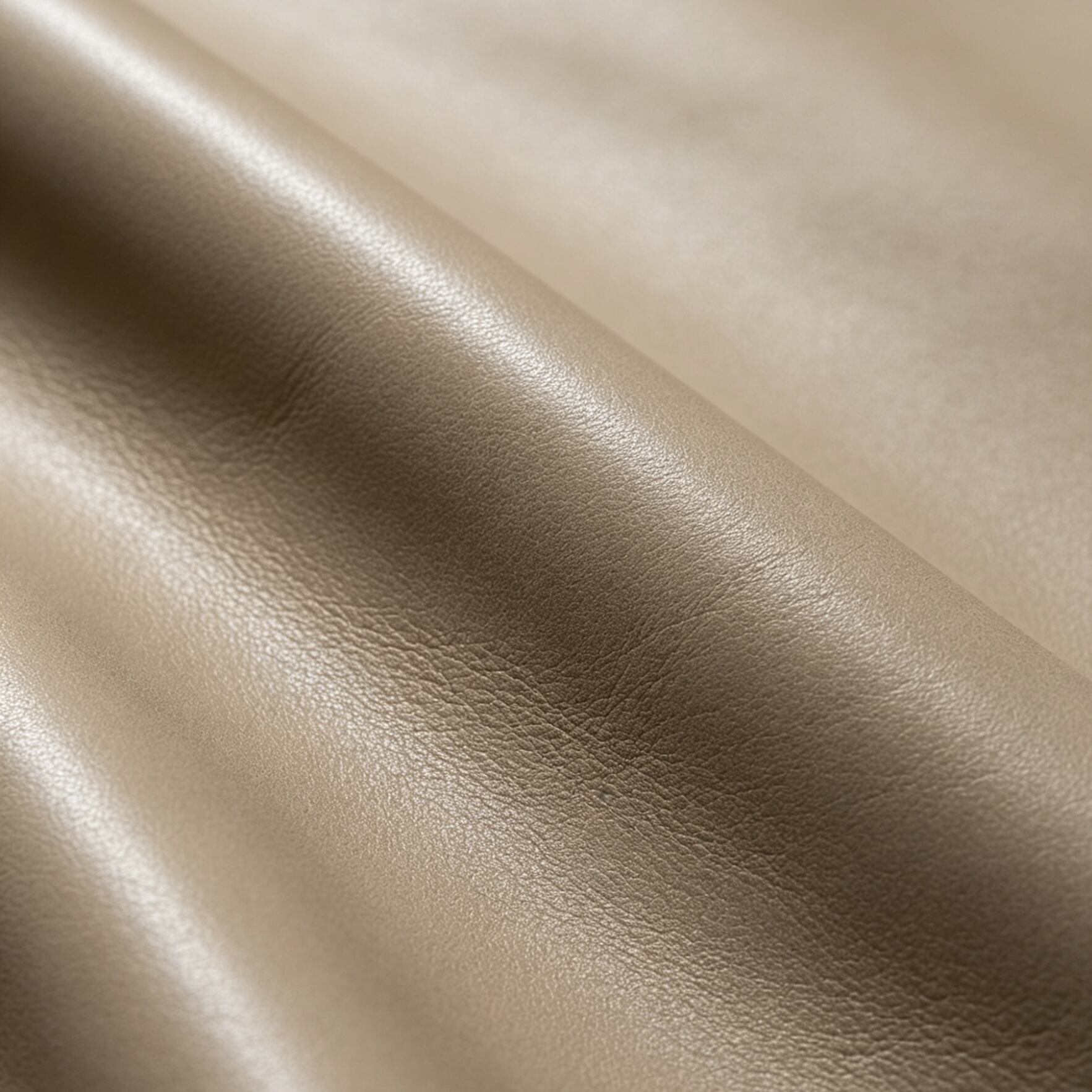
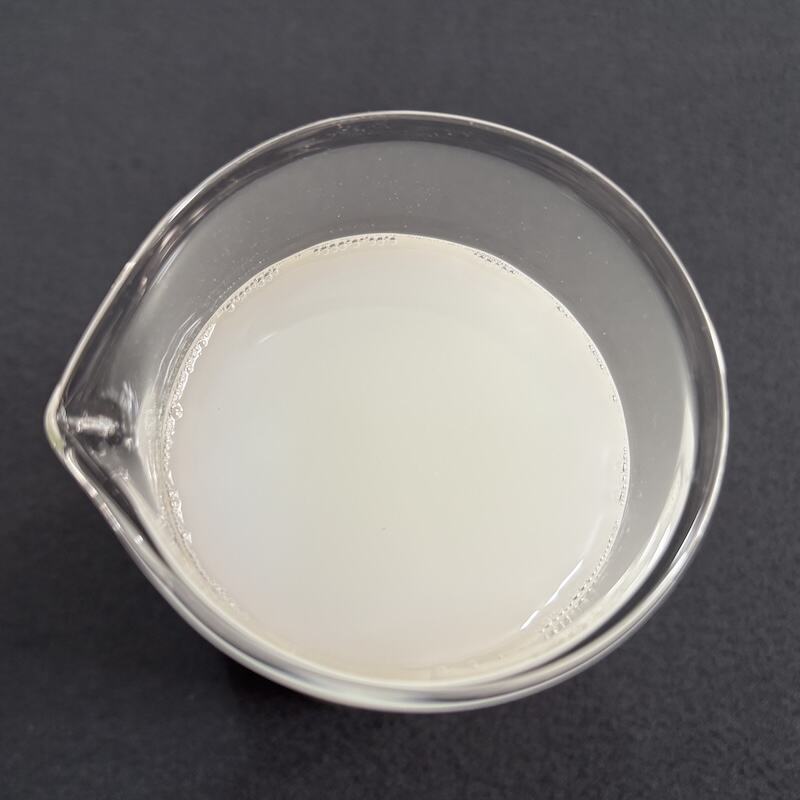
Leather finishing chemicals for synthetic leather represent a sophisticated category of specialized formulations designed to enhance the performance, durability, and aesthetic appeal of artificial leather materials. These advanced chemical solutions serve multiple critical functions throughout the synthetic leather manufacturing process, from initial surface preparation to final protective coating application. The primary functions of leather finishing chemicals for synthetic leather include surface smoothing, texture enhancement, color stabilization, water resistance improvement, and UV protection. These formulations contain carefully balanced combinations of resins, polymers, plasticizers, pigments, and additives that work synergistically to create superior synthetic leather products. The technological features of leather finishing chemicals for synthetic leather encompass excellent adhesion properties, flexibility retention, abrasion resistance, and consistent application characteristics. Modern formulations utilize advanced polymer technology to ensure optimal penetration into synthetic substrates while maintaining surface integrity. These chemicals exhibit remarkable compatibility with various synthetic leather base materials, including polyurethane, PVC, and microfiber substrates. The application scope of leather finishing chemicals for synthetic leather spans numerous industries, including automotive upholstery, fashion accessories, furniture manufacturing, footwear production, and sporting goods. In automotive applications, these chemicals provide enhanced durability against wear, temperature fluctuations, and chemical exposure. Fashion industry applications benefit from improved color fastness, texture uniformity, and premium surface finish quality. Furniture manufacturers rely on leather finishing chemicals for synthetic leather to achieve consistent appearance, stain resistance, and long-term performance characteristics. The formulation science behind these chemicals involves precise molecular engineering to optimize cross-linking density, surface energy, and mechanical properties. Quality control measures ensure batch-to-batch consistency, regulatory compliance, and performance standardization across different application methods and environmental conditions.

New Product Recommendations

The implementation of leather finishing chemicals for synthetic leather delivers substantial practical benefits that directly impact manufacturing efficiency, product quality, and customer satisfaction. These specialized formulations significantly reduce production time by enabling faster curing cycles and eliminating multiple processing steps traditionally required in synthetic leather finishing. Manufacturers experience improved yield rates as leather finishing chemicals for synthetic leather minimize material waste through better coverage efficiency and reduced reject rates. The enhanced durability provided by these chemicals translates into longer-lasting products that maintain their appearance and performance characteristics under demanding use conditions. Cost savings become evident through reduced labor requirements, decreased energy consumption during processing, and extended equipment lifespan due to gentler chemical interactions. Quality consistency represents another major advantage, as leather finishing chemicals for synthetic leather ensure uniform results across large production batches, eliminating color variations and texture inconsistencies that can compromise product appeal. Environmental benefits include reduced volatile organic compound emissions, lower water usage during application, and improved recyclability of finished synthetic leather products. Processing flexibility allows manufacturers to adjust application parameters for different synthetic leather substrates without compromising final product quality or requiring extensive equipment modifications. The superior adhesion properties of modern leather finishing chemicals for synthetic leather eliminate delamination issues, reducing warranty claims and customer complaints. Enhanced weather resistance capabilities ensure products maintain their integrity when exposed to sunlight, moisture, and temperature extremes, particularly important for outdoor applications and automotive uses. Chemical resistance improvements protect synthetic leather surfaces from common household and industrial cleaning agents, extending product lifespan and maintaining aesthetic appeal. Application versatility enables use across multiple synthetic leather types and manufacturing processes, reducing inventory complexity and simplifying procurement procedures. Technical support and formulation customization options provide manufacturers with tailored solutions that address specific performance requirements, market demands, and regulatory compliance needs. These comprehensive advantages position leather finishing chemicals for synthetic leather as essential components for competitive manufacturing operations seeking to optimize product quality while controlling production costs.

Latest News

How Vortex Spinning Oil Transforms Traditional Textile Production

26

Nov

How Vortex Spinning Oil Transforms Traditional Textile Production

What is Vortex Spinning Oil Vortex Spinning Oil serves as a unique lubricant specifically made for those tricky vortex spinning machines. What sets it apart is how it cuts down on friction while making the whole yarn production process run smoother ...
View More
The Benefits of Using a Compact Leather Feel Modifier Solution

26

Nov

The Benefits of Using a Compact Leather Feel Modifier Solution

Why Use Compact Leather Feel Modifier Solutions Leather feel modifiers in compact form really make a difference when it comes to how leather products feel against the skin. These little treatments help create that rich, soft sensation people associa...
View More
What Are the Best Practices for Applying Leather Additives

02

Dec

What Are the Best Practices for Applying Leather Additives

The leather industry relies heavily on various chemical formulations to enhance the quality, durability, and aesthetic appeal of finished products. Understanding the proper application techniques and selection criteria for leather additives can signi...
View More
How Do Expancel Microspheres Improve Surface Texture

02

Dec

How Do Expancel Microspheres Improve Surface Texture

Surface texture plays a crucial role in determining the performance, aesthetics, and functionality of countless industrial products. From automotive coatings to consumer electronics, the ability to achieve precise surface characteristics can make the...
View More

Get a Free Quote

Our representative will contact you soon.
Email
Name
Company Name
Whatsapp
Message
0/1000

leather finishing chemicals for synthetic leather

Advanced Polymer Technology for Superior Surface Performance

Advanced Polymer Technology for Superior Surface Performance

The revolutionary polymer technology integrated into modern leather finishing chemicals for synthetic leather represents a breakthrough in surface enhancement capabilities that transforms ordinary synthetic materials into premium-quality leather alternatives. This sophisticated technology employs multi-functional polymer chains specifically engineered to create optimal bonding with synthetic substrates while delivering exceptional surface properties. The advanced polymer matrix within these leather finishing chemicals for synthetic leather provides unprecedented flexibility retention, ensuring that finished products maintain their suppleness and natural feel even after extended use and environmental exposure. The molecular structure of these polymers allows for controlled cross-linking density, which directly influences the final product's mechanical properties, including tensile strength, tear resistance, and elongation characteristics. This precise control enables manufacturers to customize synthetic leather properties for specific applications, from soft furniture upholstery requiring maximum comfort to automotive interiors demanding exceptional durability. The polymer technology also incorporates intelligent release mechanisms that ensure uniform distribution during application, eliminating surface defects such as streaking, bubbling, or uneven coverage that can compromise product quality. Temperature stability represents another crucial aspect of this advanced polymer system, as leather finishing chemicals for synthetic leather must perform consistently across varying processing conditions and end-use environments. The formulated polymers maintain their structural integrity and performance characteristics from sub-zero temperatures to elevated heat conditions, ensuring reliable product performance regardless of application or geographic location. Furthermore, the polymer technology enables excellent pigment suspension and color stability, preventing color migration, fading, or bleeding that can occur with inferior finishing systems. The self-leveling properties inherent in these advanced polymers create smooth, professional-quality surfaces that rival genuine leather appearance while offering superior consistency and predictable results. This technology also facilitates rapid curing processes, reducing production cycle times and energy consumption while maintaining optimal cross-link density and surface properties essential for long-term performance and customer satisfaction.
Comprehensive Protection Against Environmental Degradation

Comprehensive Protection Against Environmental Degradation

The comprehensive protective capabilities of leather finishing chemicals for synthetic leather provide unparalleled defense against environmental factors that typically cause premature aging, discoloration, and structural deterioration in synthetic leather products. These advanced formulations incorporate multiple protective mechanisms that work synergistically to create a robust barrier against ultraviolet radiation, moisture penetration, chemical exposure, and mechanical wear. The UV protection system within leather finishing chemicals for synthetic leather utilizes advanced light-stabilizing compounds that absorb harmful radiation before it can penetrate the synthetic leather surface and cause molecular breakdown. This protection prevents color fading, surface chalking, and polymer degradation that commonly affect untreated synthetic materials exposed to sunlight. The moisture barrier technology creates a hydrophobic surface layer that repels water while maintaining breathability, preventing mold growth, bacterial proliferation, and dimensional instability caused by moisture absorption. Chemical resistance properties protect synthetic leather surfaces from damage caused by common cleaning agents, oils, solvents, and acidic substances encountered in daily use environments. This resistance extends product lifespan by maintaining surface integrity and preventing permanent staining or chemical etching that can compromise appearance and functionality. The anti-microbial properties integrated into modern leather finishing chemicals for synthetic leather inhibit bacterial and fungal growth, particularly important for applications in healthcare, food service, and high-humidity environments where hygiene requirements are paramount. Thermal protection capabilities ensure dimensional stability and surface integrity across wide temperature ranges, preventing cracking, brittleness, or excessive softening that can occur with temperature fluctuations. The scratch and abrasion resistance provided by these protective systems maintains surface appearance even under demanding use conditions, preserving the leather-like texture and visual appeal that customers expect. Stain resistance technology creates surfaces that resist penetration by common household and industrial substances, enabling easy cleaning and maintenance while preserving original appearance. The comprehensive nature of this protection system ensures that synthetic leather products treated with these finishing chemicals maintain their performance characteristics, aesthetic appeal, and structural integrity throughout their intended service life, providing exceptional value for manufacturers and end users alike.
Streamlined Manufacturing Process with Enhanced Quality Control

Streamlined Manufacturing Process with Enhanced Quality Control

The integration of leather finishing chemicals for synthetic leather into manufacturing processes delivers remarkable efficiency improvements and quality control advantages that revolutionize synthetic leather production capabilities. These specialized formulations are engineered to optimize every aspect of the manufacturing workflow, from initial application through final quality inspection, ensuring consistent results while minimizing production complexities and operational costs. The single-step application capability of modern leather finishing chemicals for synthetic leather eliminates traditional multi-coat processes, reducing production time by up to fifty percent while maintaining superior surface quality and performance characteristics. This streamlined approach reduces labor requirements, equipment utilization time, and energy consumption, resulting in significant cost savings that improve overall manufacturing profitability. The excellent flow and leveling properties of these chemicals ensure uniform coverage across complex synthetic leather surfaces, including textured patterns and three-dimensional shapes, without requiring specialized application equipment or extensive operator training. Quality control benefits become immediately apparent through improved batch-to-batch consistency, as leather finishing chemicals for synthetic leather are formulated to deliver predictable results regardless of minor variations in substrate characteristics, ambient conditions, or application parameters. The fast-curing technology incorporated into these formulations enables rapid production cycles while ensuring complete chemical cross-linking and optimal surface development, eliminating the quality issues associated with incomplete curing or extended processing times. In-line quality monitoring becomes more effective with these advanced finishing systems, as their consistent performance characteristics enable automated quality control systems to detect deviations quickly and accurately. The compatibility of leather finishing chemicals for synthetic leather with existing manufacturing equipment eliminates the need for costly production line modifications, enabling immediate implementation without significant capital investment or production downtime. Waste reduction represents another significant manufacturing advantage, as the superior coverage efficiency and application characteristics of these chemicals minimize material consumption while maximizing yield rates from raw synthetic leather substrates. The enhanced durability and performance characteristics achieved with these finishing systems reduce quality-related returns and warranty claims, improving customer satisfaction while reducing post-production support costs. Environmental compliance becomes simplified through formulations designed to meet stringent regulatory requirements while maintaining optimal performance, eliminating the need for complex emission control systems or specialized waste treatment procedures typically required with conventional finishing chemicals.

Get a Free Quote

Our representative will contact you soon.
Email
Name
Company Name
Whatsapp
Message
0/1000