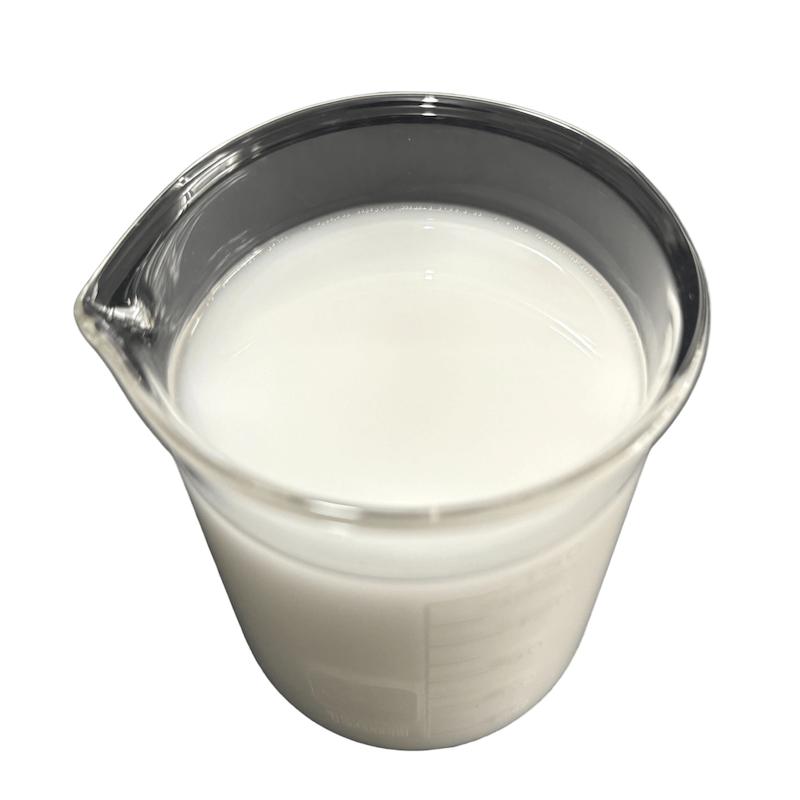
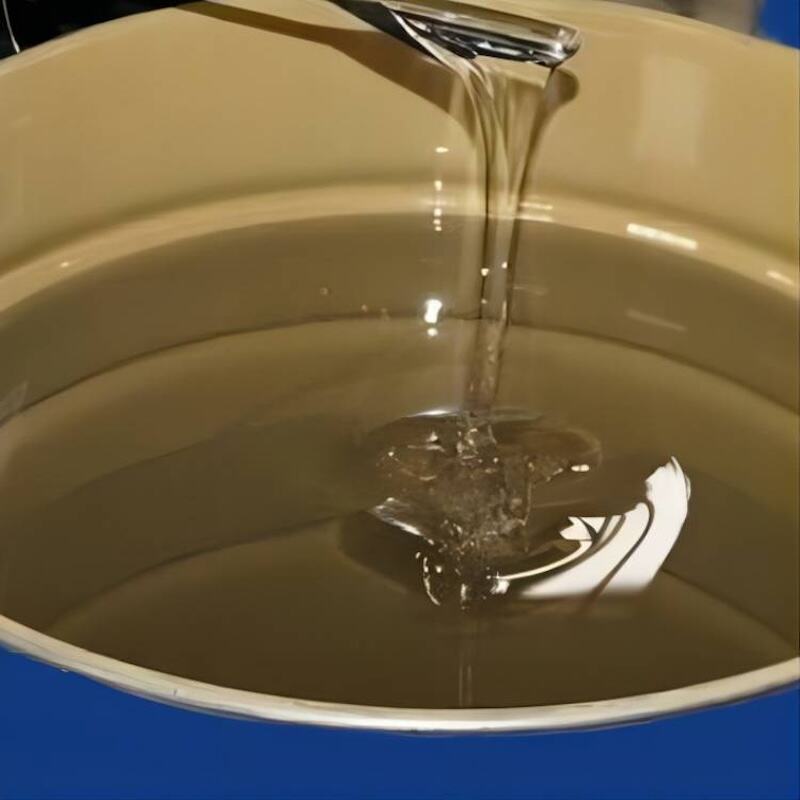
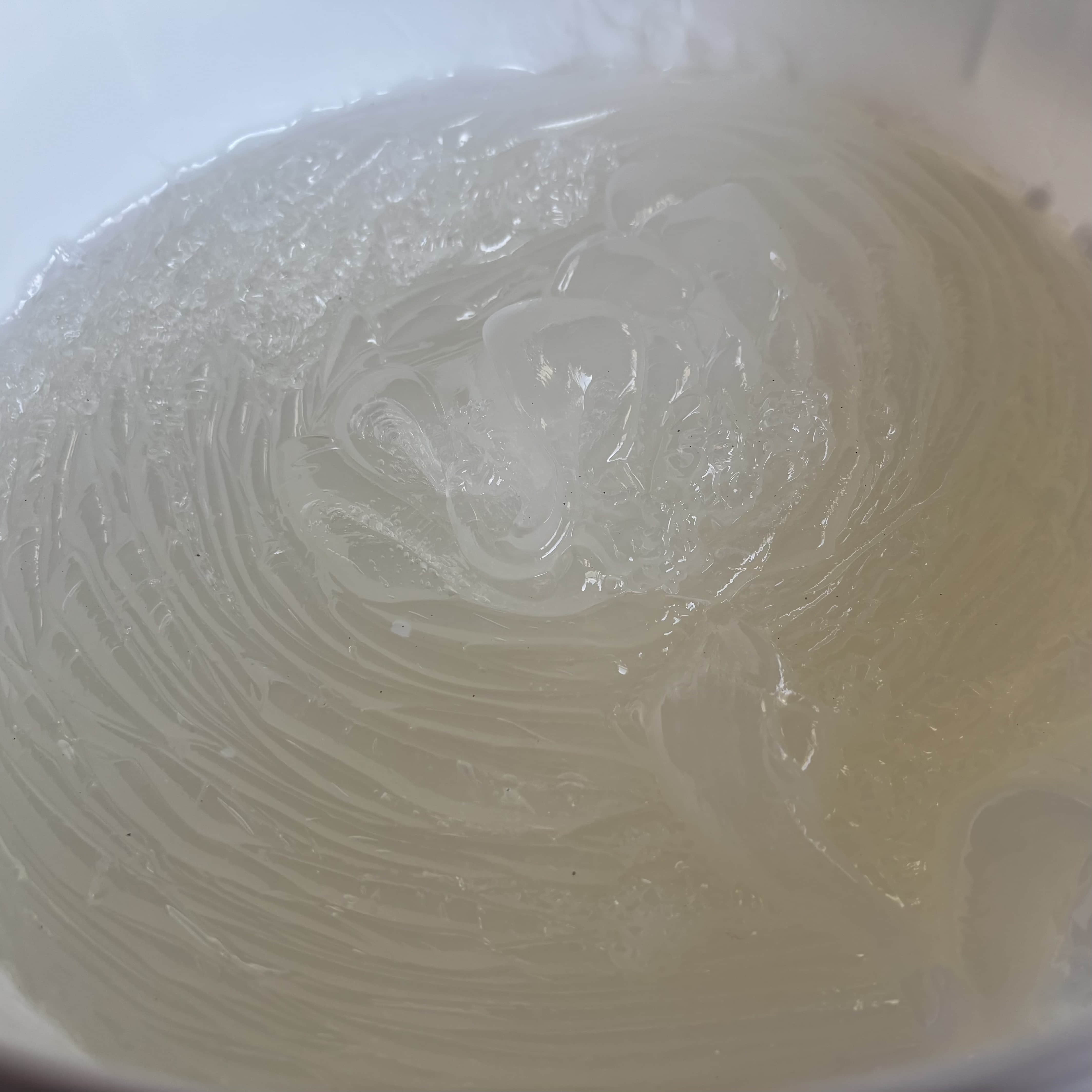
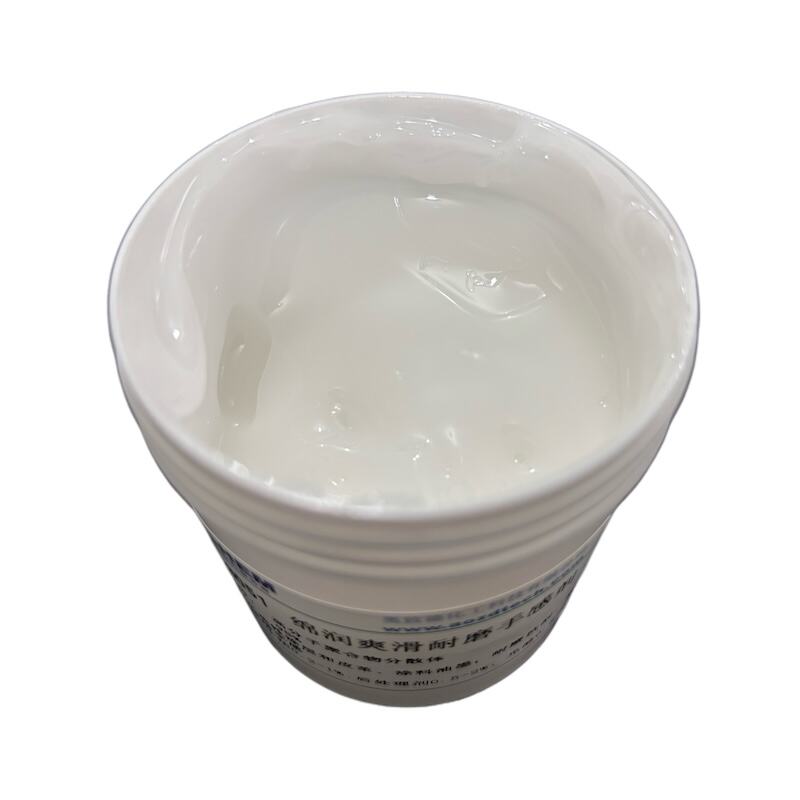
Polyether Modified Silicone Oil: Advanced Multifunctional Additive Solutions

All Categories

Get a Free Quote

Our representative will contact you soon.
Email
Name
Company Name
Whatsapp
Message
0/1000

polyether modified silicone oil

Polyether modified silicone oil represents a revolutionary advancement in silicone technology, combining the superior properties of traditional silicone oils with the enhanced functionality of polyether compounds. This specialized material is engineered through a sophisticated chemical modification process that incorporates polyether segments into the silicone backbone, creating a unique molecular structure that delivers exceptional performance across diverse industrial applications. The primary functions of polyether modified silicone oil include superior wetting properties, enhanced spreading characteristics, improved emulsification capabilities, and excellent thermal stability. These multifunctional properties make it an indispensable component in numerous manufacturing processes and product formulations. Technologically, polyether modified silicone oil exhibits remarkable versatility due to its amphiphilic nature, meaning it possesses both hydrophilic and lipophilic properties. This dual characteristic enables the material to act as an effective surfactant, reducing surface tension between different phases and facilitating better interaction between incompatible materials. The modification process involves carefully controlled polymerization reactions that ensure optimal molecular weight distribution and consistent performance characteristics. The resulting product demonstrates exceptional stability under varying temperature conditions, maintaining its functional properties across a wide operational range. Applications for polyether modified silicone oil span multiple industries, including textiles, cosmetics, automotive, construction, and electronics manufacturing. In textile processing, it serves as a superior softening agent and anti-static treatment, enhancing fabric hand-feel and performance. The cosmetics industry utilizes this material for its excellent spreading properties and skin compatibility, making it ideal for various personal care formulations. In industrial applications, polyether modified silicone oil functions as an effective defoaming agent, mold release compound, and processing aid, significantly improving manufacturing efficiency and product quality.


New Product Recommendations

Polyether modified silicone oil offers numerous practical benefits that translate directly into improved performance and cost savings for businesses across various industries. One of the most significant advantages is its exceptional versatility as a multifunctional additive. Unlike conventional additives that serve single purposes, polyether modified silicone oil simultaneously provides multiple benefits including surface tension reduction, improved wetting, enhanced spreading, and effective defoaming action. This versatility eliminates the need for multiple separate additives, simplifying formulations and reducing inventory costs. The superior thermal stability of polyether modified silicone oil ensures consistent performance even under extreme temperature conditions, ranging from sub-zero environments to high-heat industrial processes. This stability translates to longer product life cycles and reduced maintenance requirements, ultimately lowering operational costs for manufacturers. The material maintains its functional properties without degradation, ensuring reliable performance throughout extended use periods. Another major advantage is the enhanced compatibility that polyether modified silicone oil provides between different materials and phases. Traditional silicone oils often struggle with compatibility issues when used with polar substances, but the polyether modification addresses this limitation effectively. This improved compatibility enables formulators to create more stable emulsions, better dispersions, and more uniform product characteristics. The result is higher quality end products with improved shelf stability and consistent performance. The environmental friendliness of polyether modified silicone oil represents a crucial advantage in today's sustainability-focused market. This material demonstrates excellent biodegradability compared to many alternative additives, helping companies meet increasingly strict environmental regulations while maintaining product performance. The reduced environmental impact doesn't compromise functionality, making it an ideal choice for companies seeking to improve their environmental footprint without sacrificing quality. Cost-effectiveness emerges as a compelling advantage when considering the comprehensive benefits that polyether modified silicone oil provides. While the initial investment may be higher than basic alternatives, the multifunctional nature of this material reduces overall formulation costs by replacing multiple single-function additives. Additionally, the improved efficiency in manufacturing processes, reduced waste generation, and enhanced product quality contribute to significant long-term savings that far exceed the initial investment.

Latest News

How Vortex Spinning Oil Enhances Fiber Production

26

Nov

How Vortex Spinning Oil Enhances Fiber Production

Introduction Oils are essential in the textile manufacturing process, helping fibers move smoothly through machinery and ultimately producing better quality fabric. Of all the different types available, Vortex Spinning Oil has become something of a ...
View More
The Benefits of Using a Compact Leather Feel Modifier Solution

26

Nov

The Benefits of Using a Compact Leather Feel Modifier Solution

Why Use Compact Leather Feel Modifier Solutions Leather feel modifiers in compact form really make a difference when it comes to how leather products feel against the skin. These little treatments help create that rich, soft sensation people associa...
View More
What Makes Silicone Emulsion Environmentally Safer

02

Dec

What Makes Silicone Emulsion Environmentally Safer

Environmental sustainability has become a critical consideration for manufacturers across industries, driving demand for safer chemical alternatives. Traditional emulsions often contain volatile organic compounds and harsh solvents that pose risks to...
View More
What Makes Expandable Microspheres Useful in Automotive Materials?

08

Jan

What Makes Expandable Microspheres Useful in Automotive Materials?

The automotive industry continues to seek innovative materials that enhance performance while reducing weight and improving efficiency. Expandable microspheres have emerged as a revolutionary solution for manufacturers looking to create lighter, stro...
View More

Get a Free Quote

Our representative will contact you soon.
Email
Name
Company Name
Whatsapp
Message
0/1000

polyether modified silicone oil

Superior Surface Activity and Wetting Performance

Superior Surface Activity and Wetting Performance

The exceptional surface activity of polyether modified silicone oil sets it apart from conventional surfactants and additives in the market. This remarkable characteristic stems from its unique molecular structure that combines the low surface energy properties of silicone with the polar functionality of polyether segments. The result is an additive that can dramatically reduce surface tension to levels that traditional surfactants cannot achieve, enabling superior wetting and spreading on even the most challenging substrates. This enhanced wetting performance translates into significant practical benefits for manufacturers and end-users alike. In coating applications, polyether modified silicone oil ensures uniform coverage and eliminates common defects such as crawling, fisheyes, and poor substrate adhesion. The improved wetting characteristics allow formulations to spread evenly across surfaces with varying surface energies, creating more consistent and higher-quality finished products. This is particularly valuable in industries where surface appearance and uniformity are critical quality parameters. The superior surface activity also enables the use of lower concentrations of the additive while maintaining or even improving performance levels. This concentration efficiency reduces overall formulation costs and minimizes the potential for adverse effects that can occur with higher additive loadings. Manufacturers can achieve optimal performance with minimal addition rates, typically ranging from 0.1 to 2.0 percent by weight, depending on the specific application requirements. Furthermore, the polyether modified silicone oil maintains its surface activity across a wide range of pH conditions and in the presence of various electrolytes, making it suitable for diverse formulation environments. This stability ensures consistent performance regardless of the complexity of the formulation or the presence of other active ingredients that might interfere with less robust surfactants. The durability of the surface activity means that products formulated with polyether modified silicone oil maintain their performance characteristics throughout their intended service life, providing long-lasting benefits to end-users.
Enhanced Emulsification and Compatibility Properties

Enhanced Emulsification and Compatibility Properties

The emulsification capabilities of polyether modified silicone oil represent a significant breakthrough in addressing one of the most challenging aspects of modern formulation chemistry. Traditional silicone materials are notoriously difficult to incorporate into water-based systems due to their inherently hydrophobic nature, often requiring complex emulsification systems or specialized equipment. However, the polyether modification fundamentally alters this characteristic by introducing hydrophilic segments that create amphiphilic properties, enabling the material to function as both an active ingredient and an emulsifier simultaneously. This dual functionality is particularly valuable in personal care and cosmetic applications where formulators require stable emulsions with excellent sensory properties. Polyether modified silicone oil can create stable oil-in-water or water-in-oil emulsions without the need for traditional emulsifiers, simplifying formulations and reducing the potential for skin irritation associated with conventional surfactants. The resulting emulsions demonstrate exceptional stability against temperature fluctuations, pH variations, and mechanical stress, ensuring consistent product performance throughout the shelf life. The compatibility enhancement extends beyond simple emulsification to include improved interaction with various organic and inorganic materials. This broad compatibility makes polyether modified silicone oil an ideal additive for complex formulations containing multiple active ingredients, fillers, and performance modifiers. The material can effectively bridge compatibility gaps between disparate components, creating more homogeneous and stable systems. In industrial applications, this enhanced compatibility translates to improved processing characteristics and reduced formulation challenges. Manufacturing processes benefit from more consistent mixing, better dispersion of additives, and reduced segregation issues that can compromise product quality. The improved compatibility also enables the incorporation of higher concentrations of functional additives without encountering stability problems, allowing formulators to optimize performance while maintaining system integrity. The polyether segments in the modified silicone oil structure provide multiple hydrogen bonding sites, facilitating interactions with polar materials while maintaining compatibility with non-polar components, creating truly versatile formulation solutions.
Outstanding Thermal and Chemical Stability

Outstanding Thermal and Chemical Stability

The exceptional thermal and chemical stability of polyether modified silicone oil represents one of its most valuable characteristics, particularly for applications in demanding industrial environments where conventional additives fail to maintain their functionality. The unique molecular architecture of this material, featuring the inherent thermal stability of the silicone backbone combined with the robust nature of properly engineered polyether segments, creates an additive that can withstand extreme conditions while continuing to deliver consistent performance. This stability manifests in several critical ways that provide tangible benefits to users across various industries. Temperature resistance is perhaps the most notable aspect of this stability profile, with polyether modified silicone oil maintaining its functional properties across an exceptionally wide temperature range. Unlike many organic surfactants and additives that degrade or lose effectiveness at elevated temperatures, this material continues to provide surface activity, wetting enhancement, and other functional benefits even under high-heat processing conditions. This thermal resilience is particularly valuable in applications such as high-temperature coatings, automotive systems, and industrial processes where thermal cycling is common. The chemical stability of polyether modified silicone oil extends its utility into aggressive chemical environments where traditional additives would quickly deteriorate. The material demonstrates excellent resistance to acids, bases, and various organic solvents, maintaining its structure and functionality even in challenging chemical conditions. This chemical inertness prevents unwanted reactions that could compromise product quality or create processing difficulties, ensuring consistent performance throughout the product lifecycle. The oxidative stability of polyether modified silicone oil is particularly noteworthy, as it resists degradation from oxygen exposure that typically affects organic materials over time. This resistance to oxidative degradation means that products formulated with this additive maintain their performance characteristics for extended periods, reducing the need for frequent reformulation or the addition of antioxidant packages. The long-term stability translates directly into improved product shelf life and reduced warranty costs for manufacturers. UV stability represents another significant advantage, as the polyether modified silicone oil structure is inherently resistant to photodegradation. This characteristic is especially valuable for exterior applications and products exposed to sunlight, where UV-induced degradation can compromise performance and appearance over time.

Get a Free Quote

Our representative will contact you soon.
Email
Name
Company Name
Whatsapp
Message
0/1000