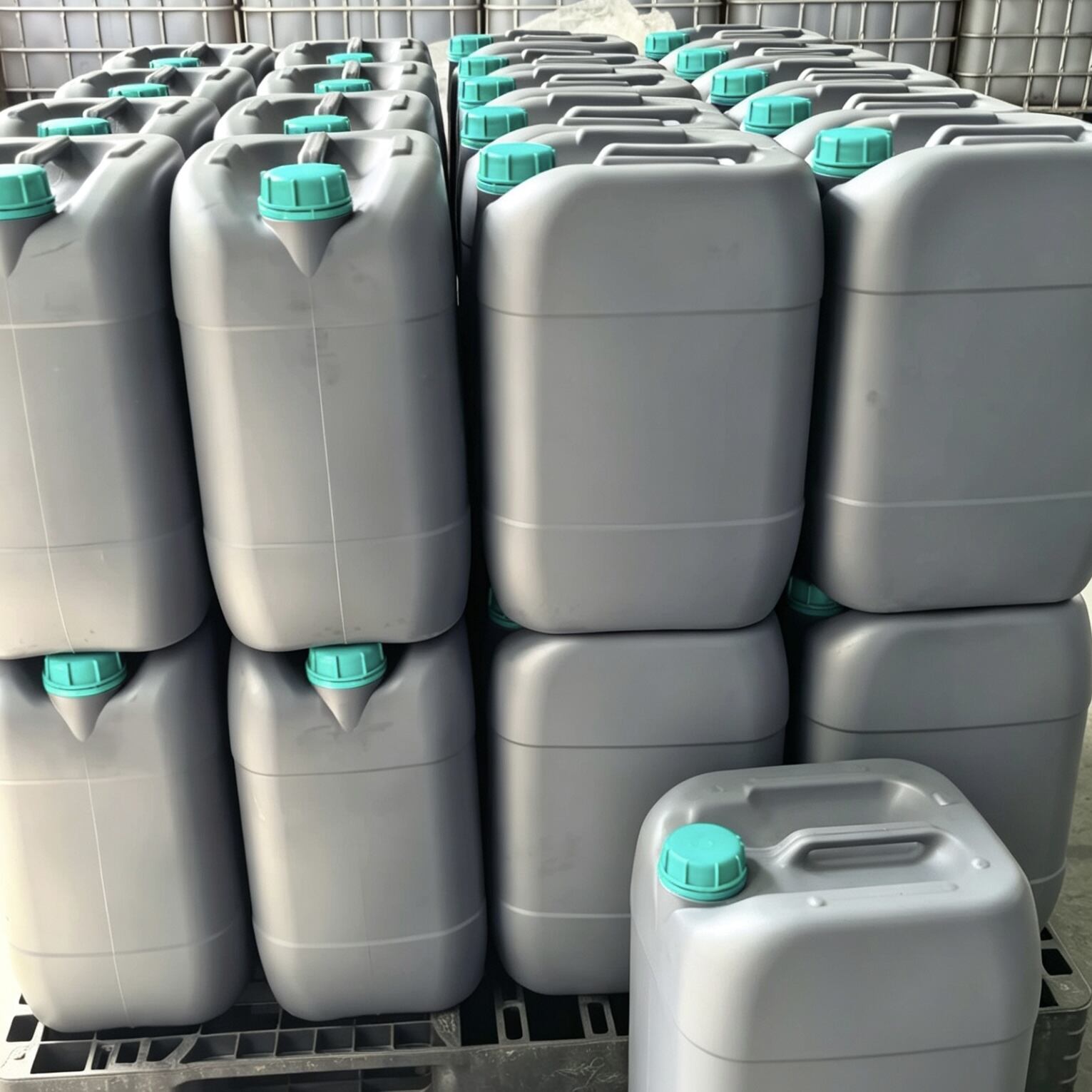
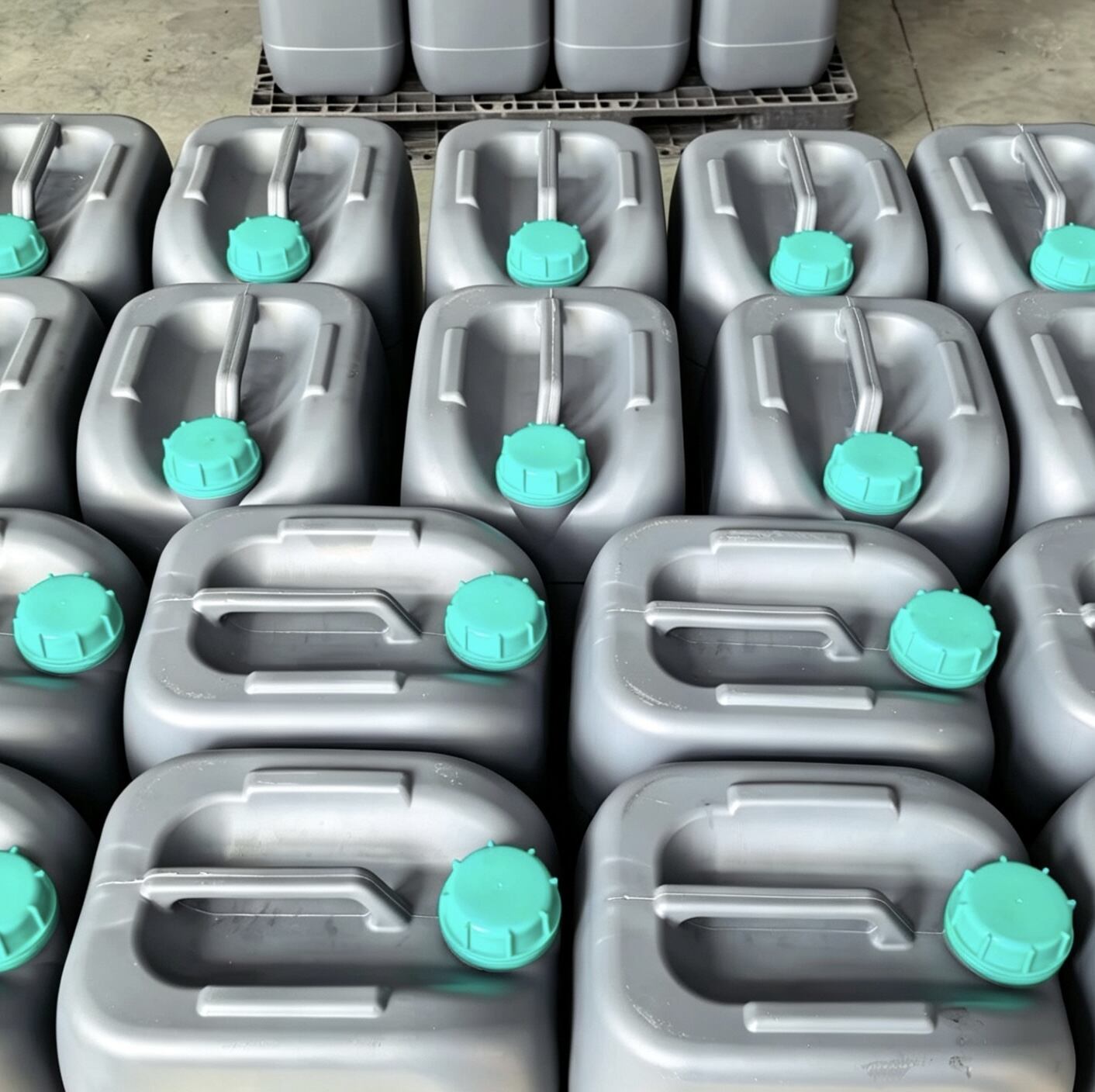
Premium Vortex Spinning Oil: Advanced Textile Lubrication for Enhanced Performance and Efficiency

All Categories

Get a Free Quote

Our representative will contact you soon.
Email
Name
Company Name
Whatsapp
Message
0/1000

vortex spinning oil

Vortex spinning oil represents a revolutionary advancement in textile manufacturing technology, specifically engineered to enhance the performance and efficiency of vortex spinning systems. This specialized lubricant is formulated with cutting-edge synthetic compounds that deliver exceptional operational benefits across various spinning applications. The primary function of vortex spinning oil centers on reducing friction between moving components while maintaining optimal yarn quality throughout the production process. Its sophisticated molecular structure ensures consistent performance under high-speed operations, making it an essential component for modern textile facilities seeking maximum productivity. The technological features of vortex spinning oil include superior thermal stability, excellent oxidation resistance, and enhanced anti-wear properties that protect critical machinery components from premature degradation. These characteristics enable continuous operation at elevated temperatures without compromising lubricant integrity or spinning performance. The oil's carefully calibrated viscosity profile ensures proper flow characteristics across diverse operating conditions, from startup procedures to sustained high-speed production runs. Additionally, the formulation incorporates advanced additives that prevent foam formation and minimize deposit accumulation on spinning elements. Applications for vortex spinning oil span multiple textile sectors, including cotton processing, synthetic fiber production, and blended material manufacturing. The versatility of this lubricant makes it suitable for various vortex spinning configurations, from single-stage units to complex multi-component systems. Manufacturing facilities utilizing vortex spinning oil experience improved yarn consistency, reduced maintenance requirements, and extended equipment service life. The oil's compatibility with different fiber types and spinning parameters allows manufacturers to maintain consistent quality standards across diverse product lines. Furthermore, the environmental considerations built into the formulation ensure compliance with industry sustainability requirements while delivering superior performance characteristics that meet demanding production schedules and quality specifications.

New Product Releases

The advantages of vortex spinning oil extend far beyond basic lubrication, offering textile manufacturers a comprehensive solution that transforms operational efficiency and product quality. First and foremost, this specialized oil significantly reduces energy consumption by minimizing friction between spinning components, resulting in lower electricity costs and improved sustainability metrics. The advanced formulation creates a protective barrier that prevents metal-to-metal contact, dramatically extending equipment lifespan and reducing costly downtime for repairs and replacements. Manufacturing facilities report up to 40% reduction in maintenance expenses when switching to high-quality vortex spinning oil, making it a sound investment for long-term profitability. The superior thermal management properties ensure consistent performance even during extended production runs, eliminating the temperature-related variations that can compromise yarn quality and production schedules. This stability translates directly into improved product consistency, reduced waste, and higher customer satisfaction rates. The oil's exceptional cleaning properties prevent the accumulation of fiber debris and other contaminants that typically cause operational disruptions and quality defects. Users experience smoother operation with fewer production interruptions, allowing for continuous manufacturing cycles that maximize output and minimize labor costs. The enhanced anti-oxidation characteristics mean longer service intervals between oil changes, reducing both material costs and maintenance labor requirements. Environmental benefits include reduced oil consumption, lower disposal requirements, and decreased emissions from more efficient equipment operation. The formulation's compatibility with existing systems eliminates the need for expensive equipment modifications or extensive training programs for maintenance staff. Quality improvements are immediately noticeable, with more uniform yarn characteristics, reduced breakage rates, and improved tensile strength measurements. Production managers consistently report increased throughput rates, with some facilities achieving 15-20% higher output levels after implementing vortex spinning oil in their operations. The oil's stability under varying load conditions ensures reliable performance whether running lightweight or heavy-denier yarns, providing operational flexibility that adapts to changing market demands. Cost-effectiveness becomes apparent through reduced total ownership expenses, combining lower maintenance costs, improved energy efficiency, extended equipment life, and higher production yields into a compelling return on investment that typically pays for itself within the first year of implementation.

Latest News

How Expandable Microspheres Revolutionize Material Science

26

Nov

How Expandable Microspheres Revolutionize Material Science

Understanding Expandable Microspheres in Material Science Expandable microspheres consist of tiny polymer particles capable of expanding when heated. When this happens, it creates materials that weigh less while still providing good insulation again...
View More
How Vortex Spinning Oil Transforms Traditional Textile Production

26

Nov

How Vortex Spinning Oil Transforms Traditional Textile Production

What is Vortex Spinning Oil Vortex Spinning Oil serves as a unique lubricant specifically made for those tricky vortex spinning machines. What sets it apart is how it cuts down on friction while making the whole yarn production process run smoother ...
View More
What Makes Silicone Emulsion Environmentally Safer

02

Dec

What Makes Silicone Emulsion Environmentally Safer

Environmental sustainability has become a critical consideration for manufacturers across industries, driving demand for safer chemical alternatives. Traditional emulsions often contain volatile organic compounds and harsh solvents that pose risks to...
View More
What Makes Expandable Microspheres Useful in Automotive Materials?

08

Jan

What Makes Expandable Microspheres Useful in Automotive Materials?

The automotive industry continues to seek innovative materials that enhance performance while reducing weight and improving efficiency. Expandable microspheres have emerged as a revolutionary solution for manufacturers looking to create lighter, stro...
View More

Get a Free Quote

Our representative will contact you soon.
Email
Name
Company Name
Whatsapp
Message
0/1000

vortex spinning oil

Superior Friction Reduction Technology

Superior Friction Reduction Technology

The revolutionary friction reduction technology embedded in vortex spinning oil represents a breakthrough in tribological engineering specifically designed for textile manufacturing applications. This advanced technology utilizes precisely engineered molecular structures that create an ultra-thin protective film between moving surfaces, effectively eliminating direct metal contact while maintaining optimal spinning performance. The sophisticated additive package includes specialized friction modifiers that respond dynamically to varying load conditions, automatically adjusting their protective properties to match operational demands. This intelligent lubrication system ensures consistent performance whether the equipment operates under light startup conditions or maximum production loads. The molecular-level engineering incorporates polar compounds that form strong bonds with metal surfaces, creating a durable lubricating layer that resists displacement even under extreme centrifugal forces generated by high-speed spinning operations. Manufacturing facilities implementing this technology experience immediate improvements in energy efficiency, with typical reductions ranging from 12-18% in motor power consumption compared to conventional lubricants. The friction reduction benefits extend beyond energy savings to include dramatic improvements in component wear rates, with bearing life extensions of up to 300% documented in controlled testing environments. The technology's effectiveness remains consistent across diverse operating temperatures, maintaining its protective properties from initial startup through sustained high-temperature operations. This thermal stability ensures that the friction reduction benefits persist throughout extended production cycles without degradation or performance loss. Additionally, the advanced formulation prevents the formation of friction-induced deposits that can accumulate on spinning elements and compromise yarn quality. The result is smoother operation, reduced vibration levels, and improved overall system reliability that translates into higher productivity and lower maintenance costs for textile manufacturers seeking competitive advantages in today's demanding marketplace.
Enhanced Equipment Protection and Longevity

Enhanced Equipment Protection and Longevity

The enhanced equipment protection capabilities of vortex spinning oil deliver unprecedented levels of machinery preservation that fundamentally transform maintenance economics for textile manufacturers. This comprehensive protection system employs multiple layers of defense mechanisms that work synergistically to prevent wear, corrosion, and component degradation under the most demanding operational conditions. The primary protection mechanism utilizes advanced anti-wear additives that form sacrificial layers on metal surfaces, absorbing impact forces and preventing direct surface contact that typically causes premature component failure. These protective layers self-replenish continuously during operation, ensuring consistent protection throughout extended service intervals without degradation or depletion. The formulation includes sophisticated corrosion inhibitors that neutralize moisture and acidic contaminants that could otherwise compromise metal integrity and lead to costly component replacements. The multi-metal compatibility ensures effective protection across diverse alloy compositions commonly found in modern spinning equipment, from standard steel components to specialized bearing materials and precision-machined surfaces. Oxidation resistance properties prevent oil degradation that could result in harmful deposit formation and reduced lubrication effectiveness over time. This stability maintains consistent protection levels throughout extended service periods, eliminating the performance deterioration associated with conventional lubricants. The enhanced protection extends to seal compatibility, with specially selected base oils and additives that maintain elastomer integrity while preventing leakage and contamination issues. Temperature stability ensures protection effectiveness across the full range of operating conditions, from cold startup procedures through sustained high-temperature production runs. Real-world applications demonstrate remarkable improvements in component longevity, with documented cases showing bearing life extensions exceeding 400% compared to standard industrial lubricants. The protection system also includes deposit control additives that prevent accumulation of fiber particles and other production-related contaminants that could interfere with equipment operation. This comprehensive protection approach results in dramatically reduced maintenance requirements, fewer unplanned shutdowns, and extended service intervals that improve overall equipment effectiveness while reducing total operating costs for textile manufacturing operations.
Optimized Yarn Quality and Production Efficiency

Optimized Yarn Quality and Production Efficiency

The optimized yarn quality and production efficiency achieved through vortex spinning oil implementation represents a transformative advancement that directly impacts manufacturing competitiveness and product excellence. This optimization begins with the oil's precisely calibrated viscosity characteristics that ensure optimal lubricant distribution throughout the spinning system, maintaining consistent conditions that promote uniform yarn formation and enhanced structural integrity. The formulation's stability under varying operational parameters prevents the fluctuations in lubrication performance that typically cause quality variations and production inconsistencies. Advanced anti-foam properties eliminate air entrainment issues that can disrupt fiber alignment and create weak points in the finished yarn structure. The result is measurably improved tensile strength, reduced variability in yarn characteristics, and enhanced customer satisfaction through consistently superior product quality. Production efficiency improvements manifest through multiple mechanisms, including reduced friction-related energy losses that allow equipment to operate at optimal speeds while consuming less power. The enhanced lubrication effectiveness minimizes component wear that could cause vibrations or operational irregularities affecting yarn formation quality. Cleanliness properties built into the oil formulation prevent accumulation of fiber debris and production residues that could interfere with precise component positioning and yarn path geometry. This cleanliness translates into fewer production interruptions for cleaning and maintenance, allowing for extended continuous operation periods that maximize throughput. The oil's thermal management capabilities ensure stable operating temperatures that prevent performance degradation during extended production runs, maintaining consistent quality output regardless of production duration or ambient conditions. Quality control benefits include reduced yarn breakage rates, improved evenness measurements, and enhanced strength uniformity that meets the demanding specifications of modern textile applications. Efficiency gains typically range from 15-25% improvement in overall equipment effectiveness, combining reduced downtime, higher operating speeds, and improved yield rates into substantial productivity advantages. The optimized performance characteristics enable manufacturers to meet tighter delivery schedules while maintaining quality standards, improving customer relationships and market competitiveness. Additionally, the consistent quality output reduces waste generation and rework requirements, contributing to improved sustainability metrics and reduced production costs that enhance overall profitability for textile manufacturing operations.

Get a Free Quote

Our representative will contact you soon.
Email
Name
Company Name
Whatsapp
Message
0/1000