In industrial manufacturing, the quality of surface treatment and processing agents has a direct and measurable impact on product performance, production efficiency, and end-use durability. Among the many functional materials used across sectors such...
VIEW MOREIn industrial manufacturing, release agents play a critical role in ensuring clean separation between molds and finished products. However, not all release agents deliver consistent results. Many formulations struggle with uneven coverage, residue bu...
VIEW MORE
Color fading is one of the most persistent and commercially damaging challenges in leather manufacturing and finishing. Whether it occurs in upholstery, footwear, fashion accessories, or automotive interiors, faded leather creates returns, warranty c...
VIEW MORE
In the luxury leather market, purchasing decisions are rarely made on price alone. While visual design, brand heritage, and craftsmanship all contribute to a product's perceived value, there is one sensory attribute that consistently drives conversio...
VIEW MOREIn the world of water-based coatings, formulators are constantly searching for additives that can enhance performance without compromising environmental compliance or application quality. Among the many options available, silicone dispersion has emer...
VIEW MORE
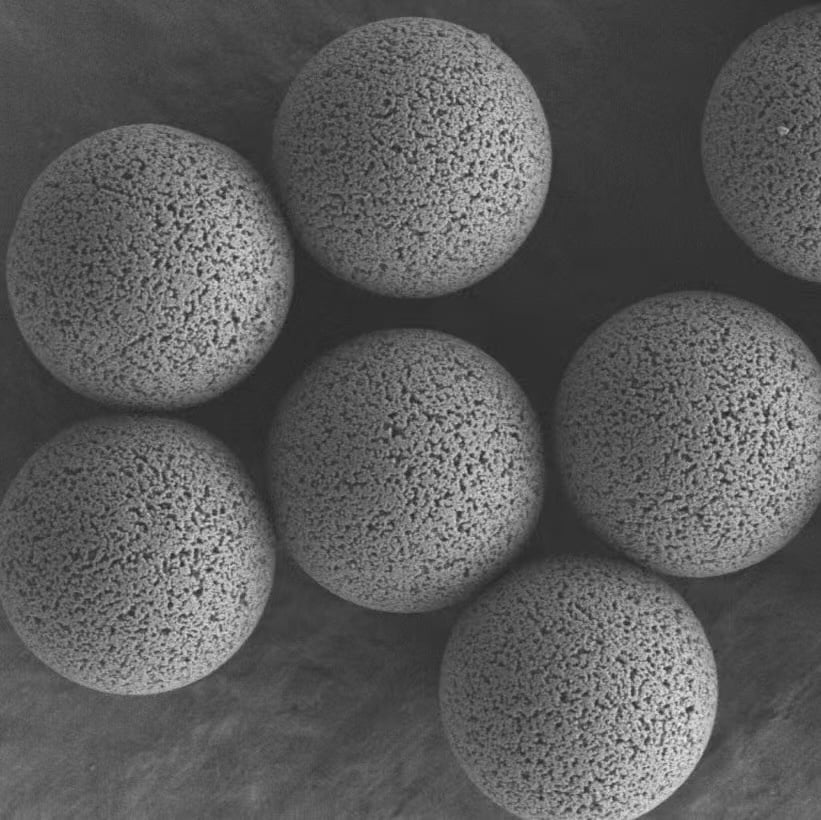
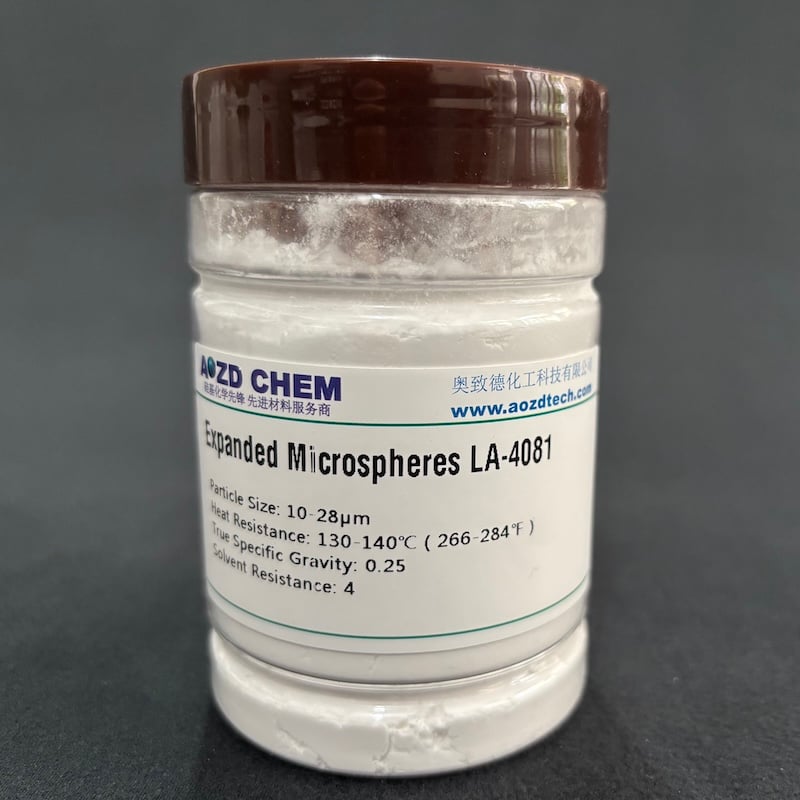
In the world of lightweight material engineering, few variables matter as much as density consistency. If you are sourcing expanded microspheres for your formulations, you already know that even minor variations in particle expansion can ripple throu...
VIEW MORE
When engineers and formulators select expanded microspheres for demanding applications, one property consistently rises to the top of the evaluation checklist: crush strength. This single mechanical characteristic determines whether a lightweight fil...
VIEW MORE
In foam manufacturing, achieving consistent cell structure and uniform volume expansion is one of the most technically demanding challenges. expandable microspheres are widely used to control foam density, improve surface quality, and reduce material...
VIEW MOREIn the world of industrial manufacturing and material science, not all additives are created equal. While budget-conscious buyers are often drawn to lower-cost options, the performance gap between standard and high-performance additives can have far-...
VIEW MORE
In industrial manufacturing, material efficiency is not just a cost concern — it is a direct indicator of process intelligence. If your production line relies on expandable microspheres as a lightweight filler, foaming agent, or density-reducing addi...
VIEW MORE
The leather industry has long been scrutinized for its environmental impact, particularly regarding the use of leather chemicals in processing and manufacturing. These chemicals, while essential for transforming raw hides into durable leather product...
VIEW MORE
The leather industry relies heavily on specialized chemical formulations to achieve desired aesthetic and functional properties in finished products. When working with pigmented finishes, selecting appropriate leather additives becomes crucial for ac...
VIEW MORE