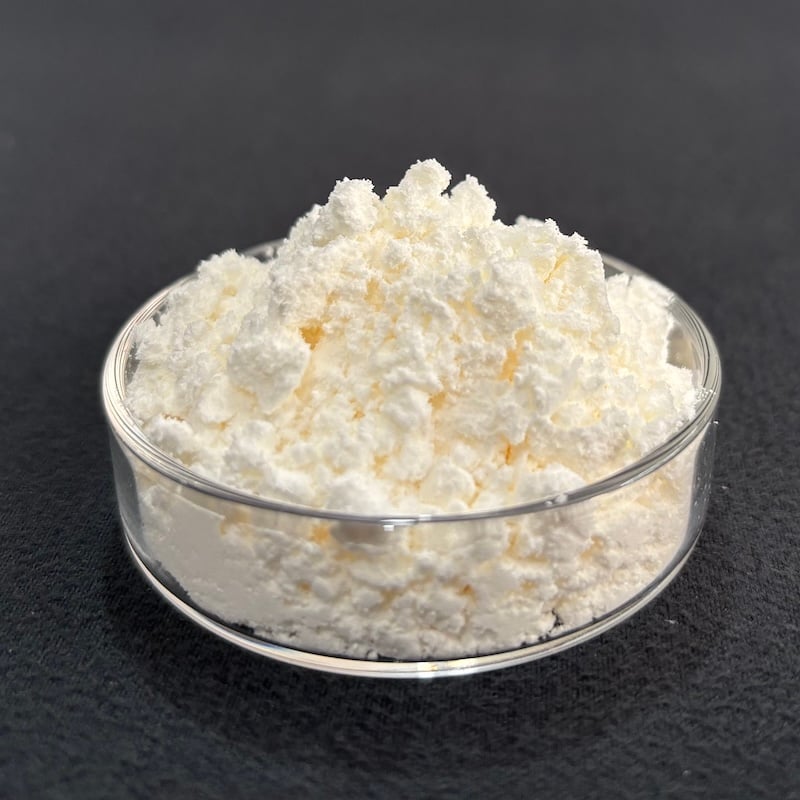
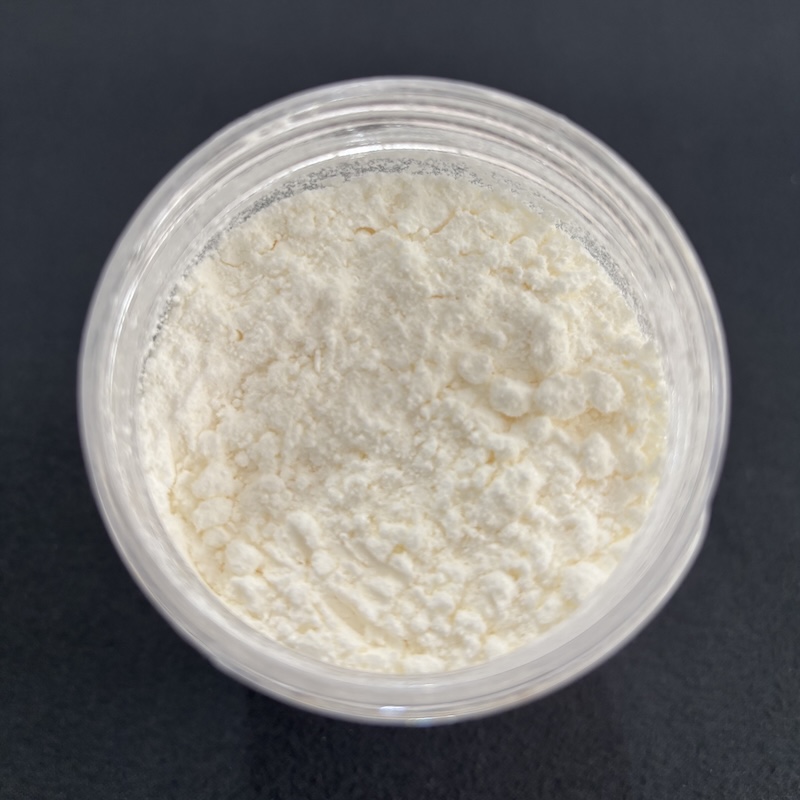
Blowing agents are chemical compounds that generate gas during processing, fundamentally transforming how rubber develops its internal cellular architecture. These materials determine whether rubber becomes dense and rigid or lightweight and compress...
VIEW MORE
The density of PVC extrusions directly impacts material cost, product performance, and end-use suitability across construction, automotive, and industrial sectors. Modern blowing agents have emerged as a transformative technology that enables manufac...
VIEW MORE
Blowing agents are critical components in foam manufacturing, designed to create gas bubbles that expand materials and achieve desired density and structural properties. However, many manufacturers encounter a frustrating problem: blowing agents fail...
VIEW MORE
Blowing agents are critical components in foam manufacturing, designed to create gas bubbles that expand materials and achieve desired density and structural properties. However, many manufacturers encounter a frustrating problem: blowing agents fail...
VIEW MORE
In modern textile manufacturing, achieving consistent yarn tenacity is one of the most pressing challenges for mill operators working with air-jet vortex spinning systems. The question of whether vortex spinning oil can genuinely improve the overall ...
VIEW MORE
Ultra-light coatings represent a critical advancement in modern manufacturing, aerospace, automotive, and marine industries. The demand for materials that deliver superior performance while minimizing weight has never been more pressing. At the heart...
VIEW MORE
Water repellency is a critical performance requirement across numerous industries, from textiles and automotive components to construction materials and consumer goods. Achieving effective water repellency requires careful material selection and surf...
VIEW MORE
Engineers across aerospace, automotive, and industrial manufacturing consistently select silicone fluid as their preferred lubricant for high-heat applications. This choice reflects decades of performance data, material science advancement, and real-...
VIEW MOREExtreme temperature shifts present one of the most challenging environments for any industrial coating or material, yet silicone emulsion has emerged as a reliable solution for applications demanding consistent performance across wide thermal ranges....
VIEW MORE
The question of whether leather feel modifiers affect breathability is one that material scientists, product developers, and finishing specialists increasingly encounter. As the demand for high-performance coated textiles and synthetic leather contin...
VIEW MORE
If you have recently noticed that your polyether modified polysiloxane is producing unexpected defoaming behavior instead of delivering the surface-active or wetting performance you intended, you are not alone. This is a surprisingly common challenge...
VIEW MORE
When formulators evaluate additives for improving the surface quality of coatings, one of the most persistent challenges they face is achieving smooth, defect-free leveling without compromising inter-coat adhesion or recoatability. polyether modified...
VIEW MORE