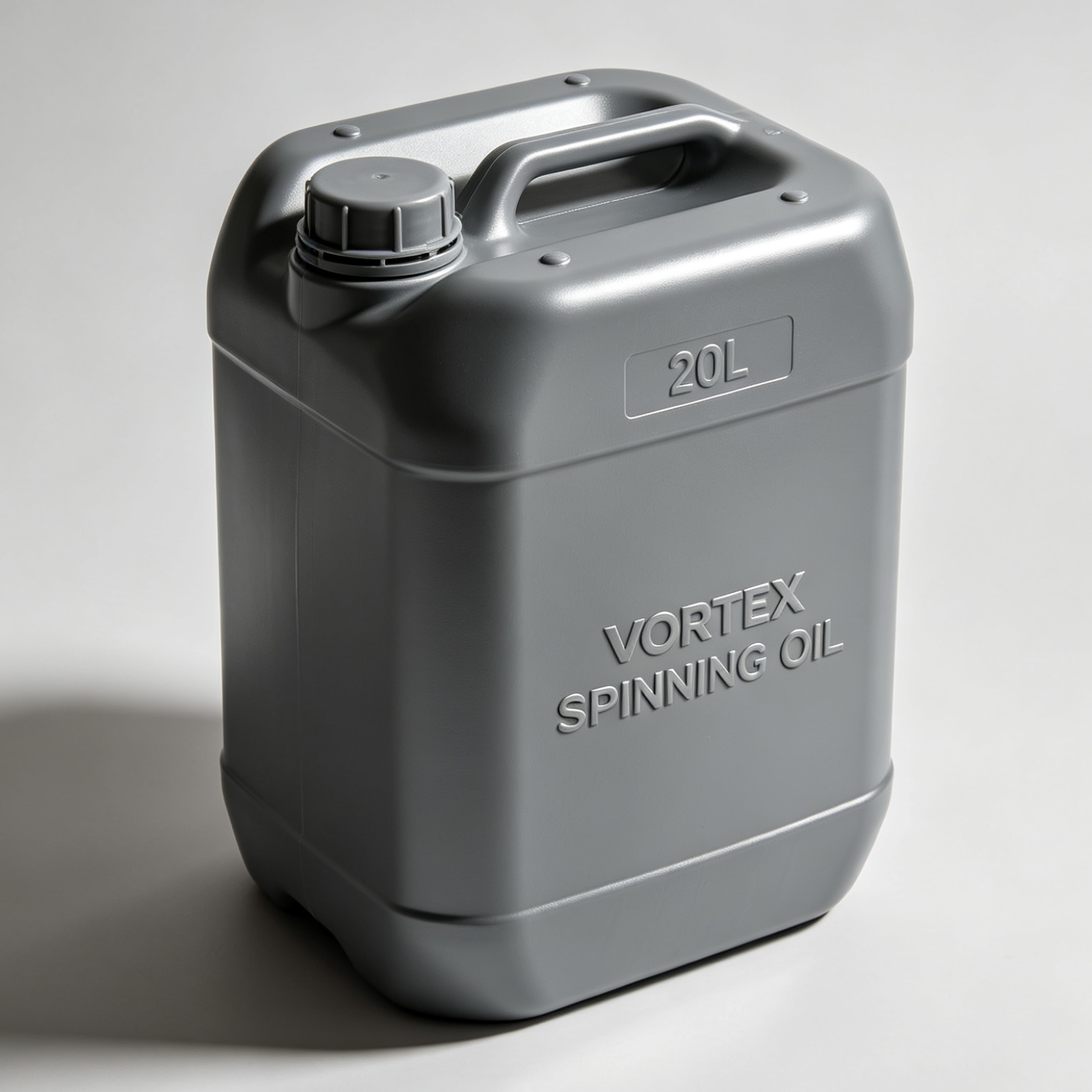
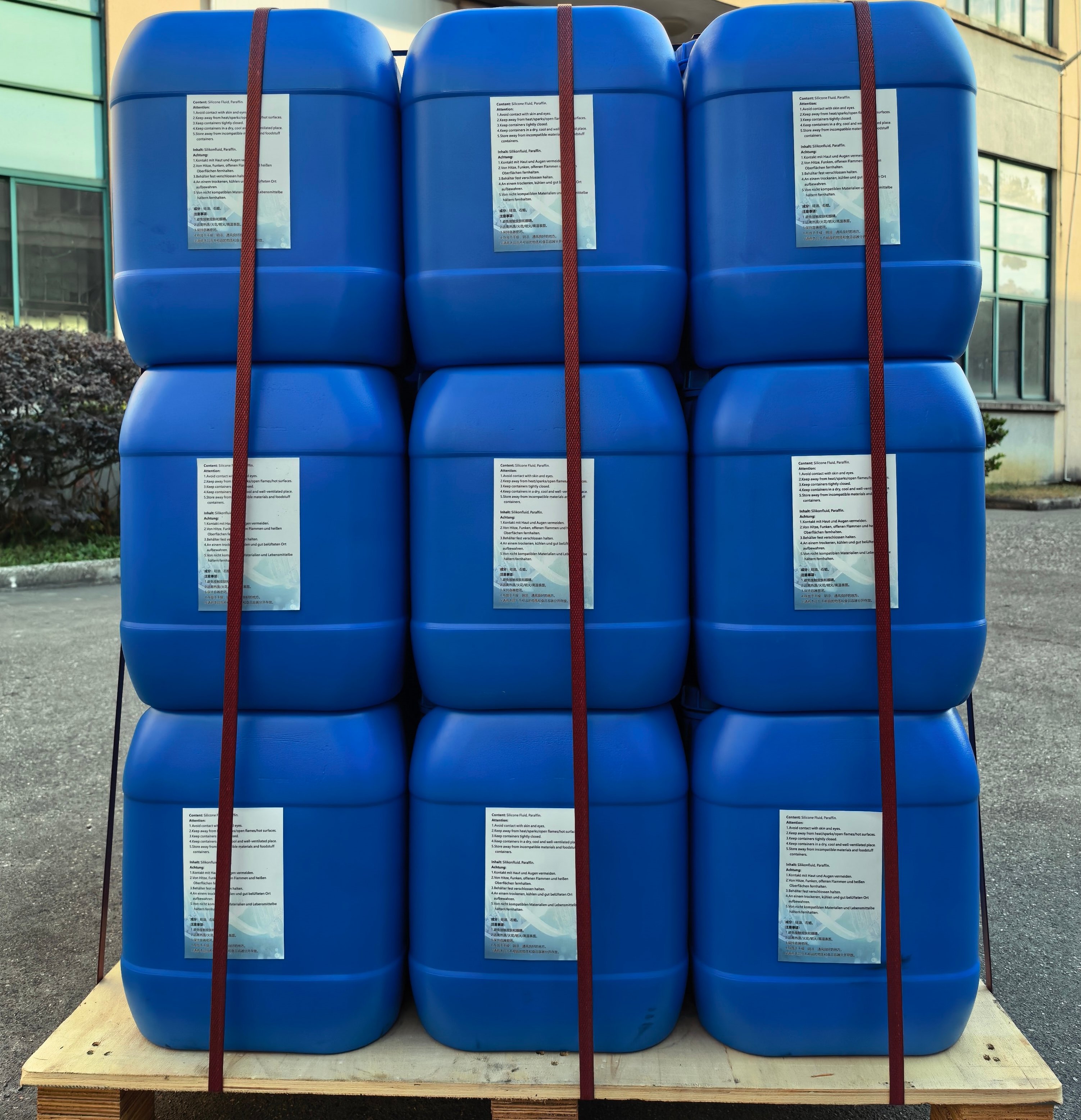
Static electricity in synthetic fiber processing is not merely an inconvenience — it is a production-line liability. When fibers cling together, repel guides, or attract dust and contaminants, the downstream effects ripple through yarn quality, machi...
VIEW MORE
In the world of leather finishing, few challenges are as frustrating and commercially damaging as the failure of leather feel modifiers on oily pull-up leathers. Formulators and tanneries invest significant effort in selecting the right surface treat...
VIEW MORE
In modern textile manufacturing, the difference between a profitable production run and a costly failure often comes down to the chemistry applied at the fiber level. spinning oil is one of the most critical auxiliaries used in yarn production, respo...
VIEW MORE
The push to reduce weight in plastics has never been more urgent. Across automotive interiors, packaging, construction panels, and consumer goods, manufacturers are under relentless pressure to cut mass without compromising mechanical integrity. expa...
VIEW MORE
In leather manufacturing, the journey from raw hide to a finished, commercially graded material is governed almost entirely by the leather chemicals applied throughout each stage of processing. These substances are not mere additives — they are the p...
VIEW MORE
When industrial engineers and formulators select a silicone fluid for their application, viscosity is one of the first parameters they evaluate. Low-viscosity grades are often favored for their ease of handling, fast spreading, and compatibility with...
VIEW MOREIn industrial manufacturing, the quality of surface treatment and processing agents has a direct and measurable impact on product performance, production efficiency, and end-use durability. Among the many functional materials used across sectors such...
VIEW MOREIn industrial manufacturing, release agents play a critical role in ensuring clean separation between molds and finished products. However, not all release agents deliver consistent results. Many formulations struggle with uneven coverage, residue bu...
VIEW MORE
The global leather industry is undergoing a profound transformation, driven by mounting regulatory pressure, shifting consumer values, and a collective rethinking of what responsible manufacturing looks like. At the center of this transformation are ...
VIEW MORE
Color fading is one of the most persistent and commercially damaging challenges in leather manufacturing and finishing. Whether it occurs in upholstery, footwear, fashion accessories, or automotive interiors, faded leather creates returns, warranty c...
VIEW MORE
In the luxury leather market, purchasing decisions are rarely made on price alone. While visual design, brand heritage, and craftsmanship all contribute to a product's perceived value, there is one sensory attribute that consistently drives conversio...
VIEW MOREIn the world of water-based coatings, formulators are constantly searching for additives that can enhance performance without compromising environmental compliance or application quality. Among the many options available, silicone dispersion has emer...
VIEW MORE