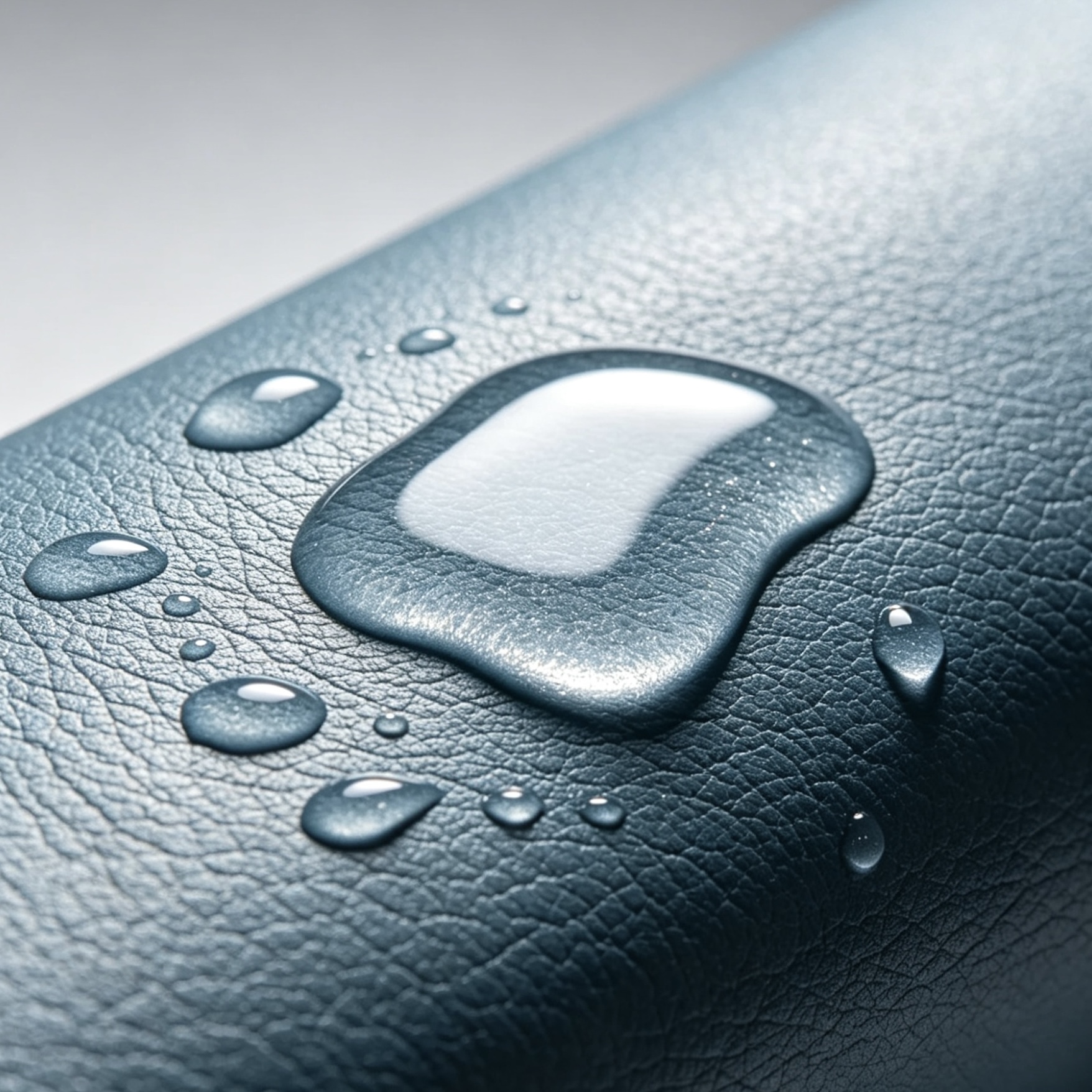
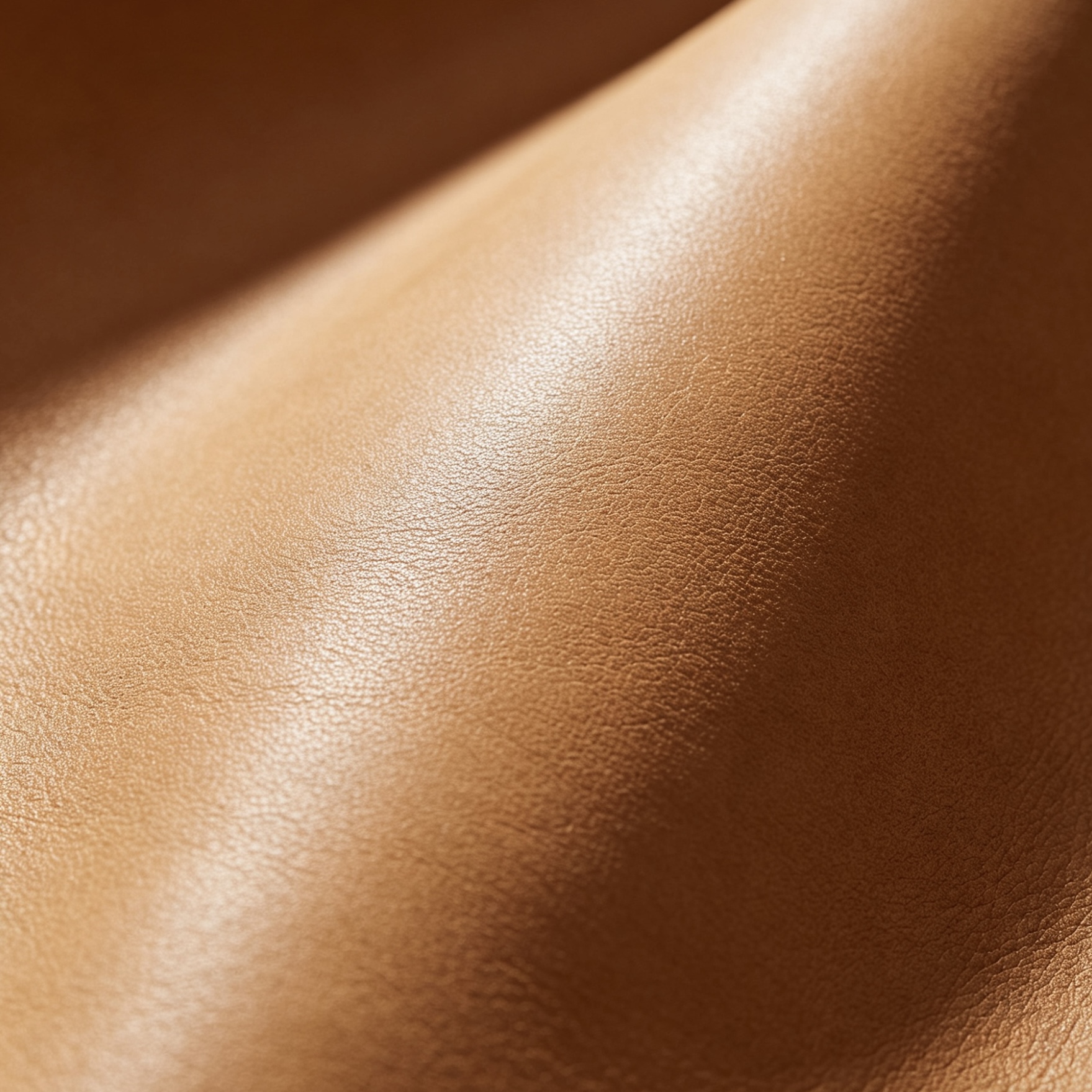
Cracking is one of the most persistent quality failures in leather production, and many manufacturers instinctively blame raw material quality or processing errors before examining their finishing stage. Yet the finishing stage is often where the pro...
VIEW MORE
In modern textile manufacturing, the quality of auxiliary chemicals plays a decisive role in the final appearance and performance of finished fabrics. When white fabrics emerge from the production line with an unexpected yellowish tint, the investiga...
VIEW MORE
When it comes to premium upholstery, the difference between a sofa that ages gracefully and one that deteriorates within months often comes down to an invisible layer — the finish. leather finishing chemicals are the backbone of this final trea...
VIEW MORE
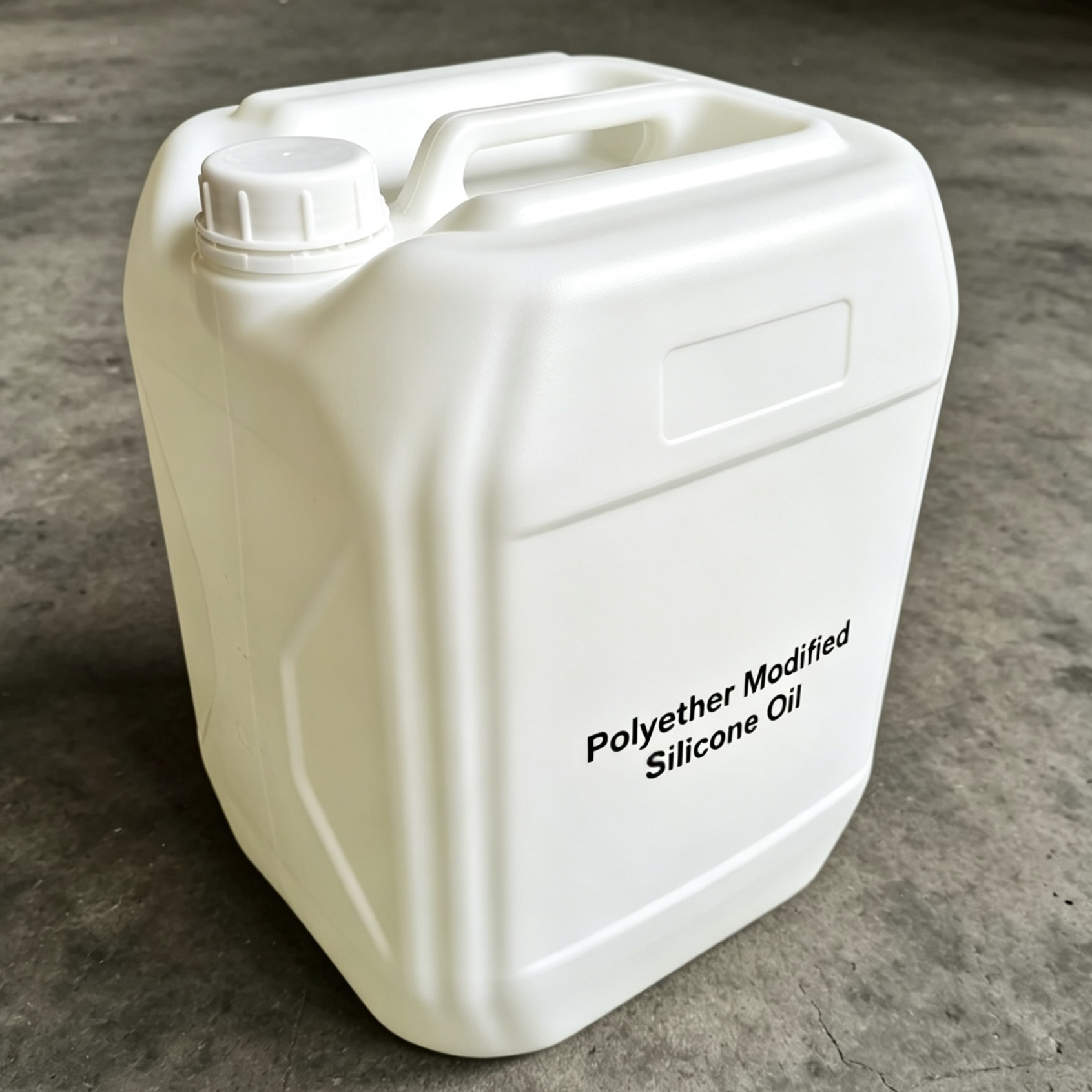
If you have ever opened a drum of polyether modified silicone on a cold morning and noticed that the fluid has turned hazy, milky, or even semi-opaque, you are not alone. Low-temperature clouding is one of the most frequently reported handling issues...
VIEW MORE
In the world of leather manufacturing, the final appearance, feel, and durability of a product are not determined by the hide alone. The chemical finishing stage is where raw or semi-processed leather is transformed into a market-ready material with ...
VIEW MORE
Pigment dispersion is one of the most technically demanding challenges in coatings, inks, and personal care formulation. Achieving a stable, fine, and uniform distribution of pigment particles determines not only the visual quality of a final product...
VIEW MORE
A feeling agent is supposed to enhance the sensory experience of a product — delivering that silky, smooth, or luxurious skin feel that defines premium formulations. So when your feeling agent starts leaving a greasy, sticky, or waxy residue on surfa...
VIEW MOREStatic electricity in synthetic fiber processing is not merely an inconvenience — it is a production-line liability. When fibers cling together, repel guides, or attract dust and contaminants, the downstream effects ripple through yarn quality, machi...
VIEW MORE
In the world of leather finishing, few challenges are as frustrating and commercially damaging as the failure of leather feel modifiers on oily pull-up leathers. Formulators and tanneries invest significant effort in selecting the right surface treat...
VIEW MORE
In modern textile manufacturing, the difference between a profitable production run and a costly failure often comes down to the chemistry applied at the fiber level. spinning oil is one of the most critical auxiliaries used in yarn production, respo...
VIEW MORE
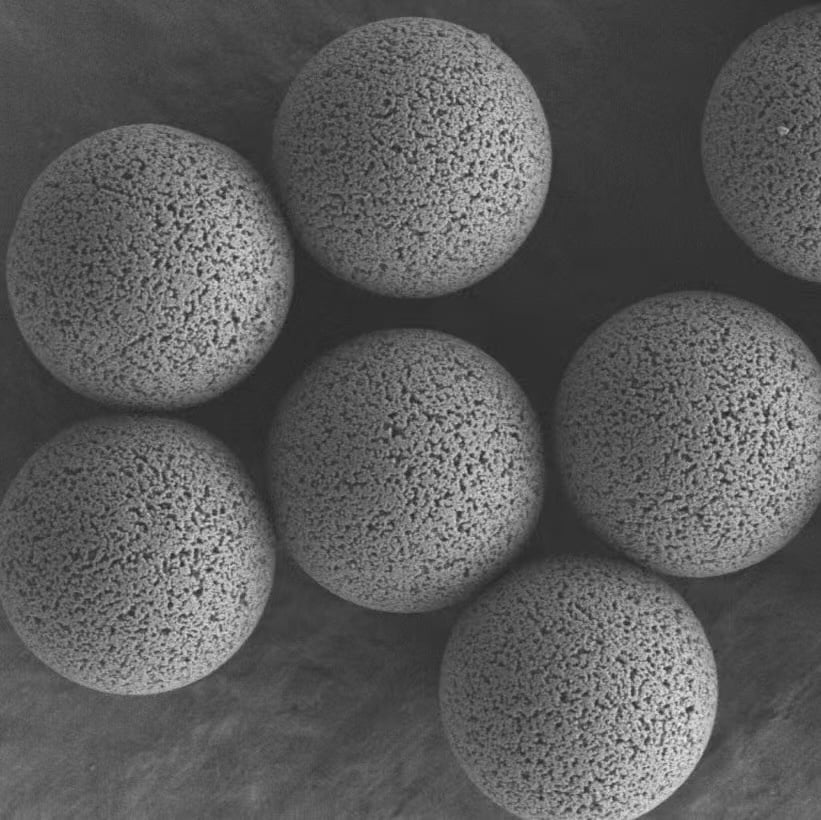
The push to reduce weight in plastics has never been more urgent. Across automotive interiors, packaging, construction panels, and consumer goods, manufacturers are under relentless pressure to cut mass without compromising mechanical integrity. expa...
VIEW MORE
When industrial engineers and formulators select a silicone fluid for their application, viscosity is one of the first parameters they evaluate. Low-viscosity grades are often favored for their ease of handling, fast spreading, and compatibility with...
VIEW MORE