Microsphere Blowing Agent: Advanced Lightweight Foaming Technology for Superior Manufacturing

All Categories

Get a Free Quote

Our representative will contact you soon.
Email
Name
Company Name
Whatsapp
Message
0/1000

microsphere blowing agent

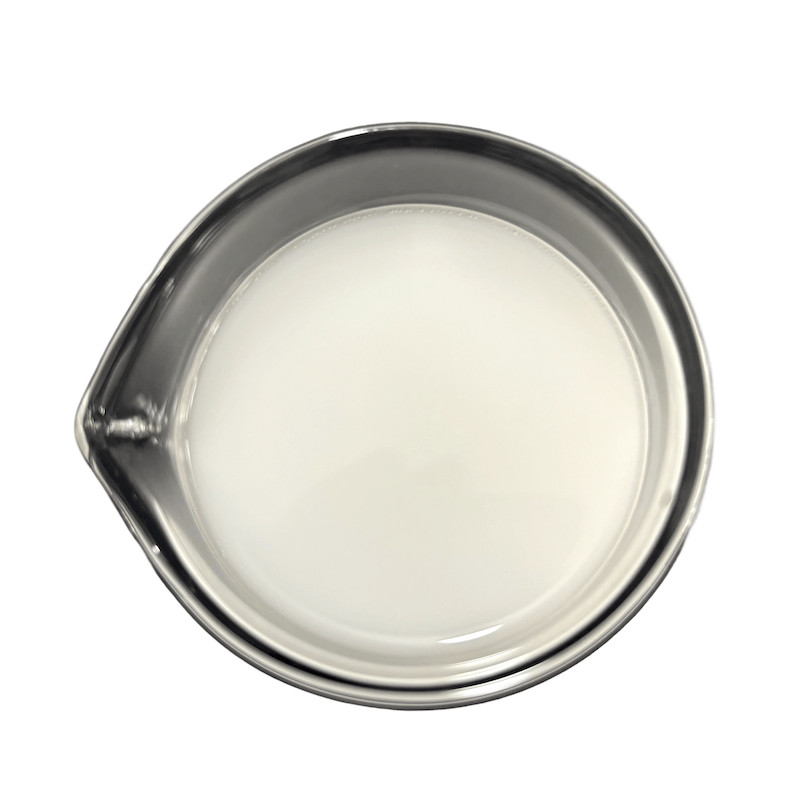
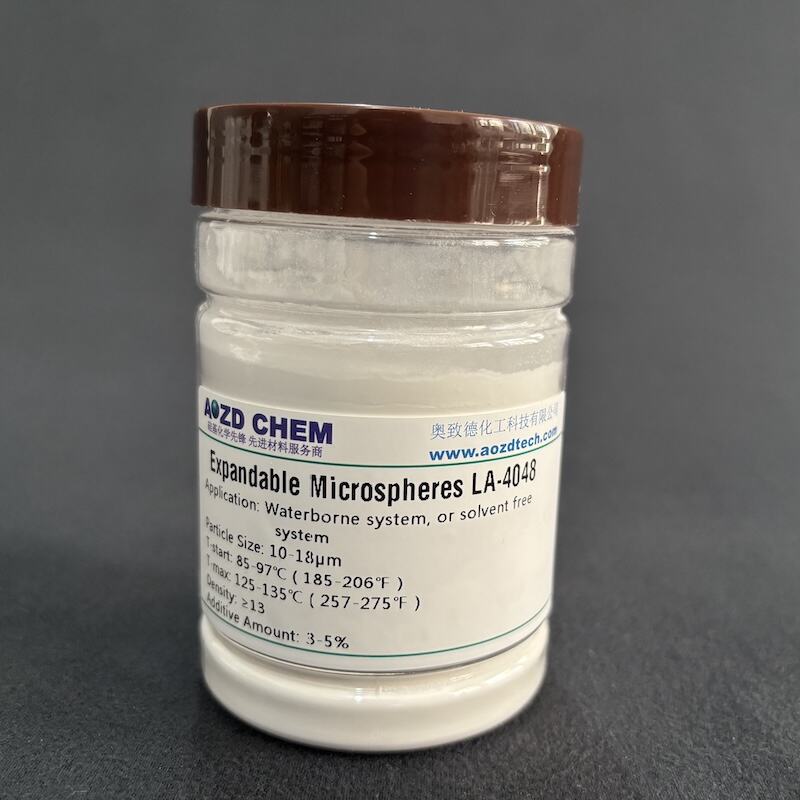
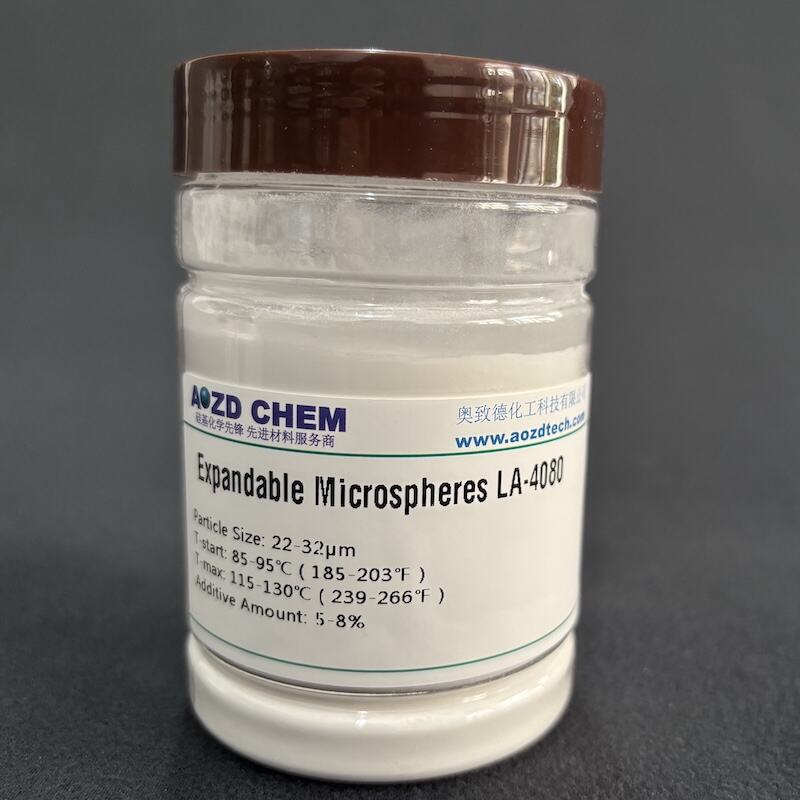
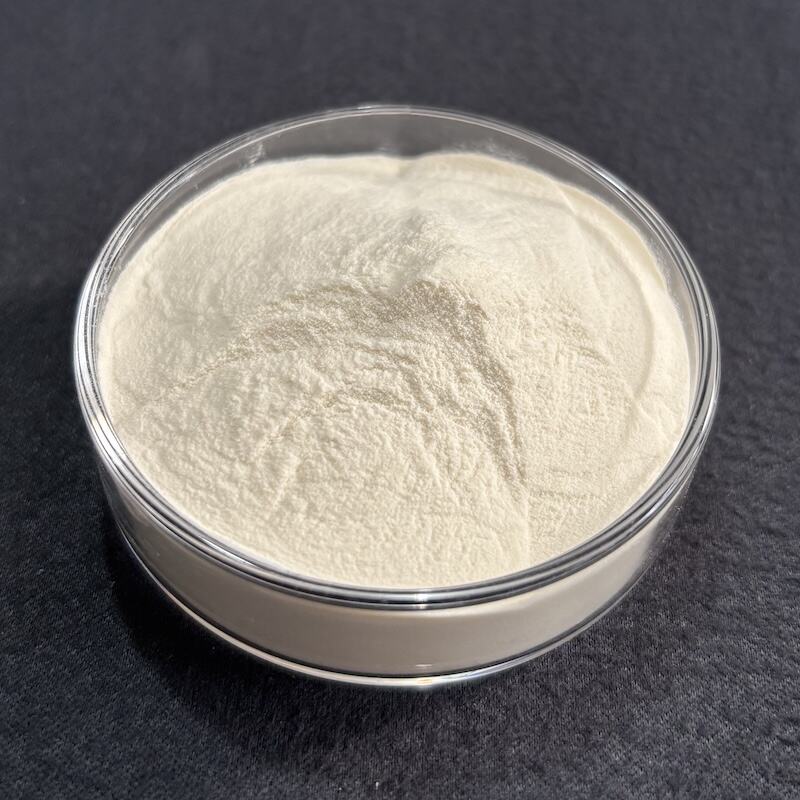
Microsphere blowing agent represents a revolutionary advancement in foam manufacturing technology, offering unprecedented control over cellular structure formation in various materials. This innovative foaming solution consists of thermoplastic microspheres filled with hydrocarbon gas, typically measuring between 6-40 micrometers in diameter. The microsphere blowing agent activates through precise temperature control, expanding to create uniform cellular structures that enhance material properties while reducing weight and density. The primary function of microsphere blowing agent involves creating controlled expansion within polymer matrices, enabling manufacturers to achieve specific density targets while maintaining structural integrity. Unlike traditional chemical foaming agents, microsphere blowing agent provides predictable expansion ratios and consistent cell formation throughout the material matrix. The technological features of microsphere blowing agent include its ability to remain dormant until reaching activation temperature, typically ranging from 80-220°C depending on the specific grade selected. This temperature-sensitive activation allows for precise timing during manufacturing processes, ensuring optimal foam formation occurs at the desired moment in production cycles. The uniform particle size distribution of microsphere blowing agent guarantees consistent expansion characteristics, eliminating the irregular cell formation often associated with alternative foaming methods. Applications for microsphere blowing agent span numerous industries, including automotive components, construction materials, packaging solutions, and consumer goods manufacturing. In automotive applications, microsphere blowing agent enables production of lightweight interior panels and structural components that meet strict weight reduction requirements while maintaining safety standards. Construction industry applications utilize microsphere blowing agent in insulation materials, lightweight concrete, and building panels where thermal efficiency and weight considerations are paramount. The packaging sector benefits from microsphere blowing agent technology through creation of protective foam materials that offer superior cushioning properties while reducing material costs and environmental impact through decreased polymer usage.


New Products

The microsphere blowing agent delivers substantial benefits that transform manufacturing processes and end-product performance across multiple applications. Cost reduction stands as a primary advantage, as microsphere blowing agent significantly decreases raw material consumption by creating expanded structures that maintain strength while using less polymer. This reduction in material usage directly translates to lower production costs, making products more competitive in price-sensitive markets while improving profit margins for manufacturers. Processing efficiency improves dramatically when using microsphere blowing agent compared to traditional foaming methods. The controlled expansion characteristics eliminate guesswork in foam formation, reducing waste and improving production yield rates. Manufacturing teams experience fewer production delays because microsphere blowing agent provides consistent results batch after batch, minimizing quality control issues that often plague alternative foaming technologies. The precise activation temperature of microsphere blowing agent allows manufacturers to integrate foaming processes seamlessly into existing production lines without requiring extensive equipment modifications. Environmental benefits represent another compelling advantage of microsphere blowing agent technology. By reducing the amount of virgin polymer required for each product, manufacturers decrease their carbon footprint while maintaining product performance standards. The uniform cell structure created by microsphere blowing agent often results in superior insulation properties, contributing to energy efficiency in building applications and reducing long-term environmental impact. Quality improvements achieved through microsphere blowing agent use include enhanced surface finish, reduced shrinkage, and improved dimensional stability. Products manufactured with microsphere blowing agent exhibit consistent density distribution, eliminating the density variations that can compromise structural integrity in critical applications. The controlled expansion process prevents over-foaming situations that can weaken material properties or create surface defects. Performance enhancement occurs across multiple material characteristics when microsphere blowing agent is properly utilized. Impact resistance often improves due to the energy-absorbing properties of the cellular structure, while thermal insulation capabilities increase through the introduction of controlled air pockets. Weight reduction achieved through microsphere blowing agent use maintains or improves strength-to-weight ratios, making products more suitable for applications where weight considerations are critical. Versatility in application methods makes microsphere blowing agent suitable for various processing techniques including injection molding, extrusion, and compression molding, providing manufacturers flexibility in production approaches.

Tips And Tricks

Unlocking Potential: The Power of Additives in Modern Manufacturing

26

Nov

Unlocking Potential: The Power of Additives in Modern Manufacturing

Understanding Additives in Modern Manufacturing Additives play a vital role in modern manufacturing processes across various industries. They're basically substances mixed into materials to boost performance in ways the base material just can't do o...
View More
What Are the Best Practices for Applying Leather Additives

02

Dec

What Are the Best Practices for Applying Leather Additives

The leather industry relies heavily on various chemical formulations to enhance the quality, durability, and aesthetic appeal of finished products. Understanding the proper application techniques and selection criteria for leather additives can signi...
View More
How Does Silicone Dispersion Improve Water Resistance in Coatings

02

Dec

How Does Silicone Dispersion Improve Water Resistance in Coatings

Water resistance stands as one of the most critical performance characteristics in modern coating applications across industries ranging from automotive to marine environments. Traditional coatings often struggle to maintain their protective properti...
View More
How Does Silicone Emulsion Interact with Other Leather Chemicals?

08

Jan

How Does Silicone Emulsion Interact with Other Leather Chemicals?

The leather industry relies on complex chemical interactions to achieve desired properties in finished products. Among the various chemicals used in leather processing, silicone emulsion has emerged as a crucial component that significantly impacts t...
View More

Get a Free Quote

Our representative will contact you soon.
Email
Name
Company Name
Whatsapp
Message
0/1000

microsphere blowing agent

Superior Temperature Control and Activation Precision

Superior Temperature Control and Activation Precision

The microsphere blowing agent offers unmatched temperature control capabilities that revolutionize foam manufacturing precision and reliability. This advanced technology features a carefully engineered activation system that remains completely stable until reaching predetermined temperature thresholds, typically ranging from 80°C to 220°C depending on the specific grade selected for particular applications. This precise temperature activation eliminates premature expansion issues that plague traditional chemical blowing agents, ensuring consistent results throughout production cycles. The controlled activation mechanism of microsphere blowing agent allows manufacturers to integrate foaming processes at optimal points in their production timeline, maximizing efficiency while minimizing waste. Unlike chemical alternatives that begin decomposing immediately upon mixing, microsphere blowing agent remains dormant during material preparation, transport, and initial processing stages. This stability provides manufacturers with extended working time and reduces the pressure to rush production processes, ultimately improving quality control and reducing defect rates. The temperature precision offered by microsphere blowing agent enables manufacturers to achieve exact expansion ratios repeatedly, creating products with consistent density profiles and uniform cell structures. This consistency proves particularly valuable in applications requiring strict dimensional tolerances or specific performance characteristics. The predictable expansion behavior eliminates the trial-and-error approach often necessary with chemical foaming agents, reducing development time for new products and minimizing material waste during production optimization. Temperature control benefits extend beyond basic activation timing to include expansion rate management and final foam characteristics. Different grades of microsphere blowing agent activate at various temperature ranges, allowing manufacturers to select products that align perfectly with their processing conditions and equipment capabilities. This flexibility enables optimization of production parameters without compromising foam quality or requiring significant equipment modifications. The precise temperature activation also contributes to improved workplace safety by eliminating the handling risks associated with volatile chemical blowing agents that may release gases during storage or processing.
Exceptional Weight Reduction Without Strength Compromise

Exceptional Weight Reduction Without Strength Compromise

Microsphere blowing agent technology delivers remarkable weight reduction capabilities while maintaining or even enhancing structural integrity, addressing critical performance requirements across diverse manufacturing applications. This innovative foaming solution creates uniform cellular structures that reduce material density by 10-40% without compromising essential mechanical properties, making it invaluable for industries where weight considerations directly impact performance, cost, and environmental compliance. The weight reduction achieved through microsphere blowing agent implementation occurs through controlled void creation within the material matrix, replacing solid polymer with precisely sized air pockets that maintain structural continuity. Unlike traditional weight reduction methods that often weaken materials, microsphere blowing agent creates reinforced cellular architecture that can improve impact resistance and energy absorption characteristics. This enhanced performance profile makes products suitable for demanding applications where both weight reduction and structural integrity are essential requirements. Manufacturing benefits from microsphere blowing agent weight reduction extend beyond simple material savings to include reduced shipping costs, improved handling characteristics, and enhanced end-user experience. Lighter products cost less to transport, reducing logistics expenses and carbon emissions associated with distribution. Installation and handling become easier for construction materials and automotive components, improving worker safety and reducing installation time and costs. The uniform weight distribution achieved through microsphere blowing agent ensures balanced products that perform consistently across their entire structure. Strength retention properties of microsphere blowing agent distinguish it from alternative weight reduction technologies. The controlled expansion process creates interconnected cell walls that maintain load distribution pathways, preserving tensile strength, flexural properties, and impact resistance. Many applications actually experience improved performance characteristics because the cellular structure provides enhanced energy absorption and vibration damping properties. This performance enhancement makes microsphere blowing agent particularly valuable in automotive applications where crash performance and NVH characteristics are critical design considerations. The predictable strength-to-weight relationships achieved with microsphere blowing agent enable engineers to optimize product designs with confidence, reducing material usage while meeting or exceeding performance specifications.
Outstanding Environmental Sustainability and Cost Efficiency

Outstanding Environmental Sustainability and Cost Efficiency

The microsphere blowing agent represents a breakthrough in sustainable manufacturing technology, delivering exceptional environmental benefits while simultaneously reducing production costs and improving operational efficiency. This dual advantage addresses growing industry pressure for environmentally responsible manufacturing practices without sacrificing economic viability or product performance standards. Environmental sustainability benefits from microsphere blowing agent begin with significant raw material reduction, as the controlled expansion process decreases virgin polymer consumption by 15-40% depending on application requirements and expansion ratios achieved. This reduction directly translates to lower carbon footprint for manufactured products while maintaining performance specifications that meet or exceed traditional solid materials. The decreased material usage also reduces waste generation throughout the supply chain, from raw material extraction through manufacturing and end-of-life disposal considerations. Recycling compatibility represents another significant environmental advantage of microsphere blowing agent technology. Products manufactured with microsphere blowing agent often maintain recyclability characteristics similar to solid polymer materials, enabling circular economy approaches that extend material life cycles. The uniform cell structure created by microsphere blowing agent typically does not interfere with standard recycling processes, allowing manufacturers to support sustainability initiatives without compromising product functionality. Cost efficiency improvements achieved through microsphere blowing agent implementation extend across multiple operational areas. Material cost reduction provides immediate bottom-line benefits, while processing efficiency improvements reduce energy consumption and labor costs. The consistent expansion characteristics minimize production waste, reducing both material costs and waste disposal expenses. Equipment wear typically decreases because microsphere blowing agent processing often requires less pressure and temperature stress compared to traditional foaming methods. Long-term economic benefits include reduced transportation costs due to lighter products, decreased storage requirements, and improved competitiveness in price-sensitive markets. The ability to maintain product performance while reducing material costs enables manufacturers to improve profit margins or offer more competitive pricing strategies. Market advantages gained through microsphere blowing agent adoption include enhanced sustainability credentials that appeal to environmentally conscious consumers and compliance with increasingly stringent environmental regulations. These market positioning benefits often translate to increased sales opportunities and premium pricing possibilities for products marketed as environmentally responsible alternatives.

Get a Free Quote

Our representative will contact you soon.
Email
Name
Company Name
Whatsapp
Message
0/1000