რეზინის გამხსნელი საშუალებები
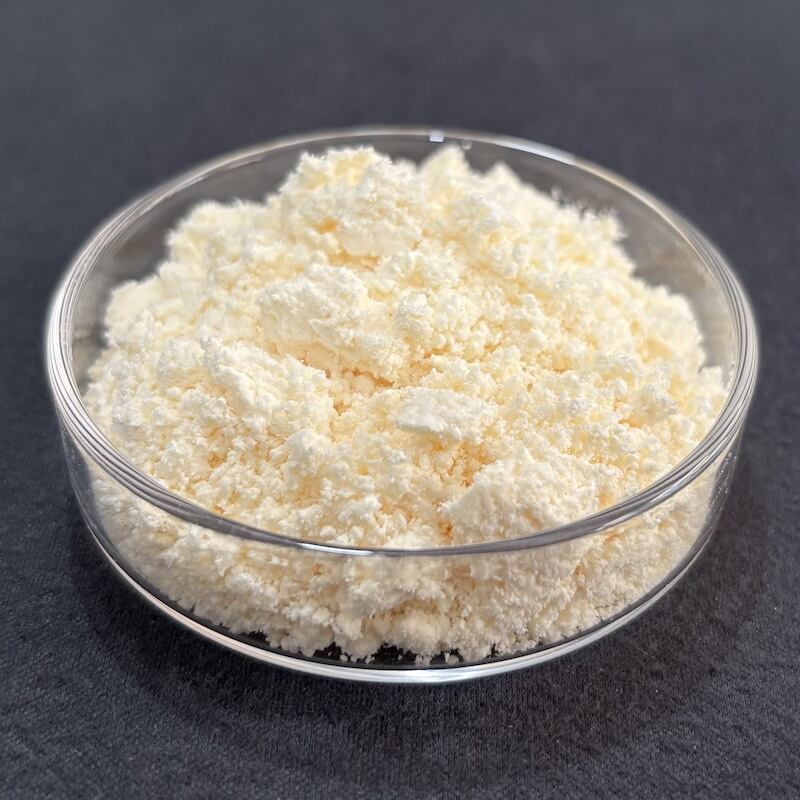
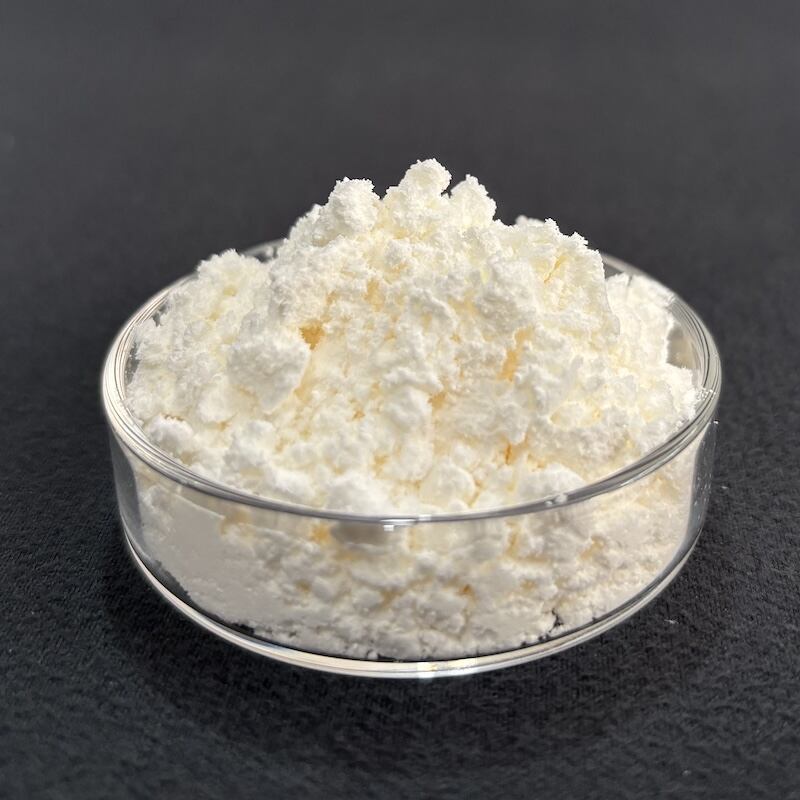
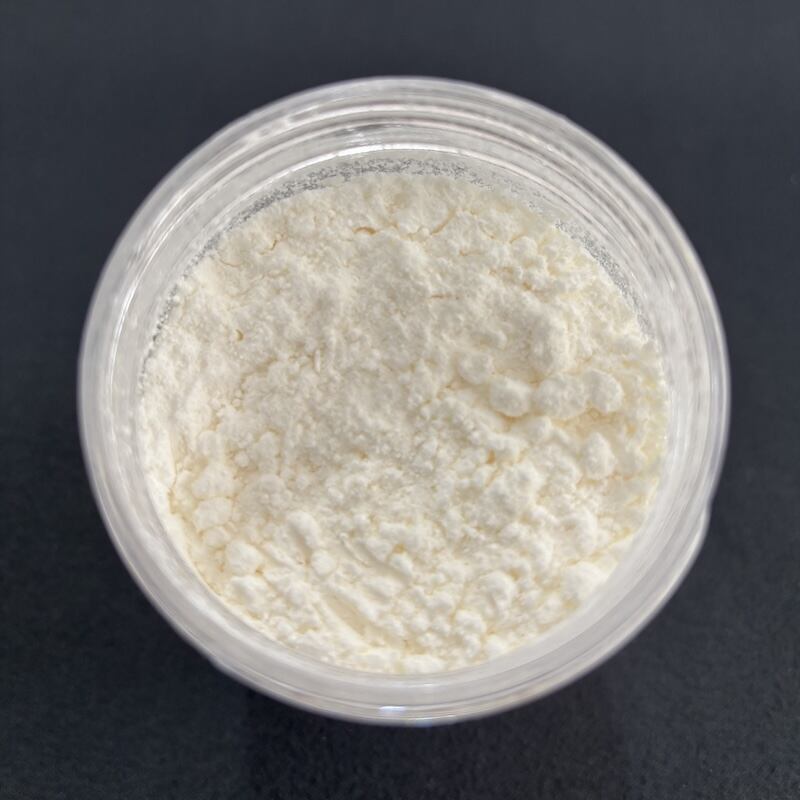
Რეზინის ასაფეთქებელი საშუალებები წარმოადგენს აუცილებელ ქიმიურ ნაერთებს, რომლებიც საშუალებას იძლევიან წარმოებული იყოს გაფართოებული უჯრედული რეზინის მასალები კონტროლირებადი გაზის წარმოების გზით წარმოების პროცესში. ეს სპეციალური დანამატები ქმნიან რეზინის ნაერთებში შუშის სტრუქტურებს, როდესაც გაზებს უშვებენ სითბოს, წნეხს ან ქიმიურ აქტივაციას. რეზინის ასაფეთქებელი საშუალებების ძირითადი ფუნქციაა მკვრივი რეზინის მატრიცების ტრანსფორმაცია მსუბუქ, უჯრედულ სტრუქტურებად, გაუმჯობესებული თვისებებით, როგორიცაა შემცირებული სიმკვრივე, გაუმჯობესებული იზოლაციის შესაძლებლობები და უპირატესი ბალიშ რეზინის თანამედროვე ბუშტური აგენტები იყენებენ სხვადასხვა მექანიზმებს, მათ შორის თერმულ დაშლას, ქიმიურ რეაქციებს და ფიზიკურ გაფართოებას სასურველი შუშის სტრუქტურების მისაღწევად. ამ აგენტების ტექნოლოგიური მახასიათებლები მოიცავს გაზის გამონაბოლქვის ზუსტ კონტროლს, ტემპერატურის სტაბილურობას, დამუშავების თავსებადობას და უჯრედების ერთგვაროვან განაწილებას რეზინის მატრიცაში. ქიმიური ბუშტების დაშლა ხდება კონკრეტულ ტემპერატურაზე აზოტის, ნახშირორჟანგის ან სხვა ინერტული აირების გამოყოფის მიზნით, ხოლო ფიზიკური ბუშტების გაპარსვა ხდება დამუშავების დროს უჯრედული სტრუქტურების შესაქმნელად. რეზინის ასაფეთქებელი საშუალებების გამოყენება მრავალ ინდუსტრიას მოიცავს, მათ შორის კარის ბოჭკების და შეკვრის საწარმოებს, ჰაერის შეზღუდვისა და იზოლაციის მასალების მშენებლობას, ფეხსაცმლის წარმოებას, რომელიც მოიცავს მხოლოდ ბალიშს ეს აგენტები საშუალებას აძლევს მწარმოებლებს წარმოადგინონ რეზინის პროდუქტები სპეციალური სიმკვრივის პროფილებით, გაზრდილი მოქნილობით და გაუმჯობესებული ხარჯების ეფექტურობით მასალის დაზოგვის გზით. რეზინის შესაფერისი ბუშტების შერჩევა დამოკიდებულია დამუშავების ტემპერატურაზე, სასურველ უჯრედულ სტრუქტურაზე, საბოლოო პროდუქტის მოთხოვნებსა და გარემოსდაცვითი მიდგომებზე. მოწინავე ფორმულაციები უზრუნველყოფს კონტროლირებადი გაფართოების სიჩქარეს, მინიმალურ შეკუმშვას და შესანიშნავ თერმულ სტაბილურობას მთელი გამაგრების პროცესის განმავლობაში.

 EN
EN